

Los Angeles stretches wide, with long drives between work, home and everyone else. In a city built on distance, donated books have a way of passing from one stranger to another without traffic or small talk. If you move, downsize or just want your books to matter again, donating keeps this community of strangers growing. So, let’s take a look at the nine best places to donate books in Los Angeles, from historic public libraries to committed nonprofits.
1. Los Angeles Public Library
With more than seventy branches and over six million books, the Los Angeles Public Library reaches nearly every neighborhood in the nation’s most diverse metropolis. Donations often flow through local branches or Friends of the Library groups that fund programs through book sales. Policies vary by location, since storage space fills fast. Most branches ask donors to call ahead before arrival, so check before heading there.
How to donate:
- Offer gently used books, DVDs or CDs
- Expect limits on quantity and condition
- Contact your local branch first
- Ask if Friends sales accept materials
2. LA County Library – Books for Jails
In a system built around limits, the LA County Library Books for Jails program offers one rare form of freedom: access to reading. That’s because this county program routes books directly to people inside LA County jails. A paperback can offer education, comfort and a sense of time well spent. Donations drop off at any LA County Library location. Content rules stay strict for safety reasons.
How to donate:
- Donate paperback books only
- Avoid hardcovers and spiral bindings
- Skip true crime and explicit content
- Drop items at any county branch
3. The Last Bookstore
Imagine taking over a former bank building, filling its old vaults with books instead of money and hosting art and music installations all over. That’s the story behind The Last Bookstore an independent institution with over 20 years under its belt and one of LA’s most recognizable literary landmarks. Donated books help stock shelves, support partners or move through responsible recycling. Smaller donations fit best in person. Larger collections move faster through Re Book It.
How to donate:
- Bring books during store hours
- Focus on clean and resale-ready titles
- Use Re Book It for large quantities
- Expect staff review at drop-off
4. Re Book It
A free service provided by The Last Bookstore, Re Book It keeps books out of landfills and in circulation throughout LA’s local charities, homeless shelters, hospitals or schools. through redistribution. Free pickup covers much of LA County and books must be clean and readable.
How to donate:
- Schedule a free pickup for several boxes
- Donate clean and sellable books
- Avoid severely damaged items
- Use the service for homes or organizations
5. Donate Books Fast
If you’re worriedly planning on moving 40 boxes of books out of your garage, take a breath and relax. Donate Books Fast was made large cleanouts. This should be your go-to when you need to give your books a safe second home as quickly as possible. The service works with libraries, thrift stores and charities across the region, so you don’t have to worry about sorting out your stash (As long as it’s in good condition). Free pickups cover much of Los Angeles and parts of Ventura County and not every item qualifies.
How to donate:
- Schedule a pickup online
- Donate books and select media
- Skip magazines and encyclopedias
- Avoid books in poor condition
6. Libros Schmibros Lending Library
Libros Schmibros sits in the heart of Boyle Heights, a neighborhood that has long faced limited access to books. The nonprofit lending library puts low- and no-cost books into the hands of local readers, whether they grew up nearby or arrived more recently.
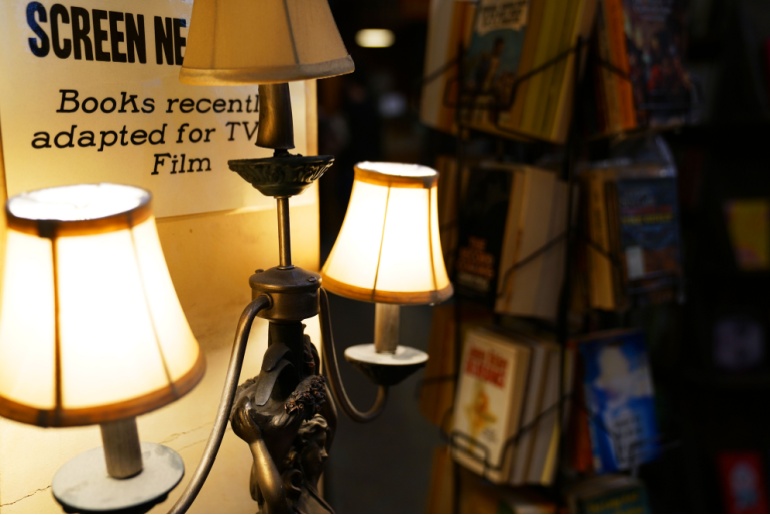
For more than fourteen years, Libros Schmibros has treated books as a shared public good, circulating over seventy thousand titles and hosting hundreds of community events across the Eastside and beyond. Their work rests on a simple belief: when people have access to literature, ideas travel, connections form and communities grow stronger.
How to donate:
- Donate English or Spanish titles
- Choose general interest or literary books
- Follow staff guidance on needs
- Drop items off during open hours
7. The Iliad Bookshop
The Iliad Bookshop takes its name seriously. Like its ancient namesake, the store treats literature as something worth preserving, debating and passing on. Tucked near the NoHo Arts District, it specializes in literature, film and the arts, with donated books more likely to sit beside poetry, scripts and art monographs than trend-driven titles. Two resident cats patrol the aisles as unofficial quality-control officers, so you know your donated books are in the right place.
How to donate:
- Bring clean and salable books
- Visit during business hours
- Expect selective acceptance
- Avoid damaged items
8. Access Books
This program keeps an eye out for communities in danger of becoming book deserts. Access Books focuses on underfunded elementary school libraries. The nonprofit supplies high-interest titles that kids actually want to read. Book quality matters here more than volume. Titles should feel current and inviting.
How to donate:
- Donate books for kindergarten through fifth grade
- Choose popular and diverse titles
- Avoid heavy wear or writing
- Confirm drop-off or shipping details
9. BookEnds
BookEnds turns donated children’s books into classroom and home libraries. Based in West Los Angeles, the group works closely with schools and youth programs. Donations should match real classroom needs. Of course, condition and relevance matter, too.
How to donate:
- Donate books for infants through teens
- Avoid outdated or academic titles
- Keep books clean and intact
- Coordinate larger drives in advance
Self storage for books in Los Angeles
Sometimes timing gets in the way of donation and that’s okay. Heat and moisture can damage paper fast in Los Angeles, especially in garages or overstuffed closets. That’s why self storage, especially climate-controlled storage, makes sense for books you plan to give later.
On average, storage units in Los Angeles rent for about $269 a month, with some of the lowest prices in neighborhoods like Chesterfield Square ($177) and Eagle Rock ($177). Compared to paying for more living space, a small unit costs less, protects your books and gives you time to sort, plan and donate when the moment feels right.
To sum up
Los Angeles has always leaned on shared books. After the Central Library fire in 1986, people across the city donated volumes to help rebuild what was lost and reopen access for everyone. As a port city shaped by arrivals, departures and many cultures, LA works best when things move rather than sit still. Book donations fit naturally into that flow. When you donate, your books keep that movement alive.



Moving From a House to an Apartment: What to Expect, How to Downsize & How Self Storage Helps
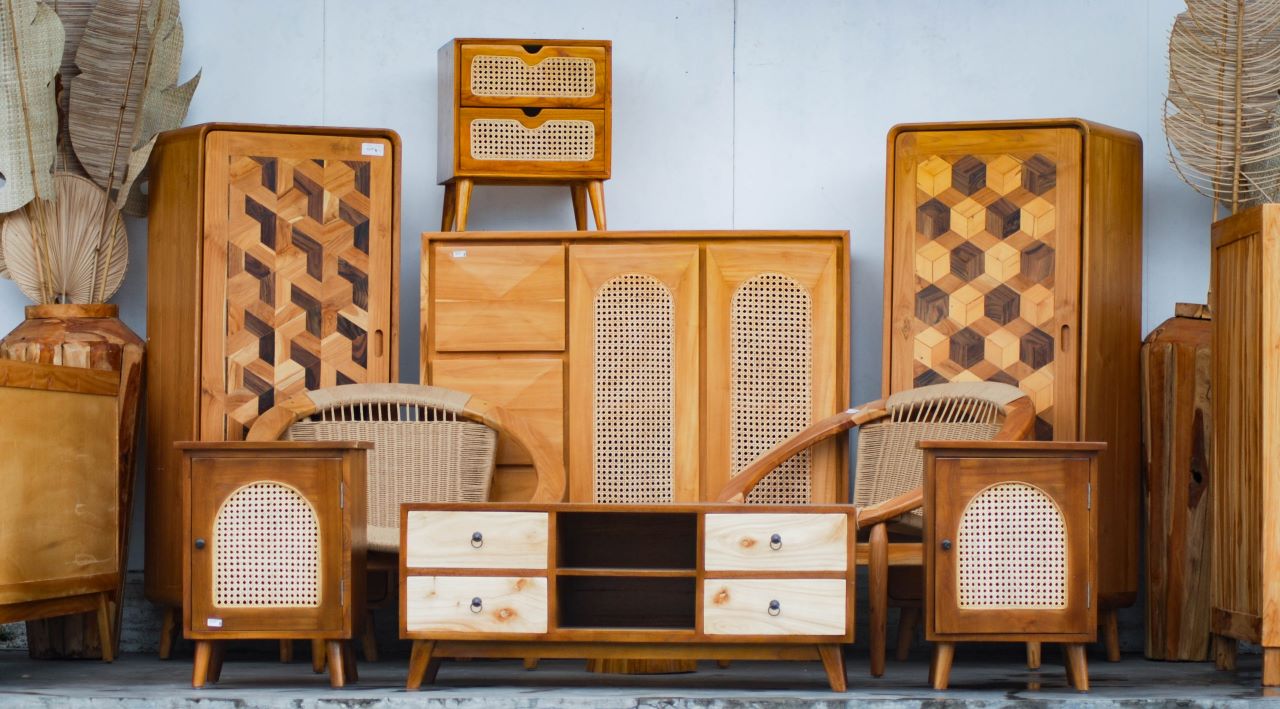
For some, moving from a house to an apartment is a financial decision. For others, it’s about simplifying life. Maybe the kids have moved out and half the house sits empty, or you’re approaching retirement and no longer want to spend weekends on repairs. Or perhaps you’ve been weighing the cost of buying a home and wondering whether renting simply makes more sense right now.
Family Heirlooms Overload: How to Handle Family Inheritance Without Regret
Handling family heirlooms after a loss requires managing legal authority, emotional pressure and practical logistics at the same time, and the order you take them on matters more than most people expect.
Blanket Storage: The Right Method for Every Space and Season
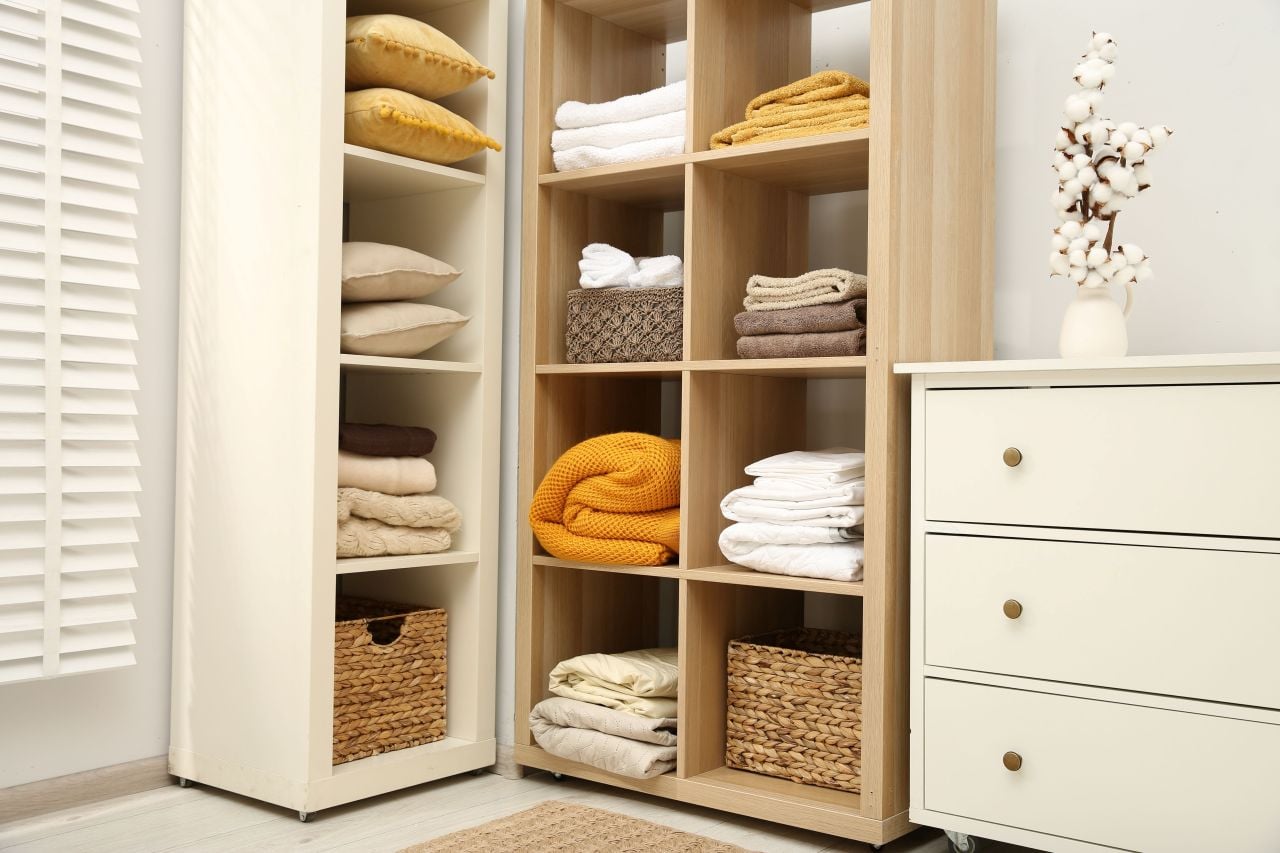
Blankets make our lives cozier, and storing them well is what keeps them soft and comfortable in the long run. Knowing how to store a blanket properly means your favorites come out of storage smelling fresh, feeling the same as when they went in, and lasting years longer than they otherwise would.

Board Game Storage Ideas That Keep Your Collection in Fighting Shape
Nobody warns you that getting into board games usually unlocks a second hobby, the much dreaded one that includes figuring out where on earth to put them. One game becomes a few, expansions start spawning beside their base boxes and before long, board game storage requires as much strategy as whatever is waiting on the other side of those lids.

Storage Locker vs. Storage Unit: What’s the Difference?
A locker and a unit may sound like two names for the same four walls and a lock, and depending on the storage facility, you may even see the terms used that way. However, once you start comparing available spaces, storage lockers tend to occupy the smaller end of the spectrum, while storage units(opens in new tab) give you considerably more room to work with.

Storage Ideas for Small Spaces: 9 Ways to Max Out Your Home
A messy home contains the seeds of its organization. Those seeds are everywhere: the space above doors, under beds, behind sofas and inside furniture can all become storage. Here are the best storage ideas for small spaces, so you can make the most of your cozy home.

Best U.S. Cities to Live Uncluttered: Plano, TX, Offers the Most Room to Breathe
Clutter is in our homes as much as in our heads. Both are shaped by where we live.
How to Organize Your Bathroom: 8 Ways to Stay Tidy
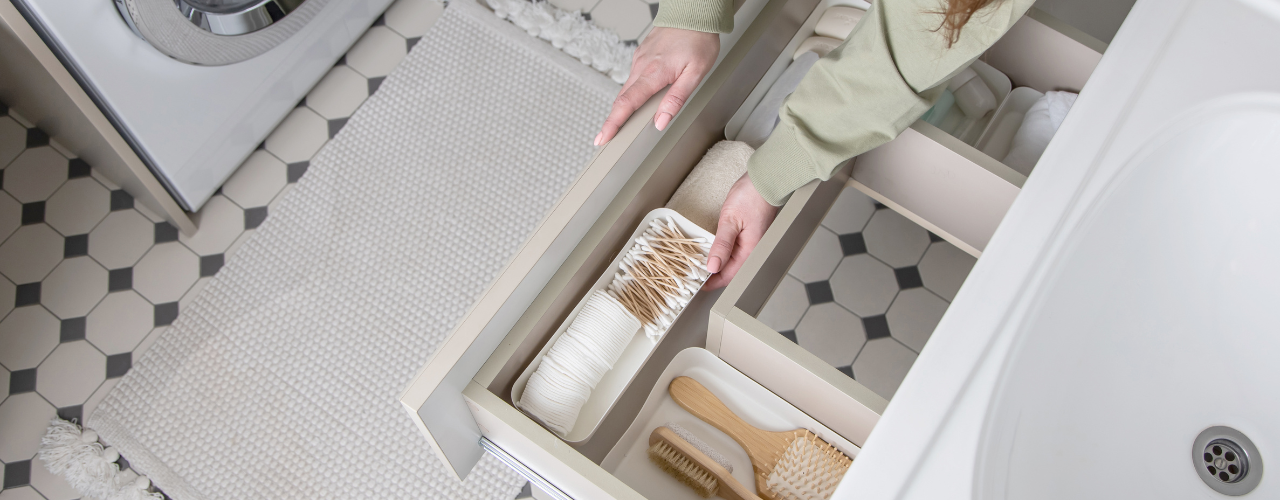
You already know why an organized bathroom is worth the effort, but let us remind you: it makes rushed mornings easier, keeps counters cleaner and just helps get you in the mood to go through your skincare routine like you should. Plus, in bigger households, it helps everyone find what they need. And you know how much a tidy bathroom counts for your self-esteem when a guest or a partner shows up. Luckily, you don’t need a degree to know how to organize your bathroom. The secret is keeping less, giving every item a home and making that home simple to use. Let’s go through some practical steps can help you create a bathroom that stays functional and nice to look at.

How to Use Silica Gel Packets for Storage
Moisture can cause significant damage to items in storage, leading to rust on tools, mold on clothing and warping in documents. Silica gel uses science to fix that. Often found in small packets inside product packaging, silica gel is a desiccant that absorbs moisture from the air, keeping your stored items dry and protected. This guide explains what silica gel is, how it works and how you can use it to preserve your belongings in self storage.