

Book donations make the world less lonely. Why? Well, a donated book is a link between two strangers who give their time to a third stranger: the author. Maybe that’s why New York City, whose huge population is bound to come with “strangers,” also ranks as the second-best city for book lovers in the U.S. If you’re moving, decluttering, or just want to share some joy and knowledge, this is a great way to spread the magic. Here are the 10 best places to donate books in NYC, based on our research.
1. Project Cicero
Picture a group of volunteers, from teacher to parents, uniting to redistribute good-quality books to under-resourced NYC public school classrooms, as well as libraries. Sounds good, right? That’s what Project Cicero has been doing for 25 years now.
Here’s how to donate:
- Donate new/gently used children’s and young adult books in good condition via school and community book drives or other listed partners.
- Each March, use their site or partner announcements to find collection points or arrange a larger drop-off through their contact channels.
2. Brooklyn Book Bodega
Brooklyn Book Bodega homes in on something that is becoming a public health issue: Book deserts, meaning places where book scarcity mars the emotional health of children. To fight this issue, Brooklyn Book Bodega builds home libraries for NYC kids 0–18 by giving away free books at community and school events. And they’re serious about increasing readership: They even host book parties!
How to donate:
- Donate “giftable” children’s and young adult books (ages 0-18, including multilingual and nonfiction) in very good condition.
- Use their Book Drop Locations page to find current Brooklyn drop sites and bring sorted books during the listed hours.
3. The Book Fairies
It’s one thing to borrow a book, and another thing to have it as your own personal friend. That’s where The Book Fairies saves the day on both fronts: setting up libraries and increasing book ownership among kids in book deserts, Title I schools and shelters.
How to donate:
- Give only good-condition, recent books (kids–adult, plus recent textbooks, activity books, comics/manga) that meet their guidelines.
- From NYC, either drop off at a listed partner site or the Hicksville Book Bank, schedule a pickup for 5+ boxes in Eastern Queens, or ship via Media Mail to their Hicksville address.
4. Little Free Library
It’s the universal sign for community wholesomeness: If you see a Little Free Library, you just know you’re in a good place. Now, a worldwide network of neighborhood “Take a Book. Share a Book.” boxes, Little Free Libraries offer always-open, hyperlocal access to free books. To give you an idea, NYC has about 28 of them.
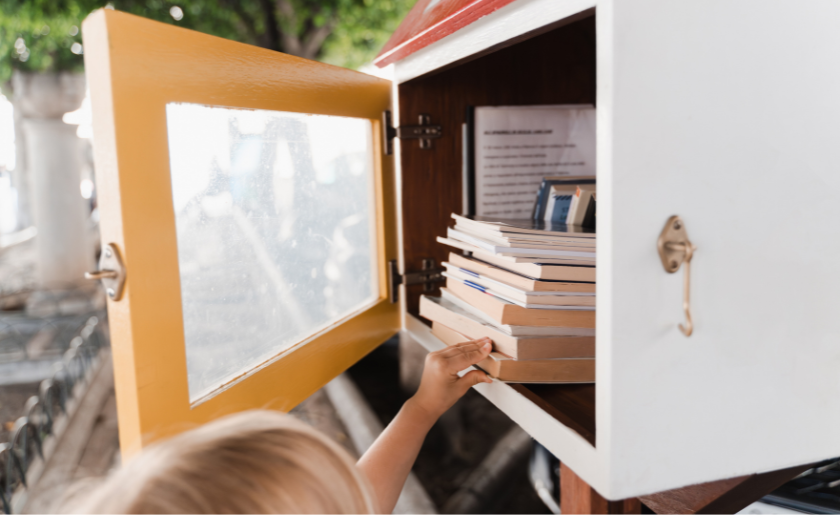
How to donate:
- Use their app map to find nearby Little Free Libraries, then bring clean, readable books you’d give a neighbor, especially kids’ titles and diverse authors.
- Place a few books in each box without overfilling, spreading large donations across multiple libraries over several trips.
5. Books Through Bars NYC
A book that gets a second life can help someone get a second chance: That’s the philosophy at Books Through Bars NYC, a volunteer-run Brooklyn group that fulfills book requests from incarcerated people. As such, they send educational, legal, and recreational paperbacks to prisons nationwide.
How to donate:
- Follow their list of needed subjects and donate only good-condition paperbacks (no marking, most hardcovers refused).
- Email or DM them for approval, then bring limited boxes to 123 Columbia Street during posted hours; do not mail or drop without permission.
6. New York Public Library
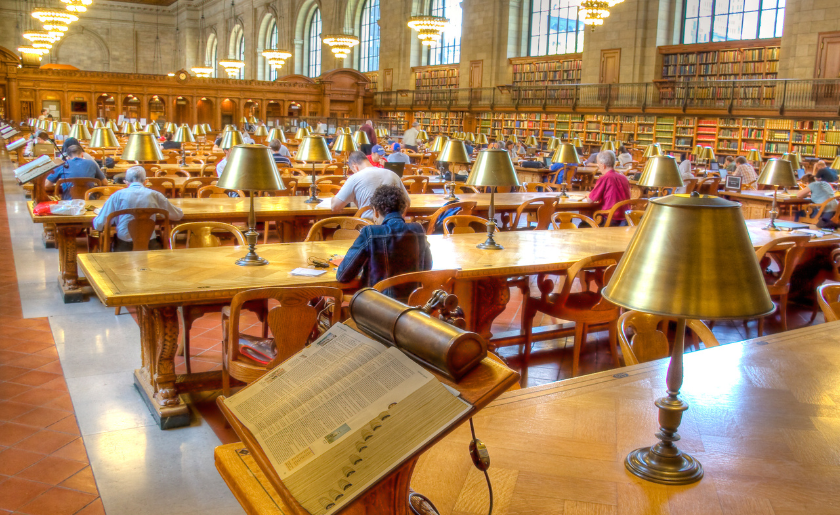
The New York Public Library system has been a stalwart for the city’s readership for 130 years now, and book donations are a large part of its history. In 1901, NYPL merged with the New York Free Circulating Library, which had been providing people with free books and reading rooms for 20 years at that point. Today, that legacy still lives on: NYPL is free for anyone who lives, works, attends school, or pays property taxes in the State of New York.
How to donate:
- NYPL does not take general unscreened drop-offs; instead, some branches (e.g., Webster, Saint Agnes) accept donations for book/media sales. Call first.
- Bring agreed-upon books/media during set times, or email about rare/special materials; if they cannot accept, redirect to other NYC literacy nonprofits.
7. Big Reuse (Brooklyn Center)
For the eco-conscious readers, Big Reuse makes an especially strong case: An environmental nonprofit that fights to keep books and other materials out of landfills. Your college textbooks, your old law books, can all find a proper safe haven here.
How to donate:
- Include books in usable condition as part of your reusable-item donations.
- Bring donations to the Brooklyn Reuse Center during posted hours, checking the site first for any restrictions.
8. Room to Grow
Here’s a non-profit that has been providing over 6,000 families with support and resources for nearly 30 years. An exemplar in building community connections, Room to Grow helps low-income families with babies/young children with essential goods, coaching, and connections, including early-literacy materials.
How to donate:
- Give baby, toddler, board, and picture books in English and Spanish, in like-new condition.
- Schedule a drop-off at the South Bronx Family Center or mail books; confirm details and any pickup fees for larger quantities.
9. Reading Reflections
Recently founded yet rapidly growing, Reading Reflections is a volunteer-driven nonprofit that collects children’s and young adult books to supply schools, organizations, and social workers locally and in underserved communities abroad. Right now, it is Long Island’s largest book donation and collection center.
How to donate:
- Donate good-condition children’s and YA books that are appropriate for school and youth settings.
- Use their NYC/nearby drop locations for small volumes or contact them to coordinate pickup or a larger drop.
10. Sweet Pickle Books
With NYC bookstores thinning out in recent years, let’s finish off the list by shouting out the local legend that is Sweet Pickle Books. This Lower East Side shop has found a winning formula: Trading pickles for used books. Good for the soul and your microbiome!
How to donate:
- Bring at least five clean, good-condition books to Sweet Pickle Books at 47 Orchard Street on their designated swap days (typically midweek).
- For larger batches or to confirm current swap hours and guidelines, check their social media or call ahead.
Self storage for books in NYC
You should donate your books when the timing feels right, and self storage can help you bridge the gap until then. Climate-controlled storage is especially important as it protects books from humidity and temperature swings, so they stay in donation-ready condition (because you don’t want to wake up with a bunch of books damaged by humidity).
And in a city where apartments average just 668 square feet, a small climate-controlled unit can make a difference, especially for storing books and keeping them in good condition. Self storage is far more affordable than residential rent, and while prices vary by neighborhood, there are still plenty of good options. On average, storage units in NYC rent for $248 a month, with lower-cost units available in Hunts Point ($119) and Concourse Village ($136).
To sum up
New York has a long tradition of turning surplus books into shared public goods. For instance, the American Women’s Association set up a “Book Sharing Week” in the 1930s to collect a million volumes for hospitals, prisons, and other institutions. You, too, can become part of this intergenerational network of strangers, one book at a time.



America’s Top Snowbird Destinations for 2026–2027: Florida Leads in Numbers, Texas Wins on Value
For Americans living in colder states, the approach of winter is reason enough to start looking south. Cold weather carries costs that go beyond the heating bill and shoveling snow. Seasonal affective disorder(opens in new tab) is far more prevalent in northern states, so a temporary move south isn’t simply an escape from the cold, but a chance to spend the hardest stretch of winter outdoors and in the sun.
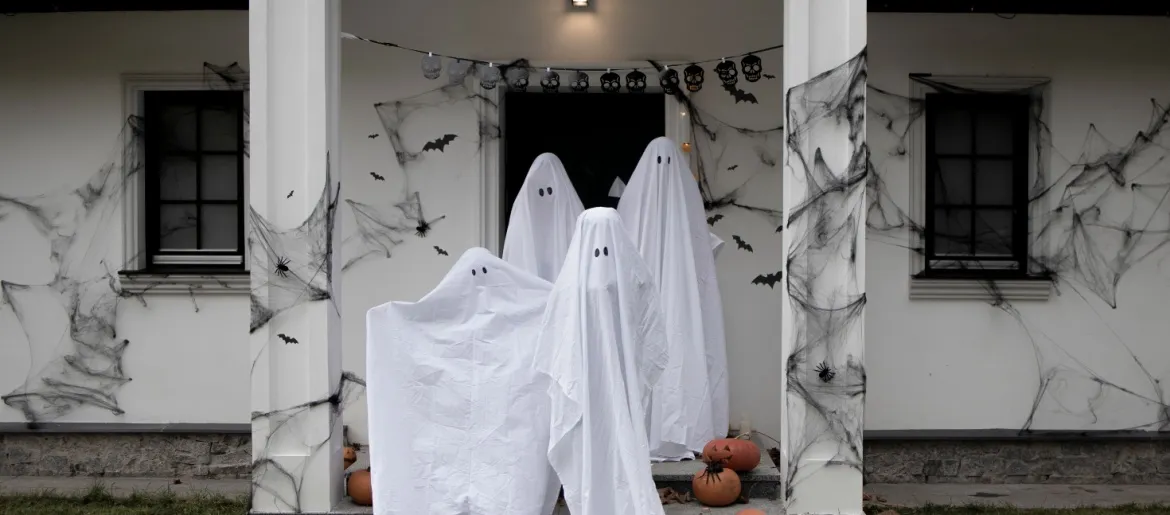
How much does Halloween really cost in 2026? Plan wisely to avoid the scare of hidden costs
Americans’ love for Halloween is almost frightening — this year alone, we are on our way to spending $13.5 billion, according to data from the National Retail Federation(opens in new tab). That breaks down to about $115 Halloween costs per person, a whopping 49% more than 10 years ago.
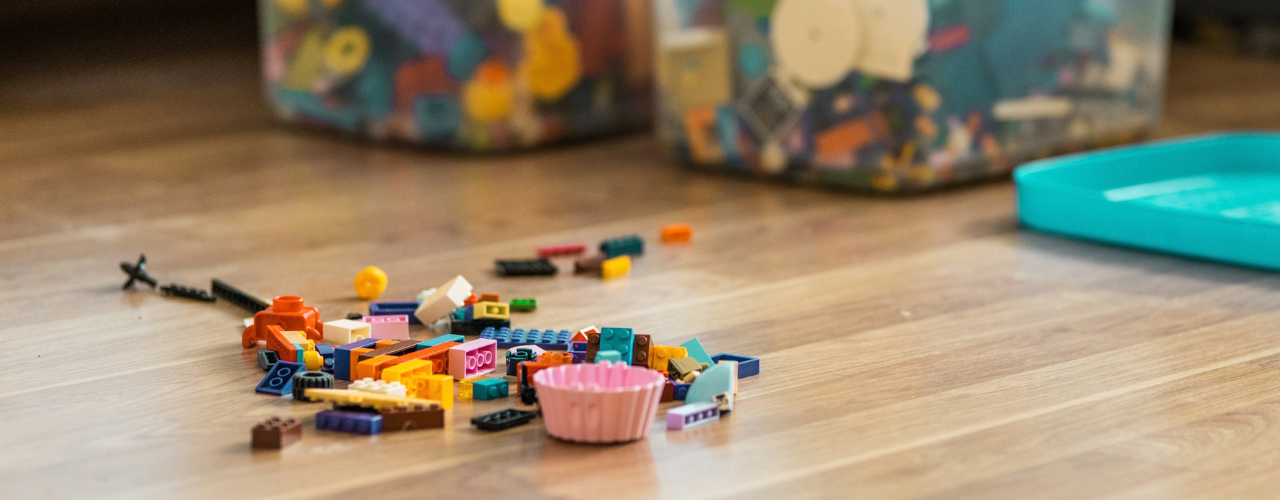
How to Store LEGOs: All the Fun, None of the Clutter
How to store LEGOs largely comes down to how your household uses them. If the bricks are part of everyday play, you need a setup that keeps them within easy reach and makes cleanup quick (for your feet’s sake, at least). Toy storage(opens in new tab) such as simple bins, playmats or containers that children can put away themselves may be enough. Larger or more serious collections usually need more organization, such as labelled drawers for loose pieces, trays for unfinished builds, shelves for completed models and separate storage for retired sets.
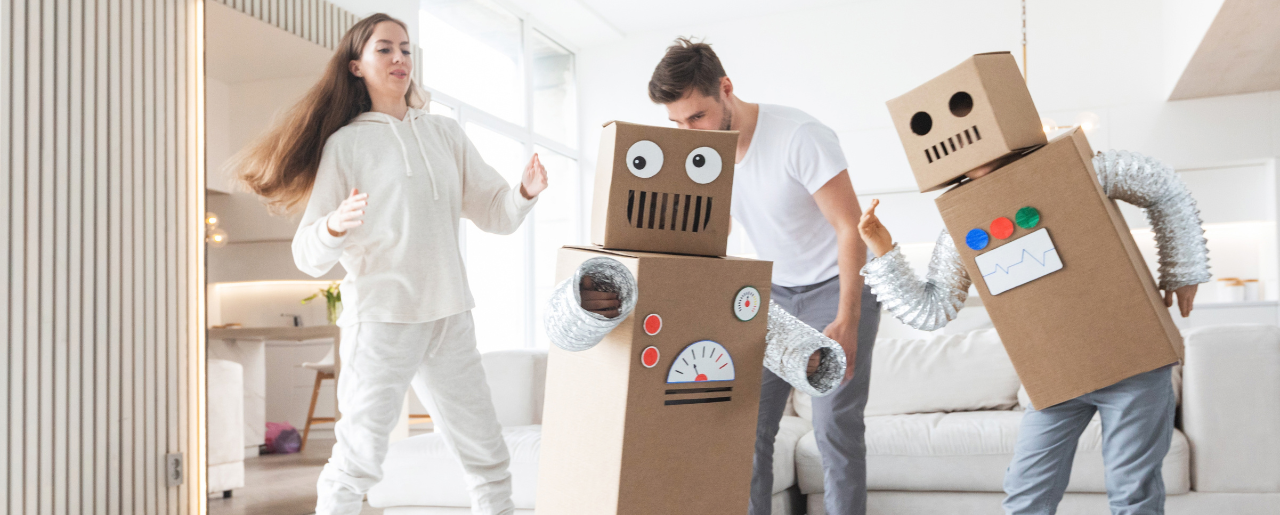
Cardboard Costume Guide: Tips and Ideas for a DIY Halloween
Whether for kids or adults, cardboard costume ideas often make the biggest splash once materialized, and that’s for a simple reason: doing a lot with a little is a universally impressive feat (especially in this economy). If you don’t have enough boxes you could temporarily repurpose, don’t worry! There are many places where you can find free moving boxes(opens in new tab), from stores and supermarkets to online groups and recycling drop-off spots. On the run? Try your luck at a self storage(opens in new tab) facility that sells moving supplies, often for cheap. This way, you can choose moving boxes of different shapes and sizes(opens in new tab), so you can make your costumes as complex as you want.
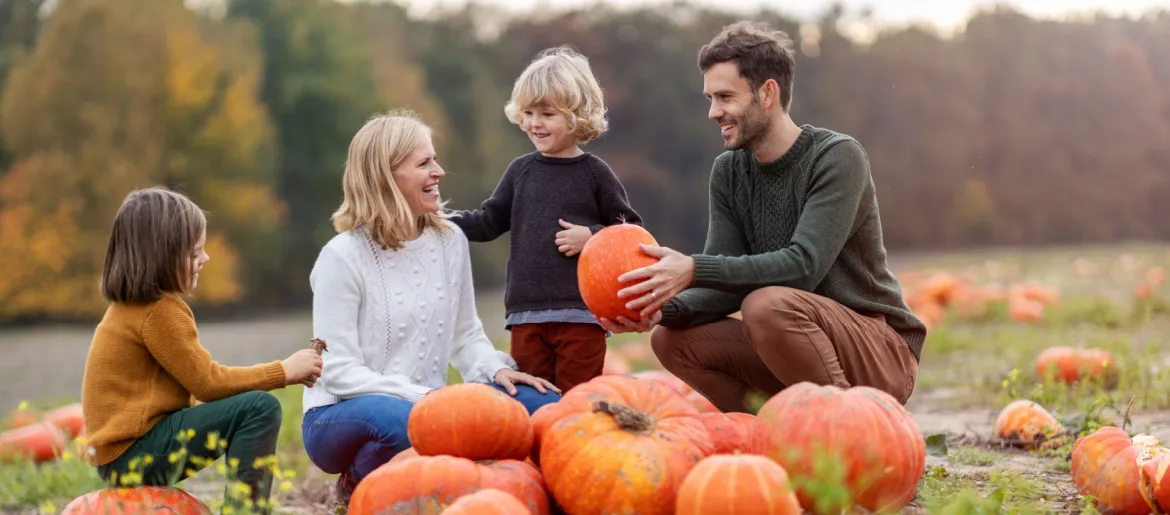
How to Celebrate Halloween: 9 Non-Spooky Ways To Enjoy It
As soon as October starts, it’s the official Halloween month. And while for many people it means it’s open season to get the scare of a lifetime, others, especially families with small children, might prefer to celebrate in a tamer way that’s both kid- and adult-friendly. While you’re likely to find more events where the spook factor is high, here’s how to celebrate Halloween in a not-so-scary way:

Motorcycle Storage Guide: How to Store Your Bike Safely
Motorcycles may be born to be wild, but eventually even the wild ones need somewhere to park. Whether riding season is winding down or your current living situation comes with plenty of square footage for you and less for your bike, motorcycle storage is one of those parts of ownership that doesn’t get as much airtime as the open road.

Halloween Decorating on a Budget (And Cheap Ideas for Everything Elsee)
Halloween has crept a long way from its eerie origins. While All Hallows’ Eve has transformed through the centuries, it wasn’t until the 1930s that trick-or-treating became a tradition in the U.S. and businesses began conjuring up mass-produced Halloween costumes. Now, Halloween is a monster-sized, billion-dollar industry, with a cauldron full of costumes and decorations ranging from the mainstream to the macabre. But is it all really worth your wallet? Maybe, but we’ll let you in on a little secret: You can keep your Halloween decorating on a budget and save on everything else, too. Take this plan and see it through!

Moving From a House to an Apartment: What to Expect, How to Downsize & How Self Storage Helps
For some, moving from a house to an apartment is a financial decision. For others, it’s about simplifying life. Maybe the kids have moved out and half the house sits empty, or you’re approaching retirement and no longer want to spend weekends on repairs. Or perhaps you’ve been weighing the cost of buying a home and wondering whether renting simply makes more sense right now.
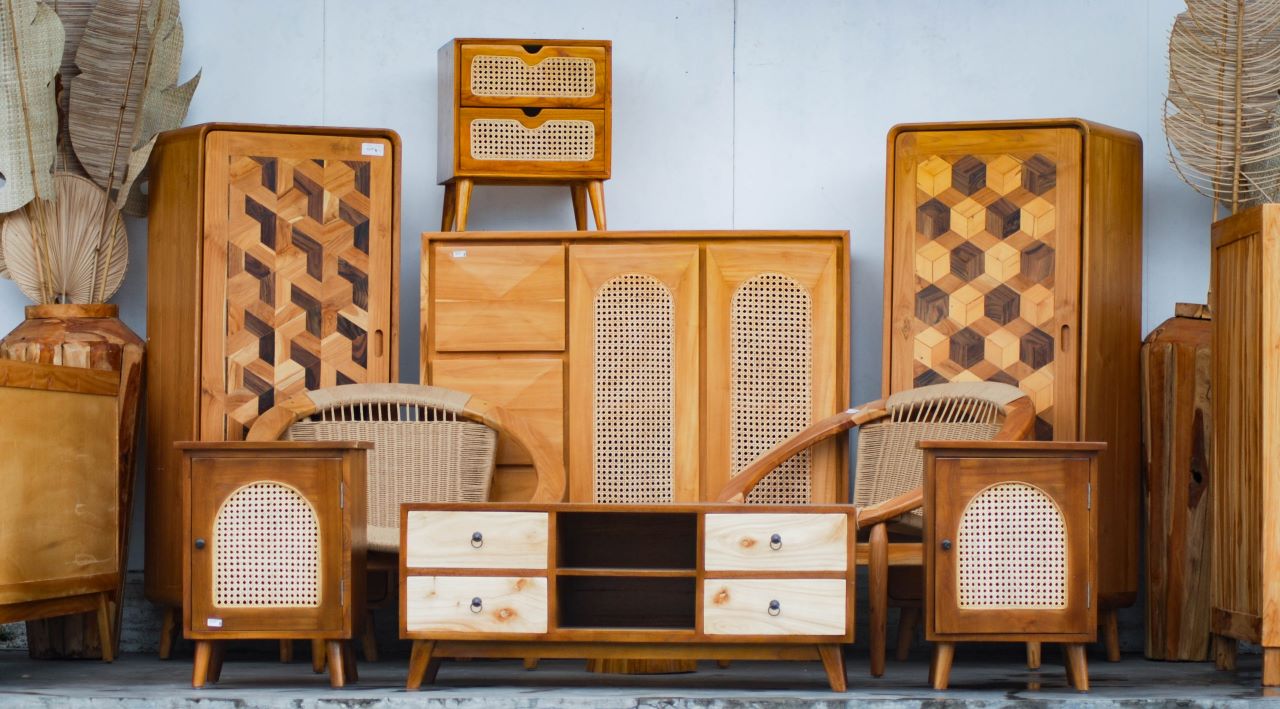
Family Heirlooms Overload: How to Handle Family Inheritance Without Regret
Handling family heirlooms after a loss requires managing legal authority, emotional pressure and practical logistics at the same time, and the order you take them on matters more than most people expect.