

When you’re buying your first home, your relationship with a real estate agent can either be a smooth, easy-going experience for you or a complete nightmare. If you and your agent aren’t a match, it’ll take longer for you to find the perfect home, or your current home may never sell.
To make sure you’re working with the best agent for your needs, here are five questions every buyer or seller should ask prospective real estate agents before working with them.
After earning a real estate agent license, agents should be equipped with enough knowledge to answer your questions. Many complete their training through formal coursework or accredited real estate classes online, which offer flexible, comprehensive education on everything from contracts to market analysis. However their personality still matters. When vetting your agents, focus on how they respond as well as the answers they provide in order to find the agent you want to work with.
Which local self storage company do you recommend?
When you’re selling your home, agents will stress the importance of staging your house because it makes potential buyers feel more at home. Sellers will need a place to store unneeded furniture in the meantime, which is where self storage comes in.
Buyers may need a storage option, too, if they’re selling a home or don’t have space in their new house. They can put furniture, appliances and other things in there until room can be made for them. Regardless of why you need a self storage unit, for maximum convenience and peace of mind, you will probably want to make sure that it is accessible 24 hours and has a high level of security.
Do you work with both buyers and sellers?
Some real estate agents work with both buyers and sellers to expand their customer base, but these agents may not be the best option for you. Sometimes an experienced real estate agent can wear both hats and offer insight on either side of the process. Still, it’s better to work with a specialized agent because they’re more knowledgeable about your side of the process and likely have an established sales network.
How many homes have you sold in your career?
Most agents work part-time, especially when starting out, because they have another full-time job, or they might be partially retired. Full-time agents are more likely to devote more time to your needs. However, if they have a good track record, don’t count them out just yet.
If your agent of choice has had many years in the game and can sell homes quickly despite being part-time, you should consider choosing them over a full-time agent. Real estate agents close an average of 10 homes per year, so if they’re selling above that, nab them immediately.
Do you have references I can call?
While it’s good practice to research your agents online before you hire them, it’s better to speak to their past customers. If you hired an agent who is newly employed at their company, you could call their references. Even if your agent’s information is available on social media, it doesn’t tell you the full story.
Always verify your new agents with the same rigor any manager use would who is thinking about hiring them. If your agent can’t produce a list of satisfied clients, do what any other employer would do and move on. They may have something to hide, and it’s probably not worth looking into it.
How do you want to be compensated?
Real estate agents are typically paid a percentage of the commission the listing broker earns on the transaction. For example, if an agent sells a $200,000 home at a 6% commission rate, this equals a total commission of $12,000. Both the agent and the broker earn $6,000 each.
Although it’s tempting to hire an agent with a lower commission rate (or negotiate for one) to save money, they’ll likely to be inexperienced at selling homes. The average commission rate is 5.8%, so stick around that amount for a better experience.



Moving From a House to an Apartment: What to Expect, How to Downsize & How Self Storage Helps
For some, moving from a house to an apartment is a financial decision. For others, it’s about simplifying life. Maybe the kids have moved out and half the house sits empty, or you’re approaching retirement and no longer want to spend weekends on repairs. Or perhaps you’ve been weighing the cost of buying a home and wondering whether renting simply makes more sense right now.

Family Heirlooms Overload: How to Handle Family Inheritance Without Regret
Handling family heirlooms after a loss requires managing legal authority, emotional pressure and practical logistics at the same time, and the order you take them on matters more than most people expect.
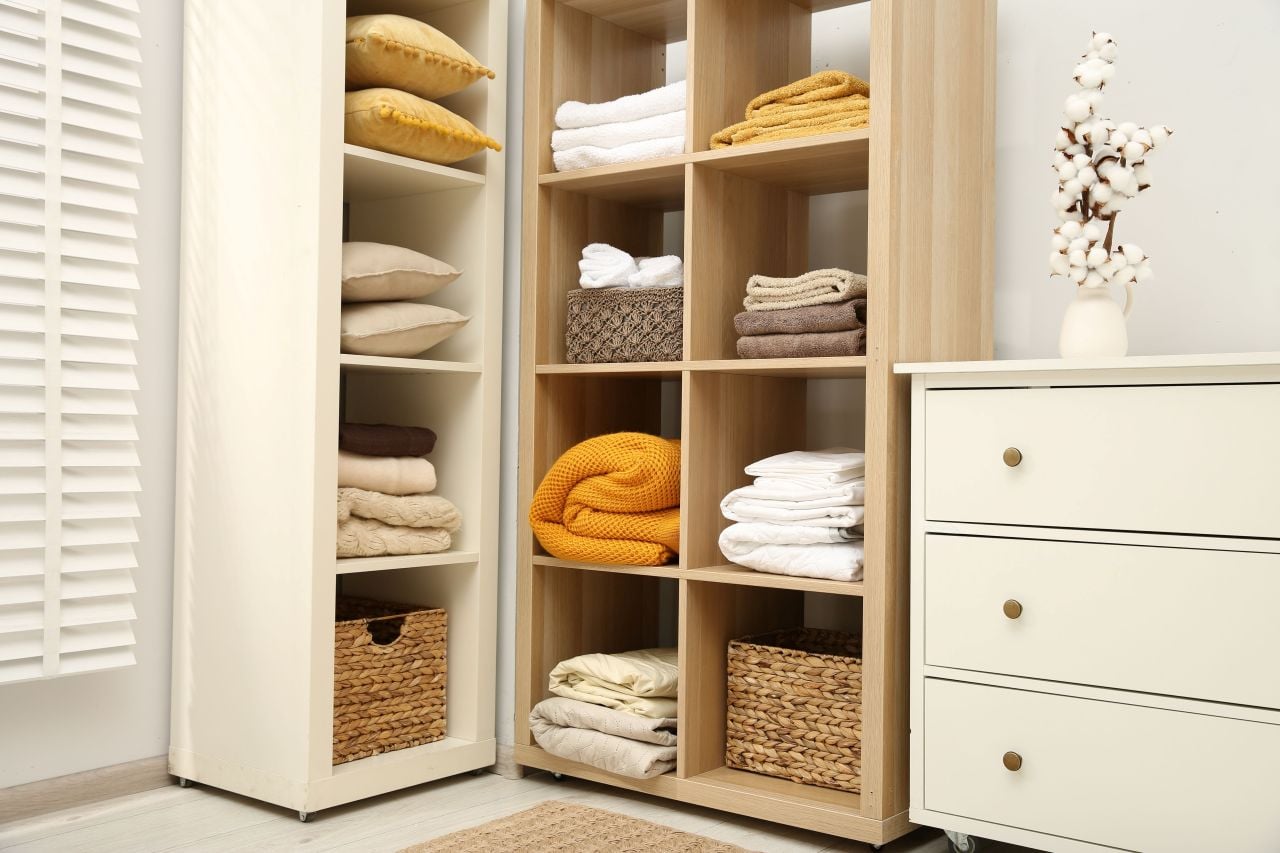
Blanket Storage: The Right Method for Every Space and Season
Blankets make our lives cozier, and storing them well is what keeps them soft and comfortable in the long run. Knowing how to store a blanket properly means your favorites come out of storage smelling fresh, feeling the same as when they went in, and lasting years longer than they otherwise would.

Board Game Storage Ideas That Keep Your Collection in Fighting Shape
Nobody warns you that getting into board games usually unlocks a second hobby, the much dreaded one that includes figuring out where on earth to put them. One game becomes a few, expansions start spawning beside their base boxes and before long, board game storage requires as much strategy as whatever is waiting on the other side of those lids.

Storage Locker vs. Storage Unit: What’s the Difference?
A locker and a unit may sound like two names for the same four walls and a lock, and depending on the storage facility, you may even see the terms used that way. However, once you start comparing available spaces, storage lockers tend to occupy the smaller end of the spectrum, while storage units(opens in new tab) give you considerably more room to work with.

Storage Ideas for Small Spaces: 9 Ways to Max Out Your Home
A messy home contains the seeds of its organization. Those seeds are everywhere: the space above doors, under beds, behind sofas and inside furniture can all become storage. Here are the best storage ideas for small spaces, so you can make the most of your cozy home.

Best U.S. Cities to Live Uncluttered: Plano, TX, Offers the Most Room to Breathe
Clutter is in our homes as much as in our heads. Both are shaped by where we live.
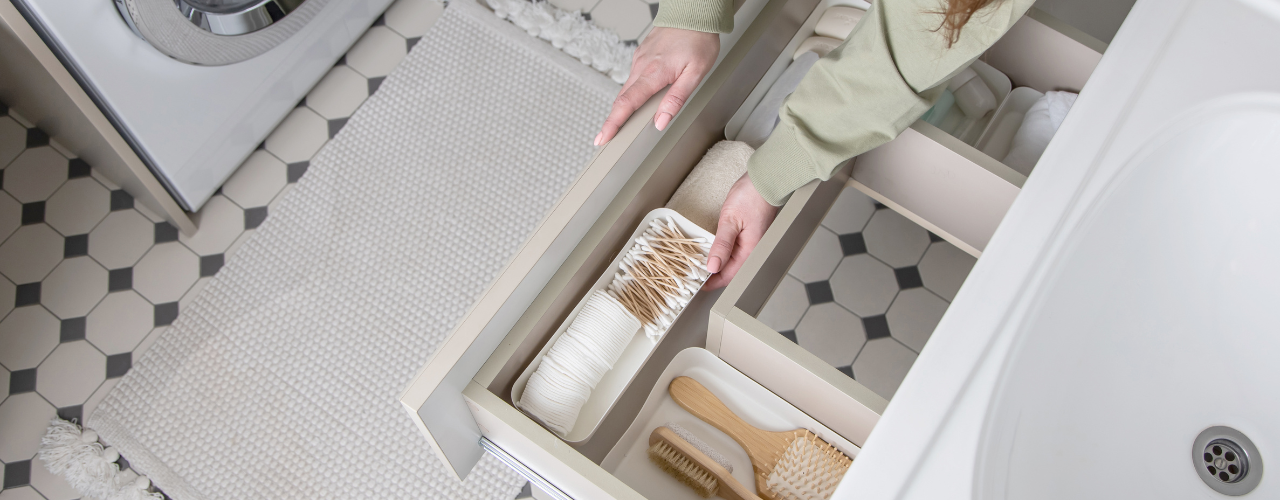
How to Organize Your Bathroom: 8 Ways to Stay Tidy
You already know why an organized bathroom is worth the effort, but let us remind you: it makes rushed mornings easier, keeps counters cleaner and just helps get you in the mood to go through your skincare routine like you should. Plus, in bigger households, it helps everyone find what they need. And you know how much a tidy bathroom counts for your self-esteem when a guest or a partner shows up. Luckily, you don’t need a degree to know how to organize your bathroom. The secret is keeping less, giving every item a home and making that home simple to use. Let’s go through some practical steps can help you create a bathroom that stays functional and nice to look at.

How to Use Silica Gel Packets for Storage
Moisture can cause significant damage to items in storage, leading to rust on tools, mold on clothing and warping in documents. Silica gel uses science to fix that. Often found in small packets inside product packaging, silica gel is a desiccant that absorbs moisture from the air, keeping your stored items dry and protected. This guide explains what silica gel is, how it works and how you can use it to preserve your belongings in self storage.