

As we all know, life can be unpredictable. Unexpected events such as natural disasters, a sudden medical diagnosis or a new move can not only take a toll on your peace of mind, but also cause you to forget — or even lose — the cherished photos and memories you have scattered around the house that are unorganized and unprotected.
Your pictures, unique memories, family heirlooms and other memorabilia are one of a kind. They deserve to be treasured, organized and kept alive for generations to come! What you don’t want is to be in the middle of a great family story, have a perfect picture in mind that you’d like to share, but ultimately find the photo damaged, misplaced or lost forever. That’s why it’s essential to keep these precious family mementos organized and stored safely!
Since so many of our favorite events, milestones, and valuable memories with loved ones are captured in photos that we can come back to time and time again, they deserve to be properly cared for so they can stand the test of time as well as be easily accessed, shared and enjoyed for generations to come.
Here are a few steps you can take to ensure that you are preserving your precious photos of the past so you can enjoy them in the future.
1. Set up your photo inventory
A great way to get started preserving your precious memories is to gather all of your memorabilia or photo boxes that are scattered around the house and start digging out those hidden treasures. Every family photo, home video or box of slides tells a story that wants to come back to life and be shared with your loved ones, so make sure you gather them all together!
Begin by getting everything into one place — even if it’s a lot. Then prepare some materials such as sticky notes, sorting boxes or external hard drives — these will help you organize when you get to the next step. Afterwards, take an inventory of your collection.
This initial step will help you develop and implement a photo sorting and organizing system that best fits your needs and can help you maintain an organized photo collection as it continues to grow.
2. Organize your photos
Who doesn’t love taking photos to highlight happy moments in time that we can look back on when we need a smile or some comfort? However, if we lose track of our collection or if it becomes a mess, our stress kicks in, and what used to be comforting now becomes overwhelming — we’ve been there too!
When it comes to organizing your photos, there are a variety of ways to do this, depending on your needs and preferences. The main goal is to get all of your photos and memorabilia sorted, ordered and easily accessible.
Then, your collection of photographic memories can come alive through photo books, slideshows and framed prints that you can enjoy anytime.
Here are a few ways you can get started organizing your photos:
- Organize your photos chronologically: This process is perfect for anyone looking to capture their unfolding life story as it has been lived — chronologically! You can create a timeline of your life’s journey by documenting major events, making it easier to track and identify photos as you organize. You can then create index cards that correspond with these dates, placing them in front of each group of photos that fall under the date listed on the card.
- Organize your photos in groups: This is the right option when chronology is difficult to determine. These groups can be based on a specific occasion or category. Some common examples include weddings, graduations, annual family trips and your beloved pets.
- Organize your photos through facial recognition and keywords: If you want the ability to find photos in your collection by filtering for specific people or particular search terms, this approach is for you. Assigning facial recognition and keywords to your photos allows you to easily search by various criteria. For example, this method enables you to find photos of your children with their grandparents to print out for a holiday gift.
3. Store your photos
It’s always heartbreaking when someone loses precious family photos and sentimental items due to life’s unexpected events like a natural disaster. That’s why it is so important to not only keep your photos organized but also safely stored in case the inconceivable were to happen.
Boxes of family photos and mementos can be cherished forever and kept alive if you:
- Store your printed photos in a clean and safe place: Archiving your photos and memorabilia in a storage environment protected from external elements such as heat and water helps preserve them over time so they can be enjoyed by generations to come. Ideally, your photo storage should be in a climate-controlled space away from water heaters and appliances such as washing machines that could put your photos at risk. A self storage unit can fulfill all these requirements when there is not enough spare room at your place. Additionally, it is recommended that you store your photos in archival-quality boxes.
- Backup and store your digital collection on an external hard drive and at a cloud-based location: Storing your collection in multiple locations is a smart way to ensure that your photos are truly protected, while giving you access to a downloadable digital collection, if it is ever needed. A user-friendly, online storage solution to consider is SmugMug. It provides various levels of privacy, an easy-to-use search functionality and a free app for your phone enabling you to view and share your photos from anywhere.
4. Display and share your photos
Taking photos is the best way to capture those special moments so they can be remembered and enjoyed for years to come. However, if you never look at them, you aren’t able to enjoy reliving the memories.
- Display your photos in a traditional or digital frame: The current era of technology allows us to immediately update digital photo frames directly from our phones and keep them current. This means that those special events, family gatherings, and exciting trips can be easily viewed, bringing an unexpected smile. A more intimate and classic option consists of displaying or hanging printed photos throughout your home, embodying powerful reminders of love and laughter.
- Display your photos in books and albums: Photo books are an upgraded version of bulky photo albums, offering a beautiful solution to displaying your photographic memories. There are so many options including a variety of sizes, textures and designs, but the biggest benefit is that you can simply reprint a book if it becomes damaged or lost. An added benefit is that these are unique and special gifts!
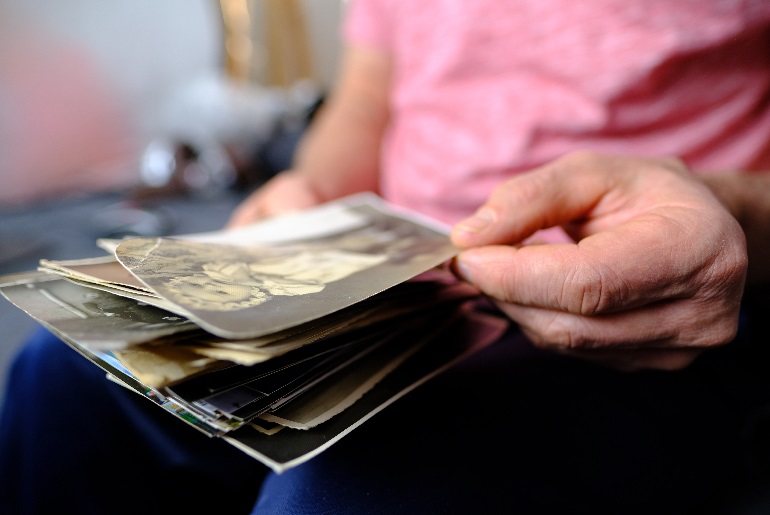
For more photo organizing tips and tricks, you can leave it to the work of a professional photo organizer to help you protect and perpetuate your photographic legacy. There’s no easier way to be reminded of your family’s precious moments than owning a carefully arranged photo collection that you can share with your loved ones and relive old memories. Take some time to gather and look through your photos and decide which of these photo organizing and safeguarding alternatives work best for you.
Having an overwhelming number of photos that are unorganized, and the feeling of anxiety that comes with that, doesn’t have to be the norm. These techniques can help you create a simple, structured, and secure photo system that helps you keep your precious photos organized and safe, so you can share them for generations to come!
About the author: Rachel Arbuckle is the founder of 2000 Paces Photo Organizing, a San Diego-based photo organizing business dedicated to providing authentic and compassionate solutions that transform scattered photos and memorabilia into well-preserved and organized collections to be easily shared and enjoyed for generations.



America’s Top Snowbird Destinations for 2026–2027: Florida Leads in Numbers, Texas Wins on Value
For Americans living in colder states, the approach of winter is reason enough to start looking south. Cold weather carries costs that go beyond the heating bill and shoveling snow. Seasonal affective disorder(opens in new tab) is far more prevalent in northern states, so a temporary move south isn’t simply an escape from the cold, but a chance to spend the hardest stretch of winter outdoors and in the sun.
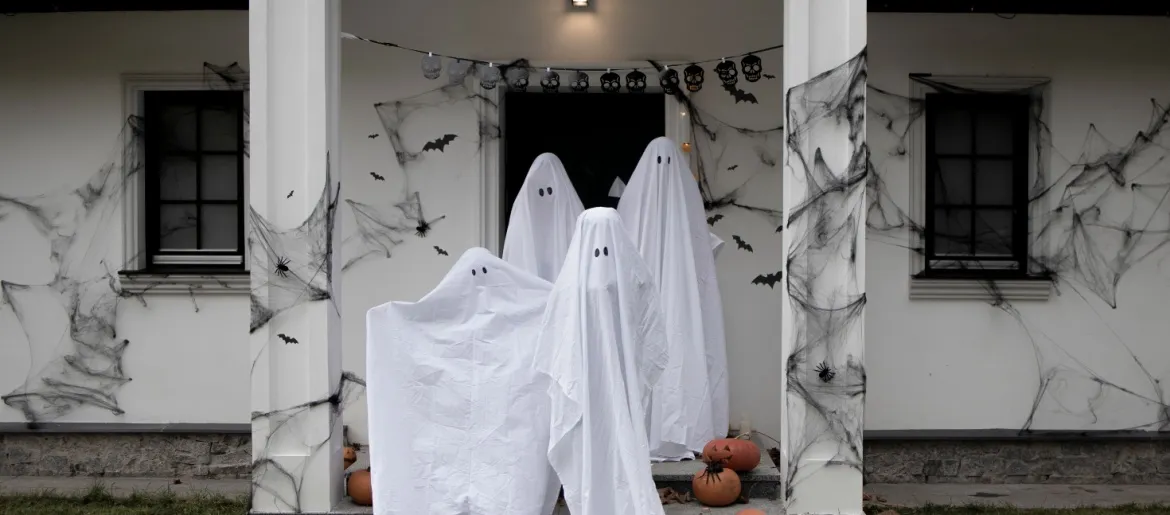
How much does Halloween really cost in 2026? Plan wisely to avoid the scare of hidden costs
Americans’ love for Halloween is almost frightening — this year alone, we are on our way to spending $13.5 billion, according to data from the National Retail Federation(opens in new tab). That breaks down to about $115 Halloween costs per person, a whopping 49% more than 10 years ago.
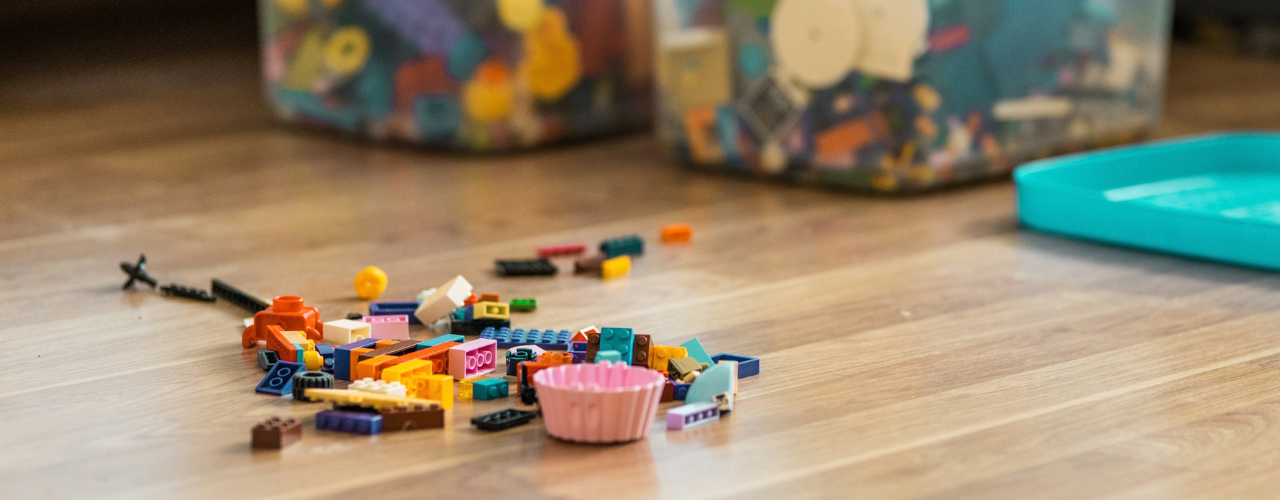
How to Store LEGOs: All the Fun, None of the Clutter
How to store LEGOs largely comes down to how your household uses them. If the bricks are part of everyday play, you need a setup that keeps them within easy reach and makes cleanup quick (for your feet’s sake, at least). Toy storage(opens in new tab) such as simple bins, playmats or containers that children can put away themselves may be enough. Larger or more serious collections usually need more organization, such as labelled drawers for loose pieces, trays for unfinished builds, shelves for completed models and separate storage for retired sets.

Cardboard Costume Guide: Tips and Ideas for a DIY Halloween
Whether for kids or adults, cardboard costume ideas often make the biggest splash once materialized, and that’s for a simple reason: doing a lot with a little is a universally impressive feat (especially in this economy). If you don’t have enough boxes you could temporarily repurpose, don’t worry! There are many places where you can find free moving boxes(opens in new tab), from stores and supermarkets to online groups and recycling drop-off spots. On the run? Try your luck at a self storage(opens in new tab) facility that sells moving supplies, often for cheap. This way, you can choose moving boxes of different shapes and sizes(opens in new tab), so you can make your costumes as complex as you want.
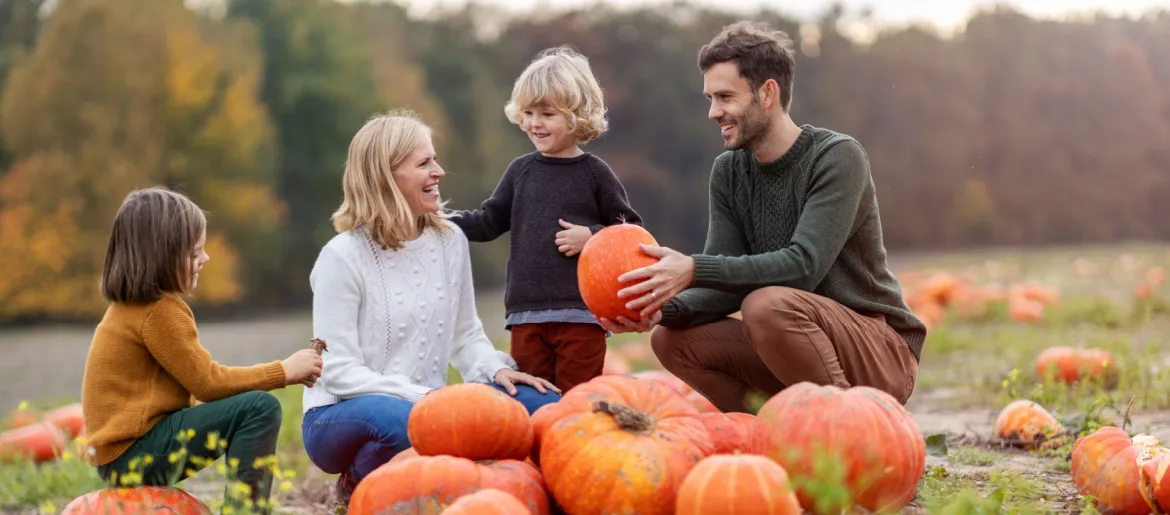
How to Celebrate Halloween: 9 Non-Spooky Ways To Enjoy It
As soon as October starts, it’s the official Halloween month. And while for many people it means it’s open season to get the scare of a lifetime, others, especially families with small children, might prefer to celebrate in a tamer way that’s both kid- and adult-friendly. While you’re likely to find more events where the spook factor is high, here’s how to celebrate Halloween in a not-so-scary way:

Motorcycle Storage Guide: How to Store Your Bike Safely
Motorcycles may be born to be wild, but eventually even the wild ones need somewhere to park. Whether riding season is winding down or your current living situation comes with plenty of square footage for you and less for your bike, motorcycle storage is one of those parts of ownership that doesn’t get as much airtime as the open road.

Halloween Decorating on a Budget (And Cheap Ideas for Everything Elsee)
Halloween has crept a long way from its eerie origins. While All Hallows’ Eve has transformed through the centuries, it wasn’t until the 1930s that trick-or-treating became a tradition in the U.S. and businesses began conjuring up mass-produced Halloween costumes. Now, Halloween is a monster-sized, billion-dollar industry, with a cauldron full of costumes and decorations ranging from the mainstream to the macabre. But is it all really worth your wallet? Maybe, but we’ll let you in on a little secret: You can keep your Halloween decorating on a budget and save on everything else, too. Take this plan and see it through!

Moving From a House to an Apartment: What to Expect, How to Downsize & How Self Storage Helps
For some, moving from a house to an apartment is a financial decision. For others, it’s about simplifying life. Maybe the kids have moved out and half the house sits empty, or you’re approaching retirement and no longer want to spend weekends on repairs. Or perhaps you’ve been weighing the cost of buying a home and wondering whether renting simply makes more sense right now.
Family Heirlooms Overload: How to Handle Family Inheritance Without Regret
Handling family heirlooms after a loss requires managing legal authority, emotional pressure and practical logistics at the same time, and the order you take them on matters more than most people expect.