

Owning a home is a goal for many Americans, and there are two main avenues for becoming a homeowner – buying a home, which is what most people do, or building one. Each option has its pros and cons – from budget and location to timeline and potential setbacks, so it’s important to know what to expect before taking either route.
Here’s a breakdown of the most important factors to consider when deciding whether to buy an existing home or build one.
Budget
According to research from the National Association of Home Builders, the national median price of a new home was roughly $445K as of May 2022, while an existing home called for $415K on average. Prices will naturally vary based on location and other factors, and homes in some in-demand markets like San Jose and San Francisco will call for prices in excess of $1M on average.
Building a home from scratch follows a similar trajectory, with costs ranging around $300K on average, excluding the cost of land. Just like in the case of buying, variations exist depending on where you plan to build, but generally available lots are scarce and pricey, so you can expect costs to start spiraling once you factor in land costs.
Additionally, you have to pay an architect to draw up your plans and, in some cases, pay to bring utilities to your plot if the land is not in the immediate proximity of public utility connections. It’s also a good idea to use software solutions that manage and provide insights into the market so that building your home is based on reliable real estate data-informed decisions.
Financing the construction of a house is also more costly than getting a mortgage to buy an existing one. Most people take a mortgage to buy the land, then finance the construction through a construction fund, which typically comes with higher rates than your standard mortgage.
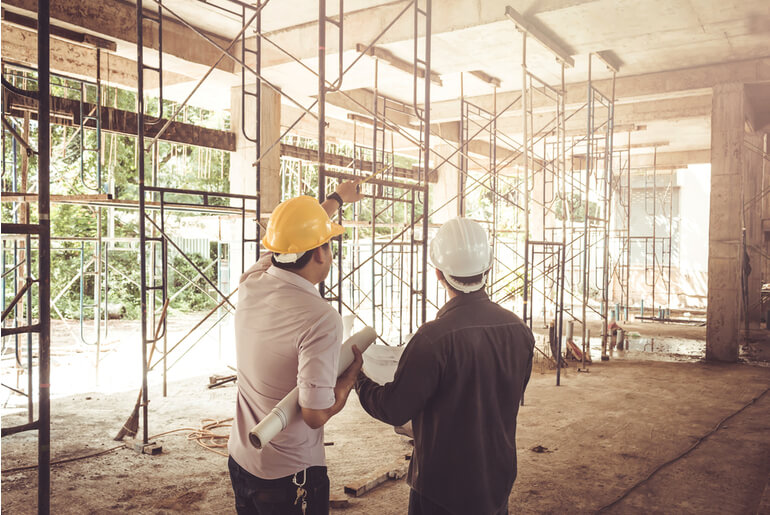
Another extra cost that those who are building a home incur is the rent they have to pay while the home is being built – and it adds up quickly, as it takes months, if not years, for the home to be move-in ready. Homebuyers, on the other hand, are able to move shortly after closing the deal.
There are circumstances that can reduce the costs of building a home – if you already own a plot of land, for example, or if you are capable of doing some of the work yourself (or with the help of family or friends). Also, you might be living in an area where contractors charge less than the national average or where certain construction materials are more affordable. However, these are exceptions rather than the rule, so, from a budget perspective, buying a home will most likely trump building one from scratch.
Location
Location is a huge factor to consider when talking about homeownership. The location of a house has a massive impact on its market value and most people seek to own a house in an established, popular area. However, if you’re planning to build your home, finding a plot of land suitable for building in in-demand areas can be difficult and costly. Lot sizes vary significantly in cities around the country, and in some places, the plot of land will not only take up a significant chunk of your budget, but it will probably be quite small and restrictive in terms of construction opportunities.
Another important thing to keep in mind if you’re shopping around for a plot of land is that land ownership doesn’t necessarily guarantee that you can build on it. As soon as you find something that you like, you must check property records and find the APN (assessor’s parcel number) for that respective plot of land. In this way, you can find out whether a parcel is approved for building or not.
If your goal is to own a home located conveniently in an area that offers you easy access to jobs, good schools, and amenities like shopping, dining out, entertainment and so on, without spending an arm and a leg on land, getting an existing home is your best bet.
All in all, from a location perspective, it’s usually preferable to buy an existing home than build one.
Timeline
The US Census estimates the timeframe for building a home at around 7 to 8 months. However, it is worth noting that this timeline mostly applies to homes in large-scale developments where a development company with a lot of experience does the work, and you can customize some of the characteristics (floor plans, upgrades and so on).
If you’re planning a fully custom home where you’re the “project manager,” this timeline can change dramatically. You have to first pay an architect to draw up the plans and have them approved by local authorities, then deal with utilities if the plot of land is not hooked up to public utility networks. Then, you must hire reliable and competent contractors to do the actual building work – and the construction site will be inspected multiple times by authorities who want to ensure everything is according to code.
Things like the weather and recent economic challenges such as supply chain issues and inflation will also impact your construction timeline and your budget. Therefore, it’s very difficult to estimate how long it will take until you’re able to move to your new home if you’re building from scratch.
When buying a home, finding one that suits your needs and fits your budget is the part that really takes time – depending on the real estate market in your area, it can take months or more. However, once you find the home and your offer is accepted, you can realistically expect to move in within a few weeks.
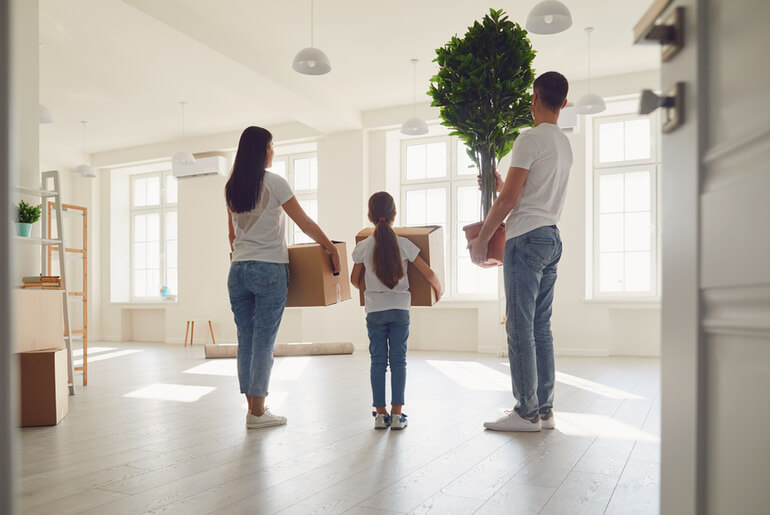
So, by the time you are actually spending money (paying closing costs, a down payment, a mortgage and so on), you are very close to moving to your new home. Once you sign the papers, you can start packing your belongings and put them in a self storage unit close to your new home, further streamlining the move. Storage costs are generally low, and there are plenty of options in every major city across the US, making the service very convenient for those in-between homes.
In terms of timeline, buying a home gets more points than building a new one.
Architecture and design
Building a home truly appeals when it comes to architecture and design – you have the freedom to customize everything according to your preferences, needs, lifestyle and aesthetics. Of course, you still have the budget to consider, but building your home definitely allows you many more opportunities for customization in terms of architecture and design.
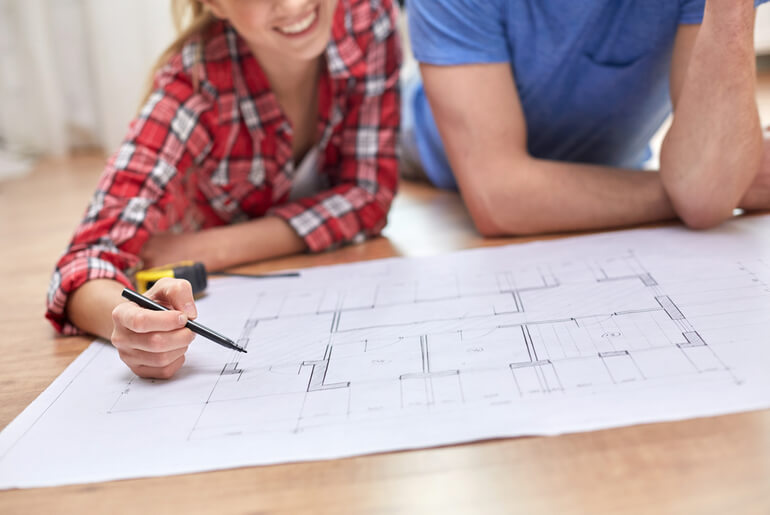
When buying a home, on the other hand, remodeling it so it suits all your wants and needs is a lot more difficult, and it’s also quite expensive. You can, of course, make design changes to both the interior and the exterior, and you can even make changes to the floor plans. However, you are restricted by things like walls that you can’t tear down, existing plumbing that makes moving bathrooms complicated, and so on. If the architectural and design characteristics of your home are very important to you, building your home is the way to go.
Construction quality
Buying an existing house doesn’t mean that the quality of the construction is subpar – but, many times, an older building shows signs of wear and tear and needs repairs and consolidation. Also, older buildings are not as energy efficient as new constructions, which means you’ll pay more on heating and cooling or spend a significant amount of money on upgrading insulation, windows, roofs and so on.
A new home, on the other hand, built using modern materials and technologies and following the latest guidelines in terms of energy efficiency, will save you money in the long run. Also, the chances of you having to fix something around your house will be low for the next decade or so. In other words, in terms of construction quality, a new house usually is superior to an existing one.
Potential setbacks in both scenarios
Setbacks can occur whether you’re in the process of buying or building a home. The most frequent setbacks when purchasing a house are finding one that suits both your needs and your budget, getting bad news from the home inspection, having your offer rejected because someone offered more, the bank not approving the mortgage for some reason, and so on. For the latter, finding solid alternative home financing options can save the day.
Building a home is a long and strenuous process, and some setbacks are almost inevitable. From issues with obtaining the building permits and finding the right contractors to delays caused by bad weather or construction material supply problems, there are many ways in which logistics can go wrong. So, when it comes to potential setbacks, it’s pretty much a tie between buying a home or building one.
The decision on whether to buy a home or build a new one from scratch should be based on your circumstances. If you’re more interested in a good location and moving as soon as possible, buying an existing home is usually your best bet. However, if you’re really passionate about customizing your home and building something that checks everything on your list of ideal home features, then building from scratch is the way to go.



Scary Good DIY Halloween Decorations That Won’t Haunt Your Wallet
A few floating candles in the hallway, a family of ghosts by the front door and a suspicious number of bats climbing up the bedroom wall can make October feel a whole lot spookier. While Halloween stores are full of tempting finds, some of the best DIY Halloween decorations can come from things you already have tucked away in drawers, closets or the recycling bin.
Suburban Giants and Urban Risers: Where America’s 100 Largest Metros Fall on the Self Storage Map
Self storage has long been a suburban story. Across America largest 100 metros, 59% of the inventory built over the past decade sits outside city cores, largely preserving the ratio of the total existing inventory.
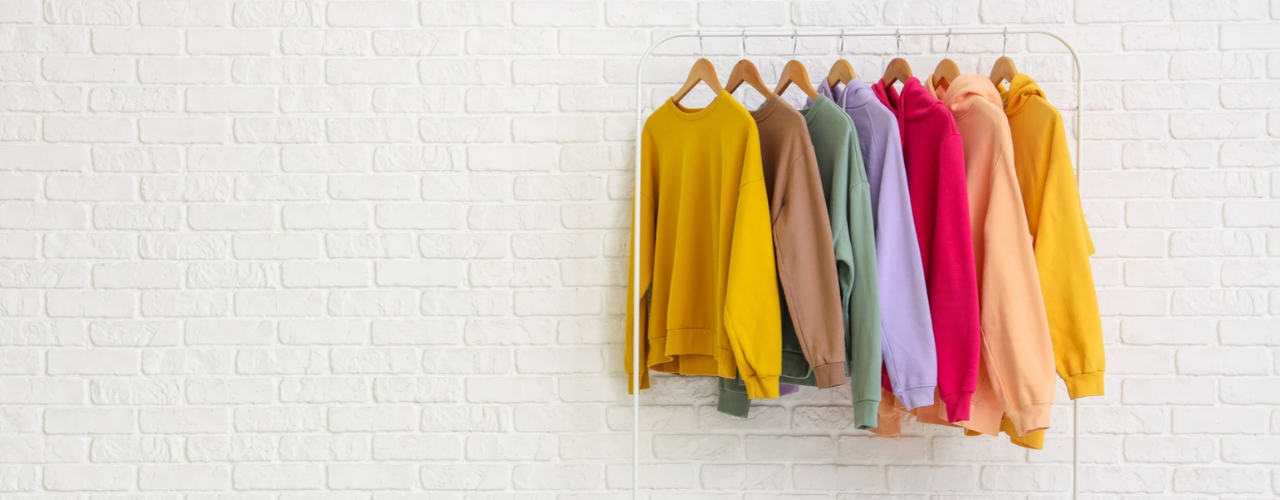
Sweatshirt Storage Ideas Worth Keeping Up Your Sleeve
Sweatshirts are great until you realize how much room they take up. A few thick hoodies can fill a drawer fast, with lighter crewnecks getting squashed underneath or pushed somewhere you forget about. Good sweatshirt storage can make that pile much easier to manage without requiring a bigger closet.
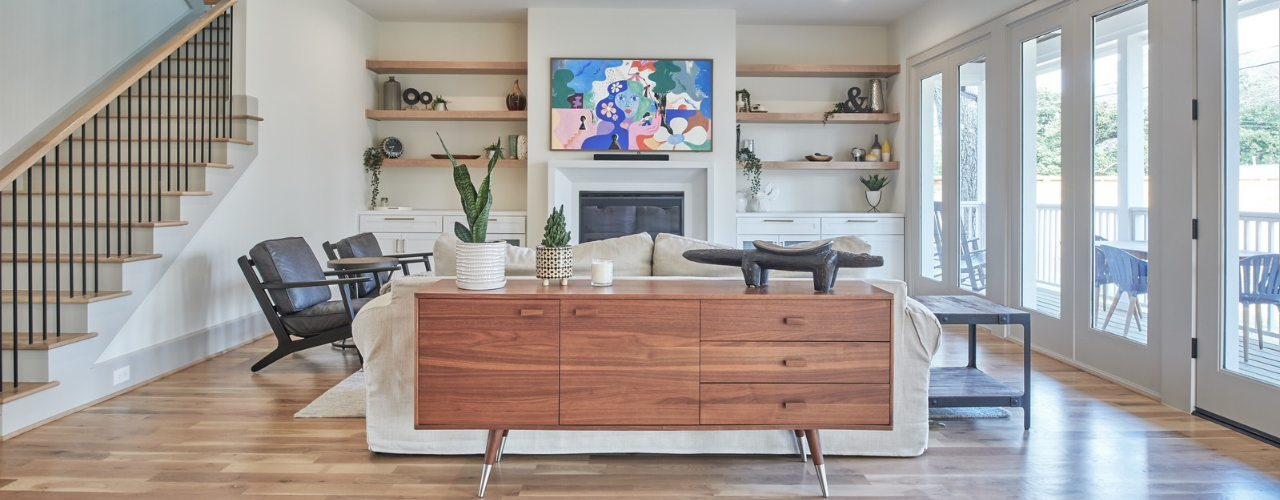
Living Room Storage Ideas: 28 Ways to Reclaim Your Hosting Space
If a living room is where most of a household’s living happens, good storage should be the top priority for setting up or revamping the place. After all, think of how easier it would be to have people over when tidying up the place is just a matter of putting things in their right place (in a time when fewer and fewer people are entertaining friends at home(opens in new tab)). The trick is making room for all those wayward clothes, blankets, chargers and other small things that end up on (or, inexplicably, in) the sofa. Here are 28 living room storage ideas to get you started and make tidying up a quick affair.
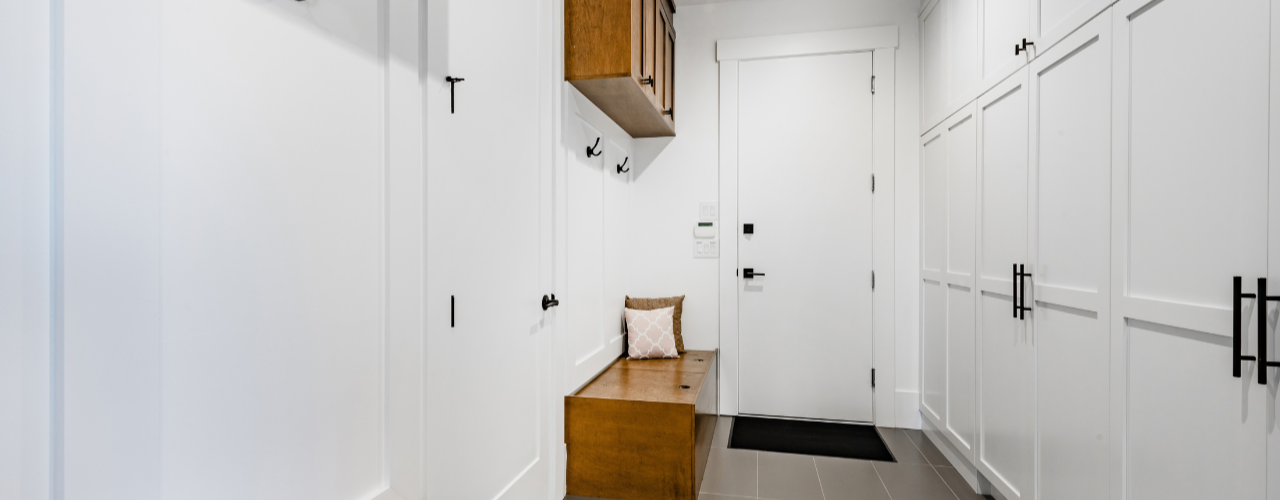
25 Mudroom Storage Ideas (And Mistakes to Avoid)
When you come home with muddy boots, an armful of bags and a coat you can’t wait to take off, it’s nice to have somewhere to put it all. With a mudroom, you can leave the outdoor mess at the door instead of carrying it through the house. Traditionally, you’d set aside a separate room, but you can just as easily use a hallway, an entryway closet, a laundry-room corner or a stretch of wall near the entrance.
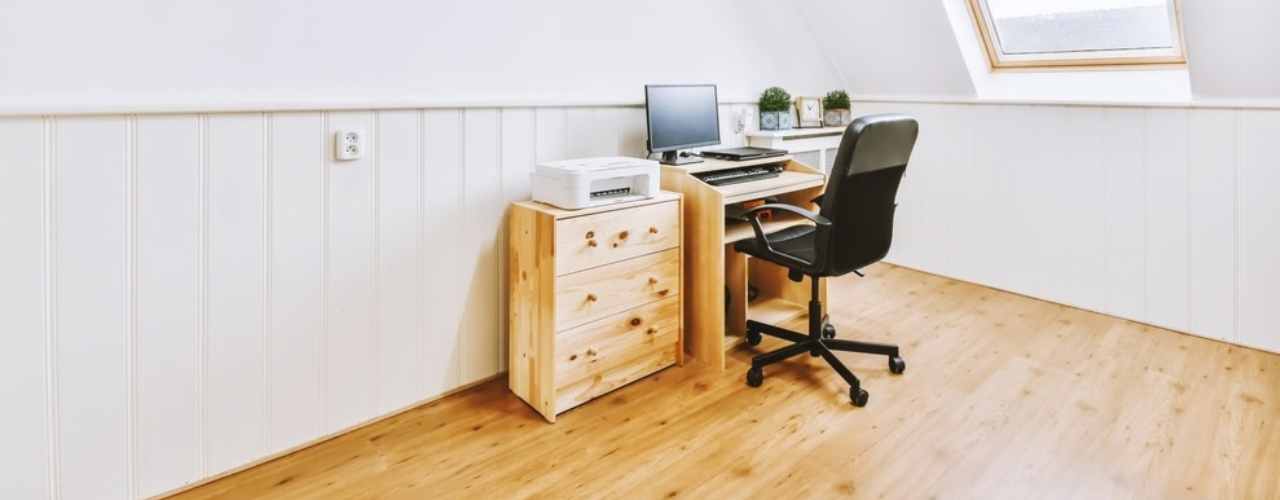
Is Your Home Office Worth the Rent? What Coworking and Self Storage Could Save You
Every square foot of your apartment comes with a price tag, and a home office claims more of them than most renters expect. It starts with a desk. Then come the second monitor, the printer, the filing cabinet and the overflow boxes. Before long, the corner you set aside for work has turned into a small room you are paying for every month.

Best U.S. Cities to Live Uncluttered: Plano, TX, Offers the Most Room to Breathe
Clutter is in our homes as much as in our heads. Both are shaped by where we live.
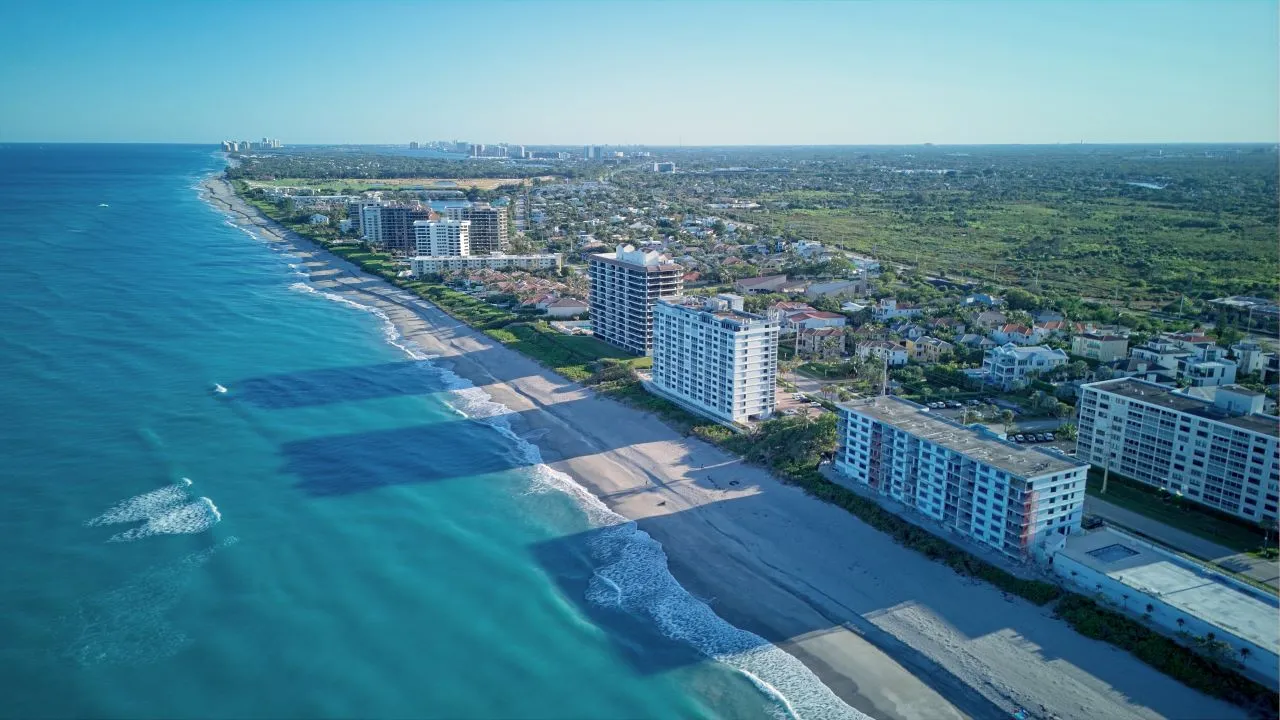
America’s Top Snowbird Destinations for 2026–2027: Florida Leads in Numbers, Texas Wins on Value
For Americans living in colder states, the approach of winter is reason enough to start looking south. Cold weather carries costs that go beyond the heating bill and shoveling snow. Seasonal affective disorder(opens in new tab) is far more prevalent in northern states, so a temporary move south isn’t simply an escape from the cold, but a chance to spend the hardest stretch of winter outdoors and in the sun.
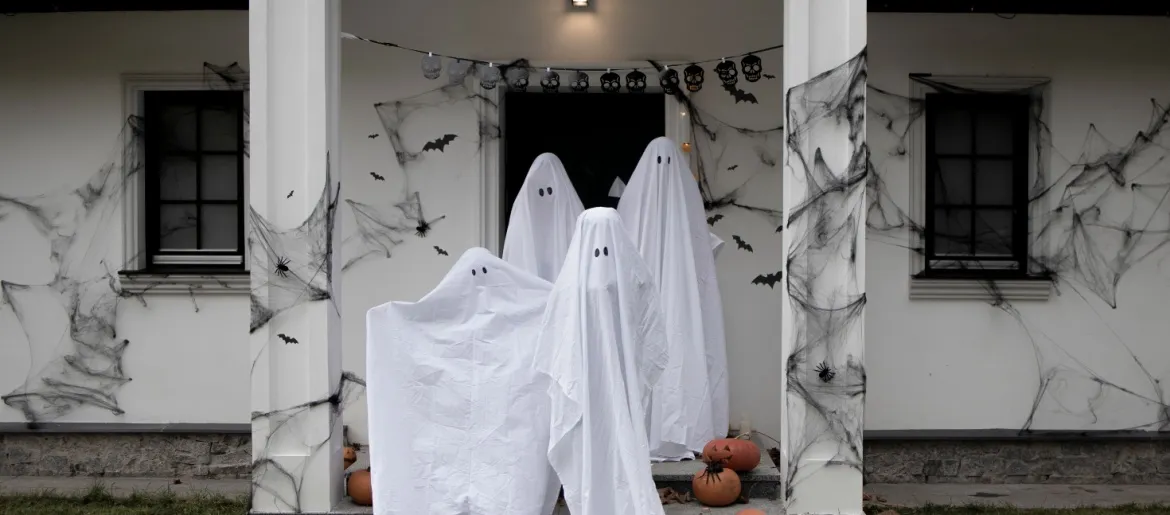
How Much Does Halloween Really Cost in 2026? Plan Wisely to Avoid the Scare of Hidden Costs
Americans’ love for Halloween is almost frightening — this year alone, we are on our way to spending $13.5 billion, according to data from the National Retail Federation(opens in new tab). That breaks down to about $115 Halloween costs per person, a whopping 49% more than 10 years ago.