
A Quick Guide to the Hidden Costs of DIY Moving and How to Navigate the Pitfalls of Relocating

The costs of moving are a real burden for most families, and it’s only natural that people try to reduce spending as much as possible during the process. Resorting to a DIY move might look like a smart way to save some money. However, the DIY route comes with plenty of downsides, from lost time to items damaged or destroyed during the move.
Before deciding whether to follow through with a DIY move, it’s important to analyze all the aspects of the task upon you, including the hidden costs that might arise. Here are the most important factors you should be paying attention to.
DIY Moving Is Time Consuming, Therefore Money Consuming
A frequent trap people fall into is underestimating the amount of both time and work the entire process takes. Sorting and packing your stuff, loading everything in a vehicle and unloading it at the new home will take many, many hours of intense labor.

Let’s not forget that you need to reconcile all that with the schedules of friends and family members that are generous enough to help you move. You might not be able to do the move at the most convenient moment for you, and you’ll likely need to take time off work – all of which ultimately translates into lost money.
In the case of a long-distance move with a rented truck, the time spent on the road could also lead to extra expenses. Depending on road conditions and other factors beyond your control, the drive could take a lot longer than expected. You might end up spending more on food, accommodation or fuel than you initially budgeted for.
You Won’t Declutter Properly
Since you won’t be paying professionals to pack, load, and transport your stuff – which is usually billed by weight or volume – you might not feel incentivized enough to trim your bulk. Moving is a golden opportunity to get rid of all the stuff you don’t need and to start afresh with a perfectly organized new home, where every item you keep to hand has a purpose. However, the process of decluttering is difficult for many reasons, including emotional attachment to things, indecisiveness, and not knowing what to do with the discarded items.
That’s why most people DIYing their own move end up packing a lot more stuff than they really should. The rationale behind it is that you’re the one packing and moving, so you’re not paying anything extra, and who knows, you might even end up using some of that stuff again. However, this approach will end up costing you money. You’ll be wasting time packing, you’ll be forced to rent a bigger and therefore more expensive truck, or you’ll make more trips by car, which adds up in terms of fuel and vehicle wear and tear.

Your Belongings Might Take a Hit
There are some risks associated with packing, loading into a truck and transporting virtually your entire home without help from professional movers. Lack of experience could lead to using unreliable packaging boxes, stuffing too much in one box, not securing electronics and furniture properly inside the truck, or simply losing your footing when moving an item. All that translates into damages you’ll have to cover out of your own pocket.
Moving truck rental doesn’t include insurance for the stuff you are transporting. You’ll have to purchase cargo insurance separately, which generally covers only damages due to road accidents, not theft or improperly securing your goods.
Injuries Might Occur
Manipulating large and heavy objects constitutes a pretty dangerous activity, especially when done by inexperienced people. A simple back injury, which is one the most common types of injuries in such circumstances, might keep you on the sidelines for literally weeks. Not only will moving become a lot more challenging for your family, but you could also be forced to take extra time off from work or cover for medical expenses.
Things get even more complicated if one of the people that came to help you move gets injured. For a start, you’ll feel pretty bad for that person and you’ll try to compensate for all the inconvenience. In extreme cases, you might even end up facing a personal injury lawsuit and you could be held liable. Obviously, that’s not a common occurrence, but the possibility that you or another person could suffer an injury during the move, with serious consequences, shouldn’t be ignored.

Transportation-Related Costs That Most People Don’t Factor In
We already established that time spent on the road costs money, but there are other hidden transportation costs to be aware of. A thorny issue is that of rental truck insurance. Most truck rental companies don’t require you to purchase insurance policies but do offer a variety of options.
Damage waivers protect the person renting the truck against any damages or the theft of truck, while a supplemental liability insurance is needed in case you hit another vehicle. You need yet another insurance, a personal accident and cargo protection one, to cover you and your belongings in the truck.
There’s a chance, albeit small, that your personal auto policy covers truck rentals – check with your auto insurance provider. In case it doesn’t – in fact, most don’t – you’re left with two choices: purchase the policies, which really adds up, or take your chances, which might result in serious damages to the truck or to your belongings that you’ll be paying for out of your own pocket.
The cost of fuel, particularly in the case of a long-distance move, also needs to be properly budgeted. Moving prices can vary significantly from one state to another, so don’t draw up your budget based solely on gas prices in your area. Do some research on how much fuel costs along the way in order to have a clearer image of how much you will spend.

Renting a truck that’s not the right size for your stuff will also end up costing you extra money. Get one that’s too small, and you’ll have to scramble at the last minute to find some additional means of transportation. On the other hand, if you overestimate your needs and get a truck that’s too big, you will end up paying a lot more than you should.
How to Choose the Right Truck Size for Your Moving Needs
Pickup trucks and cargo vans are suitable for small loads, such as, for example, when moving a studio apartment locally or moving a student to their dorm room. A 10 to 12 ft. truck works for smaller apartments, while a 14-17 ft. truck is the right size for an average, two-bedroom home. Larger trucks, like the 20-24 ft. ones, should be rented if you’re planning to move all the belongings in a large (3+ bedroom) residence. The costs vary depending on the size you choose so make sure it’s the best for your moving needs.
[desktoponly] [/desktoponly]
[mobileonly] [/mobileonly]
A small truck that you can use when moving a small apartment rents for around $35 per day. Medium-sized trucks, which are recommended for average-sized houses or apartments (2 or 3 bedrooms) cost around $60-$80 per day. If you need a large truck to move a 3+ bedroom home, the daily fee for renting one hovers around $100. These prices refer to simply renting the truck. Factoring in the rest of the expenses, like gas, insurance and mileage fees, as most companies charge extra after a certain number of miles, the basic cost could double at least.
How to Make Sure Your DIY Move Will Be a Success
There are, indeed, many obstacles when it comes to organizing a successful DIY move – but that’s not saying it can’t be done! You just need to be extra careful and to plan every stage of the process in detail, making sure you avoid the veritable money pits detailed above.
Start with a thorough declutter, to reduce the volume of items to be packed and transported and pay extra attention to safety rules while loading and unloading your stuff. If it’s a long-distance move, draw a detailed itinerary of the trip ahead of you, budgeting some extra time and money for unexpected events on the road. Put all of that in an online planner that will help you estimate costs and keep splurging in check. After seeing it on a virtual piece of paper, it usually all becomes clear and more real.
Moreover, there are some other simple tricks that will help streamline your DIY move without breaking the bank. You could jump-start the process by packing a good chunk of your stuff early on and shipping it to a storage unit located near your new home. Let’s say, for example, that you are moving from Philadelphia to Washington, DC. Rent a storage unit in Washington and use it as your pied-a-terre in the city – you can ship a lot of your belongings in advance, thus making the entire process easier. A 10×10 storage unit in Washington, DC costs about $142, according to Yardi Matrix, so it pays off to keep one for the couple of months leading up to moving day.
You can also hire help only for specific tasks, such as loading heavy pieces of furniture into the moving truck. There are dozens of reliable apps, such as Task Rabbit, that allow you to book the services of a handyman for a couple of hours, a very practical and thrifty way of expediting your DIY move.
Before deciding whether to hire professionals for your move or to go ahead on your own, ask for quotes from several moving companies and also put on paper all the costs of a DIY move – factoring in your time or the potential expenses that might arise from things beyond your control. Once the numbers are in front of you, making the right decision will be a lot easier. Happy moving!


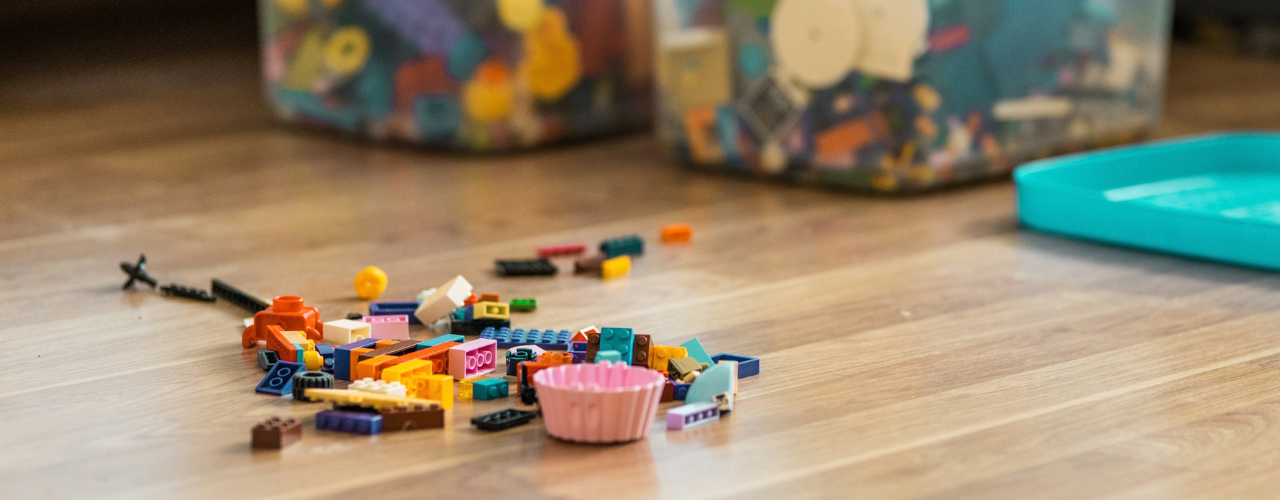
How to Store LEGOs: All the Fun, None of the Clutter
How to store LEGOs largely comes down to how your household uses them. If the bricks are part of everyday play, you need a setup that keeps them within easy reach and makes cleanup quick (for your feet’s sake, at least). Toy storage(opens in new tab) such as simple bins, playmats or containers that children can put away themselves may be enough. Larger or more serious collections usually need more organization, such as labelled drawers for loose pieces, trays for unfinished builds, shelves for completed models and separate storage for retired sets.

Cardboard Costume Guide: Tips and Ideas for a DIY Halloween
Whether for kids or adults, cardboard costume ideas often make the biggest splash once materialized, and that’s for a simple reason: doing a lot with a little is a universally impressive feat (especially in this economy). If you don’t have enough boxes you could temporarily repurpose, don’t worry! There are many places where you can find free moving boxes(opens in new tab), from stores and supermarkets to online groups and recycling drop-off spots. On the run? Try your luck at a self storage(opens in new tab) facility that sells moving supplies, often for cheap. This way, you can choose moving boxes of different shapes and sizes(opens in new tab), so you can make your costumes as complex as you want.

How to Celebrate Halloween: 9 Non-Spooky Ways To Enjoy It
As soon as October starts, it’s the official Halloween month. And while for many people it means it’s open season to get the scare of a lifetime, others, especially families with small children, might prefer to celebrate in a tamer way that’s both kid- and adult-friendly. While you’re likely to find more events where the spook factor is high, here’s how to celebrate Halloween in a not-so-scary way:

Motorcycle Storage Guide: How to Store Your Bike Safely
Motorcycles may be born to be wild, but eventually even the wild ones need somewhere to park. Whether riding season is winding down or your current living situation comes with plenty of square footage for you and less for your bike, motorcycle storage is one of those parts of ownership that doesn’t get as much airtime as the open road.

Halloween Decorating on a Budget (And Cheap Ideas for Everything Elsee)
Halloween has crept a long way from its eerie origins. While All Hallows’ Eve has transformed through the centuries, it wasn’t until the 1930s that trick-or-treating became a tradition in the U.S. and businesses began conjuring up mass-produced Halloween costumes. Now, Halloween is a monster-sized, billion-dollar industry, with a cauldron full of costumes and decorations ranging from the mainstream to the macabre. But is it all really worth your wallet? Maybe, but we’ll let you in on a little secret: You can keep your Halloween decorating on a budget and save on everything else, too. Take this plan and see it through!

Moving From a House to an Apartment: What to Expect, How to Downsize & How Self Storage Helps
For some, moving from a house to an apartment is a financial decision. For others, it’s about simplifying life. Maybe the kids have moved out and half the house sits empty, or you’re approaching retirement and no longer want to spend weekends on repairs. Or perhaps you’ve been weighing the cost of buying a home and wondering whether renting simply makes more sense right now.

Family Heirlooms Overload: How to Handle Family Inheritance Without Regret
Handling family heirlooms after a loss requires managing legal authority, emotional pressure and practical logistics at the same time, and the order you take them on matters more than most people expect.

Blanket Storage: The Right Method for Every Space and Season
Blankets make our lives cozier, and storing them well is what keeps them soft and comfortable in the long run. Knowing how to store a blanket properly means your favorites come out of storage smelling fresh, feeling the same as when they went in, and lasting years longer than they otherwise would.

Board Game Storage Ideas That Keep Your Collection in Fighting Shape
Nobody warns you that getting into board games usually unlocks a second hobby, the much dreaded one that includes figuring out where on earth to put them. One game becomes a few, expansions start spawning beside their base boxes and before long, board game storage requires as much strategy as whatever is waiting on the other side of those lids.