

Moving to a new city is a major life event, and that’s especially true if you’re moving to San Francisco with its very specific climate, culture and infrastructure. Being prepared and informed will spare you tons of hassle and save many hours which you can then use to enjoy your new home by the Bay!
Here is a quick guide for newcomers to San Francisco with advice to get you settled in.
You should learn the local lingo
Who is this Bart guy everyone keeps talking about? San Francisco has a strong identity and that is reflected in its language. While terms like “slaps” and “let’s bail” have now become popular in other places across the country, you might still find yourself feeling out of the loop when talking to a native of The City. Or maybe you’re wondering why everyone can tell right away that you’re new here (hint: did you say you came in on the 101? Drop the “the” next time.) Here’s a basic taste of San Francisco’s local lingo:
- Hella – “A lot, very,” and you’ll hear this one hella often
- Muni – San Francisco Municipal Railway, one of the city’s two major public transport systems
- BART – Bay Area Rapid Transit, the other major public transport system, serving the wider Bay Area
- For The F – “For Free,” keep an ear out for this one, there might be something in it for you
- Karl – Karl the Fog, a staple of SF weather that is loved by some, loathed by others
- The City –San Francisco itself, not to be confused with…
- The Town – Oakland, the neighboring city across the Bay
- Yadadamean – “You know what I mean?” said really fast
It’s electric heaven…
San Francisco ranks as the second-most EV-friendly metro in the United States according to a study by StorageCafe, and with over 2,500 charging stations spread across the city, it’s not hard to see why! San Francisco has been making great strides to encourage its citizens to go green, through programs like Clean Cars for All where you can scrap your old gas-guzzler and receive up to $9,500 towards your shiny new electric car. Furthermore, over a third of the San Francisco public transportation system itself runs on clean energy according to the aforementioned study.
…But you might be better off biking
You’ll become a master in traffic awareness too! While biking may not sound like a good idea in a city made famous by its steep inclines, not every street is Filbert Street, and biking is gaining a lot of popularity. The City’s government page claims that 16% of San Franciscans are frequent bicyclists, and that pedaling around on two wheels can save you up to $8,000 per year! That’s not even including the priceless time you save by not being stuck in traffic.
Some of the best bike routes in San Francisco include The Wiggle to Golden Gate Park, or the Golden Gate Bridge itself with its jaw dropping views. Remember to always wear protective gear and to only cross Muni rails at an angle!

Exploration pays off big time!
Telegraph Street is teaming with parrots, the Wave Organ past the Marina District Lighthouse sounds like nothing you’ve ever heard before and there’s a herd of buffalo living in the city’s largest park. If any of this is making you curious, then you’re coming to the right place.
Not only that, but exploration is the best way to score some amazing treats and unique items as well as to really experience the life of your new city. It’s San Francisco after all! Go shopping in Haight, try the food around Mission and definitely go for the Alcatraz night tour!
If you’re not that into cityscapes then there’s something special for you too. Being able to reach Big Sur, Yosemite National Park or even Redwood National Park within less than a day’s drive from San Francisco has something uniquely liberating to it.
Learn to live big in small places
At about 47 square miles in total, space is at a premium in San Francisco in every sense of the word. While the national average size for a home is at around 2,480 square feet, San Franciscans must use space wisely, as The City averages only 1,350 square feet per home. One of the best ways to combat lack of space in your new house is to use self storage for the items you use less frequently. In the age of work-from-home this is more important than ever before – you probably need that extra space for your home office or studio.
Did you know that you can easily store the contents of an entire one-bedroom apartment in a standard 10×10 storage unit? It’s much cheaper too! In San Francisco, such a unit now goes for $274 per month on average. Smaller self storage options can even go below the $20 mark if you only need to store some seasonal gear like skis or mountain bikes. Choose the best storage space for your needs and avoid the clutter.
The weather is… something else!
“If you don’t like the weather in San Francisco, just wait a few minutes or walk a few blocks” is something you might hear often over here. The City’s oceanic surroundings coupled with its varied elevation virtually guarantee meteorological shenanigans, so it’s important to be adaptable. One of the best things you can do to prepare for San Francisco weather is to dress in layers so you can adjust on the fly. Bring a backpack to keep all your extra layers in… you’ll need them later. Also, a good thing to remember is that the seasons are somewhat staggered in San Francisco – summer only comes in around September!

Like with many cities, living in San Francisco is most challenging right at the start. It can seem daunting at first but remember that many people have done it before – you can too! By the time you’ve figured out how San Franciscans talk, get around and live their lives, you’ll have already become one yourself. Yadadamean?


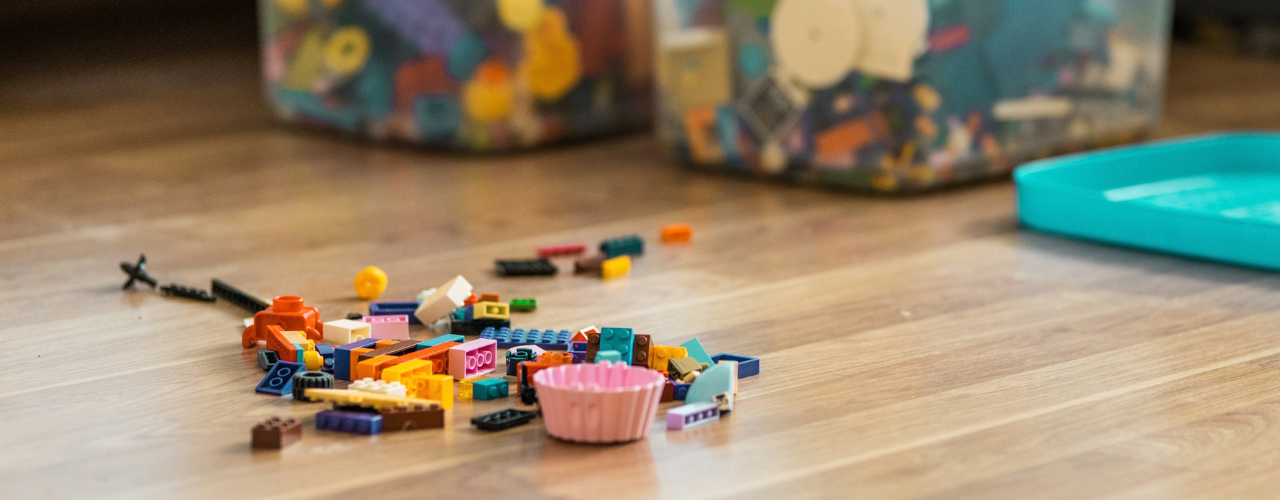
How to Store LEGOs: All the Fun, None of the Clutter
How to store LEGOs largely comes down to how your household uses them. If the bricks are part of everyday play, you need a setup that keeps them within easy reach and makes cleanup quick (for your feet’s sake, at least). Toy storage(opens in new tab) such as simple bins, playmats or containers that children can put away themselves may be enough. Larger or more serious collections usually need more organization, such as labelled drawers for loose pieces, trays for unfinished builds, shelves for completed models and separate storage for retired sets.

Cardboard Costume Guide: Tips and Ideas for a DIY Halloween
Whether for kids or adults, cardboard costume ideas often make the biggest splash once materialized, and that’s for a simple reason: doing a lot with a little is a universally impressive feat (especially in this economy). If you don’t have enough boxes you could temporarily repurpose, don’t worry! There are many places where you can find free moving boxes(opens in new tab), from stores and supermarkets to online groups and recycling drop-off spots. On the run? Try your luck at a self storage(opens in new tab) facility that sells moving supplies, often for cheap. This way, you can choose moving boxes of different shapes and sizes(opens in new tab), so you can make your costumes as complex as you want.

How to Celebrate Halloween: 9 Non-Spooky Ways To Enjoy It
As soon as October starts, it’s the official Halloween month. And while for many people it means it’s open season to get the scare of a lifetime, others, especially families with small children, might prefer to celebrate in a tamer way that’s both kid- and adult-friendly. While you’re likely to find more events where the spook factor is high, here’s how to celebrate Halloween in a not-so-scary way:

Motorcycle Storage Guide: How to Store Your Bike Safely
Motorcycles may be born to be wild, but eventually even the wild ones need somewhere to park. Whether riding season is winding down or your current living situation comes with plenty of square footage for you and less for your bike, motorcycle storage is one of those parts of ownership that doesn’t get as much airtime as the open road.

Halloween Decorating on a Budget (And Cheap Ideas for Everything Elsee)
Halloween has crept a long way from its eerie origins. While All Hallows’ Eve has transformed through the centuries, it wasn’t until the 1930s that trick-or-treating became a tradition in the U.S. and businesses began conjuring up mass-produced Halloween costumes. Now, Halloween is a monster-sized, billion-dollar industry, with a cauldron full of costumes and decorations ranging from the mainstream to the macabre. But is it all really worth your wallet? Maybe, but we’ll let you in on a little secret: You can keep your Halloween decorating on a budget and save on everything else, too. Take this plan and see it through!

Moving From a House to an Apartment: What to Expect, How to Downsize & How Self Storage Helps
For some, moving from a house to an apartment is a financial decision. For others, it’s about simplifying life. Maybe the kids have moved out and half the house sits empty, or you’re approaching retirement and no longer want to spend weekends on repairs. Or perhaps you’ve been weighing the cost of buying a home and wondering whether renting simply makes more sense right now.
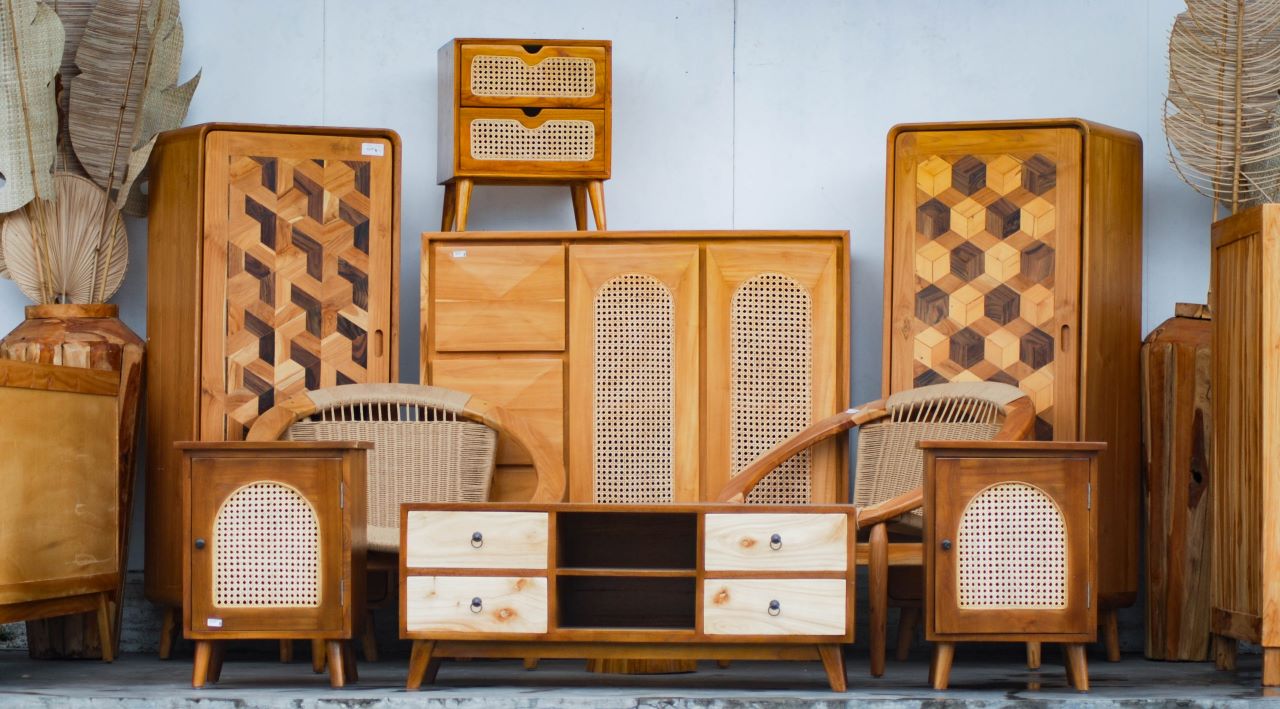
Family Heirlooms Overload: How to Handle Family Inheritance Without Regret
Handling family heirlooms after a loss requires managing legal authority, emotional pressure and practical logistics at the same time, and the order you take them on matters more than most people expect.
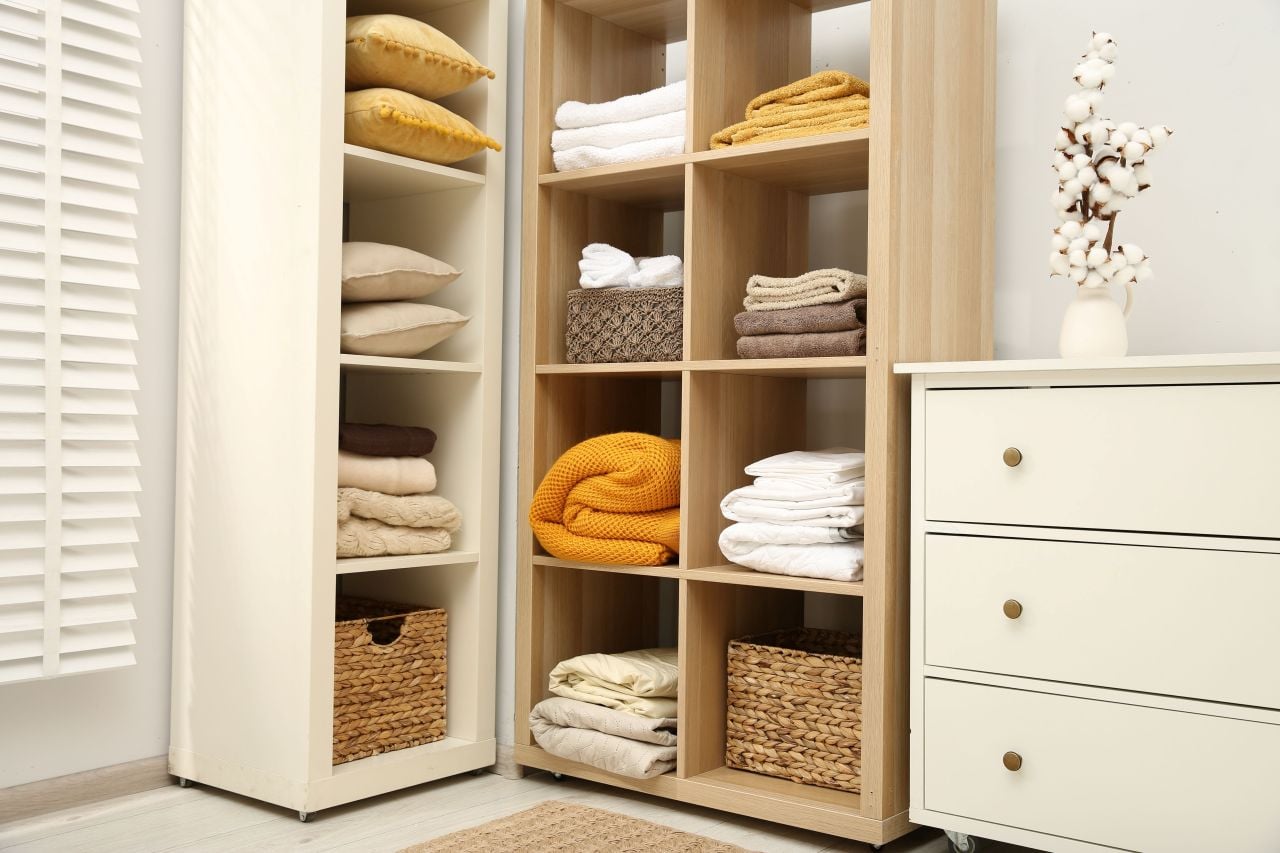
Blanket Storage: The Right Method for Every Space and Season
Blankets make our lives cozier, and storing them well is what keeps them soft and comfortable in the long run. Knowing how to store a blanket properly means your favorites come out of storage smelling fresh, feeling the same as when they went in, and lasting years longer than they otherwise would.

Board Game Storage Ideas That Keep Your Collection in Fighting Shape
Nobody warns you that getting into board games usually unlocks a second hobby, the much dreaded one that includes figuring out where on earth to put them. One game becomes a few, expansions start spawning beside their base boxes and before long, board game storage requires as much strategy as whatever is waiting on the other side of those lids.