

Unpacking your holiday decorations can feel a little bit like an early Christmas, especially when you rediscover treasured items from years past. The task of packing everything back up can be quite the opposite.
Doing it in an organized manner does wonders to alleviate stress and reduce the time spent putting things away. You’ll also save yourself the hassle of trying to make sense of things next year when you have to unpack again.
Some decorations are more challenging than others
Many holiday decorations are made of glass, ceramics or wood, which can be damaged when not stored properly. Others pose problems due to size, but it depends on how far you go with your decorations.
Christmas tree ornaments can be very fragile. Some people even have very old ornaments made of glass, and these can be heirlooms passed down from parents and grandparents. It’s important to preserve their value, both sentimental and otherwise, through proper packing and storing.
Putting up and taking down Christmas lights are some of the most dreaded stages of holiday decoration. They get tangled up easily and snag on other objects. It’s hard to tell where one length of string begins and another ends. A little extra time spent putting them away properly will prevent your floor from looking like that snake scene from “Raiders of The Lost Ark.”
And finally, the Christmas tree, which is the centerpiece and often bulkiest decoration, needs special attention. While some artificial Christmas trees can be broken down into sections for easier storage, some prefer to put their Christmas tree, ornaments and all, into a tree bag so they can have it ready to go next year. Although this can be a great time-saver, it also means you now have to be extra careful moving and storing it. Not to mention that for some this takes away an important part of the holiday season — decorating the tree together with family.

How do you take down holiday décor?
The best rule when taking down holiday décor is to have a plan —think about where you’re going to start and where you’re going to finish and how to do it by expending the least amount of time and energy. Depending on how elaborate your holiday decorations are, you might need some tools, so make sure you have everything at hand. This can range from a simple box cutter for packing things to a ladder for taking down the lights from your eaves.
Start with surfaces like tables, shelves, mantlepieces, couches and chairs. Tablecloths and pillows can be used in boxes to cushion other items like candlesticks, glassware and ceramic figures. Christmas Village displays go into their original boxes if you still have them — otherwise make sure to store them individually to prevent their cords from tangling.
Then move on to everything that’s nailed, taped or hung, including Christmas tree decorations, stockings and wreaths. Baubles often come with their own basic storage container, which you can reuse, but wreaths are a little trickier. There are specialized wreath bags and cases that can be stacked, but in a pinch, you can wrap them up in plastic bags. Just make sure you don’t put anything on top that could crush them.
After you’ve taken away the tree as well, it’s time to deal with the lights and tinsel. The best way to take down Christmas lights is to do it one at a time and, ideally, pack each length individually before moving on to the next one. It might also be helpful to organize your lights and tinsel according to color if you’re planning something even more elaborate for next year.

Tips to keep in mind when sorting and packing holiday décor
Your decorations are only moved twice a year — before and after the holidays. The containers you store them in don’t have to deal with a lot of wear and tear. However, they do have to resist moisture and temperature changes, and this is why it’s always wiser to put them in plastic boxes or tubs with lids. Storage containers come in many sizes, and some even have dividers so you can organize smaller items like batteries, cables, hooks and other spare parts.
Having reels for your lights will minimize any entanglements, but if you want to save money and space you can always use the tried-and-true method of wrapping them around pieces of cardboard. Store them away from other decorations, especially ones that have hooks or similar shapes that can get caught in the cords.
You’ve probably heard this a million times but it’s worth repeating — label everything! The only thing that makes labeling even better is using transparent containers. That way you can quickly get a good idea of where everything is. You can even sort ornaments by color into different boxes and you’ll be able to pick them out at a glance next time.
If you want to be really professional about it, you might want to check out some home inventory apps like Everspruce or Sortly. They can help you locate exactly which items are in which container, saving time and preventing strained backs.

What to avoid when packing and storing holiday decorations
Consider that the more time and care you invest in storing your things, the longer they’ll be around for you to enjoy. While throwing holiday decorations haphazardly into boxes is quick, it’s also a way to make sure you’ll be paying money for new ones soon. It makes financial sense, not just practical sense to store everything carefully.
Avoid storing your decorations in huge boxes. They get heavy and can be extremely unwieldy when it’s time to pack and unpack. It’s better to have more small boxes that can be handled easily, especially if you have to go up and down stairs.
Avoid stacking boxes and use shelves instead. This is where labeling systems and transparent boxes really pay for themselves, as you’ll be able to quickly pick out what you need and start decorating!

The best places to store holiday decorations
Holiday decorations need a cool and dry place to stay for about 10 to 11 months per year. Attics can get hot in the summer and basements can get humid, so a closet is probably your best bet if you want to keep them at home. However, they can take up a lot of space that could be put to better use.
Storing your more durable decorations in a garage is also an option. However, temperature changes, dirt and grime can still affect them, and you might even notice your plush reindeer taking on a vague smell of gasoline after a while.
But not everyone has a garage, so self storage is often the best option for holiday decorations. For most of the year, your decorations are stored away somewhere safe where they don’t take up space in your home. Storage units are often big enough that you can keep many other things in there besides holiday decorations, like appliances, rugs or furniture. In fact, there’s a whole guide to storage unit sizes and types to help you find exactly what you need.
If you want to be extra sure that you’ll find your decorations just as you left them, many facilities also have climate-controlled storage units which keep temperature and humidity at optimal levels no matter the weather. They’re great for storing paper and textile decorations, and most storage facilities have them.
With thoughtful planning and the right tools, you’ll be done packing up in no time. Your decorations will wait safely and patiently until next year when it’s time to deck the halls again!



Moving From a House to an Apartment: What to Expect, How to Downsize & How Self Storage Helps
For some, moving from a house to an apartment is a financial decision. For others, it’s about simplifying life. Maybe the kids have moved out and half the house sits empty, or you’re approaching retirement and no longer want to spend weekends on repairs. Or perhaps you’ve been weighing the cost of buying a home and wondering whether renting simply makes more sense right now.
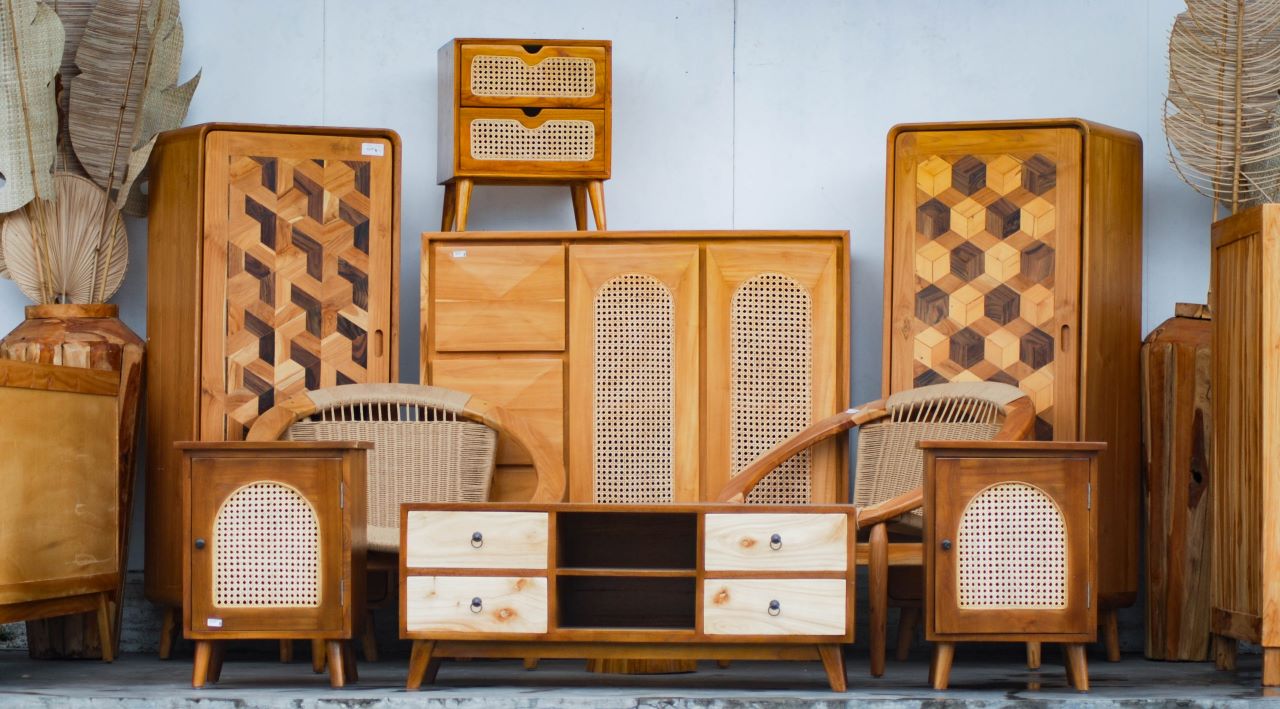
Family Heirlooms Overload: How to Handle Family Inheritance Without Regret
Handling family heirlooms after a loss requires managing legal authority, emotional pressure and practical logistics at the same time, and the order you take them on matters more than most people expect.
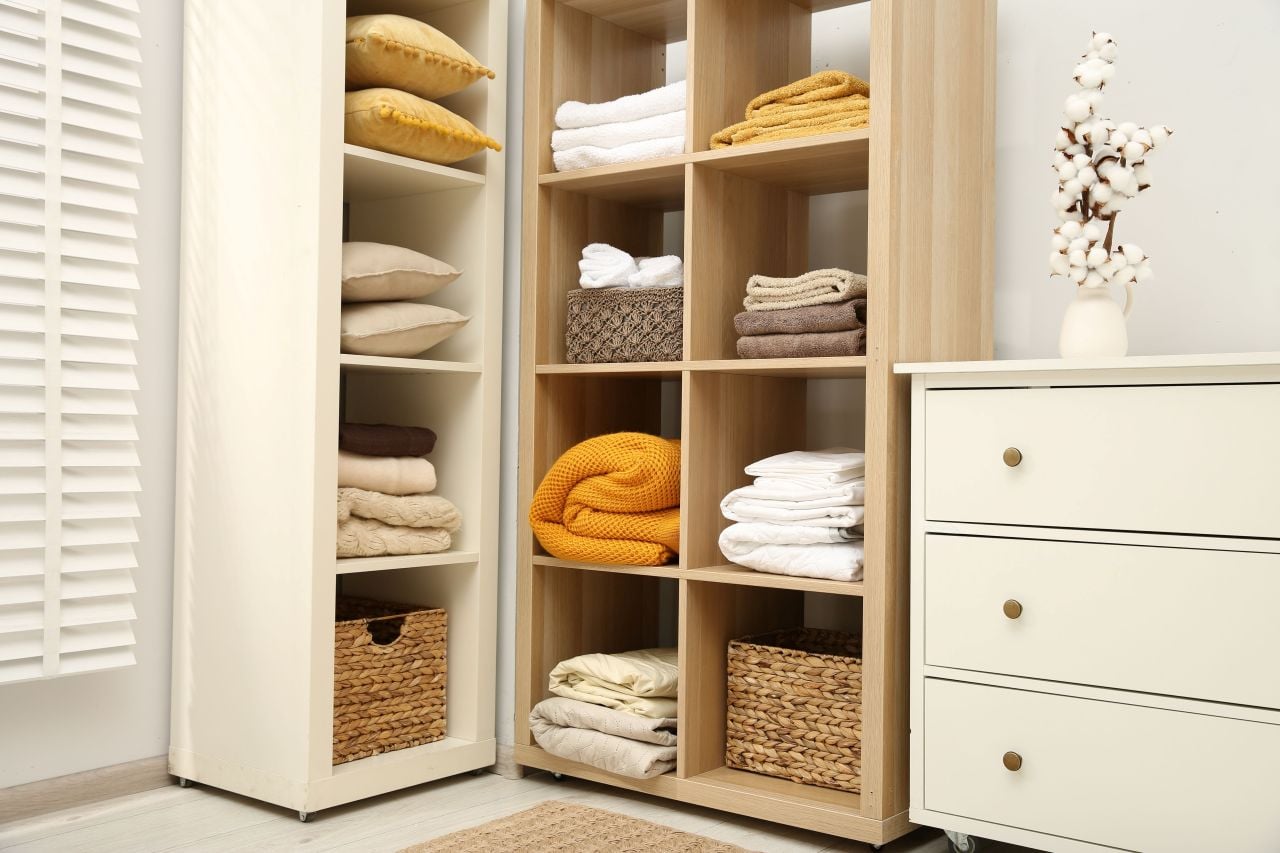
Blanket Storage: The Right Method for Every Space and Season
Blankets make our lives cozier, and storing them well is what keeps them soft and comfortable in the long run. Knowing how to store a blanket properly means your favorites come out of storage smelling fresh, feeling the same as when they went in, and lasting years longer than they otherwise would.
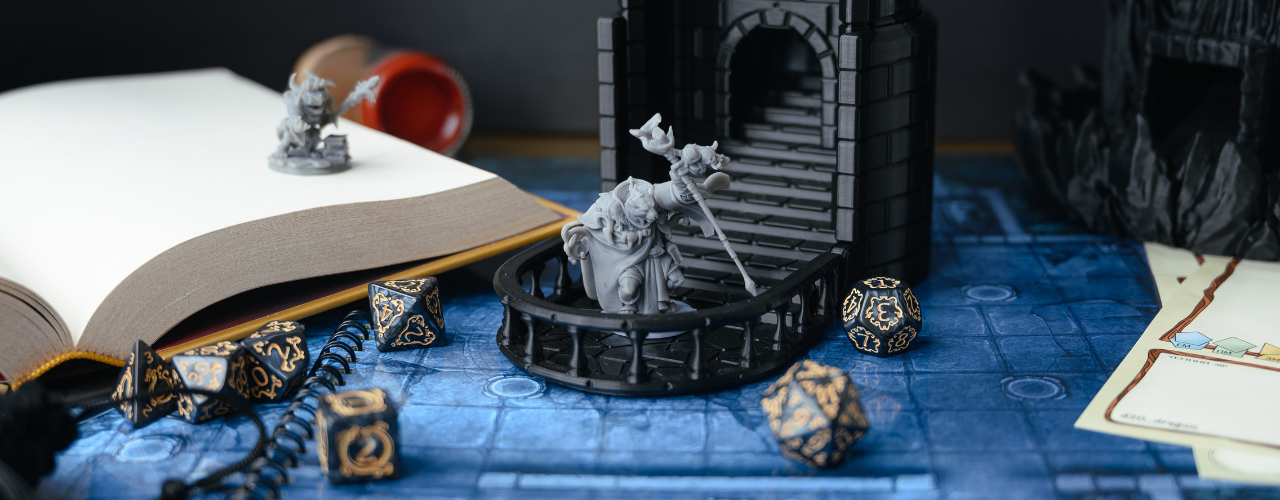
Board Game Storage Ideas That Keep Your Collection in Fighting Shape
Nobody warns you that getting into board games usually unlocks a second hobby, the much dreaded one that includes figuring out where on earth to put them. One game becomes a few, expansions start spawning beside their base boxes and before long, board game storage requires as much strategy as whatever is waiting on the other side of those lids.

Storage Locker vs. Storage Unit: What’s the Difference?
A locker and a unit may sound like two names for the same four walls and a lock, and depending on the storage facility, you may even see the terms used that way. However, once you start comparing available spaces, storage lockers tend to occupy the smaller end of the spectrum, while storage units(opens in new tab) give you considerably more room to work with.

Storage Ideas for Small Spaces: 9 Ways to Max Out Your Home
A messy home contains the seeds of its organization. Those seeds are everywhere: the space above doors, under beds, behind sofas and inside furniture can all become storage. Here are the best storage ideas for small spaces, so you can make the most of your cozy home.

Best U.S. Cities to Live Uncluttered: Plano, TX, Offers the Most Room to Breathe
Clutter is in our homes as much as in our heads. Both are shaped by where we live.
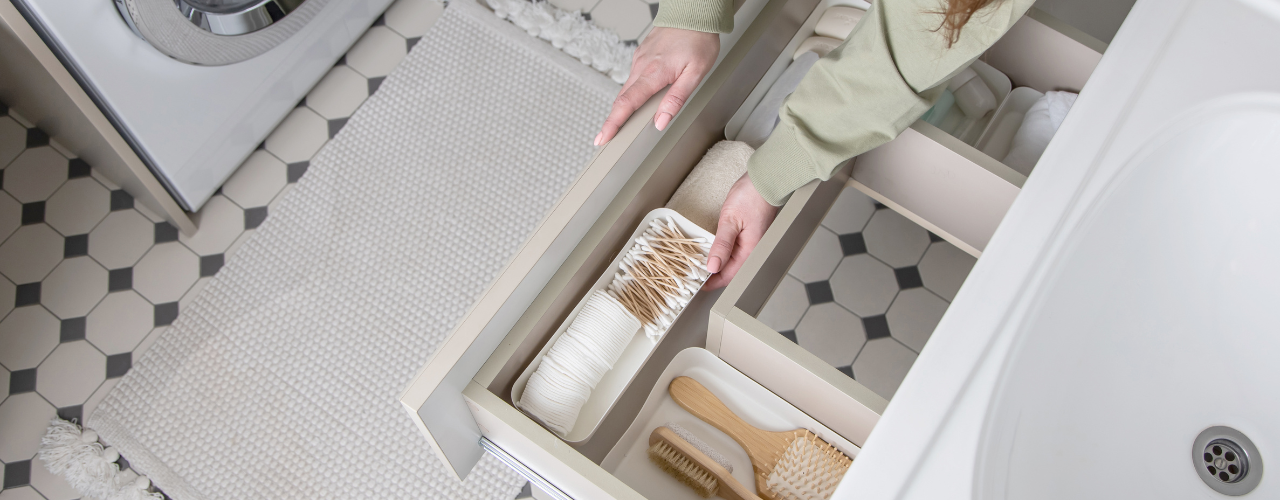
How to Organize Your Bathroom: 8 Ways to Stay Tidy
You already know why an organized bathroom is worth the effort, but let us remind you: it makes rushed mornings easier, keeps counters cleaner and just helps get you in the mood to go through your skincare routine like you should. Plus, in bigger households, it helps everyone find what they need. And you know how much a tidy bathroom counts for your self-esteem when a guest or a partner shows up. Luckily, you don’t need a degree to know how to organize your bathroom. The secret is keeping less, giving every item a home and making that home simple to use. Let’s go through some practical steps can help you create a bathroom that stays functional and nice to look at.

How to Use Silica Gel Packets for Storage
Moisture can cause significant damage to items in storage, leading to rust on tools, mold on clothing and warping in documents. Silica gel uses science to fix that. Often found in small packets inside product packaging, silica gel is a desiccant that absorbs moisture from the air, keeping your stored items dry and protected. This guide explains what silica gel is, how it works and how you can use it to preserve your belongings in self storage.