

Putting things away in storage can be nerve-wracking. Maybe you’re worried about your items enduring the winter in storage, or you’re nervous about pests getting inside. While there are preventative measures for some hazards, others are hard to even predict, let alone defend against or mitigate.
Maria Alfano, who owns the blog The Silver Diaries, has a story to tell. “Living in the North East, winters can be really cold, snowy and icy – the perfect storm for burst eavestroughs. We happened to have a downspout right outside our unit. I’m sure you can guess what happened next.”
“The downspout gushed water into our unit, and the water froze overnight. Everything at the front of the unit was not only damaged, it was stuck to the ground in 3 inches of ice!”
It’s important to prepare for anything, and insuring your belongings while in storage is simply good practice. You want to make sure that getting your stuff damaged or lost won’t leave you hurting financially, especially if you use your storage unit to keep stock for your business, for example.
Most self storage facilities already require that renters have insurance for their storage units, but there are important distinctions that need to be made before you consider yourself – and your items – covered.
Don’t I already have insurance?
Homeowner’s, renter’s or business insurance can include (but may have caps for) storage unit insurance, but this isn’t always the case. It’s usually around 10%, which means that if your homeowner’s insurance covers $10,000 in personal property, you may only get $1000 in coverage for the items you have in a storage unit.
Always check your insurance contract and contact your insurance company, if needed, to get an accurate idea of your coverage.
If your cap is too low for the items you have stored, you should consider getting additional storage unit insurance. Even though many storage facilities offer their own, it’s best to shop around for options before committing to one.

What does self storage insurance protect me against?
If you only have storage insurance as part of your homeowner’s insurance, your storage unit is only insured against the same problems that your residence is. This usually covers things like fires, lightning strikes, theft and falling objects.
There are, however, other problems that this insurance might not cover – things such as pests, mold or even larger scale incidents like flooding or earthquakes. Again, check the details of your insurance policy to see exactly which hazards are already covered and which might require extended coverage.
What does self storage insurance not protect me against?
Some valuable items may not be insured by default under a standard policy. Jewelry, in particular, is such an exception. For especially valuable items, you should look into endorsements, sometimes called floaters, in addition to your regular home or renter’s insurance policy. These are perfect for insuring expensive or unique items like jewelry and antiques.
How likely am I to use it?
Hopefully you’ll never have to make an insurance claim, and your items will remain untouched by misfortune. With regards to likelihood, it’s important to understand the risks associated with the area you live in – every place has its own particular hazards.
Places like Seattle, New Madrid and the entire state of California are high-risk areas for earthquakes, so pay special attention to the specifics of your policy. Look at coverage for falling objects as well, as these two hazards often go hand in hand. In California, you’re not only subjected to a high risk of earthquakes, but wildfires have become increasingly frequent and destructive. Insuring against these hazards is a must!
Along the east coast and around the Gulf of Mexico, especially in southern Louisiana and Florida, the risk of hurricanes and floods is very high. Therefore, you should not only insure against these potential problems but also look for storage options that are better protected against them from the outset through location and construction.
Pests can strike almost anywhere and so can thieves, and you never know what the latter will take. It may even be something of personal value. “Two years ago, there was a robbery incident in my storage facility,” says Rinal Patel, founder of Suburbrealtor. “I lost my daughter’s crib and my grandmother’s flower vase was shattered on the floor […] it was as though they made it a point to destroy all the other stuff they couldn’t take with them.”
Although some of these items cannot be bought again, self storage insurance can really soften the blow of such unfortunate events.
Other tips about self storage insurance
The first step to insuring your storage unit takes place before you’ve signed any contract. Choosing the right storage facility is paramount – look for gates, surveillance systems and on-site staff, and check the unit itself before renting. If you can’t do that in person you can search for storage units by size and amenities here.
In the unlikely case that disaster does befall your belongings, arm yourself with patience. The claim process can be laborious and, at times, stressful. “Those of you who have ever had to file a claim are aware that it’s usually not a pleasant affair. People may become agitated, and their emotions may be heightened,” Eva Tian, growth strategy manager at Mynd, told us. “Gather all pertinent documentation. Make a note of the occasion’s date and time, as well as each participant’s full name and contact details. Particularly in cases involving injuries, incident reports are particularly helpful.”

And remember to take photos! This is especially true if you’re the first person to witness the damage. “I once had a self storage unit that was impacted by a flood […] I do recommend that customers take their own photos of the damage immediately before starting a claim. This makes it easier to have your own record of the damage in the event that there are any discrepancies,” says Jon Stephens, director of operations at Snowshow Vacation Rentals. “Take a photo of your unit before you open it and take another photo of the contents as-is before moving anything.”
Even if you’re being careful with how you keep your things and opt for climate-controlled storage, things can still happen. Greg Rozdeba, president of Dundas Life, has seen it – “Last year, some of my sensitive possessions were damaged in the unit. It happened because a power outage caused the temperature control to stop working. I filed a claim with my insurance provider and was reimbursed ASAP.”
The reality is, not only do you need self storage insurance, but most self storage facilities require that you have it. Even if you use one of the few self storage providers where this is an optional requirement, it’s still a great idea – it will protect you financially from predictable and unpredictable threats.



RV Storage Ideas: Smart Solutions for Every Space
The best RV storage ideas work by finding space you already have but aren’t using — under beds, inside cabinet doors, on walls, above entry steps and in the overhead bunk. Most RV owners run out of obvious places quickly, but the real storage capacity in a typical trailer or motorhome comes from vertical surfaces, divided compartments and rethinking what each space was designed for.

Kitchen Cabinet Organization Ideas for Less Chaos
The best way to organize kitchen cabinets is to store items where you actually use them: mugs near the coffee maker, plates close to the dishwasher, spices next to the stove. Small placement decisions like these turn crowded cabinets into functional ones, and they cost nothing to implement.

Where to Donate Clothes in NYC: From Pickup to Mutual Aid
Every year, 200,000 tons of clothing end up in NYC landfills — but yours doesn’t have to. Your unwanted clothes have a real second life waiting. Whether it’s a low-income family needing affordable basics, a woman reentering the workforce looking for interview wear, or an undocumented resident accessing free community support, the donation method you choose matters. Plus, there are plenty of convenient ways to go about it. Local mutual aid groups, free pickup services, mail-in programs, workforce nonprofits, and textile recycling — each one routes your clothes to neighbors and causes that need them most. Here’s where to donate clothes in NYC, according to your plans.

The Best U.S. Metros To Own A Boat
Boating is one of America’s favorite pastimes. According to the National Marine Manufacturers Association, nearly 100 million Americans go boating each year, and recreational boating contributes over $230 billion annually to the U.S. economy. It’s a lifestyle deeply shaped by geography, climate, and local culture.

Packing Tips for Moving in a Hurry: 5 Ways to Speed Things Up
Sometimes a move sneaks up on you and you wind up having to move in a hurry. A job starts sooner than expected, a lease ends abruptly, a sale closes fast, or life simply throws a curveball and suddenly you’re staring at a full house with only days or weeks to empty it. That short timeline can feel overwhelming, but it doesn’t have to mean chaos. With a focused plan and a few smart shortcuts, you can pack up quickly, protect your belongings, and land in your new home without losing your mind.
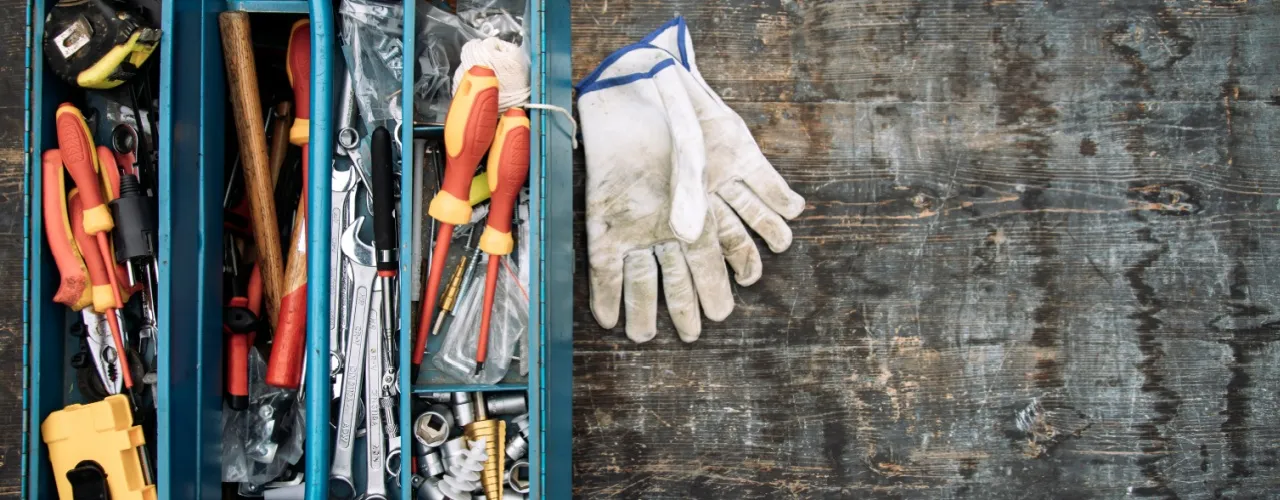
How to Store Tools Properly: Keep Equipment Rust-Free and Tidy
Good tool storage saves you time, money and the very specific rage of finding a rusted drill you paid good money for. Cleaning, drying and organizing your tools properly keeps them rust-free and findable — and it takes less effort than most people assume. True, nobody wakes up thrilled to organize their tools; it ranks somewhere between cleaning the gutters and reading the terms of service. But here’s how to do it right without the hassle.
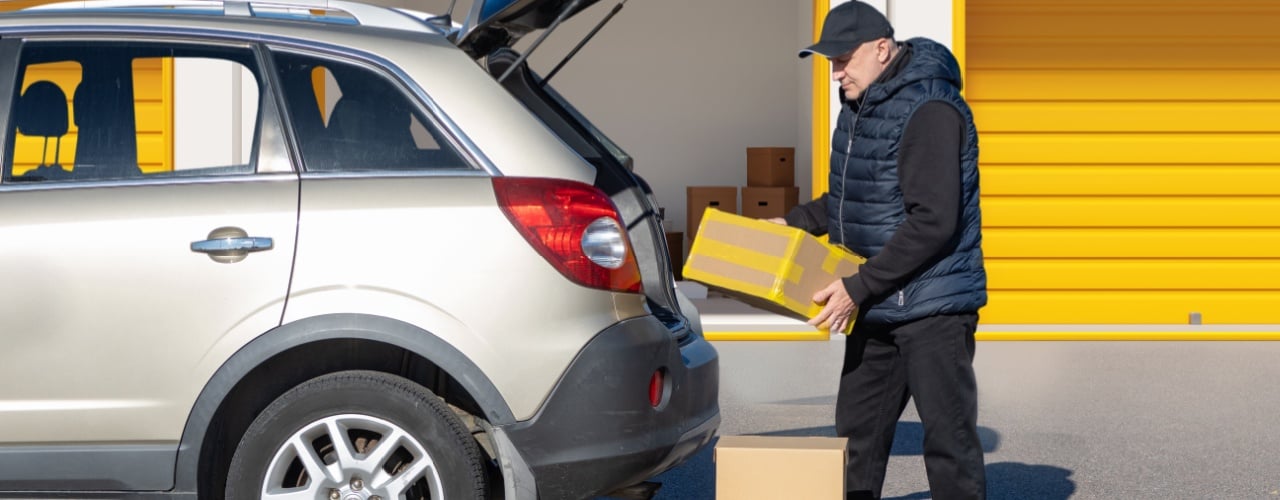
Drive-Up Storage Units: Pros, Cons and When They’re Worth It
A drive-up storage unit is a ground-level space with an exterior roll-up door, a lot like a detached garage. Units are usually arranged in rows with wide, paved aisles between them, so you can pull a car, van, or moving truck directly up to your door during access hours. The key feature is the access, and it comes in a few forms:

2026’s Best Cities for Roommates: Irvine, CA And Atlanta, GA, Lead In Shared Living Gains
Americans sharing a two-bedroom apartment instead of renting a one-bedroom alone can save, on average, about $6,700 per year. In some of the country’s most expensive cities, including Irvine, California, or Jersey City, New Jersey, the savings gap widens to around $13,000. For a growing share of renters, living with roommates is less of a lifestyle arrangement and more a conscious financial strategy.
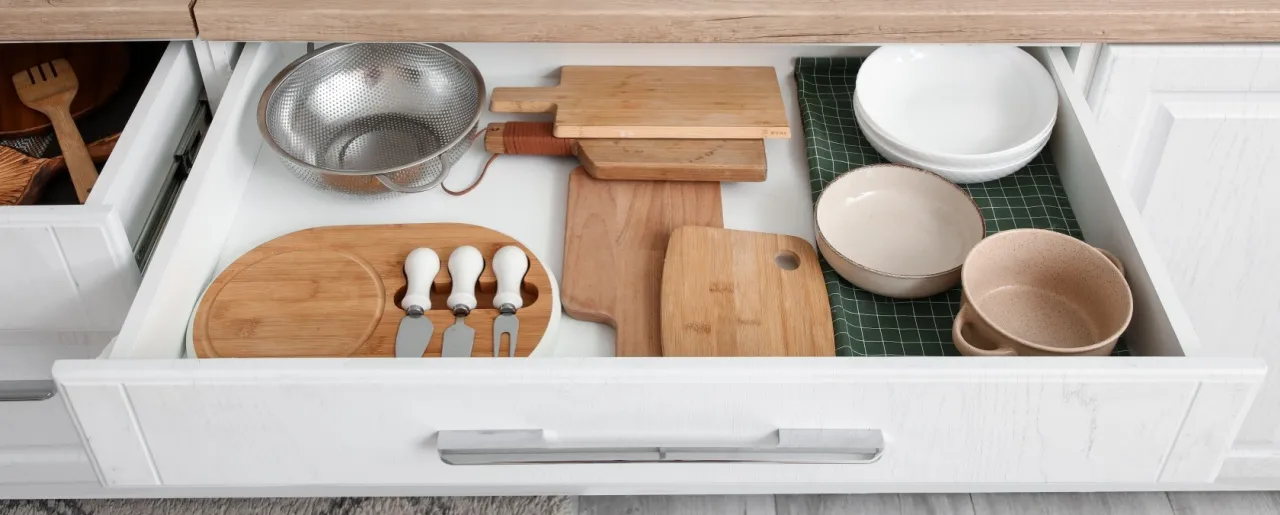
How to Organize Your Kitchen Drawers: Smart, Practical Ideas That Make a Real Difference
The best way to organize your kitchen drawers boils down to a few core principles: give each drawer a specific role, store items close to where you use them, and choose organizers only after you’ve decluttered. Most kitchen drawers aren’t cluttered because of a genuine lack of space but because no one decided what belongs where. Fix that first, and the rest becomes much easier.