

Key Takeaways
- Declutter first to reduce the volume of items to pack, move, and unpack, in order to save time and cost.
- Set up a central packing station with all supplies (boxes, tape, bubble wrap) to avoid wasted time searching for tools.
- Pack room by room, start with least-used spaces (storage, guest rooms) and leave daily essentials (kitchen, bedroom) for last.
- Use packing shortcuts like wrapping breakables in clothes, leaving clothes on hangers and moving drawers as-is.
- Prepare an open-first box with essentials (tools, toiletries, chargers, snacks) and a personal bag for each family member.
Sometimes a move sneaks up on you and you wind up having to move in a hurry. A job starts sooner than expected, a lease ends abruptly, a sale closes fast, or life simply throws a curveball and suddenly you’re staring at a full house with only days or weeks to empty it. That short timeline can feel overwhelming, but it doesn’t have to mean chaos. With a focused plan and a few smart shortcuts, you can pack up quickly, protect your belongings, and land in your new home without losing your mind.
Here’s how to do it.
Before you start packing: Declutter ruthlessly
The less you own, the less you pack, the less you pay to move, and the less you unpack. In a hurry, decluttering should be your go-to strategy for speed, especially if you want to move without breaking the bank. So, just take a deep breath and start decluttering.
Go room by room and pull anything you no longer want into three piles: donate, sell and toss. Think practicality and leave sentiments for later. If you have to really mull over whether something is worth keeping, it usually isn’t. And resist the tempting lie that you’ll sort it all out after you move. It is far easier to make those decisions now than to pay someone to haul your junk across town and then face it again while you’re exhausted and surrounded by boxes.
To move it out fast:
- Sell good-condition items on local marketplaces or in a quick garage sale, priced to move.
- Donate the rest. Goodwill takes most household goods in good shape, animal shelters often want old towels and linens, and food pantries welcome unexpired canned goods. For furniture and large items, services like Donation Town can connect you with charities that pick up.
- Toss or recycle anything broken, and make a point of taking it out the same day so it doesn’t creep back into a box.
For big, time-consuming spaces like garages, attics and basements, a junk removal company can clear everything you don’t want in a fraction of the time, sometimes even sweeping up afterward. It costs a few hundred dollars, but it buys back hours you don’t have.
1. Set up a packing station
When you’re rushing, nothing wastes time like hunting for the tape or the scissors every ten minutes. Build one central station, a folding table in the garage or the dining room, and stock it with everything you need:
- Boxes in a mix of sizes
- Packing tape and, ideally, a tape gun for each packer
- Scissors, packing paper, and bubble wrap
- Old towels and blankets
- Small bags for screws and hardware
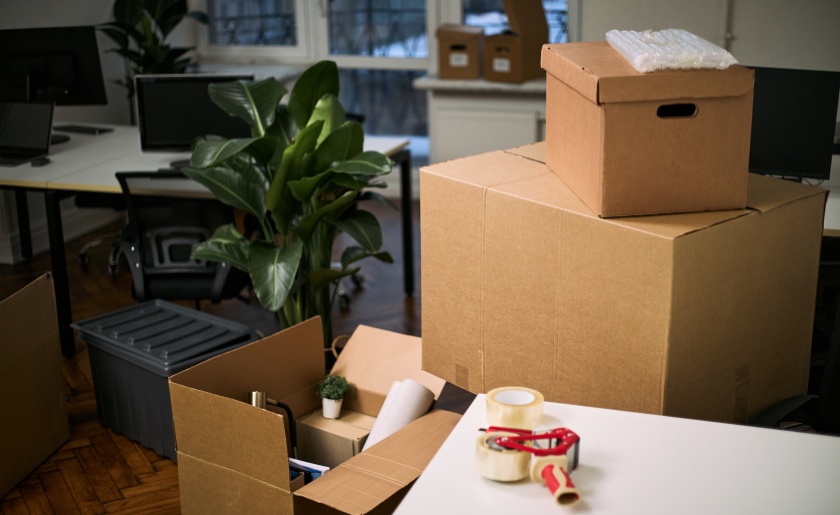
On supplies: if budget is tight, free boxes are out there on Nextdoor, at the U-Haul Box Exchange, and at liquor and grocery stores. But hunting them down takes time you may not have, so when you’re truly in a hurry, buying a moving kit or ordering boxes is often the smarter spend. Do splurge on good tape guns and thick markers regardless. Cheap tools slow everything down.
2. Pack room by room
Working one room at a time keeps you oriented and gives you a satisfying sense of progress. Start with the spaces you use least, since they’re quick wins:
1. Storage areas first. Attics, basements, and closets are full of things you rarely touch.
2. Guest rooms and offices next. Seasonal items and old files can be boxed early with no disruption to daily life.
3. Kitchen and bedrooms last. Pack the seldom-used appliances and spare bedding first, and leave everyday dishes and the clothes you’re actually wearing until the end.
Finishing one room before starting the next keeps boxes organized by space and stops the whole house from becoming a half-packed maze.
3. Use packing shortcuts
This is where a hurried move can beat a leisurely one. A few techniques save real hours:
Don’t think, pack. Abandon the dream of perfectly themed boxes. If the water glasses need to ride with the board games, so be it. As long as everything is packed safely, you can sort at the other end. The one exception: always note when a box holds fragile items.
Wrap breakables in what you own. Socks, towels, T-shirts, and linens cushion glassware and dishes better than you’d think, and they need packing anyway. You save money, materials, and a trip to the store.
Leave clothes on their hangers. Wrap a sturdy garbage bag around a bundle of hanging clothes from the bottom up and cinch the drawstring around the hooks. At the new place, hang them and pull the bag off. No folding, no wrinkle-fest.
Move drawers as-is. If a dresser isn’t too heavy, take the full drawers straight to the truck, or move the whole dresser with clothes inside. No need to empty and refill.
Don’t pack what won’t make the trip. Toss expiring pantry items and sickly plants rather than paying to transport them.
4. Keep boxes easy to move and near the door
A packed box has to be carried, so weight matters as much as fit. The rule is counterintuitive: put heavy things in small boxes and light things in big ones. A single book is nothing, but a large box full of them can be nearly unliftable. Reserve the big boxes for pillows and comforters, and try to keep any box under about 50 pounds. Marking “HEAVY” on two-person boxes saves backs on moving day.
As each box is sealed, move it to a staging area by the entrance. It keeps your living space clear, stops clutter from building up around you, and turns loading day into a quick relay instead of a scavenger hunt through the house.
5. Pack an “open first” box (and a personal bag)
This is the tip nobody regrets. Before you seal up your life, set aside one clearly labeled box you could genuinely live out of if the move hit a delay, plus a personal bag for each family member.
Think of it as packing for a trip. The box should hold your tools and scissors, toilet paper, paper towels, hand soap, a few paper plates, a flashlight and spare bulbs, cleaning supplies, chargers, snacks, and a pen and paper with your important numbers written down (utilities, landlord, internet) in case your phone dies before you can find the charger. Tools especially should be the last thing packed and the first thing unpacked, because something will always need assembling.
Each person’s bag holds medications, key documents, toiletries, chargers, and a couple of changes of clothes. Load these last so they’re the first things off the truck.
When to fall back on self storage
A rushed move rarely leaves time to sort through everything you own, and a storage unit is often the cleanest way to solve that. But when you use it depends on the kind of move you’re making:
- Moving locally? Stage things into a nearby unit before move-out day. Clearing out the non-essentials early makes the home you’re packing far easier to work in.
- Moving to another city or state? Offload the “not sure yet” pile into a unit near your new home once the move is essentially done.
A couple of practical pointers keep storage working for you:
Get the size right. Too small means a second trip or a second unit; too large means paying for empty air. Our storage unit size guide and calculator takes the guesswork out of it, letting you estimate the space your belongings need before you commit, which matters even more when you’re booking in a hurry.
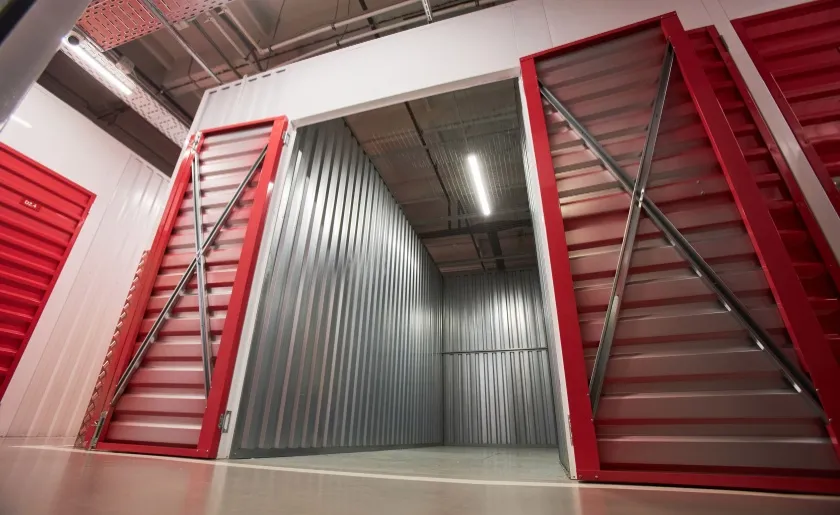
Think about what you’re storing. If any of it is vulnerable to heat, cold, or humidity, such as wood furniture, electronics, artwork, documents, instruments, or anything with delicate finishes, a climate-controlled unit shields it from the temperature and moisture swings a standard unit can’t buffer. For valuables you plan to keep, that small premium is cheap insurance.
Storage makes the most sense when you’re downsizing and the new place genuinely can’t hold everything, when there’s a gap between your move-out and move-in dates, or simply when the clock has run out on sorting. It’s a convenient way to turn a time problem into a space problem, and space problems are much easier to solve later.
Just be intentional. Treat the unit as a deliberate pause, not a place where forgotten belongings quietly rack up monthly fees for years. Set yourself a date to deal with it, and it earns its keep.
Bottom line
Moving in a hurry is stressful, but the goal is simple: get your belongings to your new home safely and keep yourself sane in the process. Sort the logistics first, declutter hard, use storage to buy yourself breathing room, and lean on shortcuts and helpers wherever you can. Unpacking might take a little longer than usual, but you’ll have made it. And that’s the part that counts.
FAQ on moving in a hurry
How little time do I realistically need to move?
People pull off a full-house move in as little as three to five days when they commit to it. The limiting factor usually isn’t packing, it’s booking transport, so lock that down first and everything else compresses to fit.
Should I hire movers or do it myself when I’m this rushed?
If your budget allows it, full-service movers buy back the most time, since they pack, load, and drive. If money is tight, the hybrid option, a rental truck plus a few hours of hired labor, gives you most of the speed for less. Pure DIY only makes sense if you have willing helpers lined up already.
How far ahead do I need to book a truck or movers?
As early as humanly possible, even if it’s only a day or two out. Availability, not price, is what disappears on short notice, especially near month-end, weekends, and summer. Call several places at once instead of waiting on quotes one by one.
Is decluttering really worth it when the clock is running?
Yes, it’s one of the few things that saves time rather than costing it. Every item you drop is one you don’t pack, move, pay for, or unpack. Sort into donate, sell, and toss, and get the discards out of the house the same day.
How do I protect fragile items without proper packing supplies?
Use what you already own. Towels, linens, socks, and T-shirts cushion glassware and dishes well and need packing anyway. Just be sure to mark those boxes fragile so they don’t get stacked under something heavy.
What’s the one thing I shouldn’t skip no matter how rushed I am?
The “open first” box and a personal bag for each person. Keep tools, chargers, medications, toiletries, key documents, and a couple of changes of clothes with you, and load them last so they come off first. It’s the difference between a stressful first night and a functional one.



Moving From a House to an Apartment: What to Expect, How to Downsize & How Self Storage Helps
For some, moving from a house to an apartment is a financial decision. For others, it’s about simplifying life. Maybe the kids have moved out and half the house sits empty, or you’re approaching retirement and no longer want to spend weekends on repairs. Or perhaps you’ve been weighing the cost of buying a home and wondering whether renting simply makes more sense right now.

Family Heirlooms Overload: How to Handle Family Inheritance Without Regret
Handling family heirlooms after a loss requires managing legal authority, emotional pressure and practical logistics at the same time, and the order you take them on matters more than most people expect.
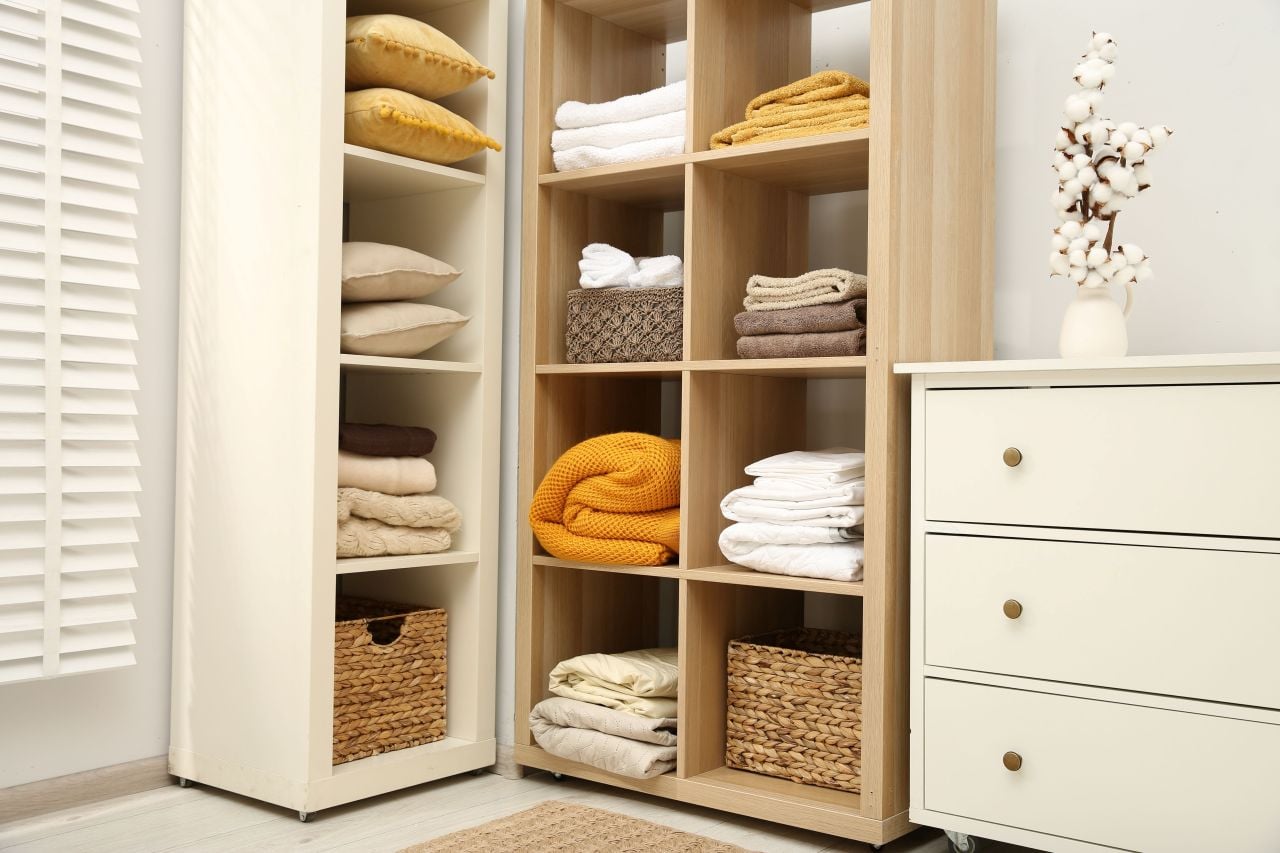
Blanket Storage: The Right Method for Every Space and Season
Blankets make our lives cozier, and storing them well is what keeps them soft and comfortable in the long run. Knowing how to store a blanket properly means your favorites come out of storage smelling fresh, feeling the same as when they went in, and lasting years longer than they otherwise would.

Board Game Storage Ideas That Keep Your Collection in Fighting Shape
Nobody warns you that getting into board games usually unlocks a second hobby, the much dreaded one that includes figuring out where on earth to put them. One game becomes a few, expansions start spawning beside their base boxes and before long, board game storage requires as much strategy as whatever is waiting on the other side of those lids.

Storage Locker vs. Storage Unit: What’s the Difference?
A locker and a unit may sound like two names for the same four walls and a lock, and depending on the storage facility, you may even see the terms used that way. However, once you start comparing available spaces, storage lockers tend to occupy the smaller end of the spectrum, while storage units(opens in new tab) give you considerably more room to work with.

Storage Ideas for Small Spaces: 9 Ways to Max Out Your Home
A messy home contains the seeds of its organization. Those seeds are everywhere: the space above doors, under beds, behind sofas and inside furniture can all become storage. Here are the best storage ideas for small spaces, so you can make the most of your cozy home.

Best U.S. Cities to Live Uncluttered: Plano, TX, Offers the Most Room to Breathe
Clutter is in our homes as much as in our heads. Both are shaped by where we live.
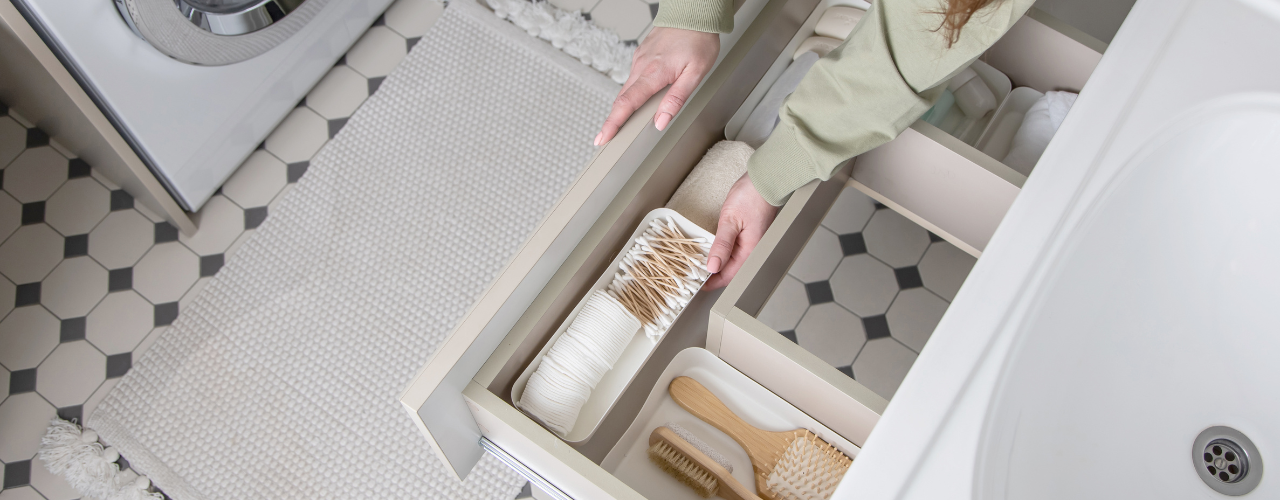
How to Organize Your Bathroom: 8 Ways to Stay Tidy
You already know why an organized bathroom is worth the effort, but let us remind you: it makes rushed mornings easier, keeps counters cleaner and just helps get you in the mood to go through your skincare routine like you should. Plus, in bigger households, it helps everyone find what they need. And you know how much a tidy bathroom counts for your self-esteem when a guest or a partner shows up. Luckily, you don’t need a degree to know how to organize your bathroom. The secret is keeping less, giving every item a home and making that home simple to use. Let’s go through some practical steps can help you create a bathroom that stays functional and nice to look at.

How to Use Silica Gel Packets for Storage
Moisture can cause significant damage to items in storage, leading to rust on tools, mold on clothing and warping in documents. Silica gel uses science to fix that. Often found in small packets inside product packaging, silica gel is a desiccant that absorbs moisture from the air, keeping your stored items dry and protected. This guide explains what silica gel is, how it works and how you can use it to preserve your belongings in self storage.