

A drive-up storage unit is a ground-level space with an exterior roll-up door, a lot like a detached garage. Units are usually arranged in rows with wide, paved aisles between them, so you can pull a car, van, or moving truck directly up to your door during access hours. The key feature is the access, and it comes in a few forms:
- Uncovered outdoor units arranged in rows, with the drive aisle open to the sky.
- Covered drive-in bays, where you can pull your vehicle into a sheltered area (or fully inside) and stay protected from the weather while you load and unload.
- Ground-level units inside a facility that you reach through wide drive-through aisles, some of which are even climate controlled.
Whatever the setup, there are no stairs, no elevators, and no long hallways to navigate. You drive up, load or unload, lock up, and go.
Here’s everything you need to know to decide whether it’s the right fit for you.
How drive-up storage works
The process is simple. You enter the facility through the main gate using your personal access code, drive to your unit, and park right in front of the door. You load or unload your items, secure the space with your own lock, and drive out.
That direct-access setup is a real advantage during move-in day, when you’re transferring a lot of items from a truck at once. You can back a moving truck right up to the entrance and create a straight path for furniture and appliances, no tight corners required.
The pros of drive-up storage
Loading is far easier. Moving heavy furniture, appliances, or stacks of boxes gets much simpler when you’re not hauling everything across a parking lot or through a building. It saves both time and effort.
It’s great for frequent access. If you need to grab items regularly, whether it’s business inventory, seasonal gear, or supplies for an ongoing project, drive-up access removes the hassle. Pull up, grab what you need, and leave.
It handles oversized items well. Large furniture, appliances, and bulky equipment slide straight from your vehicle into the unit. Wide roll-up doors give dollies and hand trucks plenty of clearance.
It’s typically the most affordable option. Because these units are outdoors and usually aren’t climate controlled, they tend to be the budget-friendly choice for the space you get.
Larger sizes are common. Drive-up units skew toward the bigger end of the spectrum, which makes them a natural home for large storage units if you’re storing the contents of a whole house or a workshop’s worth of equipment.
The cons to consider
The main tradeoff is temperature. Most drive-up units don’t include climate control, so the interior warms up and cools down along with the weather outside. For a lot of belongings, that’s a non-issue. But some items, especially collectibles, don’t handle temperature and humidity swings well, including:
- Wood and leather furniture
- Electronics
- Photos and artwork
- Antiques and heirlooms
- Musical instruments and important documents
If you’re storing anything sensitive, valuable, or sentimental, a climate-controlled indoor unit is the safer bet. This is especially important if you’re living in a place with extreme temperature swings. Everything else typically does just fine in a drive-up space year-round.
Drive-up vs. indoor storage
Both options tend to be secure, clean, and easy to access, so the decision usually comes down to two things: temperature control and convenience.
Drive-up units sit on the ground floor with exterior access, prioritizing easy loading and frequent access. Indoor units sit inside a larger building, are often climate controlled, and shield you from the weather while you organize. The catch with indoor storage is that you might land on an upper floor, and while most facilities have elevators, a stairs-only building can make heavy items a chore.
A quick way to decide is to think about what you’re storing and how often you’ll visit. Storing temperature-sensitive items long-term? Go for an indoor unit. Need convenient, in-and-out access to furniture, tools, or gear? Drive-up wins.
What to store in a drive-up unit
Drive-up storage shines for items that shrug off temperature changes. Good candidates include:
- Tools and workshop or garage equipment
- Sports and camping gear like bicycles and kayaks
- Seasonal decorations and patio furniture
- Lawn and garden tools
- E-commerce and business inventory that rotates regularly
Small businesses lean on drive-up units for retail inventory, contractor tools, and seasonal merchandise. Landscaping companies are a classic example, since they need somewhere to park mowers, trimmers, and snowblowers and swap equipment based on the day’s jobs.
Vehicle storage
Depending on the size you rent, a drive-up unit can double as a garage for a vehicle. That’s a lifesaver if your apartment lacks parking or your HOA won’t allow certain vehicles in the driveway. A 10×20 unit fits most compact cars and sedans, making car storage straightforward, and drive-up access means you can pull your vehicle out whenever you need it.
The same logic applies to recreational vehicles. Motorcycles, ATVs, jet skis and snowmobiles all store well in a drive-up unit. For bigger vehicles, look into dedicated boat storage and RV storage options, since those often call for specialized space and clearance.
Choosing the right size
Drive-up units come in a range of sizes, so match the space to your load:
- 5×5: Not the most common size for drive-up units, they are about as large as a small closet. Good for seasonal decor, gardening supplies, or a handful of boxes.
- 5×10: Fits a medium bedroom’s worth of items, like a queen bed plus a few extras. Popular with college students.
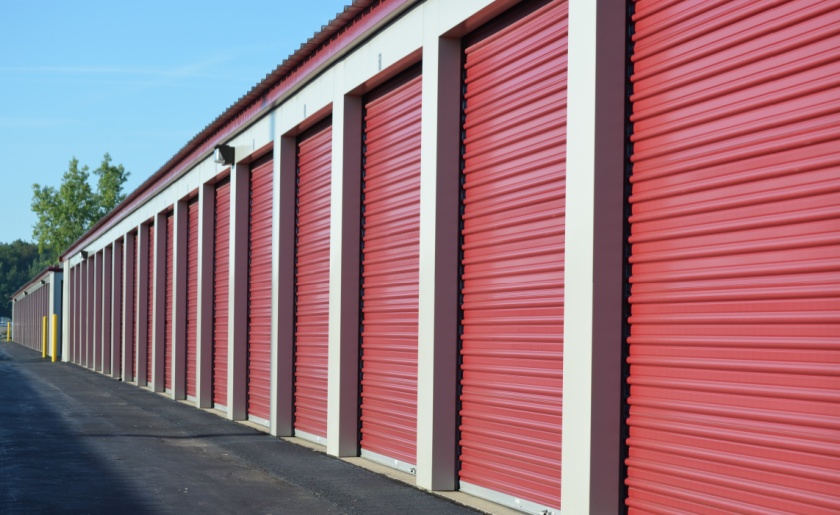
- 10×10: Holds a one-to-two-bedroom apartment. A solid choice during a move or remodel.
- 10×15: Versatile enough for a two-bedroom apartment or condo, with room for heavier furniture.
- 10×20 or 10×30: Roughly a one-car garage. Handles a multi-bedroom home’s contents or a vehicle. Sometimes, these large units are sold off as storage condos.
When in doubt, walk your inventory list through with the facility team so you don’t pay for space you won’t use, or run out of room mid-move.
Is drive-up storage secure?
Yes. Exterior access doesn’t mean lower security. Facilities typically feature self storage security such as gated entry with personal codes and video surveillance, well-lit driveways, and staff monitoring during business hours. You supply your own lock for your unit, so you control access to your belongings.
A few tips for using your unit
To make the most of your drive-up unit, here are a few organization hacks:
- Use plastic bins instead of cardboard. They resist moisture and stack more easily.
- Elevate items on pallets. This keeps belongings off the floor and helps preserve them over time.
- Keep frequently used items near the front. You’ll be able to make quick stops without unloading the whole unit.
Bottom line
Drive-up storage is worth it when you value easy loading, frequent access, and affordability, and when the items you’re storing can handle the weather. For furniture, tools, gear, inventory, and vehicles, it’s hard to beat. If you’re storing anything temperature-sensitive or truly irreplaceable, spend a little more on climate control instead.
Weigh what you’re storing against how often you’ll access it, pick the right size, and a drive-up unit will make your storage experience noticeably simpler.



Scary Good DIY Halloween Decorations That Won’t Haunt Your Wallet
A few floating candles in the hallway, a family of ghosts by the front door and a suspicious number of bats climbing up the bedroom wall can make October feel a whole lot spookier. While Halloween stores are full of tempting finds, some of the best DIY Halloween decorations can come from things you already have tucked away in drawers, closets or the recycling bin.
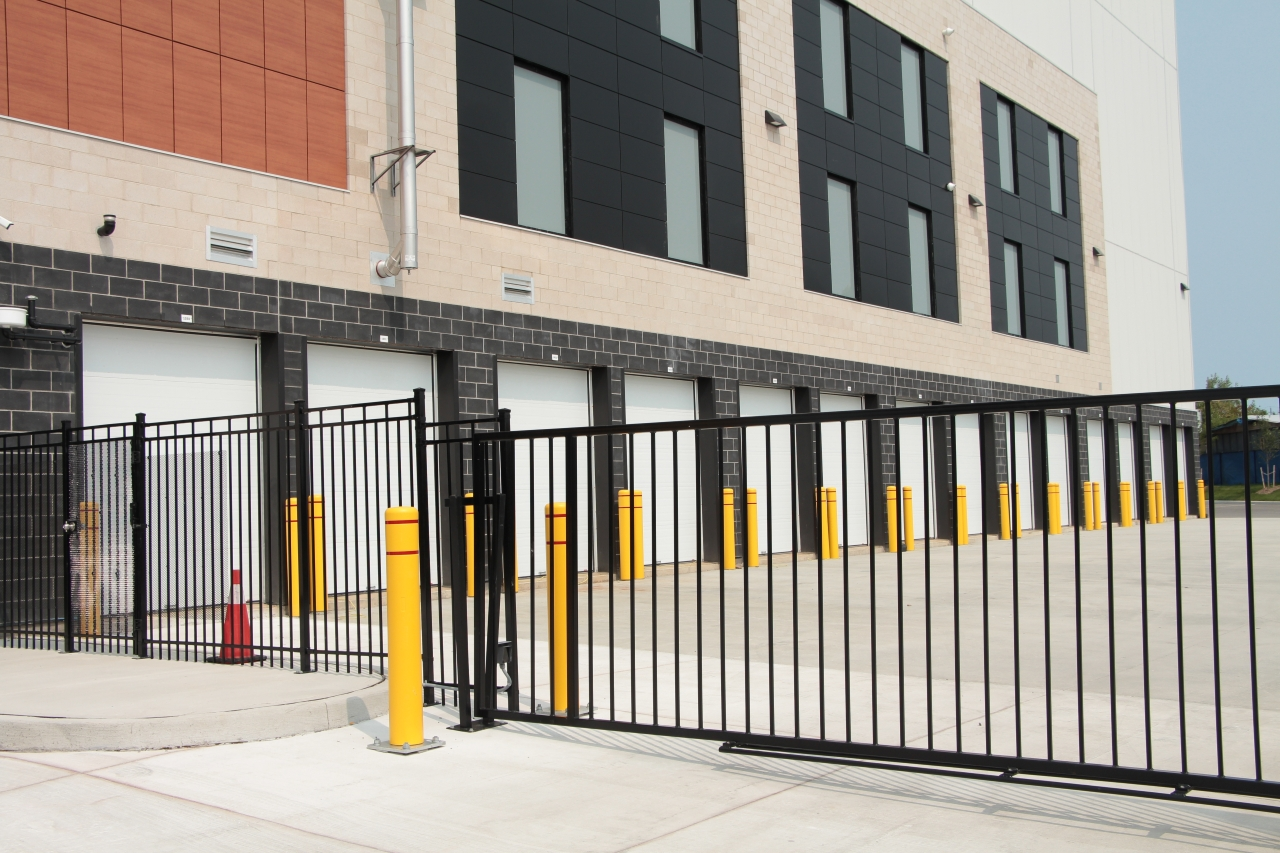
Suburban Giants and Urban Risers: Where America’s 100 Largest Metros Fall on the Self Storage Map
Self storage has long been a suburban story. Across America largest 100 metros, 59% of the inventory built over the past decade sits outside city cores, largely preserving the ratio of the total existing inventory.

Sweatshirt Storage Ideas Worth Keeping Up Your Sleeve
Sweatshirts are great until you realize how much room they take up. A few thick hoodies can fill a drawer fast, with lighter crewnecks getting squashed underneath or pushed somewhere you forget about. Good sweatshirt storage can make that pile much easier to manage without requiring a bigger closet.

Living Room Storage Ideas: 28 Ways to Reclaim Your Hosting Space
If a living room is where most of a household’s living happens, good storage should be the top priority for setting up or revamping the place. After all, think of how easier it would be to have people over when tidying up the place is just a matter of putting things in their right place (in a time when fewer and fewer people are entertaining friends at home(opens in new tab)). The trick is making room for all those wayward clothes, blankets, chargers and other small things that end up on (or, inexplicably, in) the sofa. Here are 28 living room storage ideas to get you started and make tidying up a quick affair.
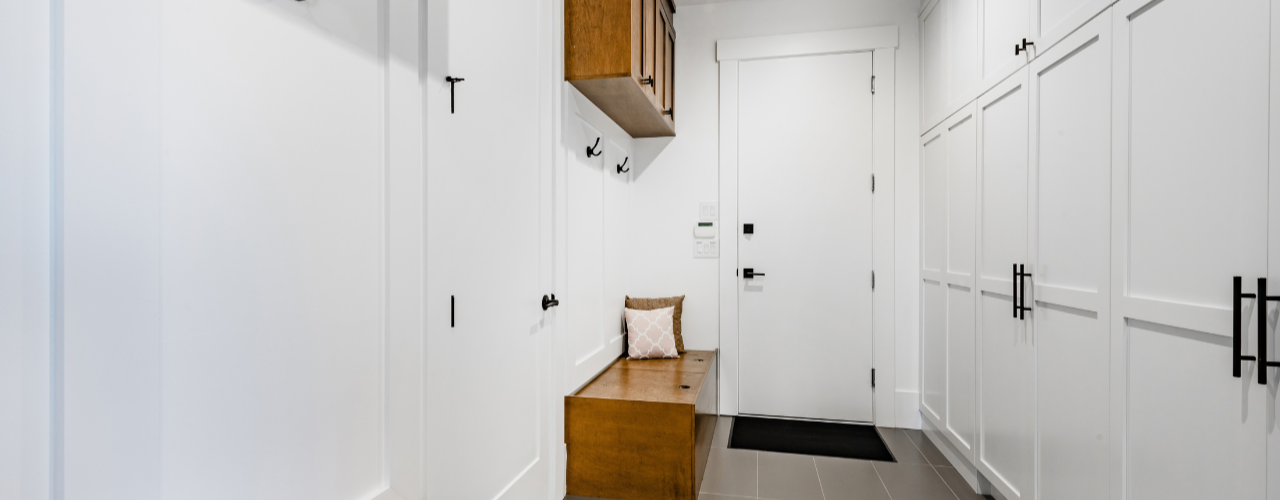
25 Mudroom Storage Ideas (And Mistakes to Avoid)
When you come home with muddy boots, an armful of bags and a coat you can’t wait to take off, it’s nice to have somewhere to put it all. With a mudroom, you can leave the outdoor mess at the door instead of carrying it through the house. Traditionally, you’d set aside a separate room, but you can just as easily use a hallway, an entryway closet, a laundry-room corner or a stretch of wall near the entrance.

Is Your Home Office Worth the Rent? What Coworking and Self Storage Could Save You
Every square foot of your apartment comes with a price tag, and a home office claims more of them than most renters expect. It starts with a desk. Then come the second monitor, the printer, the filing cabinet and the overflow boxes. Before long, the corner you set aside for work has turned into a small room you are paying for every month.

Best U.S. Cities to Live Uncluttered: Plano, TX, Offers the Most Room to Breathe
Clutter is in our homes as much as in our heads. Both are shaped by where we live.

America’s Top Snowbird Destinations for 2026–2027: Florida Leads in Numbers, Texas Wins on Value
For Americans living in colder states, the approach of winter is reason enough to start looking south. Cold weather carries costs that go beyond the heating bill and shoveling snow. Seasonal affective disorder(opens in new tab) is far more prevalent in northern states, so a temporary move south isn’t simply an escape from the cold, but a chance to spend the hardest stretch of winter outdoors and in the sun.

How Much Does Halloween Really Cost in 2026? Plan Wisely to Avoid the Scare of Hidden Costs
Americans’ love for Halloween is almost frightening — this year alone, we are on our way to spending $13.5 billion, according to data from the National Retail Federation(opens in new tab). That breaks down to about $115 Halloween costs per person, a whopping 49% more than 10 years ago.