
2026’s Best Cities for Roommates: Irvine, CA, and Atlanta, GA, Lead in Shared Living Gains


Key Takeaways
- Irvine, CA, Atlanta, GA and Raleigh, NC lead the nation for roommate value, combining strong annual savings with livability.
- Renters can save about $6,700 per year on average by splitting a two-bedroom instead of renting a one-bedroom alone.
- Nearly 5.6 million renter households share housing today, a 21% increase over the past decade.
- Millennials and Gen Xers together account for nearly half of all roommate households, reflecting broader affordability pressures across age groups.
- Self storage can tip the scales in favor of having a roommate. A 5×5 unit – enough for books, clothes, and seasonal items – costs about $53/month on average nationwide. That’s roughly 3% of the average rent, a small trade-off compared to the savings of shared living.
Americans sharing a two-bedroom apartment instead of renting a one-bedroom alone can save, on average, about $6,700 per year. In some of the country’s most expensive cities, including Irvine, California, or Jersey City, New Jersey, the savings gap widens to around $13,000. For a growing share of renters, living with roommates is less of a lifestyle arrangement and more a conscious financial strategy.
The scale of shared living reflects how common this strategy has become. Nearly 5.6 million U.S. households — about 12% of the total — now rent with roommates, a number that has climbed 21% over the past decade. With 43.5 million households spending more than 30% of their income on housing, according to Harvard’s Joint Center for Housing Studies, splitting housing costs can be the difference between accessing opportunity and being priced out. For many Americans, living with roommates turns high-demand, job-rich metros into financially viable choices rather than out-of-reach aspirations.
The financial impact is tangible across various income levels and cities. At the high end, consistent roommate savings over a few years can meaningfully accelerate a down payment fund. At the national average, $6,700 a year is enough to fund an emergency savings cushion, pay down high-interest debt, or cover a year of student loan payments for many borrowers.
Self storage makes the roommate equation even easier to justify. A 5×5 self storage unit — enough for books, clothing, gear and seasonal items — averages $53 a month nationwide, roughly 3% of the average monthly rent. That modest trade-off gives each person a place for belongings that don’t fit comfortably in shared space, keeping the arrangement practical from day one.
Living with roommates spans every generation now
Generation Z accounts for the largest share of roommate renter households – about 46%, or 2.55 million. That aligns with life stage realities: early-career salaries, student loan payments, job mobility and a desire to live in urban cores where rents are higher. Shared housing makes it possible to enter competitive markets without sacrificing location.
But roommates are no longer confined to young adults. Millennials represent roughly 34% (1.9 million) of renter households with roommates. For this group, shared living often reflects a different calculation: navigating high rents in family-friendly metros or rebuilding savings after pandemic-era disruptions. Meanwhile, 11% (632,000) of roommate households are headed by Gen X renters. For them, roommates can be tied to life transitions such as divorce or downsizing, or simply a pragmatic approach to rising housing costs later in life.
This generational spread highlights a broader lifestyle shift. Roommate living is no longer just about youth culture; it increasingly responds to structural affordability pressures that cut across age groups.
Roommate capitals of the U.S.
Where roommates get the best mix of savings and livability across major U.S. cities
To pinpoint where living with roommates offers the strongest mix of financial benefit and day-to-day livability, StorageCafe analyzed the country’s 100 largest cities across multiple factors, including:
- Roommate prevalence & availability
- Financial implications of living with a roommate vs. living on your own
- Livability and amenities, including personal space per person for those living in roommate households
- Availability of storage options, including self storage.
Many of the strongest roommate hotspots are concentrated in the South and Southwest as well as parts of the Mountain West. Cities like Atlanta, GA, Raleigh, NC, and Tampa, FL, continue to attract new residents and expand their job base. That steady inflow of newcomers increases rental demand, and shared housing often becomes a transitional, lower-cost option while people get established, explore neighborhoods and decide on longer-term plans. Splitting housing costs offers flexibility in markets that are growing quickly.
California markets tell a different story. In cities such as Irvine or San Diego, roommates are often less about tapping into rapid growth and more about managing persistently high housing costs. Here, shared living shifts from convenience to necessity.
Another significant trend is emerging in suburban and secondary cities within larger metro areas. Places like Irvine in Orange County, Chandler and Gilbert in the Phoenix metro, and Colorado Springs along the Front Range have absorbed a large share of recent apartment development: newer apartment inventory, often at slightly lower price points than the urban core, oftentimes with layouts that are well-suited for roommates. These locations still offer access to the larger metro’s job market, transit links and amenities, offering a balance between affordability and economic opportunity.
Self storage has also picked up on that demand and delivered. In cities like Irvine, more than 236,000 square feet of new storage space has been added over the past decade — about twice the pace seen in the 2010s — giving renters more options to store the things that don’t quite fit at home. The same trend is visible in Gilbert, Arizona, where storage space has grown by over 100,000 square feet in recent years. For roommates, that extra capacity can make a noticeable difference. Instead of squeezing bikes, boxes or seasonal gear into shared living areas, renters have more flexibility to stay organized – and avoid some of the everyday friction that comes with living together.
Overall, it’s the mix of lifestyle perks and financial benefits that makes these cities stand out for roommates. If you’re living in – or considering a move to – one of them, you’re more likely to get the most out of the shared living experience.
Below, we break down the top cities where living with roommates delivers the greatest financial and lifestyle advantages.
1. Irvine, CA
- $12,800 saved annually by sharing a two-bedroom
- 510 sq. ft. of living space per roommate on average
- 25% of renter households have roommates
Nearly one in four renter households in Irvine shares their home, one of the highest roommate rates among large U.S. cities, and that share has surged 136% over the past decade. In a city where renting a one-bedroom alone can absorb close to 32% of income, splitting a two-bedroom brings that closer to 20%, resulting in almost $13,000 a year in savings.
Space is not as tight as many might expect. When bedrooms and common areas are factored in, roommates average around 510 square feet per person, a comfortable setup by Southern California standards. Much of Irvine’s housing consists of newer, master-planned apartment communities with pools, fitness centers and landscaped courtyards, so shared living often takes place in well-appointed buildings rather than older walk-ups.
With UC Irvine anchoring the city and major employment centers spread throughout Orange County, demand comes from students, researchers and professionals who want proximity without paying a premium to live alone.
A 5×5 storage unit in Irvine runs around $54 a month, less than 2% of the average monthly rent in the market. For students, researchers and professionals juggling surfboards, skis, seasonal clothing and work gear, it’s a straightforward way to keep shared space functional without giving anything up.
2. Atlanta, GA
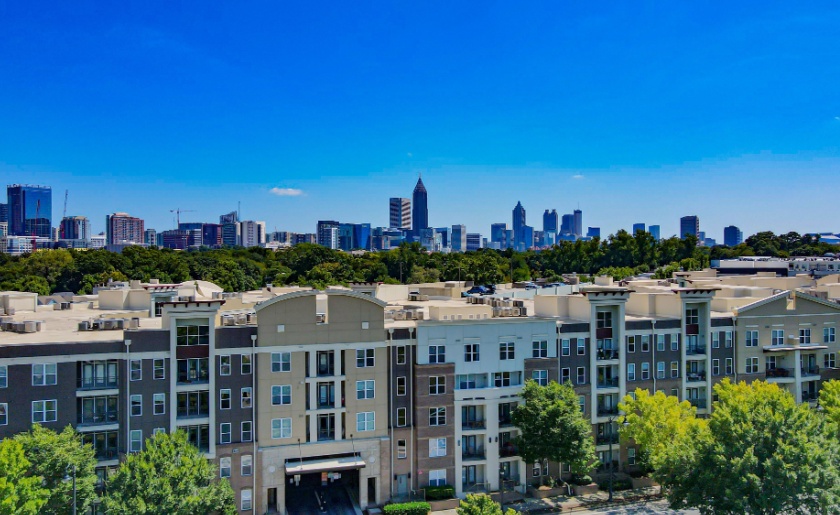
Atlantic Station neighborhood in Atlanta, Georgia
- $8.900 saved annually by sharing a two-bedroom
- 535 sq. ft. of living space per roommate on average
- 17% of renter households have roommates
More than 21,600 renter households in Atlanta share their home, a figure that has climbed nearly 60% over the past decade. Renting solo here is not as punishing as in coastal markets, with a rent-to-income ratio around 24%, but splitting a two-bedroom brings that down to just under 14%. That difference adds up to roughly $8,900 in savings each year. Interest in roommate living is strong, too. Atlanta ranks sixth among the nation’s largest cities for online searches related to finding roommates or shared housing.
Space is generous by big-city standards. Roommates average about 535 square feet per person, which makes shared living feel far less cramped than many expect. Atlanta’s self storage market is well-supplied, with 5×5 units typically running $52 a month, around 3% of the local average rent.
Atlanta’s newer apartment communities also tend to come packed with amenities. Pools, fitness centers and resident lounges are common, which means home often feels like an extension of the social scene rather than just a place to sleep.
Beyond the buildings, the city delivers. From packed restaurants and cafes along the BeltLine to concerts, Hawks games and a thriving restaurant scene, Atlanta ranks among the very top large cities for access to entertainment and lifestyle amenities. There is always somewhere to go, which makes shared living feel balanced and dynamic.
3. Raleigh, NC
- $8,100 saved annually by sharing a two-bedroom
- 515 sq. ft. of living space per roommate on average
- 17% of renter households have roommates
Roommate living has grown steadily in Raleigh, with shared renter households up nearly 48% over the past decade, in line with the influx of young professionals, recent graduates and newcomers relocating for tech, research and healthcare jobs tied to the Research Triangle.
Currently, about 17% of renter households in Raleigh live with roommates. Renting alone can push housing costs close to 28% of income, but splitting a two-bedroom brings that down to around 15%, saving roughly $8,100 a year.
Raleigh also makes day-to-day logistics easier. On-site storage is available in roughly 41,000 apartments, placing the city near the top nationally on that front, while a small 5×5 self storage unit rents for under $50 per month. For roommates sharing hobbies, seasonal gear or extra furniture, that flexibility matters. Parking is another practical plus. With about one parking space per bedroom in most apartment communities, there is less friction over who parks where.
4. Tampa, FL
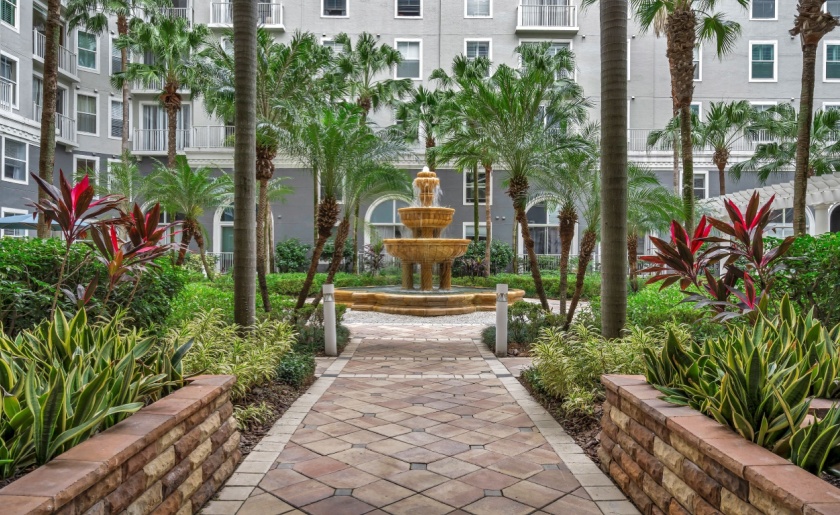
Harbour Island neigborhood, Tampa, Florida
- $9,200 saved annually by sharing a two-bedroom
- 501 sq. ft. of living space per roommate on average
- 14% of renter households have roommates
More than 12,500 renter households in Tampa share their home, up 36% over the past decade. As a city that attracts both tourists and new residents year-round, Tampa’s popularity has put steady pressure on housing costs. Living alone in a one-bedroom now means spending just over 30% of income on rent, a level considered cost-burdened. Splitting a two-bedroom brings that closer to 19%, freeing up nearly $9,200 a year.
That breathing room goes a long way in a city built around lifestyle. From waterfront parks and boating weekends to Lightning games and a steady stream of concerts and festivals, Tampa ranks high for access to restaurants, live entertainment and sports venues. With more than 50 lifestyle establishments per 10,000 residents, there is no shortage of ways to spend time outside the apartment.
Self storage units are widely available across the metro, with 5×5 units available for under $50 per month — useful for beach gear, seasonal items or the extra furniture that accumulates when two households combine into one.
5. San Diego, CA
- $10,000 saved annually by sharing a two-bedroom
- 491 sq. ft. of living space per roommate on average
- 19.5% of renter households have roommates
Nearly 57,000 renter households in San Diego live with roommates, up more than 12,000 over the past decade. About 19.5% of renter households share housing. In a city where renting a one-bedroom can claim more than 31% of income, splitting a two-bedroom lowers the rent burden to around 19% and puts close to $10,000 a year back into renters’ budgets.
Space is a bit tighter here than in some other top cities. Roommates average about 490 square feet per person, which reflects San Diego’s premium on location. Many buildings help offset that with practical features. On-site storage is common, while 5×5 self storage units are widely available across the metro, making it easier to manage surfboards, bikes or seasonal gear without crowding the apartment.
For renters who want to stay close to the coast, major employers and neighborhoods like North Park or La Jolla, sharing a lease is one of the most realistic ways to balance beach access, career opportunities and financial stability.
6. Austin, TX
- $7,700 saved annually by sharing a two-bedroom
- 503 sq. ft. of living space per roommate on average
- 19% of renter households have roommates
Austin’s roommate population has grown by nearly 40% over the past decade, tracking the city’s rapid expansion and steady influx of newcomers. Currently, close to 19% of renter households share housing. Renting alone typically absorbs about 25% of income, but splitting a two-bedroom brings that closer to 15%, saving more than $7,700 annually.
Space is relatively comfortable for a high-demand market. Roommates average just over 500 square feet per person, which allows for a workable balance between privacy and shared living. Much of Austin’s rental stock is made up of newer complexes, many equipped with pools, clubhouses and fitness centers. Those built-in amenities make it easier to socialize and unwind, avoiding feeling cooped up inside with another person, and without adding extra costs to the monthly budget.
7. Denver, CO
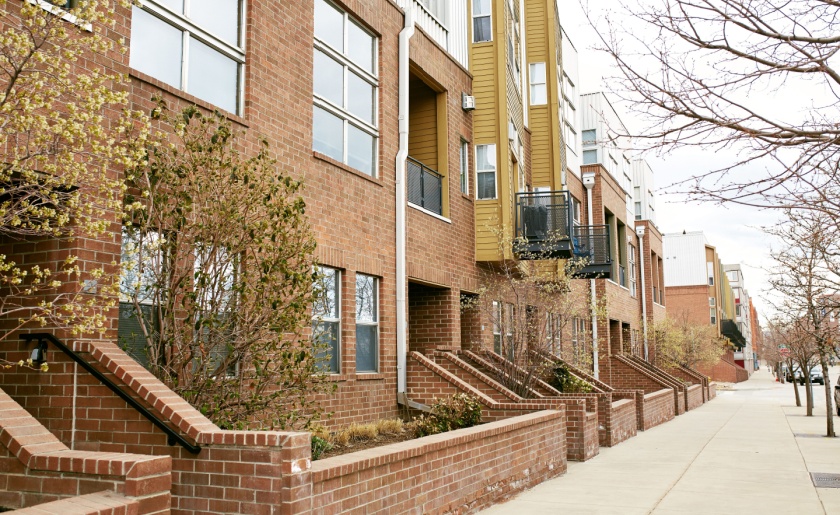
River North Arts District, Denver, Colorado
- $8,000 saved annually by sharing a two-bedroom
- 511 sq. ft. of living space per roommate on average
- 20% of renter households have roommates
Denver continues to attract newcomers drawn to its job market and outdoor lifestyle, and shared living has grown alongside that appeal. Nearly 36,000 renter households now include roommates, up 44% over the past decade. Renting a one-bedroom on your own means spending just over a quarter of income on housing. Splitting a two-bedroom lowers that to around 15%, putting roughly $8,000 a year back into renters’ budgets.
Space remains relatively comfortable for a fast-growing metro. Roommates average about 511 square feet per person, which gives shared households room to breathe. And in a city where weekends often mean heading to the mountains, storage flexibility matters. A small 5×5 self storage unit in Denver costs around $50 per month, making it easy to stash skis, snowboards, camping gear, coolers or hiking equipment without turning the living room into a gear closet.
8. Chandler, AZ
- 9,600 saved annually by sharing a two-bedroom
- 512 sq. ft. of living space per roommate on average
- 16.5% of renter households have roommates
Chandler has become a popular landing spot for people relocating to the Phoenix area, especially those moving for tech and semiconductor jobs in the East Valley. Over the past few years, the city has added a wave of new apartment communities, so renters are often choosing from modern buildings with updated kitchens, resort-style pools and shaded outdoor spaces designed for Arizona living.
Roommate living has grown quickly here. The number of shared renter households has climbed nearly 75% over the past decade, now reaching close to 6,700. Renting alone can take up almost 28% of income, but splitting a two-bedroom brings that closer to 15%. That works out to roughly $9,600 in savings each year.
The setup tends to be practical, too. Many complexes include amenities as part of everyday life, from fitness centers to community courtyards, and a good share offer on-site storage for extra belongings. Parking is usually planned per bedroom, not just per apartment, which makes sharing a place far less complicated. For renters who want newer housing, warm evenings in Downtown Chandler and an easy commute to major employers, teaming up with a roommate offers space, comfort and a financial cushion all at once.
9. Nashville, TN
- $7,600 saved annually by sharing a two-bedroom
- 510 sq. ft. of living space per roommate on average
- 17% of renter households have roommates
Nashville’s growth over the past decade has been hard to miss. Corporate relocations, a strong healthcare industry and its ever-expanding music and tourism scene have kept new residents arriving year after year. As housing costs have risen alongside that popularity, shared living has followed. Roommate households are up nearly 59% in ten years, now totaling around 27,500, or 17% of renters in the city.
For someone renting alone, a one-bedroom typically claims just over 28% of income. Sharing a two-bedroom lowers that to about 16%, freeing up roughly $7,600 a year. In a city where nights out can easily turn into ticketed concerts and weekend brunches, that extra cushion matters.
Nashville also makes it easy to step outside the apartment. The city ranks ninth nationally for park access, with expansive green spaces like Percy Warner Park and Shelby Bottoms offering room to breathe. On the cultural side, there are about 34 restaurants, performance venues and sports locations per 10,000 residents. Between live music, Predators games and a strong local dining scene, roommates have plenty of reasons to spend time out and about.
10. Colorado Springs, CO
- $8,300 saved annually by sharing a two-bedroom
- 477 sq. ft. of living space per roommate on average
- 14% of renter households have roommates
Colorado Springs rounds out the top 10 with steady growth in shared living. Over the past decade, roommate households have increased by more than a third, reflecting the city’s rising appeal among military families, young professionals and remote workers drawn to its setting at the foot of the Rockies.
Renting a one-bedroom on your own can push housing costs close to 30% of monthly income. Sharing a two-bedroom brings that down to around 16%, creating roughly $8,300 in annual savings. For many renters, that shift provides meaningful breathing room in a market that has grown more competitive in recent years.
The lifestyle factor plays a role, too. With Pikes Peak in view and quick access to hiking, climbing and weekend camping trips, shared households often juggle outdoor gear alongside everyday essentials. A small 5×5 self storage unit in Colorado Springs costs about $42 per month, an affordable way to stash camping equipment, bikes or seasonal items without crowding the apartment. Thus, splitting the rent here often feels like a practical move that supports both financial stability and an outdoors-focused way of life.
Roommate momentum continues in cities ranked 11 through 20
Just outside the top 10, the cities ranked 11 through 20 show that roommate living remains a smart financial move across very different types of markets. In some places, rapid growth and steady in-migration keep demand high. In others, elevated housing costs make sharing less of a choice and more of a strategy. Either way, splitting rent continues to unlock meaningful savings.
In cities such as Phoenix, Orlando and Dallas, population gains and job growth have kept rental markets active, even as new apartment construction adds supply. In Phoenix, roommates save about $7,000 per year. In Orlando, where a large service and healthcare workforce relies heavily on rental housing, sharing a two-bedroom can translate into roughly $8,300 in annual savings. Dallas, a magnet for corporate relocations and expanding industries, offers savings of around $6,750 per year for those who split a lease. In these markets, shared living often helps newcomers land in desirable neighborhoods without stretching their budgets too thin.
San Antonio and Charlotte represent slightly more moderate but still compelling cases. Both cities have added significant multifamily supply in recent years, helping keep rents relatively stable. Even so, roommates in San Antonio save about $5,900 annually, while Charlotte continues to see strong roommate demand among young professionals drawn to finance and tech roles.
On the West Coast, the calculus is different. In San Jose, one of the country’s most expensive rental markets, sharing a home can save about $10,200 per year, making roommates a practical entry point rather than a lifestyle preference. Los Angeles follows a similar pattern, with roughly $7,800 in annual savings, where splitting rent often makes staying close to job centers feasible.
Suburban growth hubs also feature prominently. Roommates in Gilbert, Arizona combine strong East Valley access with about $8,300 in annual savings, while Virginia Beach pairs steady regional employment with a well-established house-sharing culture.
The overlooked key to better roommate living: making space with self storage
Sharing a home requires a bit of give and take, and friction often starts with everyday space issues rather than big disagreements. One roommate’s camping gear left in the hallway for weeks, another’s extra kitchen appliances taking over cabinets, or boxes stored in common spaces because there is nowhere else to put them. Add to that the items many of us keep for sentimental reasons — photo albums, childhood mementos, family heirlooms, collections — and it becomes clear how quickly a shared apartment can start to feel crowded. When personal belongings spill into common areas, privacy and comfort tend to disappear.
A small self storage unit can solve that pressure point without changing your living arrangement. A 5×5 unit, roughly the size of a standard hall closet, is typically enough for off-season clothing, holiday decorations, skis, camping gear, luggage, spare chairs, hobby equipment or keepsake boxes. These are items you value but do not need daily access to. Moving them off-site keeps shared areas open and allows the apartment to function as a home rather than a storage catch-all.
The financial case is strong at a national level. Nationally, a small storage unit rents for about $53 per month on average, roughly 3% of the average rent nationally. Meanwhile, the average annual savings alone from sharing a two-bedroom instead of renting a one-bedroom alone approach $6,700. Even after covering the cost of storage, renters typically remain thousands of dollars ahead.
The gap widens dramatically in certain high-cost markets. Jersey City, for example, is the city where renters save the most annually by sharing a home, with average savings reaching about $13,000 per year. A 5×5 storage unit there costs around $74 per month, or just under $900 per year. Even at that higher storage rate, the net savings remain substantial.
Self Storage Costs Across Major U.S. Cities
Source: StorageCafe analysis of Yardi Matrix data (Data as of Feb. 2026 | Pub: Apr. 2025)In practical terms, that means a few hundred dollars spent on storage can help protect significant housing savings while also preserving privacy, reducing everyday friction and keeping shared living genuinely comfortable.
Roommate living in 2026 is less about life stage and more about financial strategy. In growth markets, it helps newcomers land and stay flexible. In high-cost metros, it provides access that might otherwise be out of reach. Across the country, the math is consistent: splitting rent frees up thousands of dollars each year, creating room for savings, stability and long-term goals.
Below, you can check out the all the cities analyzed in our study and the full set of data used for ranking them:
Expert Opinions
To find out more about what living with roommates truly entails and what trends are now shaping shared living across the U.S., we turned to experts in the field.
Matt Hutchinson, SpareRoom CEO
What does it really take to maintain a harmonious roommate relationship?
Home is where we’re our truest selves, which can be a blessing, but occasionally a curse. Harmonious roommate relationships rely on compromise, communication, kindness and respect. It’s worth keeping in mind the things that cause the most disputes between roommates. Cleanliness is right up there, followed by noise, and money. So, if you keep communal areas clean and tidy, make an effort not to wake people when you come home late, pay your rent and bills on time, and contribute fairly to shared household supplies, then you’re off to a great start.
How important is compatibility when choosing a roommate?
Living with the right people beats living alone, and finding the right people for you is the key here. There’s no such thing as the perfect roommate, just the perfect roommate for you.
Make sure your values and expectations align. Ask what they look for in a roommate as this can be revealing. Some roommates hope to be good friends and socialize with the people they live with, others are happy just to be friendly. Check if your routines are compatible so you don’t disrupt each other’s sleep. And check if your cleanliness expectations are in sync. Some people like their home pristine, others are happy with a bit of mess – do your versions of ‘clean’ align?
What practical steps can roommates take to prevent disputes?
Head off arguments by discussing how you want the household to operate and write up a roommate agreement, which can be referred to if needed. It could cover how cleaning and other chores are to be divided up, how you’ll handle any disagreements, and rules on other potentially contentious issues like overnight guests and working from home.
Of course, the best thing you can do is properly communicate your expectations before people move in to make sure you’re all on the same page.
Roommate living in 2026 is less about life stage and more about financial strategy. In growth markets, it helps newcomers land and stay flexible. In high-cost metros, it provides access that might otherwise be out of reach. Across the country, the math is consistent: splitting rent frees up thousands of dollars each year, creating room for savings, stability and long-term goals.
Methodology
This analysis was conducted by StorageCafe, an online platform that provides nationwide listings of storage units.
For this report, we analyzed the 100 most populous cities in order to identify the best ones for living with roommates. We looked at key housing, economic and demographic indicators. The final ranking reflects a 1-100 score, resulting from a weighted average score based on the metrics presented below:
The data on self storage rates comes from Yardi Matrix, StorageCafe’s sister division, which offers a business development and asset management tool used by brokers, sponsors, banks, and equity sources for underwriting investments in the multifamily, office, industrial, and self storage sectors.
Fair use and distribution
This study serves as a resource for the general public on issues of common interest and should not be regarded as investment advice. The data is true to the best of our knowledge, but may change if amendments to it are made. We agree to the distribution of this content, but we do require a mention in return for attribution purposes.

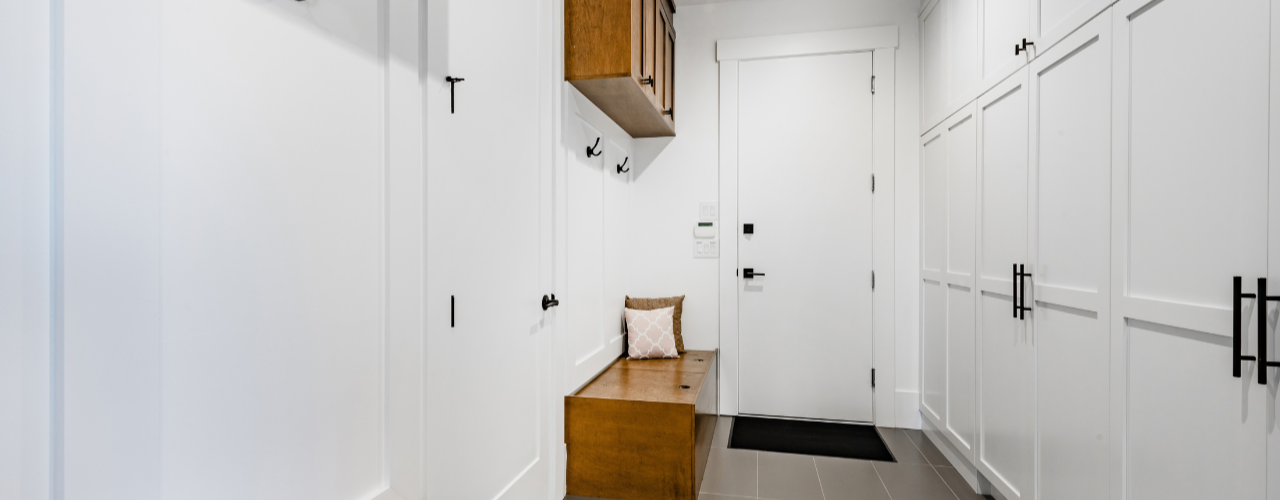
25 Mudroom Storage Ideas (And Mistakes to Avoid)
When you come home with muddy boots, an armful of bags and a coat you can’t wait to take off, it’s nice to have somewhere to put it all. With a mudroom, you can leave the outdoor mess at the door instead of carrying it through the house. Traditionally, you’d set aside a separate room, but you can just as easily use a hallway, an entryway closet, a laundry-room corner or a stretch of wall near the entrance.
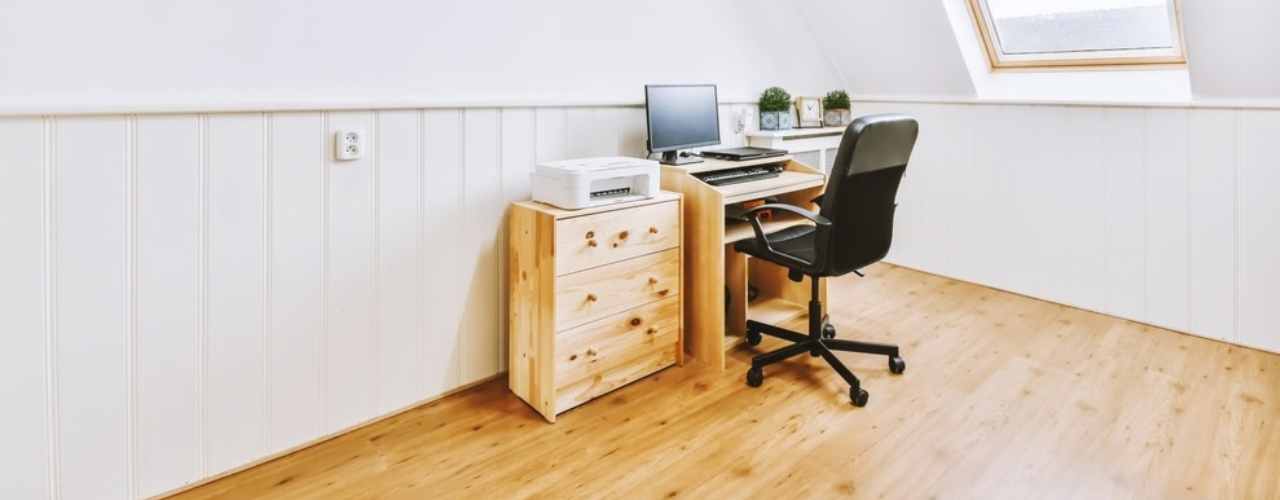
Is Your Home Office Worth the Rent? What Coworking and Self Storage Could Save You
Every square foot of your apartment comes with a price tag, and a home office claims more of them than most renters expect. It starts with a desk. Then come the second monitor, the printer, the filing cabinet and the overflow boxes. Before long, the corner you set aside for work has turned into a small room you are paying for every month.

America’s Top Snowbird Destinations for 2026–2027: Florida Leads in Numbers, Texas Wins on Value
For Americans living in colder states, the approach of winter is reason enough to start looking south. Cold weather carries costs that go beyond the heating bill and shoveling snow. Seasonal affective disorder(opens in new tab) is far more prevalent in northern states, so a temporary move south isn’t simply an escape from the cold, but a chance to spend the hardest stretch of winter outdoors and in the sun.

How Much Does Halloween Really Cost in 2026? Plan Wisely to Avoid the Scare of Hidden Costs
Americans’ love for Halloween is almost frightening — this year alone, we are on our way to spending $13.5 billion, according to data from the National Retail Federation(opens in new tab). That breaks down to about $115 Halloween costs per person, a whopping 49% more than 10 years ago.
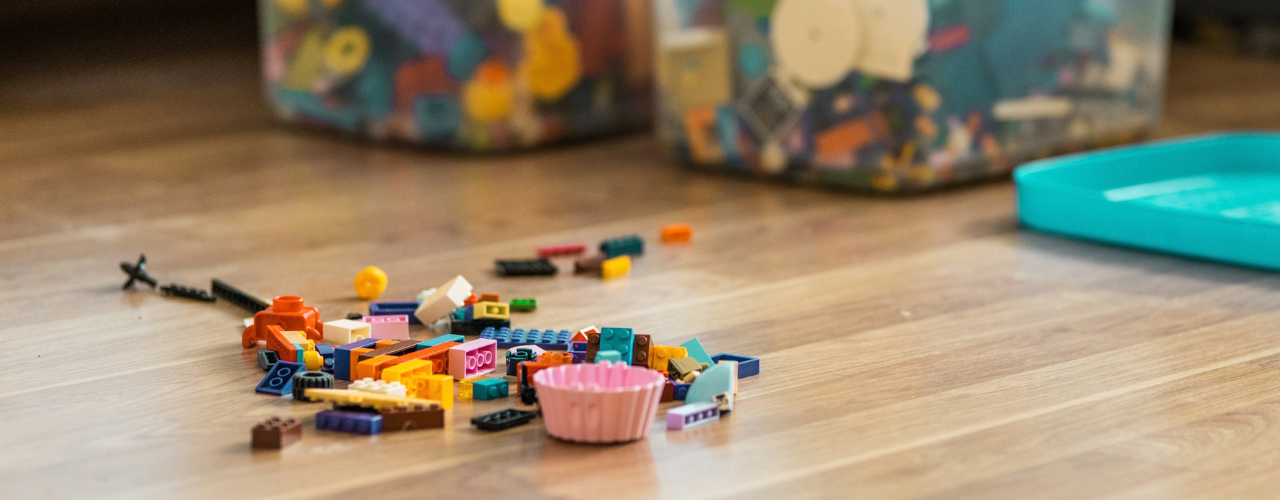
How to Store LEGOs: All the Fun, None of the Clutter
How to store LEGOs largely comes down to how your household uses them. If the bricks are part of everyday play, you need a setup that keeps them within easy reach and makes cleanup quick (for your feet’s sake, at least). Toy storage(opens in new tab) such as simple bins, playmats or containers that children can put away themselves may be enough. Larger or more serious collections usually need more organization, such as labelled drawers for loose pieces, trays for unfinished builds, shelves for completed models and separate storage for retired sets.

Cardboard Costume Guide: Tips and Ideas for a DIY Halloween
Whether for kids or adults, cardboard costume ideas often make the biggest splash once materialized, and that’s for a simple reason: doing a lot with a little is a universally impressive feat (especially in this economy). If you don’t have enough boxes you could temporarily repurpose, don’t worry! There are many places where you can find free moving boxes(opens in new tab), from stores and supermarkets to online groups and recycling drop-off spots. On the run? Try your luck at a self storage(opens in new tab) facility that sells moving supplies, often for cheap. This way, you can choose moving boxes of different shapes and sizes(opens in new tab), so you can make your costumes as complex as you want.

How to Celebrate Halloween: 9 Non-Spooky Ways To Enjoy It
As soon as October starts, it’s the official Halloween month. And while for many people it means it’s open season to get the scare of a lifetime, others, especially families with small children, might prefer to celebrate in a tamer way that’s both kid- and adult-friendly. While you’re likely to find more events where the spook factor is high, here’s how to celebrate Halloween in a not-so-scary way:

Motorcycle Storage Guide: How to Store Your Bike Safely
Motorcycles may be born to be wild, but eventually even the wild ones need somewhere to park. Whether riding season is winding down or your current living situation comes with plenty of square footage for you and less for your bike, motorcycle storage is one of those parts of ownership that doesn’t get as much airtime as the open road.

Halloween Decorating on a Budget (And Cheap Ideas for Everything Elsee)
Halloween has crept a long way from its eerie origins. While All Hallows’ Eve has transformed through the centuries, it wasn’t until the 1930s that trick-or-treating became a tradition in the U.S. and businesses began conjuring up mass-produced Halloween costumes. Now, Halloween is a monster-sized, billion-dollar industry, with a cauldron full of costumes and decorations ranging from the mainstream to the macabre. But is it all really worth your wallet? Maybe, but we’ll let you in on a little secret: You can keep your Halloween decorating on a budget and save on everything else, too. Take this plan and see it through!