

Storing your belongings in a self storage unit helps to keep them safe while also allowing you to live comfortably in your home without being overwhelmed by stuff. Fortunately, self storage is widely available across the country, and you can easily rent a self storage unit almost anywhere in the U.S.
However, after you’ve decided on a self storage unit, there’s one more thing that you must do. The same way you protect your home and belongings with home insurance, you need to get insurance for the items you put in self storage as well. As soon as you select a self storage facility and rent a unit, you have to purchase an insurance policy so that your belongings are protected from the moment you drop them off in self storage. Most storage facilities require that you have insurance, and many also provide policies, one of several insurance options for you. But it’s important that you understand what’s covered, what’s not covered, and that you shop around for the best self storage policy for your needs. So, here are the major things to consider when choosing self storage insurance:
What risks you are covered against
It’s important that the self storage insurance you choose covers a wide variety of risks. Storage facilities take many steps to ensure a safe environment for your belongings, but a lot of incidents can occur —from natural to man-made ones — resulting in damage to your belongings. The major risks that your insurance should cover include:
- Natural disasters (earthquakes, floods, storms, and so on)
- Explosions
- Fire
- Theft
- Vandalism
- Falling trees
- Damages from vermin
- Collisions from cars
- Impact from aircrafts or objects dropped from aircrafts
What items are covered
Read the insurance policy carefully to ensure that the belongings you are planning to store will be covered. Most insurance policies cover a wide variety of belongings: furniture, appliances, electronics, sports equipment, tools, and so on. Thus, chances are that your items will be covered as well — but it’s still better to check, particularly if you are storing something valuable (collectibles, for example).

How much money you will receive from a claim and whether it will cover your losses
The value of the goods in a storage unit can vary significantly from case to case. It’s one thing to store your garden furniture, out-of-season clothing and a lawnmower, and a whole other thing to store antique furniture or artwork. When purchasing a policy for your self storage unit, the most important thing is to ensure that, if your belongings are damaged or destroyed and you make a claim, the money you receive will cover your losses.
Instead of simply purchasing standard insurance that offers a fixed sum, you should calculate the actual value of what you are planning to store and get your insurance policy accordingly. That’s even more important when you are storing valuable items — valuables are usually covered up to a maximum value, so it would be a good idea to get separate or extra insurance for things like artwork and antiques.
The insurance company you are using
Do a bit of research on the insurance companies you are considering using before deciding on one. Make sure you select a trustworthy, reliable company. Search for information about the company online and check out reviews and feedback from customers. If you notice a pattern of complaints and dissatisfaction related to a company, you should avoid it, even if it has attractive prices.
Does your existing homeowner’s or renter’s insurance cover off-premises items?
Some homeowner’s and renter’s insurance policies cover personal possessions kept off-premises. However, generally, only some of the risks are covered — usually those from natural disasters or fire, but not damages from water, mold, mildew, vermin, and so on. Also, many policies cover up to 10% of your policy limit for the items in storage, which might be enough in some, but not all, cases. If you’re storing a large number of valuable belongings, the 10% limit might mean that they are not properly covered while in storage. Depending on your existing insurance and what you are planning to store, you can decide whether you should buy a separate policy for your self storage unit.


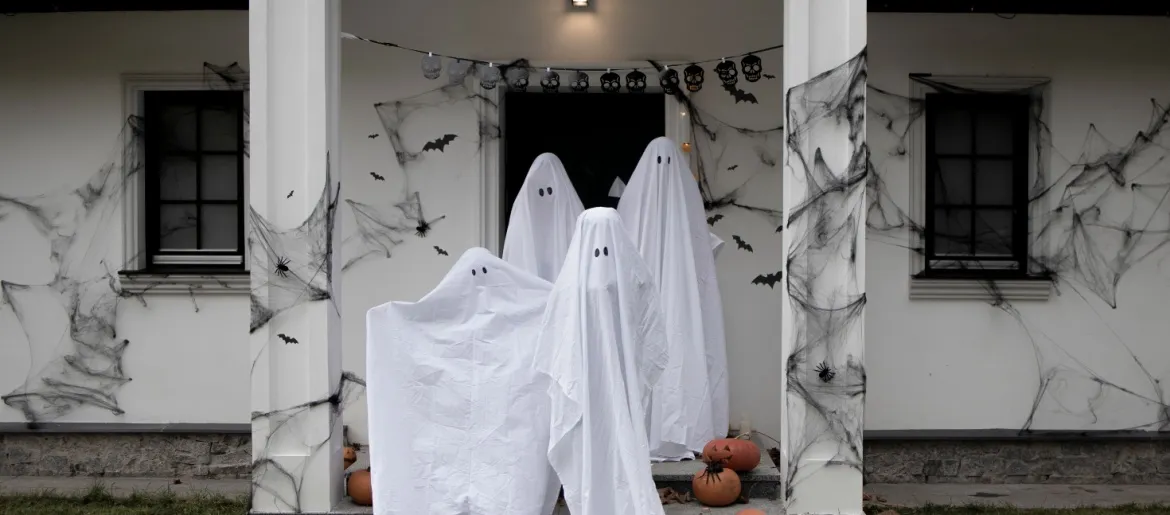
How much does Halloween really cost in 2026? Plan wisely to avoid the scare of hidden costs
Americans’ love for Halloween is almost frightening — this year alone, we are on our way to spending $13.5 billion, according to data from the National Retail Federation(opens in new tab). That breaks down to about $115 Halloween costs per person, a whopping 49% more than 10 years ago.
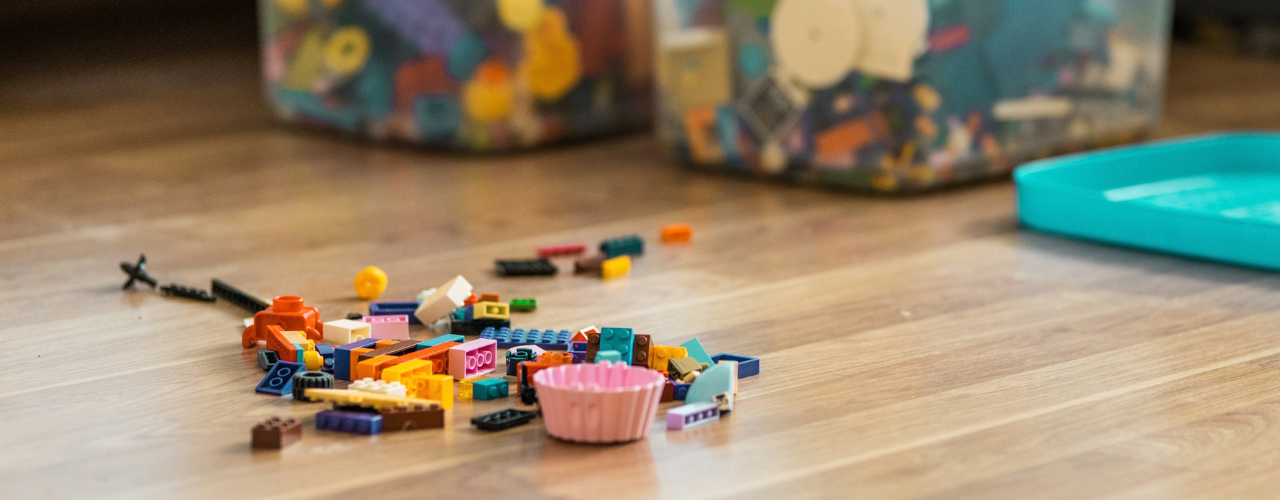
How to Store LEGOs: All the Fun, None of the Clutter
How to store LEGOs largely comes down to how your household uses them. If the bricks are part of everyday play, you need a setup that keeps them within easy reach and makes cleanup quick (for your feet’s sake, at least). Toy storage(opens in new tab) such as simple bins, playmats or containers that children can put away themselves may be enough. Larger or more serious collections usually need more organization, such as labelled drawers for loose pieces, trays for unfinished builds, shelves for completed models and separate storage for retired sets.

Cardboard Costume Guide: Tips and Ideas for a DIY Halloween
Whether for kids or adults, cardboard costume ideas often make the biggest splash once materialized, and that’s for a simple reason: doing a lot with a little is a universally impressive feat (especially in this economy). If you don’t have enough boxes you could temporarily repurpose, don’t worry! There are many places where you can find free moving boxes(opens in new tab), from stores and supermarkets to online groups and recycling drop-off spots. On the run? Try your luck at a self storage(opens in new tab) facility that sells moving supplies, often for cheap. This way, you can choose moving boxes of different shapes and sizes(opens in new tab), so you can make your costumes as complex as you want.

How to Celebrate Halloween: 9 Non-Spooky Ways To Enjoy It
As soon as October starts, it’s the official Halloween month. And while for many people it means it’s open season to get the scare of a lifetime, others, especially families with small children, might prefer to celebrate in a tamer way that’s both kid- and adult-friendly. While you’re likely to find more events where the spook factor is high, here’s how to celebrate Halloween in a not-so-scary way:

Motorcycle Storage Guide: How to Store Your Bike Safely
Motorcycles may be born to be wild, but eventually even the wild ones need somewhere to park. Whether riding season is winding down or your current living situation comes with plenty of square footage for you and less for your bike, motorcycle storage is one of those parts of ownership that doesn’t get as much airtime as the open road.

Halloween Decorating on a Budget (And Cheap Ideas for Everything Elsee)
Halloween has crept a long way from its eerie origins. While All Hallows’ Eve has transformed through the centuries, it wasn’t until the 1930s that trick-or-treating became a tradition in the U.S. and businesses began conjuring up mass-produced Halloween costumes. Now, Halloween is a monster-sized, billion-dollar industry, with a cauldron full of costumes and decorations ranging from the mainstream to the macabre. But is it all really worth your wallet? Maybe, but we’ll let you in on a little secret: You can keep your Halloween decorating on a budget and save on everything else, too. Take this plan and see it through!

Moving From a House to an Apartment: What to Expect, How to Downsize & How Self Storage Helps
For some, moving from a house to an apartment is a financial decision. For others, it’s about simplifying life. Maybe the kids have moved out and half the house sits empty, or you’re approaching retirement and no longer want to spend weekends on repairs. Or perhaps you’ve been weighing the cost of buying a home and wondering whether renting simply makes more sense right now.
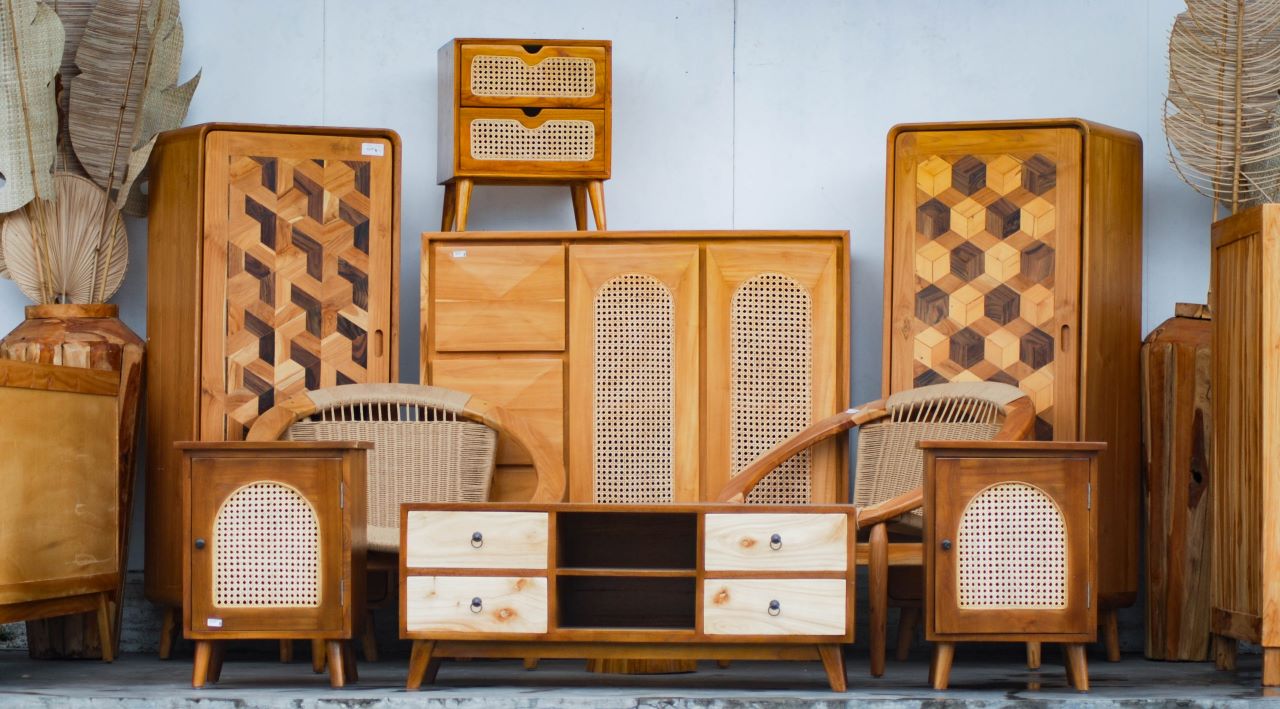
Family Heirlooms Overload: How to Handle Family Inheritance Without Regret
Handling family heirlooms after a loss requires managing legal authority, emotional pressure and practical logistics at the same time, and the order you take them on matters more than most people expect.
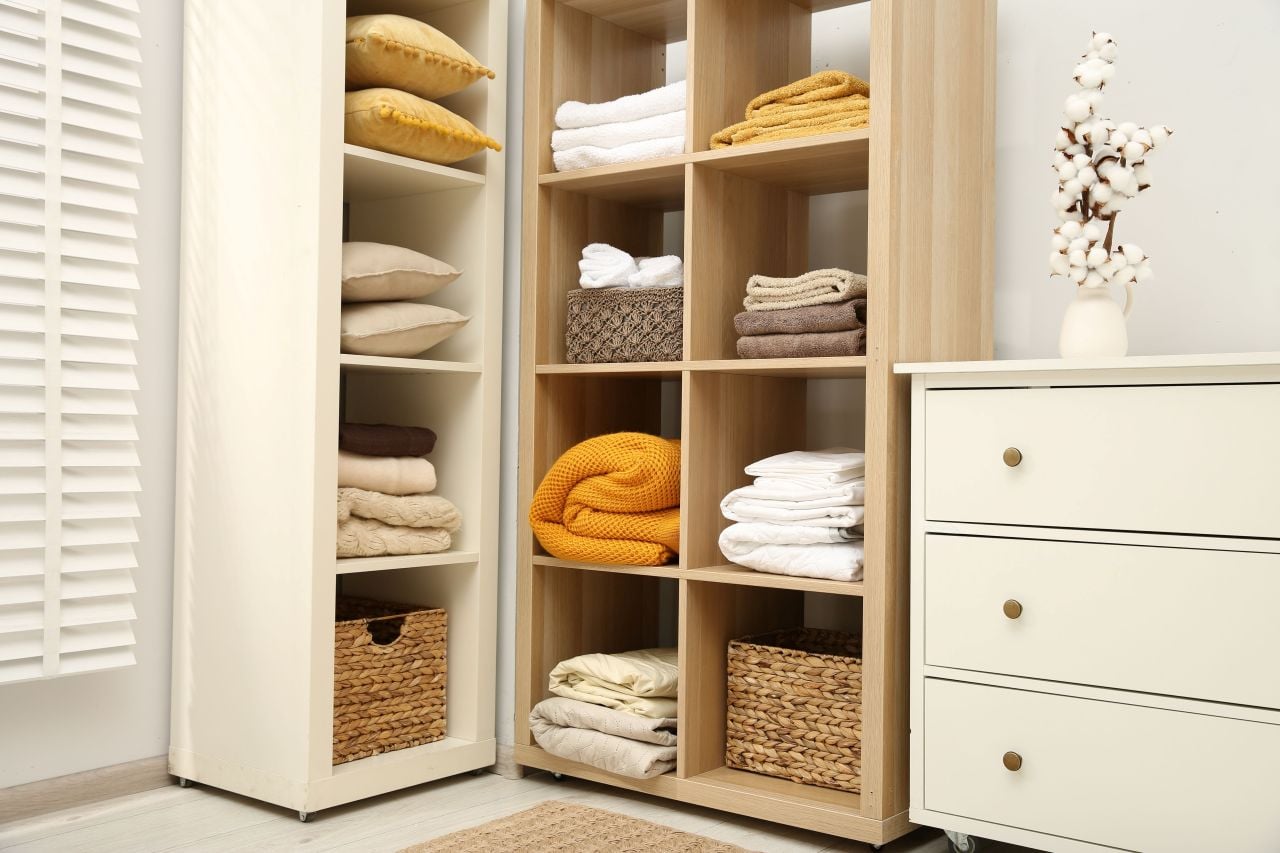
Blanket Storage: The Right Method for Every Space and Season
Blankets make our lives cozier, and storing them well is what keeps them soft and comfortable in the long run. Knowing how to store a blanket properly means your favorites come out of storage smelling fresh, feeling the same as when they went in, and lasting years longer than they otherwise would.