

You dreamed of the Friends apartment. Or maybe just a tidy place where you and your roommate had your own corners of the world. For couples, living together was supposed to feel like home. For multigenerational living, it was supposed to bring everyone closer. What nobody warns you about is that living together introduces a whole new layer of organization in shared spaces. Your stuff, their stuff and everyone’s habits are competing for the same square footage.
To get the most out of living in a shared space, every belonging needs both an owner and an address. Once those two things are clear, routines are easy to maintain and there’s one less reason to debate whose turn it is to clear the counter. For the things that have an owner but can’t quite find an address — a storage unit might just be the most peaceful roommate you’ll ever have. Chances are you’ll end up disagreeing about groceries sooner or later anyway — your storage system doesn’t have to join the argument.
Why do shared spaces become cluttered faster when living together?
Every extra person brings another set of everyday items moving through the same kitchen, entryway and living room. Without a system, those spaces turn into temporary parking lots for everyone’s belongings. The difference is that in a shared home, several people are making those same small decisions every day. A few everyday habits multiplied across an entire household can quickly turn small inconveniences into daily sources of friction.
Research backs this up, as people in cluttered homes report lower well-being and life satisfaction — and women tend to feel this most acutely, with clutter shown to raise cortisol levels as the day goes on in ways that don’t affect men the same way. That stress compounds with every extra person when you’re sharing the space with someone else.
Common clutter hotspots
Some areas naturally attract items because they’re part of everyone’s daily routine. Those include:
- The entryway: Shoes, bags, keys and unopened mail pile up after everyone gets home.
- The dining table: It transforms into a holding area for laptops, shopping bags, paperwork and anything waiting to be put away later.
- The living room: Blankets, chargers, books and clothing stay behind after people head to bed.
- The bathroom counter: Toiletries from multiple people slowly spread until there’s barely room left around the sink.
- The kitchen counter: Reusable bottles, lunch bags and grocery bags often linger long after meals are over.
How to reduce clutter in shared spaces
Most shared-space clutter comes down to things not having a clear home. These five habits fix that.
1. Create a landing spot before clutter lands
Many households find success with a “landing strip” near the entrance: a tray for keys, a basket for mail, hooks for bags and jackets or a small bin for anything that belongs upstairs but doesn’t need to make the trip immediately. Instead of scattering across the house, everyday items collect in one predictable place until they’re put away.
2. Give everyone a personal basket or bin in shared rooms
Rather than leaving belongings on shared surfaces, each person gets a small, labeled basket in the living room or entryway. When it’s full, it’s time to take things back to their room — the system sets its own natural limit without anyone having to say anything.
3. Adopt a “one-touch” rule for common areas
Interior designers recommend that items be touched only once — taken out and put away in a single motion — as a way to sustain organization in spaces where multiple people are making decisions daily.
4. Do a weekly 10-minute reset together
Spending just five to ten minutes each day helps combat clutter before it reaches its full potential, without requiring a big decluttering session. The goal is to keep it brief enough to weave into your cleaning routine, so it simplifies your life rather than adding another chore.
5. Keep the dining table for dining
Implement a simple rule that says nothing stays on the table overnight. Make the last person leaving the room responsible for resetting the table, whether that means returning a laptop to the office or carrying a mug back to the kitchen.
How do you keep shared spaces organized?
Good organization removes tiny decisions from your day. Give each person a dedicated space for their belongings, establish boundaries for hobbies, keep everyday essentials within reach and reserve shared surfaces for shared use only.
Once everyone follows the same system, things run more smoothly — no matter how many people live there. You won’t have to wonder whose keys you’re picking up by mistake when you missed the alarm.
The ideas below focus on habits that are easy to maintain because they fit naturally into the way people already move through a home.
Keep everyday essentials visible
The easiest items to lose are usually the ones you use every day, so give them a spot that’s both easy to reach and easy to remember. Nobody wants a real-life “Dude, Where’s My Car?” moment before coffee, except the mystery is your keys and your roommates are already late.
At the same time, not everything deserves to be in plain sight. Mail waiting to be sorted, and instruction manuals create visual noise — even when they’re stacked. Reserve a drawer, decorative box or cabinet for those in-between items so they stay accessible without taking over every flat surface.
The same thinking applies in the kitchen. Shared appliances like the blender, coffee maker or toaster don’t have to live on the counter just because they’re used often. If cabinet space allows, create an “appliance garage” where they can be tucked away between uses and pulled out when needed.
Give every person a defined zone
Assign every person a dedicated space for the belongings they use every day. That might be one shelf in the bathroom cabinet, one section of the refrigerator, one basket by the front door, one shelf on the bookcase or one catch-all basket in the living room.
People are surprisingly good at respecting physical boundaries. A labeled basket or designated shelf settles far more debates than repeatedly asking everyone to “please put your things away.” Once a space clearly belongs to someone, there’s less guesswork about where items should go and who’s responsible for them.
Think of each zone as having a built-in limit. When the basket overflows and it all starts feeling a bit too much, consider that your Bat-Signal — time to declutter. You know what they say, clutter is nothing but action delayed. The same goes for bathroom shelves, refrigerator bins and entryway storage. The key here is restraint.
One bonus of this approach is that tidying up becomes much faster. Instead of walking around the house trying to figure out where something belongs, everyone returns it to their own zone. Five minutes later, the room is back in order and nobody has accidentally adopted someone else’s hoodie.
Decide what belongs in common areas (and what doesn’t)
Settling this early removes a surprising number of recurring arguments. The fewer gray areas there are, the fewer debates about whose is whose.
A good test is whether everyone in the house benefits from having something out in the open. A stack of board games by the TV? Makes sense. A basket of throw blankets? Go for it. A bowl of fruit on the kitchen island? Nobody’s complaining.
Tax paperwork, prescription medication, passports and work files don’t pass the same test. They belong somewhere private — and somewhere you’ll find them when you need them. Common areas work better when they’re not doubling as everyone’s personal filing system.
The front door deserves a little restraint, too. For anyone with a serious shoe rotation, particularly in homes with several people coming and going, it’s a real pain. Keeping a couple of pairs by the entrance is practical, but keeping every pair you own there is how a hallway turns into a shoe store. If that’s becoming familiar, it may be time to rethink how to store shoes so only the pairs in rotation are present.
There’s another reason to be selective about what stays on display. Your brain notices it even when you stop consciously looking at it — visual clutter actively alters how information flows through the brain, making it harder to filter out what doesn’t matter. Closed cabinets, storage benches and drawers absorb that noise. Save open shelves for the things that add something to the room.
Establish clear boundaries for hobbies
Every hobby deserves its own space, but it also needs its own limits. Reserve a cabinet, or shelving unit for everything related to it and don’t give into the temptation to let it spill beyond those boundaries.
Maybe your roommate is deep into crafting a Bloodborne hunter cosplay — and if you’ve ever seen what cosplay storage requires, you’ll understand why it needs its own space — while you’re determined to finish that 6,000-piece Lord of the Rings set. Both hobbies deserve room to exist, but not everyone else wants to live inside them.
Some useful tricks to keep hobbies enjoyable include:
- Give each hobby a home. Every collection or project should fit inside one cabinet, one closet, one rolling cart or another clearly defined space.
- Display your favorites, not your entire collection. Collectors often follow an “80/20” approach: display around 20% of the pieces you enjoy most and rotate the rest every few months. The room feels fresh without looking overcrowded.
- Use project boxes for works in progress. Keeping current knitting, sewing or model-building projects inside a portable bin makes it easy to pick them up again without leaving supplies scattered everywhere.
- Set a finish line for temporary takeovers. Sometimes a puzzle needs extra room. Decide in advance how long it gets to occupy a shared surface before everything returns to its space.
- Store supplies separately from finished collections. Paints, fabric, yarn, LEGO bricks and craft tools are best managed when they have their own storage instead of sharing shelves with completed projects.
Create a shared utility station
Pick one place where every household essential lives, then make it the first place everyone checks. Instead of scattering batteries through three drawers, build a shared utility station that everyone knows by heart.
You could use it for storing:
- Scissors
- Batteries
- Screwdrivers
- Flashlights
- Measuring tape
- Charger cables
- First aid kit
A label on each section makes it easier for everyone to return things correctly without having to think about it. And before buying a second set of scissors, check the station first — if something is missing, replace it there rather than starting a new pile somewhere else. Homes with several people often end up owning duplicates because nobody remembers where the first one went.
A charging station is worth treating as its own dedicated spot within the utility area. A single multi-port charger where everyone plugs in overnight eliminates the dead-phone scramble in the morning and keeps cables from spreading.
Pro storage tip: The toe-kick beneath lower kitchen cabinets is more useful than you think. That narrow gap between the cabinet base and the floor is almost always wasted space. Shallow drawers fitted into it are perfect for awkward items that don’t quite fit anywhere else — baking trays, pizza stones, placemats or pet bowls.
Use self storage
Self storage works well for people living together because it solves the trifecta of problems no drawer organizer can — too much stuff, not enough space and nobody willing to be the one who throws things away.
More people are sharing homes than at any point in recent memory. Next time the neighbors get together for a barbecue, take a look around — out of every eight households, there’s a good chance one shares its home with roommates. About 12% of renter households now live this way, and families are consolidating too. Around 7% of U.S. family households are multigenerational — three or more generations under one roof — a number that has been climbing for over a decade.
And more people means more belongings. Sometimes two people simply own two complete lives — duplicate cookware, extra furniture, holiday decorations, hobby equipment and sentimental belongings. Moving infrequently used items into storage gives a shared home room to do its job properly.
A 5’x10’ storage unit is often enough for:
- Duplicate kitchen appliances
- Seasonal décor
- Spare furniture and keepsakes
- A second set of bedding or towels
- Sports and outdoor equipment used only part of the year
- Moving boxes and packing supplies
- A second bike
- Bulky fitness equipment
Meanwhile, a storage unit size calculator can help you choose the right size before moving anything.
Some belongings also deserve conditions your home can’t always provide. Family photographs, antique furniture, vintage clothing or musical instruments are better suited to climate-controlled storage, where they’re protected from swings in temperature and humidity.
This way, nobody has to part with Grandma’s China. Your home keeps the things that support everyday life, while everything else waits in storage until you’re ready to decide.
FAQ
What should you do with belongings when living together?
When living together for the first time, rather than forcing an immediate decision about what to keep, consider putting the overflow into a self storage unit temporarily. That gives both people time to live in the space before deciding what actually gets used and what can be sold, donated or stored long-term. Climate-controlled units are worth considering for anything sentimental or fragile.
How do you organize a small shared bedroom?
Vertical space is your first resource. Tall bookshelves, over-door organizers and under-bed storage containers all add capacity without shrinking the footprint. Assign each person a clearly defined zone — one side of the closet, one set of drawers — so there’s no ambiguity about where things belong. For items that don’t fit in the room but aren’t ready to leave permanently, a small self storage unit nearby can serve as a low-cost extension of your closet.
Can you share a storage unit with a roommate?
Yes, and for shared households it often makes financial sense. Most self storage facilities allow multiple people to be listed on a rental agreement, and a single unit can be divided informally using shelving or labeled bins — one more thing living with roommates teaches you to figure out together.
Living together can work for everyone
Organization in a shared home is mainly about reducing the number of frictions that add up over time. When every person has a defined space, every item has a clear home and the household runs on a few shared routines, the space tends to take care of itself.
Some of that work happens inside the home. Some of it, particularly for the belongings that matter but don’t need to be underfoot every day, happens offsite. A self storage unit near your home is just a search away.
Here’s to fewer “Whose is this?” conversations and a lot more “Whose turn is it to order pizza?”


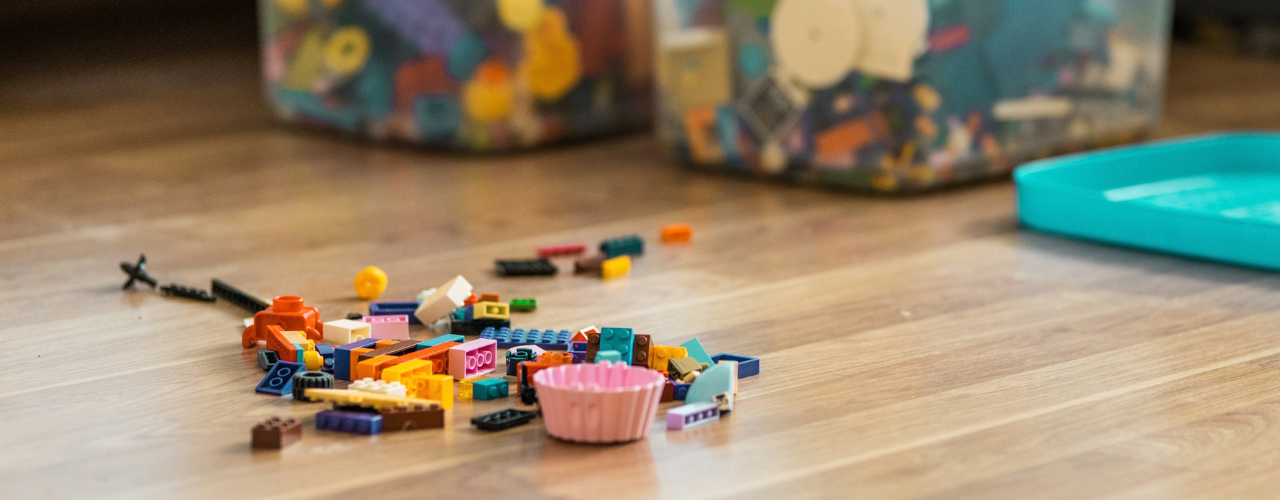
How to Store LEGOs: All the Fun, None of the Clutter
How to store LEGOs largely comes down to how your household uses them. If the bricks are part of everyday play, you need a setup that keeps them within easy reach and makes cleanup quick (for your feet’s sake, at least). Toy storage(opens in new tab) such as simple bins, playmats or containers that children can put away themselves may be enough. Larger or more serious collections usually need more organization, such as labelled drawers for loose pieces, trays for unfinished builds, shelves for completed models and separate storage for retired sets.

Cardboard Costume Guide: Tips and Ideas for a DIY Halloween
Whether for kids or adults, cardboard costume ideas often make the biggest splash once materialized, and that’s for a simple reason: doing a lot with a little is a universally impressive feat (especially in this economy). If you don’t have enough boxes you could temporarily repurpose, don’t worry! There are many places where you can find free moving boxes(opens in new tab), from stores and supermarkets to online groups and recycling drop-off spots. On the run? Try your luck at a self storage(opens in new tab) facility that sells moving supplies, often for cheap. This way, you can choose moving boxes of different shapes and sizes(opens in new tab), so you can make your costumes as complex as you want.

How to Celebrate Halloween: 9 Non-Spooky Ways To Enjoy It
As soon as October starts, it’s the official Halloween month. And while for many people it means it’s open season to get the scare of a lifetime, others, especially families with small children, might prefer to celebrate in a tamer way that’s both kid- and adult-friendly. While you’re likely to find more events where the spook factor is high, here’s how to celebrate Halloween in a not-so-scary way:

Motorcycle Storage Guide: How to Store Your Bike Safely
Motorcycles may be born to be wild, but eventually even the wild ones need somewhere to park. Whether riding season is winding down or your current living situation comes with plenty of square footage for you and less for your bike, motorcycle storage is one of those parts of ownership that doesn’t get as much airtime as the open road.

Halloween Decorating on a Budget (And Cheap Ideas for Everything Elsee)
Halloween has crept a long way from its eerie origins. While All Hallows’ Eve has transformed through the centuries, it wasn’t until the 1930s that trick-or-treating became a tradition in the U.S. and businesses began conjuring up mass-produced Halloween costumes. Now, Halloween is a monster-sized, billion-dollar industry, with a cauldron full of costumes and decorations ranging from the mainstream to the macabre. But is it all really worth your wallet? Maybe, but we’ll let you in on a little secret: You can keep your Halloween decorating on a budget and save on everything else, too. Take this plan and see it through!

Moving From a House to an Apartment: What to Expect, How to Downsize & How Self Storage Helps
For some, moving from a house to an apartment is a financial decision. For others, it’s about simplifying life. Maybe the kids have moved out and half the house sits empty, or you’re approaching retirement and no longer want to spend weekends on repairs. Or perhaps you’ve been weighing the cost of buying a home and wondering whether renting simply makes more sense right now.
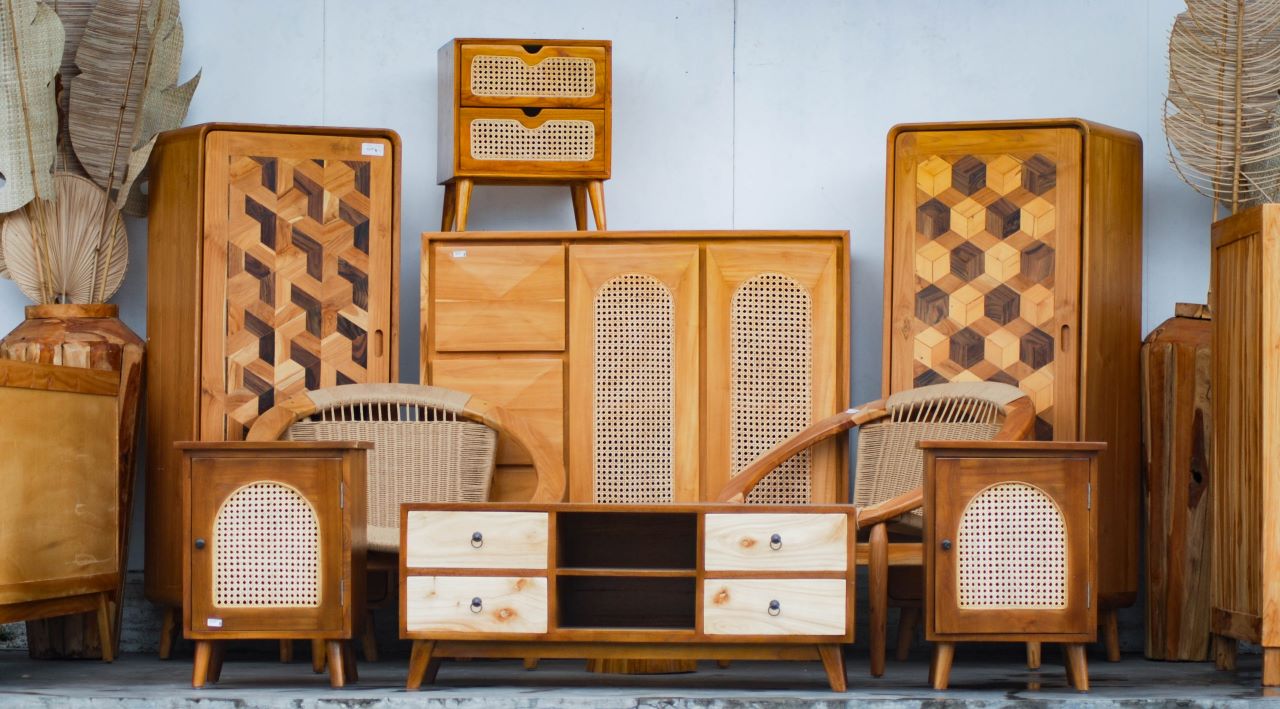
Family Heirlooms Overload: How to Handle Family Inheritance Without Regret
Handling family heirlooms after a loss requires managing legal authority, emotional pressure and practical logistics at the same time, and the order you take them on matters more than most people expect.
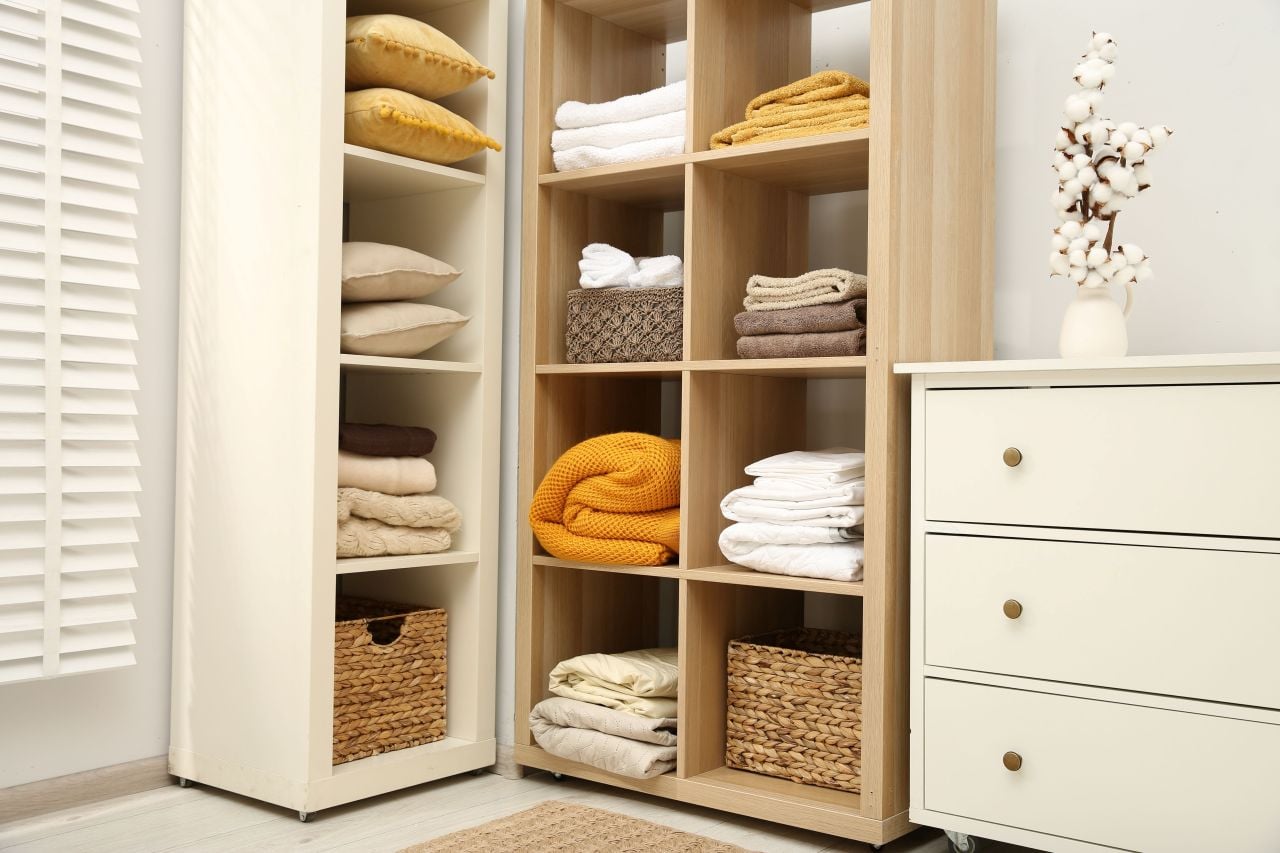
Blanket Storage: The Right Method for Every Space and Season
Blankets make our lives cozier, and storing them well is what keeps them soft and comfortable in the long run. Knowing how to store a blanket properly means your favorites come out of storage smelling fresh, feeling the same as when they went in, and lasting years longer than they otherwise would.

Board Game Storage Ideas That Keep Your Collection in Fighting Shape
Nobody warns you that getting into board games usually unlocks a second hobby, the much dreaded one that includes figuring out where on earth to put them. One game becomes a few, expansions start spawning beside their base boxes and before long, board game storage requires as much strategy as whatever is waiting on the other side of those lids.