

Key Takeaways
- Always wash and fully dry bedding before storing it. Body oils and moisture left behind cause staining, mold, and pest problems over time, even when items look clean.
- Match your container to the material. Breathable cotton bags for down, wool, and silk; plastic bins as an outer layer only; vacuum bags for dry synthetics short-term.
- Never compress down, wool, foam, or heirloom quilts. It permanently flattens loft and traps moisture, leading to musty smells and lasting damage.
- Humidity matters as much as the container. Store bedding somewhere dark and dry, ideally between 30 and 50% relative humidity, and avoid attics, garages, and basements when you can.
If you’ve ever pulled a comforter out of storage and immediately caught a whiff of something musty, you know how frustrating it can be. Good quality bedding can be quite expensive, so you definitely want to keep what you own in pristine conditions.
How to store bedding properly comes down to a few key questions: What’s the bedding made of? For how long are you storing it? And where will you be storing it? Get those answered and the rest falls into place pretty naturally.
The short answer to bedding storage
For most everyday bedding: wash it according to the care label, dry it completely (including the inside of bulky fills), let it cool down, fold it loosely, and put it in a breathable cotton bag somewhere dark, dry, and stable.
Save vacuum bags for fully dry synthetic items when you really need the space. Keep down, wool, silk, quilts, pillows, and foam toppers uncompressed. If you’re using a self storage unit, make sure it’s a climate-controlled one and always use raised shelving for your bedding – never on the floor, where moisture could damage it.
That’s the core of it, but the important details below make the difference.
Step 1: Clean it, but check the label first
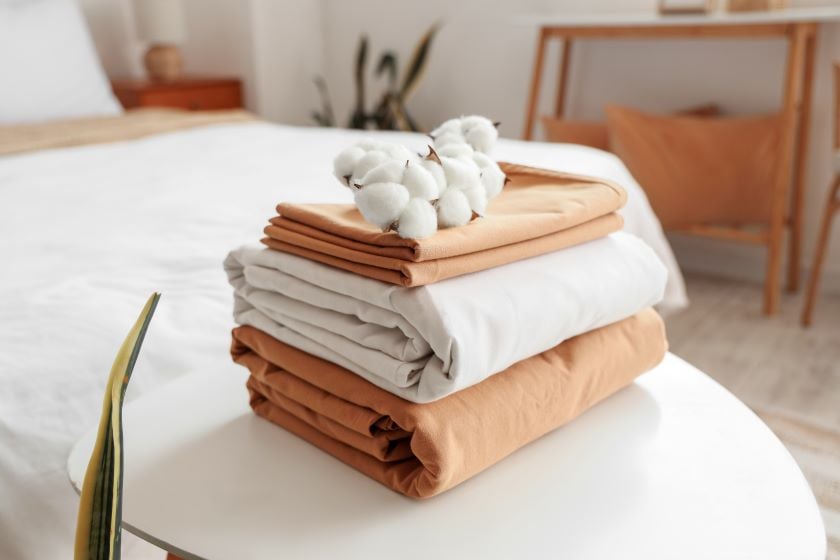
Before bedding goes into storage, it needs to be freshly washed. Even if a comforter, for example, looks clean, invisible body oils and sweat oxidize over time and cause staining that’s much harder to deal with six months later. It also makes bedding more attractive to pests, especially protein-based fibers like wool and down.
Throwing everything in the wash on hot works fine for basic cotton sheets but treating expensive and delicate fibers the same can cause a lot of issues. Wool can shrink, silk can lose its sheen, and down fills can clump if you’re not careful. Always check the care label first. If it says hand wash, cool cycle, or specialist clean, take that seriously.
For delicate quilts or embroidered pieces, consider professional cleaning rather than running it through a home machine. Even if the item is not damaged during a single machine washing cycle, over time you’ll end up with ripped embroidery and faded quilts, so dry cleaning costs are well worth it for special pieces.
One very important thing on drying bedding prior to putting it in storage: a comforter can feel dry on the outside while the fill inside is still damp. That trapped moisture is where mold comes from. Use a longer dryer cycle on low heat, reposition the item a few times during the cycle and then let it air out further once it’s done. Feel along the seams and squeeze the center — if it’s even slightly cool and dense, it needs more time.
Once it’s fully dry, let it cool to room temperature in a clean room before you pack it. Warm bedding going straight into a bag creates a little humid microclimate as it cools, which will eventually lead to musky smells and even mold.
Step 2: Choose the right container for what you’re storing
The container you choose can make or break long-term bedding storage. The right pick depends on what you’re storing, how long it’s going away, and where it’s being kept. Take an extra minute to match the two properly.
Breathable cotton or canvas bags are the best all-around choice for natural fibers: down comforters, wool blankets, quilts, silk sheets and pillows. They allow airflow, which prevents moisture from building up, and they don’t compress the fill. Look for a bag with a smooth interior, a full zipper, and enough gusset depth so it closes without forcing the contents down.
Plastic bins (polypropylene, specifically) are great as a rigid outer layer, especially in self storage or near floors where there’s more risk of water, pests, or dust. The key word is outer. Wrap the bedding in a cotton bag first then put that inside the bin. And the contents absolutely must be bone dry before sealing.
Vacuum compression bags are genuinely useful, but only for the right things. Fully dry, resilient synthetic sheets and blankets? Sure, go ahead. Down comforters, wool, silk, cashmere, foam pillows, or anything you plan to store for a long time? Skip it. Compression can flatten loft permanently, create hard fold lines, and trap any moisture you didn’t catch. If you do use vacuum bags, don’t over-compress them. Remove just enough air to reduce the volume, not to turn the thing into a brick.
Cedar chests are beautiful and practical for blankets, pillows or comforters. However, cedar’s actual pest-deterring effect is limited and fades over time, so, if you are storing natural fibers in one long-term, add some moth-deterrent products as well. Also, make sure you keep the oily or heavily aromatic wood from direct contact with delicate textiles.
Step 3: Store by bedding type
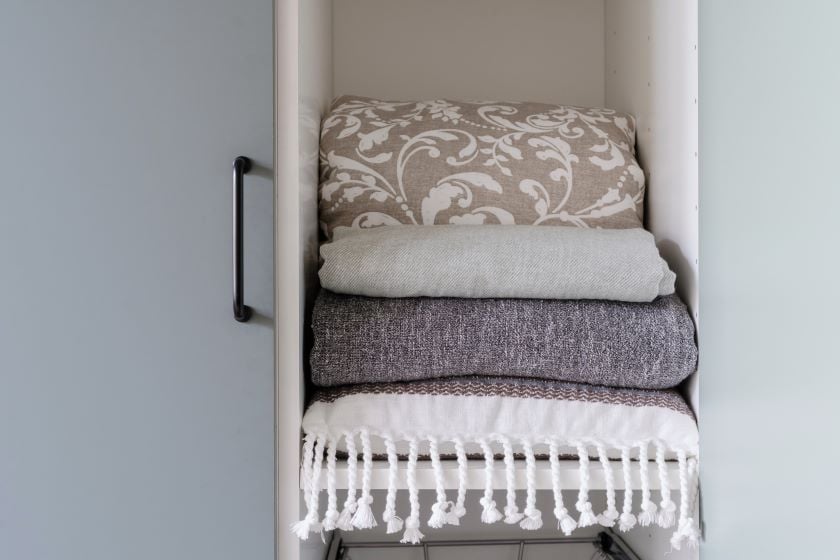
Different items have different needs. Here’s how to handle the most common ones.
- Sheets and duvet covers
These are your lowest-maintenance items. Fold the full set together (fitted sheet, flat sheet, extra pillowcases), then tuck everything inside one of the matching pillowcases. It keeps the set together, takes up less space, and means you’re not digging through a closet shelf to find the right pillowcase.
- Down and feather comforters
These need room to breathe. Store in a roomy breathable cotton bag. Never compress them into a tight vacuum pack. If you’re stacking multiple items, put the down comforters and pillows above the heavier items, not underneath. The goal is to preserve loft, which is what keeps you warm.
- Synthetic comforters and blankets
These are more forgiving than down. Short-term compression in a vacuum bag is generally fine if the item is fully dry and the manufacturer doesn’t say otherwise. Still, breathable storage is better for anything going away for more than a month or two.
- Wool blankets and throws
Fold (hanging wool can distort the fibers over time) and store in a breathable cotton or wool bag. Wool is a natural target for clothes moths and carpet beetles, so cleanliness before storage is especially important.
- Delicate, heirloom quilts
These deserve extra care. Minimize folds as much as possible, and pad any necessary folds with soft, unbuffered tissue paper. Avoid stacking heavy items on top. For anything genuinely antique or sentimental, an acid-free large box with tissue padding is the gold standard. Change the fold positions when you check on them seasonally, as folds in the same spot over years can weaken the fabric.
The fill type matters here. Down and memory foam pillows shouldn’t be vacuum-compressed because down can lose its loft and foam can be damaged. Store them loosely packed in a breathable bag and don’t stack heavy things on top of them. Polyester fill is more resilient, so if storage space is truly an issue, you can vacuum-compress them – just not very tight and not for that long
- Mattress toppers
Memory foam and specialty foam toppers often need to be stored flat, neither folded nor rolled up tightly. Fiber, wool, and down toppers are a bit more flexible but still shouldn’t be compressed into a tiny bundle.
Step 4: Think about where you’re storing it

The location matters almost as much as the container.
A linen closet is ideal as it provides stable temperature, low light and easy access. Zone your shelves by how often you need things: everyday sets at eye level, seasonal items higher or lower, rarely-used pieces at the back.
Under the bed can work reasonably well for seasonal sheets and light blankets. Measure the clearance before you buy an under-bed case and check under there periodically. Dusty, dark and undisturbed spaces are pest-friendly.
Attics, garages, and basements are generally not great for bedding. Attics get hot and can have dramatic temperature swings. Garages are similar. Basements can be damp, and even a dry and finished basement can have condensation on cool surfaces. If any of those are your only option, take extra precautions – check our stored bedding every few weeks and air them out regularly.
The target humidity for storage, whether it’s bedding or anything else, is roughly 30–50% relative humidity. If you’re unsure about a certain space in your home, a basic hygrometer (a small humidity gauge) costs under $15 and takes the guesswork out of it. Aim to stay under 60% — above that, mold risk climbs quickly.
What about self storage units?
Climate-controlled self storage is a solid option for seasonal bedding, especially if you’re short on space at home. Make sure you ask the facility specifically whether their climate controlled units mean temperature only, or does it include humidity? Keeping humidity under control is the most important factor when it comes to storing bedding, particularly expensive blankets or heirloom quilts.
Use shelving or pallets to store bedding or clothing, as concrete floors can transfer moisture. Put your clean, dry bedding in breathable inner bags, then into rigid plastic bins that will insulate against any environmental moisture might appear.
If all you need to store is seasonal clothing, extra bedding and such, then a small, 5×5 storage unit is just right for you. However, if you’ll also want to include other items, such as sports and camping gear, holiday decorations, tools and other items you don’t use on daily basis, then a 5×10 storage unit is probably your best bet.
Keeping mold and pests out of the picture when storing bedding
Most mold and musty smells come from one thing: moisture. Thus, silica gel sachets are a very useful addition to a closed bedding container. Use indicating or rechargeable sachets and replace or recharge them on schedule.
The best defense against moths and other pests is clean bedding stored in clean spaces. Clothes moths and carpet beetles are drawn to protein fibers (wool, silk, feathers) and love dark, undisturbed areas, so, when storing long term, it’s important to inspect and air out regularly.
If you find evidence of insects — holes, webbing or shed skins — isolate the item immediately in a sealed plastic bag and do not store anything else nearby until you’ve resolved the problem. For woolens and other natural fibers, killing larvae requires either sustained heat (a hot dryer cycle of at least 30 minutes), sustained cold (a chest freezer at 0°F for at least 72 hours) or a targeted pesticide treatment. Mothballs work through toxic fumigation and are regulated pesticides; they require an enclosed, airtight space to be effective, should never be placed directly against fabric and must be used strictly according to the product label.
Storing bedding well isn’t complicated, but it does require paying attention to what you have. Wash it, dry it completely, let it breathe before you pack it, and choose a container based on the material and how long it’s going away. The biggest mistake most people make is treating all bedding the same. A down comforter and a set of polyester sheets have different needs — and once you know that, the rest of the decisions get a lot easier.


How to Store LEGOs: All the Fun, None of the Clutter
How to store LEGOs largely comes down to how your household uses them. If the bricks are part of everyday play, you need a setup that keeps them within easy reach and makes cleanup quick (for your feet’s sake, at least). Toy storage(opens in new tab) such as simple bins, playmats or containers that children can put away themselves may be enough. Larger or more serious collections usually need more organization, such as labelled drawers for loose pieces, trays for unfinished builds, shelves for completed models and separate storage for retired sets.

Cardboard Costume Guide: Tips and Ideas for a DIY Halloween
Whether for kids or adults, cardboard costume ideas often make the biggest splash once materialized, and that’s for a simple reason: doing a lot with a little is a universally impressive feat (especially in this economy). If you don’t have enough boxes you could temporarily repurpose, don’t worry! There are many places where you can find free moving boxes(opens in new tab), from stores and supermarkets to online groups and recycling drop-off spots. On the run? Try your luck at a self storage(opens in new tab) facility that sells moving supplies, often for cheap. This way, you can choose moving boxes of different shapes and sizes(opens in new tab), so you can make your costumes as complex as you want.

How to Celebrate Halloween: 9 Non-Spooky Ways To Enjoy It
As soon as October starts, it’s the official Halloween month. And while for many people it means it’s open season to get the scare of a lifetime, others, especially families with small children, might prefer to celebrate in a tamer way that’s both kid- and adult-friendly. While you’re likely to find more events where the spook factor is high, here’s how to celebrate Halloween in a not-so-scary way:

Motorcycle Storage Guide: How to Store Your Bike Safely
Motorcycles may be born to be wild, but eventually even the wild ones need somewhere to park. Whether riding season is winding down or your current living situation comes with plenty of square footage for you and less for your bike, motorcycle storage is one of those parts of ownership that doesn’t get as much airtime as the open road.

Halloween Decorating on a Budget (And Cheap Ideas for Everything Elsee)
Halloween has crept a long way from its eerie origins. While All Hallows’ Eve has transformed through the centuries, it wasn’t until the 1930s that trick-or-treating became a tradition in the U.S. and businesses began conjuring up mass-produced Halloween costumes. Now, Halloween is a monster-sized, billion-dollar industry, with a cauldron full of costumes and decorations ranging from the mainstream to the macabre. But is it all really worth your wallet? Maybe, but we’ll let you in on a little secret: You can keep your Halloween decorating on a budget and save on everything else, too. Take this plan and see it through!

Moving From a House to an Apartment: What to Expect, How to Downsize & How Self Storage Helps
For some, moving from a house to an apartment is a financial decision. For others, it’s about simplifying life. Maybe the kids have moved out and half the house sits empty, or you’re approaching retirement and no longer want to spend weekends on repairs. Or perhaps you’ve been weighing the cost of buying a home and wondering whether renting simply makes more sense right now.

Family Heirlooms Overload: How to Handle Family Inheritance Without Regret
Handling family heirlooms after a loss requires managing legal authority, emotional pressure and practical logistics at the same time, and the order you take them on matters more than most people expect.
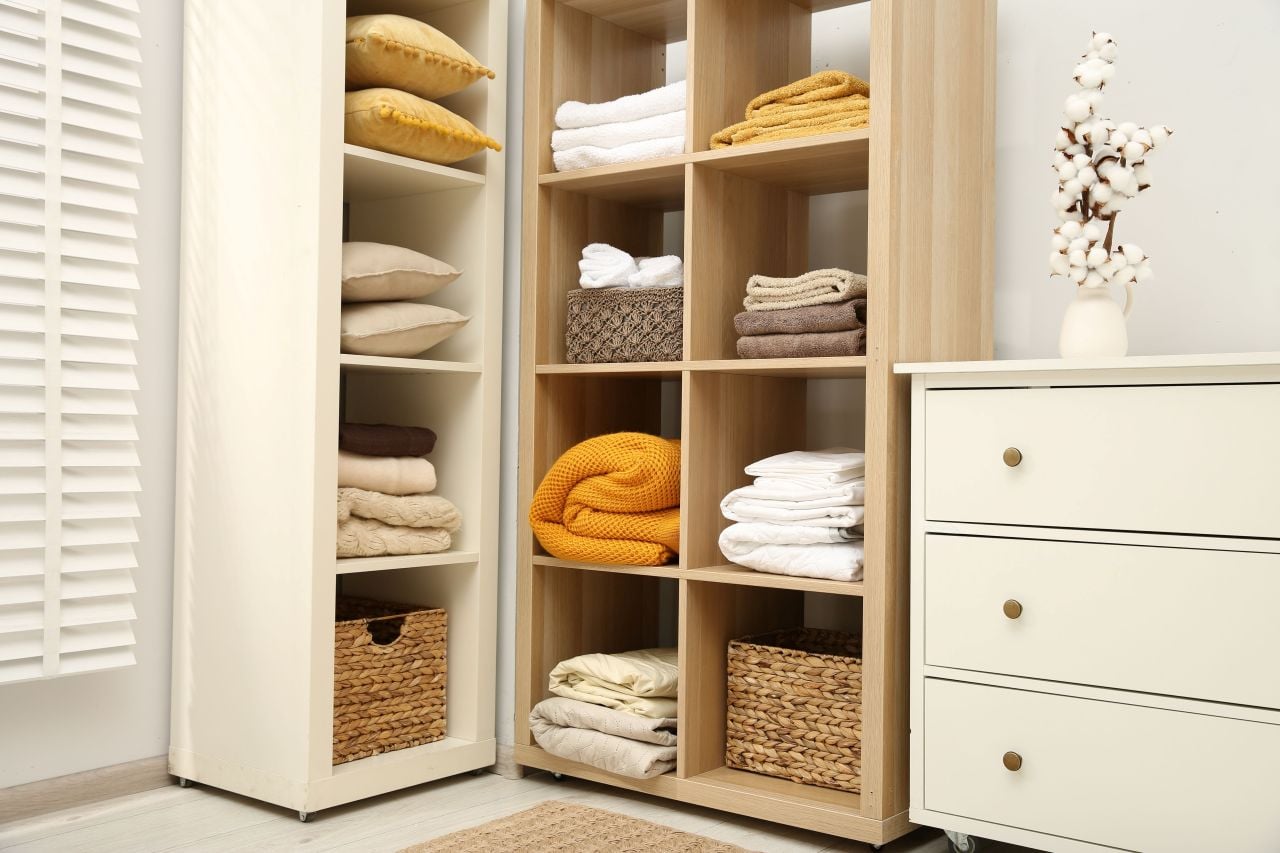
Blanket Storage: The Right Method for Every Space and Season
Blankets make our lives cozier, and storing them well is what keeps them soft and comfortable in the long run. Knowing how to store a blanket properly means your favorites come out of storage smelling fresh, feeling the same as when they went in, and lasting years longer than they otherwise would.

Board Game Storage Ideas That Keep Your Collection in Fighting Shape
Nobody warns you that getting into board games usually unlocks a second hobby, the much dreaded one that includes figuring out where on earth to put them. One game becomes a few, expansions start spawning beside their base boxes and before long, board game storage requires as much strategy as whatever is waiting on the other side of those lids.