
Moving To Albuquerque — 9 Things To Know About The Unexpected Gem Of The Southwest

Albuquerque, famous for hot air balloons, chili peppers and its rich history, serves as the county seat of Bernalillo County, New Mexico. Sitting on the banks of the Rio Grande, it’s the most populous city in the state, and while it isn’t the state capital, it’s an important regional financial, economic and cultural hub. As a growing tech center, the city is becoming increasingly popular among young professionals.
1. How big is Albuquerque, NM?
Albuquerque covers a total area of around 188 square miles, making it the largest and most populous city in New Mexico. Although the city is located within Bernalillo County, the metropolitan area comprises an additional three counties: Sandoval, Torrance and Valencia. In total, the metro area covers around 9,300 square miles.
The city proper is divided into four quadrants — northeast, northwest, southeast and southwest. Each of these quadrants is further divided into a number of neighborhoods, with a mix of modern and historic areas creating a diverse atmosphere.
2. What is the weather like in Albuquerque, NM?
Albuquerque has a cold desert climate characterized by warm, dry summers and cool to cold winters, with occasional snow and freezing temperatures. For the most part, however, the city enjoys an enviable sunny and dry climate, with an average of 3,415 sunshine hours and 278 sunny days a year. It’s important to note that temperatures can vary widely between daytime and nighttime, but, in general, weather in Albuquerque allows residents to be out and about and enjoy outdoor activities throughout most of the year.
3. What makes Albuquerque, NM, unique?
Located in the high desert of central New Mexico, at an elevation of over 5,000 feet, the city is surrounded by stunning natural scenery, including the Sandia Mountains to the east and the Rio Grande River to the west. Albuquerque is also situated on the famous Route 66, which is known as the “Main Street of America,” and there are many historic sites and landmarks along Route 66 in Albuquerque, including iconic neon signs and vintage motels.
The local culture is pretty unique as well: Albuquerque has a rich blend of Native American, Hispanic and Anglo cultures, which is reflected in its architecture, cuisine and traditions. The city is also home to the largest hot air balloon festival in the world, the Albuquerque International Balloon Fiesta, which takes place every October, when hundreds of colorful balloons take off and float over the city’s scenic landscape. Albuquerque is a pop culture landmark: The famous TV series “Breaking Bad” was set and filmed here, and many fans of the show come to visit the city’s filming locations.

4. How are the local economy and the job market in Albuquerque, NM?
Sitting in the center of the so-called “New Mexico Technology Corridor,” Albuquerque is home to an increasing number of tech firms that have sprung up along the banks of the Rio Grande. Numerous companies and research institutions in the area are focusing on industries such as aerospace and defense, biotechnology, renewable energy and high-tech manufacturing, creating a host of well-paying jobs.
Alongside tech, other driving sectors include government (with the Kirtland Air Force Base in the city), education and healthcare. The tourism and hospitality industry also plays a role in Albuquerque’s economy, with the city being a popular destination for visitors due to its cultural heritage, natural beauty and various festivals and events.
With living costs relatively low compared to other major cities in the country, and a strong and diverse job market, it’s no wonder that Albuquerque is an attractive destination for many Americans.
5. The education system in Albuquerque is well diversified
Albuquerque is providing access to quality education from primary schools through university, which makes it a suitable destination for young families. The educational system in Albuquerque contains a healthy mix of public schools (including magnet schools, dual-language immersion programs and career and technical-oriented ones), charter schools with particular educational approaches, such as Montessori, and many private schools.
The University of New Mexico (UNM) is the largest public university in Albuquerque. It boasts a top-rated school of medicine, as well as bachelor’s, master’s, doctoral and professional degree programs in a range of subjects. In addition to UNM, there are several other private and public colleges within the city, providing a variety of programs.
6. What can you do for fun in and around Albuquerque?
From strolling about through its charming Old Town district bursting with shops, galleries and restaurants, to enjoying the majestic outdoor surroundings, there’s no shortage of fun things to do in and around Albuquerque.
The city has several museums and galleries dedicated to Native American art and culture, as well as other subjects such as history, science and art, such as the Indian Pueblo Cultural Center and the New Mexico Museum of Natural History and Science. The local cuisine, a blend of Southwestern, Native American and Mexican, is another great excuse to go out — there are dozens of amazing restaurants for you to try.
Albuquerque hosts a variety of cultural events throughout the year, including music and arts festivals, fiestas and holiday celebrations. Some popular events include the Gathering of Nations Pow Wow, the Albuquerque Folk Festival and the River of Lights holiday display.
Albuquerque’s amazing climate and stunning location ensure there are plenty of opportunities to enjoy the great outdoors. With the Sandia Mountains on the doorstep, residents can enjoy miles of hiking trails and mountain biking routes, as well as numerous rock-climbing opportunities. In winter, the mountains become a snow sports paradise, with skiing and snowboarding among the top pastimes for residents. Meanwhile, the Rio Grande is a top spot for kayaking and fishing.
7. Finding your dream home in Albuquerque, NM
Housing in Albuquerque is extremely varied, with a host of architectural styles. There are several historic districts offering older homes, although the majority of houses in the city are fairly modern, dating back no further than the 1970s in many cases. About 40% of the households are renter-occupied, which means that newcomers have a good chance of finding a place to rent if they are not ready to purchase a home right away.
Look out for the tile-roofed California stucco homes found throughout the affluent Eastside neighborhoods and the beautiful Southwest adobe-style houses in and around the historic Old Town neighborhoods. Most homes in Albuquerque are single-family houses, though you’ll find apartment blocks dotted around, predominantly within the downtown, midtown and Nob Hill neighborhoods, as well as near the business centers and university campuses.

If you’re looking for peace and quiet, the North Valley suburb, located along the Rio Grande River, might be the right choice. It has many large homes, horse properties and agricultural land, and is known for its beautiful landscapes and outdoor recreation opportunities.
8. What moving to Albuquerque, NM, involves
As a blossoming tech center, Albuquerque is becoming increasingly attractive to a whole host of people. In general, more people tend to move to New Mexico from Texas than from any other US state, but also from California, Arizona and Colorado. Depending on where you are coming from, moving to Albuquerque can be an adjustment. The city is located at an altitude of over 5,000 feet, which can take some time to acclimate to. With the climate being very dry and with lots of sun, it’s important to stay hydrated and use sunscreen when spending time outdoors.
The city has a fairly extensive public transportation system, including buses and a light rail system called the Albuquerque Rapid Transit, plus many bike lanes and trails throughout the city, making cycling a viable option for transportation. However, the city is spread out and many parts of Albuquerque are not well served by public transportation, so people relocating here usually find that they do need a car to be able to move around.
The cost of living in Albuquerque is pretty affordable: 7% lower than the national average, with housing costs, whether buying or renting, about 12% lower compared to the national average.
- Moving from Houston to Albuquerque
Houston and Albuquerque have costs of living that are pretty similar overall, so it’s easy for you to grasp how much income you need to maintain the same lifestyle in Albuquerque (or to improve it). One of the most significant differences between Houston and Albuquerque is the climate. Houston has a humid subtropical climate, with hot and humid summers and mild winters. In contrast, Albuquerque has a dry desert climate, with hot summers and cold winters. You will need to adjust to the drier air and the extreme temperature changes throughout the year. One good news for new transplants coming from Houston is that traffic is much more relaxed in Albuquerque.
- Moving from San Francisco to Albuquerque
Those relocating from San Francisco to Albuquerque will enjoy a cost of living that’s 48% lower, which can be a huge advantage if you manage to hold on to your current San Francisco income through remote work. Housing, both renting and buying, is a whopping 61% lower in Albuquerque. Other major adjustments for former San Francisco residents are the lack of beaches and access to large bodies of water, plus the drier and more extreme weather conditions in Albuquerque. Also, it’s important to understand that Albuquerque has a more limited public transportation system, and you may need to adjust your transportation expectations when moving here, especially if you are used to relying on public transportation.
9. The local self storage sector can be of great help to you
Renting a self storage unit in Albuquerque can improve the moving process tenfold. It offers flexibility in that you can send your belongings to storage and move into your new home at the time and pace that works for you. Once you’ve moved in, it can be an invaluable place to keep seasonal clothes and other personal belongings, preventing your home from feeling crowded. With so many opportunities for outdoor activities around Albuquerque, many of its residents own sports and camping gear that they don’t need or use on daily basis, and a self storage unit is great place for it.
Business owners in Albuquerque can rely on the local self storage sector for their storage needs as well. Whether you are a contractor, an artisan working out of your living room or an accountant with many files to keep, self storage offers you the opportunity to rent as much (or as little) space as you need, located close to your home or your place of business.
There’s a wide variety of unit sizes to choose from as well. A small 5’x5’ storage unit rents for around $43 in Albuquerque, while an extra-large 10’x30’ unit (big enough to hold an RV) costs around $220 per month.
Whether you need self storage when moving or after, there are over 120 storage facilities in Albuquerque. Maintaining your home neat and tidy, or supplementing storage space for your business is easily achievable in Albuquerque.



Moving From a House to an Apartment: What to Expect, How to Downsize & How Self Storage Helps
For some, moving from a house to an apartment is a financial decision. For others, it’s about simplifying life. Maybe the kids have moved out and half the house sits empty, or you’re approaching retirement and no longer want to spend weekends on repairs. Or perhaps you’ve been weighing the cost of buying a home and wondering whether renting simply makes more sense right now.
Family Heirlooms Overload: How to Handle Family Inheritance Without Regret
Handling family heirlooms after a loss requires managing legal authority, emotional pressure and practical logistics at the same time, and the order you take them on matters more than most people expect.
Blanket Storage: The Right Method for Every Space and Season
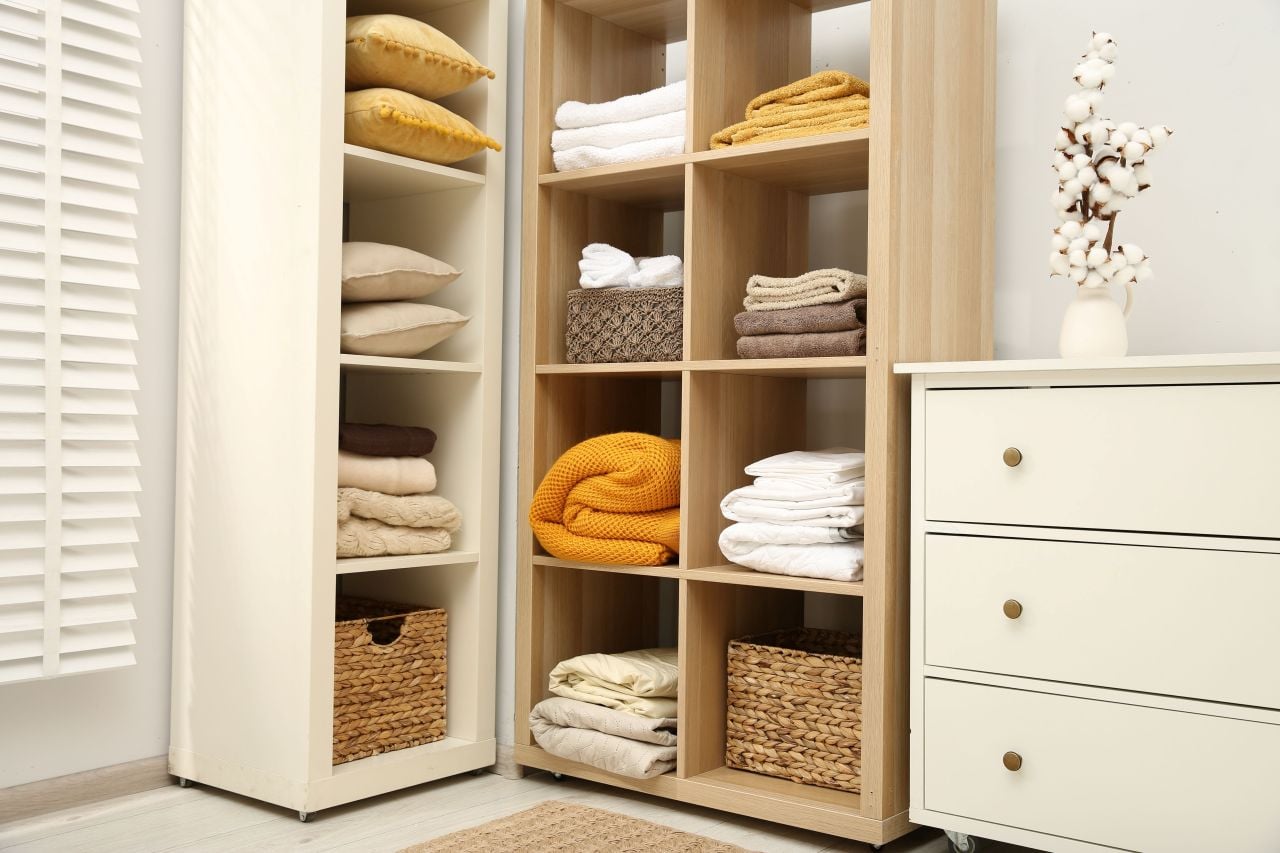
Blankets make our lives cozier, and storing them well is what keeps them soft and comfortable in the long run. Knowing how to store a blanket properly means your favorites come out of storage smelling fresh, feeling the same as when they went in, and lasting years longer than they otherwise would.

Board Game Storage Ideas That Keep Your Collection in Fighting Shape
Nobody warns you that getting into board games usually unlocks a second hobby, the much dreaded one that includes figuring out where on earth to put them. One game becomes a few, expansions start spawning beside their base boxes and before long, board game storage requires as much strategy as whatever is waiting on the other side of those lids.

Storage Locker vs. Storage Unit: What’s the Difference?
A locker and a unit may sound like two names for the same four walls and a lock, and depending on the storage facility, you may even see the terms used that way. However, once you start comparing available spaces, storage lockers tend to occupy the smaller end of the spectrum, while storage units(opens in new tab) give you considerably more room to work with.

Storage Ideas for Small Spaces: 9 Ways to Max Out Your Home
A messy home contains the seeds of its organization. Those seeds are everywhere: the space above doors, under beds, behind sofas and inside furniture can all become storage. Here are the best storage ideas for small spaces, so you can make the most of your cozy home.

Best U.S. Cities to Live Uncluttered: Plano, TX, Offers the Most Room to Breathe
Clutter is in our homes as much as in our heads. Both are shaped by where we live.
How to Organize Your Bathroom: 8 Ways to Stay Tidy
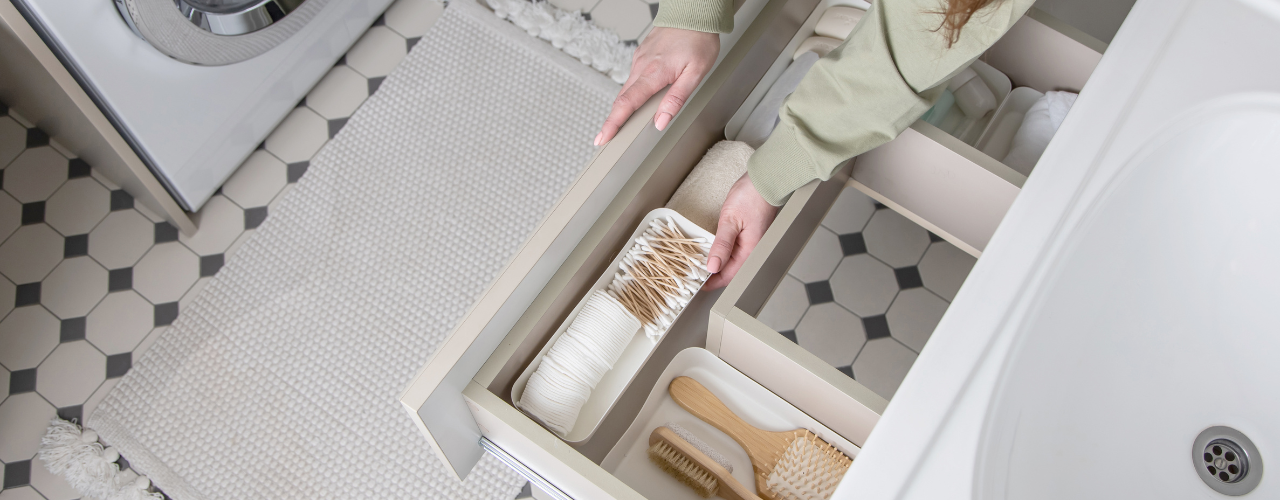
You already know why an organized bathroom is worth the effort, but let us remind you: it makes rushed mornings easier, keeps counters cleaner and just helps get you in the mood to go through your skincare routine like you should. Plus, in bigger households, it helps everyone find what they need. And you know how much a tidy bathroom counts for your self-esteem when a guest or a partner shows up. Luckily, you don’t need a degree to know how to organize your bathroom. The secret is keeping less, giving every item a home and making that home simple to use. Let’s go through some practical steps can help you create a bathroom that stays functional and nice to look at.

How to Use Silica Gel Packets for Storage
Moisture can cause significant damage to items in storage, leading to rust on tools, mold on clothing and warping in documents. Silica gel uses science to fix that. Often found in small packets inside product packaging, silica gel is a desiccant that absorbs moisture from the air, keeping your stored items dry and protected. This guide explains what silica gel is, how it works and how you can use it to preserve your belongings in self storage.