


Arizona, and Phoenix in particular, has delivered a stellar performance in real estate this year. Its resilience following the health crisis, coupled with a vibrant entertainment scene, diverse experiences, and a laid-back culture – all supported by a strong job market – has transformed Phoenix into one of the most sought-after places to live in the U.S.
But, as with any growing urban hub, success comes at a price. Intense migration and the resulting increased competition for housing have dented affordability. Overcrowding is taking a toll on the city’s once-relaxed character, while local infrastructure and the public transit system are under significant strain.
Phoenix’s population surged to 1.65 million in 2023, up from 1.51 million a decade ago, according to U.S. Census Bureau data. That’s a remarkable 9% increase—far outpacing Houston’s 5.2% growth over the same period. This unwavering appeal is fueling unprecedented demand for housing, sparking a construction boom as the city strives to keep pace with the influx of new residents.
But it’s no longer just about city living. Many are finding solace in the suburbs and exurbs, drawn by their quieter atmosphere and strong sense of community. This shift is reshaping our understanding of urban living, as the allure of spacious backyards and friendly neighborhoods challenges the traditional appeal of city life.
Amid this dynamic landscape, self storage solutions have stepped in to meet the growing demand for space, offering much-needed relief to those navigating their new lives in Arizona.
We’ve outlined below the key trends that have shaped Arizona’s real estate landscape throughout 2024, drawing on our comprehensive studies and analyses to offer insights into what lies ahead for the Grand Canyon State.
Phoenix ranks as the second-most active real estate development market in the U.S. over the past 50 years
Phoenix isn’t just growing; it’s transforming. Over the last 50 years, it has become the second-most active real estate market in the U.S., trailing only Houston. Its numbers are jaw-dropping:
- Single-family homes: Over 215,000 building permits have been issued since 1980, leading all major U.S. cities. While current numbers fall below the peak of the 2000s, the decade has seen a resurgence in single-family construction, with annual averages of around 4,400 new units.
- Multifamily construction: With 188,000 multifamily permits issued since the 1980s, the current decade is delivering record-breaking performance, averaging 8,609 permits annually.
- Industrial space: Phoenix has added over 127 million square feet of industrial space since 1980, ranking third nationally in this sector.
Arizona's popularity fuels a suburban and exurban boom
A new alternative for living is taking shape as cities are increasingly overshadowed by the rapid growth of suburbs and exurbs across the nation. Suburban communities are on the rise, surpassing major cities in growth and providing families with the space they crave. With housing prices continuing to strain budgets, many are opting for a quieter, more affordable lifestyle.
Our analysis of the fastest-growing housing markets in the United States shows that Arizona's suburbs are no exception to this trend. Queen Creek, for example, has seen a staggering 123% increase in housing inventory and a 128% population surge, making it one of Arizona's fastest-growing suburbs and a national standout, ranking 30th in suburban expansion.
Similarly, Buckeye and New Kingman-Butler are also experiencing impressive growth, establishing themselves as key players in Arizona's burgeoning suburban and exurban landscape.
Amid shrinking apartments across the U.S., suburban Arizona offers room to roam
As the U.S. apartment market grapples with space constraints to meet growing demand, downsizing has become a common approach to address the housing shortage. While this trend is putting pressure on living spaces nationwide, Arizona continues to offer excellent space value for renters, with many cities providing roomier options for comfortable living.
- Buckeye leads the way with the largest rental homes in the country, boasting an impressive average size of 1,409 square feet—more than double the space of a typical rental in Hawthorne, CA.
- Additionally, 12 other cities in Arizona feature average apartment sizes above the national average of 901 square feet, including Gilbert, Chandler, and Scottsdale.
Meanwhile, Phoenix falls slightly below the national average, offering 801 square feet on average. Tucson apartments are more compact, averaging 765 square feet.
Affordability suffers from uneven housing growth
Our analysis of housing expansion highlights Gilbert as a leader in Arizona inventory growth, with a 66.55% increase in local housing stock. Close behind are Avondale and Surprise, both seeing growth rates of over 62%. These numbers reflect encouraging efforts to expand housing in areas experiencing significant population growth.
However, despite this steady pace of development, supply continues to fall short of demand, driving relentless price increases. While the multifamily sector has seen substantial attention, middle housing—often considered a crucial component of affordability—remains underdeveloped in many cities, exacerbating the housing affordability crisis.
- Gilbert has the third smallest share of middle housing in the state, with just 10% of its inventory (approximately 10,000 units). Home prices in Gilbert average $614,000, significantly above the national average of $340,200, marking a 91% increase over the past two decades.
- Nearby Phoenix and Chandler fare slightly better, with middle housing making up 21% of their respective inventories, but it's still not enough to curb price increases. Homes in these cities average over $400,000—up 140% in Phoenix and a staggering 123% in Chandler since 2005.
Youngsters increasingly drawn to Arizona, with Californians leading the way
With booming tech and healthcare sectors, stunning outdoor landscapes, and family-friendly communities, Arizona has transformed into a vibrant hub of opportunity for all generations.
While it remains a haven for retirees, Arizona is also making waves with Californian millennials. The state attracted the largest share of millennial movers (26%), followed by Gen Z-ers (20%) and Baby Boomers (18%). The promise of affordable housing, abundant job opportunities, and a lower cost of living is irresistible.
For many newcomers, trading California's sunny skies for Arizona's desert is making homeownership a tangible reality. With an average home price of around $321K—less than half the cost of California’s $659K—plus a low individual income tax rate of just 2.5%, it’s easy to see why so many are making the leap.
Highlights from our California to Arizona migration study:
- 173 Californians relocate to Arizona daily, amounting to over 630,000 move-ins over the past decade—a population comparable to that of Tucson.
- 46% of new arrivals purchase a home within their first year in Arizona.
- 91% of former San Diego County residents became homeowners in Yavapai County, a Baby Boomer favorite known for the Prescott National Forest and the World’s Oldest Rodeo.
- The Stockton-to-Phoenix route is especially popular with millennials, with 72% of newcomers owning a home within their first year.
- Californians moving from Los Angeles to Phoenix, the most popular route between the two states, save an average of $361K on a home. Homes in Maricopa County are 49% cheaper than in Los Angeles County ($371,400 vs. $732,200).
- Phoenix remains a favorite for younger movers. The city’s median age is 34.9, compared to Arizona’s overall median age of 39.3.
Demanding more space: the expansion of self storage in Arizona
The steady influx of newcomers to Arizona has sparked remarkable growth in the self storage industry, creating a unique synergy between rising demand and expanding opportunities. As more people move to the state in search of affordable living and an enhanced quality of life, the need for storage solutions has surged.
Our analysis shows that one in five Americans rents self storage. This strong demand is fueled by challenges such as limited living space and the increasing hurdles of homeownership.
- 40% of users turn to self-storage for relief from space constraints.
- Another 15% plan to rent a storage unit in the near future, highlighting a growing need for flexible space solutions—something Arizona is well-equipped to provide.
Take Phoenix, for example. The city’s high moving activity, smaller apartment sizes, and healthy spending habits have created particularly high demand for self storage. Searches for storage in Phoenix more than tripled between 2019 and 2022. Meanwhile, cities like Gilbert and Mesa are also seeing significant growth as changing lifestyles drive the need for additional space.
To meet the growing demand for space, Phoenix has added over 11 million square feet of storage space in the past five decades. The 2020s have been particularly active, with new deliveries now averaging 599,000 square feet annually. This steady expansion has helped keep rental rates below the national average, with a 10x10 storage unit in Phoenix renting for approximately $117 per month.
As 2024 winds down, Arizona is embracing a new chapter in real estate, adapting to the needs of its growing population. Post-pandemic shifts have driven many to seek quieter, community-focused environments with lower living costs and more space—reflecting a broader trend favoring backyards and friendly neighborhoods over city hustle.
Self storage has become an essential part of this story, meeting the rising demand for extra space.
With its mix of affordable housing, a strong economy, and a steady influx of newcomers, Arizona is well-positioned for continued growth in the years ahead.

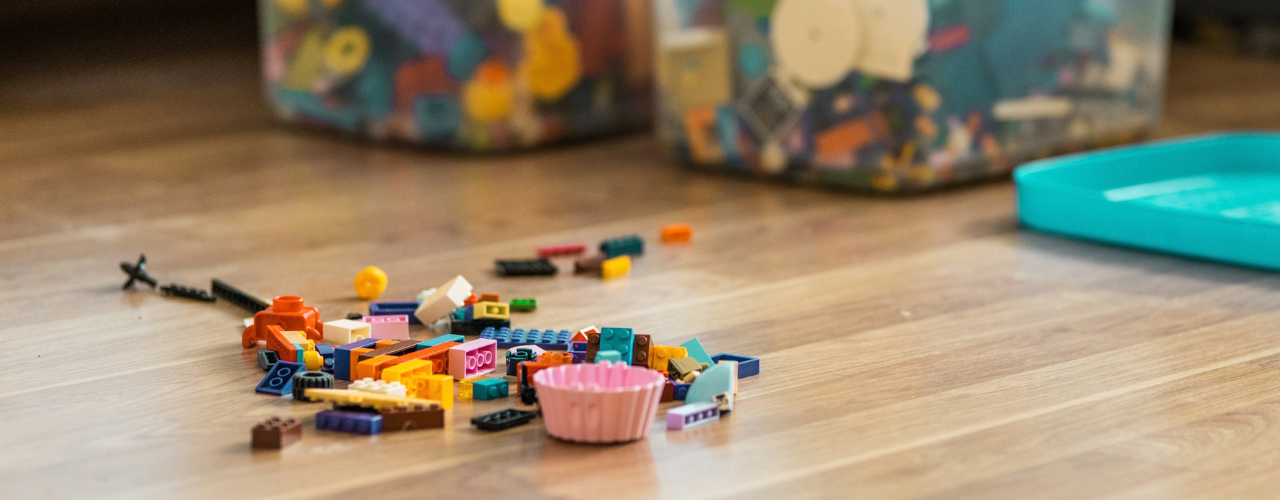
How to Store LEGOs: All the Fun, None of the Clutter
How to store LEGOs largely comes down to how your household uses them. If the bricks are part of everyday play, you need a setup that keeps them within easy reach and makes cleanup quick (for your feet’s sake, at least). Toy storage(opens in new tab) such as simple bins, playmats or containers that children can put away themselves may be enough. Larger or more serious collections usually need more organization, such as labelled drawers for loose pieces, trays for unfinished builds, shelves for completed models and separate storage for retired sets.

Cardboard Costume Guide: Tips and Ideas for a DIY Halloween
Whether for kids or adults, cardboard costume ideas often make the biggest splash once materialized, and that’s for a simple reason: doing a lot with a little is a universally impressive feat (especially in this economy). If you don’t have enough boxes you could temporarily repurpose, don’t worry! There are many places where you can find free moving boxes(opens in new tab), from stores and supermarkets to online groups and recycling drop-off spots. On the run? Try your luck at a self storage(opens in new tab) facility that sells moving supplies, often for cheap. This way, you can choose moving boxes of different shapes and sizes(opens in new tab), so you can make your costumes as complex as you want.

How to Celebrate Halloween: 9 Non-Spooky Ways To Enjoy It
As soon as October starts, it’s the official Halloween month. And while for many people it means it’s open season to get the scare of a lifetime, others, especially families with small children, might prefer to celebrate in a tamer way that’s both kid- and adult-friendly. While you’re likely to find more events where the spook factor is high, here’s how to celebrate Halloween in a not-so-scary way:

Motorcycle Storage Guide: How to Store Your Bike Safely
Motorcycles may be born to be wild, but eventually even the wild ones need somewhere to park. Whether riding season is winding down or your current living situation comes with plenty of square footage for you and less for your bike, motorcycle storage is one of those parts of ownership that doesn’t get as much airtime as the open road.

Halloween Decorating on a Budget (And Cheap Ideas for Everything Elsee)
Halloween has crept a long way from its eerie origins. While All Hallows’ Eve has transformed through the centuries, it wasn’t until the 1930s that trick-or-treating became a tradition in the U.S. and businesses began conjuring up mass-produced Halloween costumes. Now, Halloween is a monster-sized, billion-dollar industry, with a cauldron full of costumes and decorations ranging from the mainstream to the macabre. But is it all really worth your wallet? Maybe, but we’ll let you in on a little secret: You can keep your Halloween decorating on a budget and save on everything else, too. Take this plan and see it through!

Moving From a House to an Apartment: What to Expect, How to Downsize & How Self Storage Helps
For some, moving from a house to an apartment is a financial decision. For others, it’s about simplifying life. Maybe the kids have moved out and half the house sits empty, or you’re approaching retirement and no longer want to spend weekends on repairs. Or perhaps you’ve been weighing the cost of buying a home and wondering whether renting simply makes more sense right now.
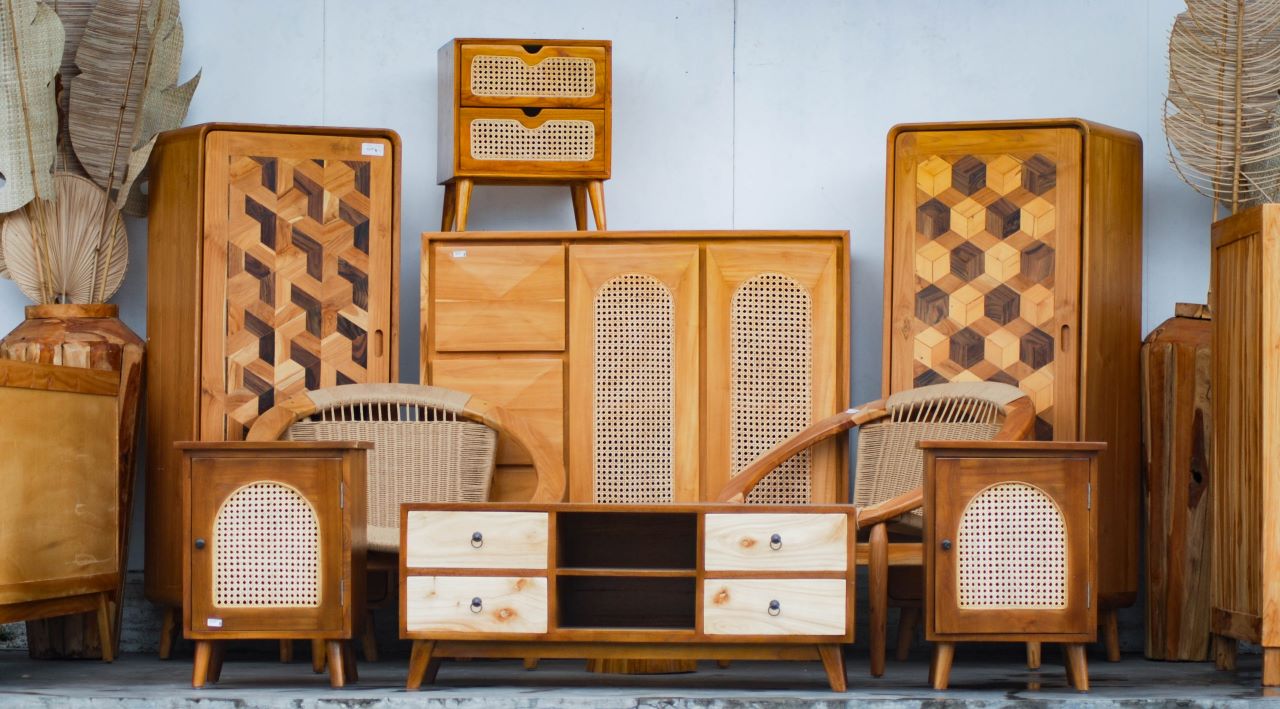
Family Heirlooms Overload: How to Handle Family Inheritance Without Regret
Handling family heirlooms after a loss requires managing legal authority, emotional pressure and practical logistics at the same time, and the order you take them on matters more than most people expect.
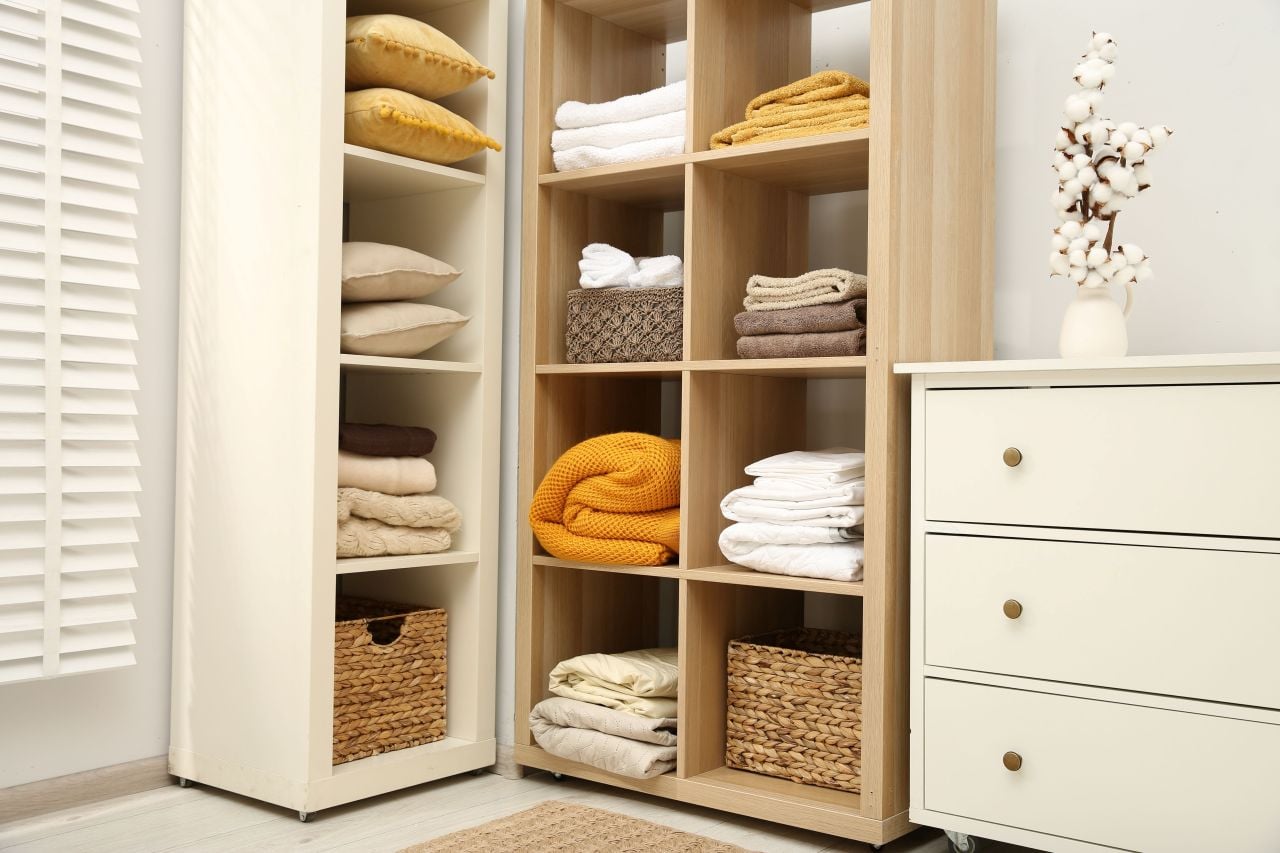
Blanket Storage: The Right Method for Every Space and Season
Blankets make our lives cozier, and storing them well is what keeps them soft and comfortable in the long run. Knowing how to store a blanket properly means your favorites come out of storage smelling fresh, feeling the same as when they went in, and lasting years longer than they otherwise would.

Board Game Storage Ideas That Keep Your Collection in Fighting Shape
Nobody warns you that getting into board games usually unlocks a second hobby, the much dreaded one that includes figuring out where on earth to put them. One game becomes a few, expansions start spawning beside their base boxes and before long, board game storage requires as much strategy as whatever is waiting on the other side of those lids.