

Leather furniture is a timeless investment, offering elegance, comfort, and durability. But when it comes time to put it in storage—whether you’re moving, downsizing, or redecorating—proper care is crucial to preserving its quality. Unlike fabric or wood furniture, leather requires special attention to avoid damage from humidity, dust, and improper handling.
To help you store your leather furniture the right way, we’ve put together a step-by-step guide that will keep it looking as good as new.
1. Make your leather furniture spotless before storage
Before storing your furniture, start with a deep clean. Dust, dirt, and moisture can lead to long-term damage, so take time to properly prepare your pieces.
- Use a leather cleaning foam to remove dust, grime, and potential mold spores.
- Wipe in circular motions to ensure even cleaning.
- Let it dry completely before moving on to the next step—trapping moisture inside can lead to mold.
- Use only specialty leather products to avoid harmful chemicals that could weaken or dry out the leather.
2. Apply a leather conditioner for extra protection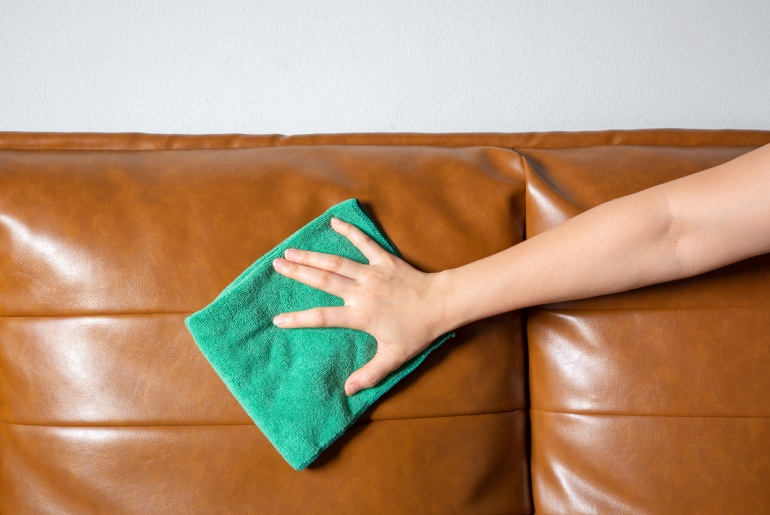
Leather is prone to cracking if it dries out. After cleaning, apply a high-quality leather conditioning cream to maintain its suppleness. This simple step helps prevent dryness and keeps your furniture looking smooth and polished.
Bonus tip: Be sure to use a conditioner specifically designed for leather—not just any household product.
3. Disassemble your furniture if possible
If your furniture allows, disassemble it to make moving and storage easier. For example, remove cushions and store them separately to prevent indentations. Any detachable parts, such as legs or armrests, should also be removed.
Wrap all disassembled parts in the same type of breathable covers used for the main furniture piece to protect them from dust and damage.
Secure small components, like screws and bolts, in labeled bags to avoid losing them during reassembly.
By breaking down your furniture before storage, you reduce the risk of damage and make better use of your storage space.
4. Wrap your furniture with care
The process of moving and storing furniture can be tedious, but proper wrapping can help ease the burden and ensure protection.
“Use a breathable cover or cloth to protect leather from dust and scratches while allowing air circulation,” advises the team at Clyde’s Leather Company. While plastic wrap might seem like a good option, their team warns against it. “Plastic traps moisture, leading to mold and mildew growth on the leather surface.” Instead, opting for breathable materials will help preserve your leather items during the move.
Investing in a high-quality cover can be your best defense, serving as the first barrier between your furniture and the elements. Tuck the cover in snugly, as loose covers can allow dust and dirt to accumulate, defeating their protective purpose.
Silica gel packs are also an effective way to control humidity, so use them as needed. Another excellent moisture-absorbing solution is activated charcoal, which works similarly. Pre-packaged activated charcoal bags can be conveniently placed near or directly on the furniture, acting as a natural dehumidifier.
5. What storage unit should you choose for your leather furniture?

For leather furniture, a climate-controlled storage unit is the best choice. It helps prevent fading, cracking, and moisture damage by maintaining stable temperature and humidity levels.
Once you’ve decided on climate control, the next step is choosing the right unit size. A 10×15 storage unit typically provides enough space for a couch and armchairs, ensuring they remain well-ventilated. If you’re unsure what size you need, our storage unit size calculator can help.
On average, a climate-controlled 10×15 unit costs around $178 per month nationwide, while a non-climate-controlled 10×15 unit is about $157 per month. Climate-controlled units generally cost more, but the added protection is worth it for valuable leather pieces.
Storing your furniture in the right unit helps preserve its quality and protect it from long-term damage, giving you peace of mind.
6. How should you store leather furniture inside your unit?

Now that you’ve prepared your leather furniture and placed it in the right storage unit, it’s time for the final step: proper storage placement. Taking the right precautions at this stage will help preserve its condition and extend its lifespan. Here’s what to keep in mind:
- Keep leather furniture off bare cement floors. Cement absorbs and releases moisture, increasing humidity levels and promoting mold growth. Instead, elevate your furniture using wood pallets or similar materials to create a protective barrier.
- Handle with care during the move. Take extra precautions to ensure sharp corners or rough surfaces don’t scratch or puncture the leather. If using professional movers, instruct them to handle the furniture with care and consider adding padding or buffers for extra protection.
- Never stack leather furniture. Leather is delicate and prone to tearing, so avoid placing heavy items on top of it. Instead, arrange your pieces with ample space to allow for proper air circulation. A well-ventilated setup helps maintain the leather’s quality and prevents deterioration.
7. What else can you do to ensure your furniture’s longevity?
Once your furniture is in storage, staying on top of its condition should be a priority.
- Every couple of months, visit your storage unit to rotate the cushions and inspect each piece for any signs of damage. This allows you to catch potential issues early and prevent long-term wear.
- Pay close attention to temperature and humidity levels, especially for leather furniture. Since leather damage is irreversible, prevention is key. Keeping the environment stable will help maintain its quality over time.
- To avoid losing track of your belongings, create a catalog of everything stored in the unit. Periodically reviewing your inventory will help ensure nothing is overlooked, whether it’s a scratch, a crumpled cushion, or any other sign of deterioration.
- If your leather furniture is particularly valuable, investing in storage insurance can provide extra peace of mind. This added protection can cover potential damage, ensuring your items remain safe.
Leather furniture is a timeless statement piece, but maintaining it requires careful handling. Since damage is often permanent and difficult to repair, it’s important to take the necessary precautions before storage. Cleaning and conditioning the leather, disassembling and wrapping each piece in breathable covers, and choosing a climate-controlled unit will go a long way in preserving its beauty. With the right approach, your furniture will remain in excellent condition for years to come.



Moving From a House to an Apartment: What to Expect, How to Downsize & How Self Storage Helps
For some, moving from a house to an apartment is a financial decision. For others, it’s about simplifying life. Maybe the kids have moved out and half the house sits empty, or you’re approaching retirement and no longer want to spend weekends on repairs. Or perhaps you’ve been weighing the cost of buying a home and wondering whether renting simply makes more sense right now.
Family Heirlooms Overload: How to Handle Family Inheritance Without Regret
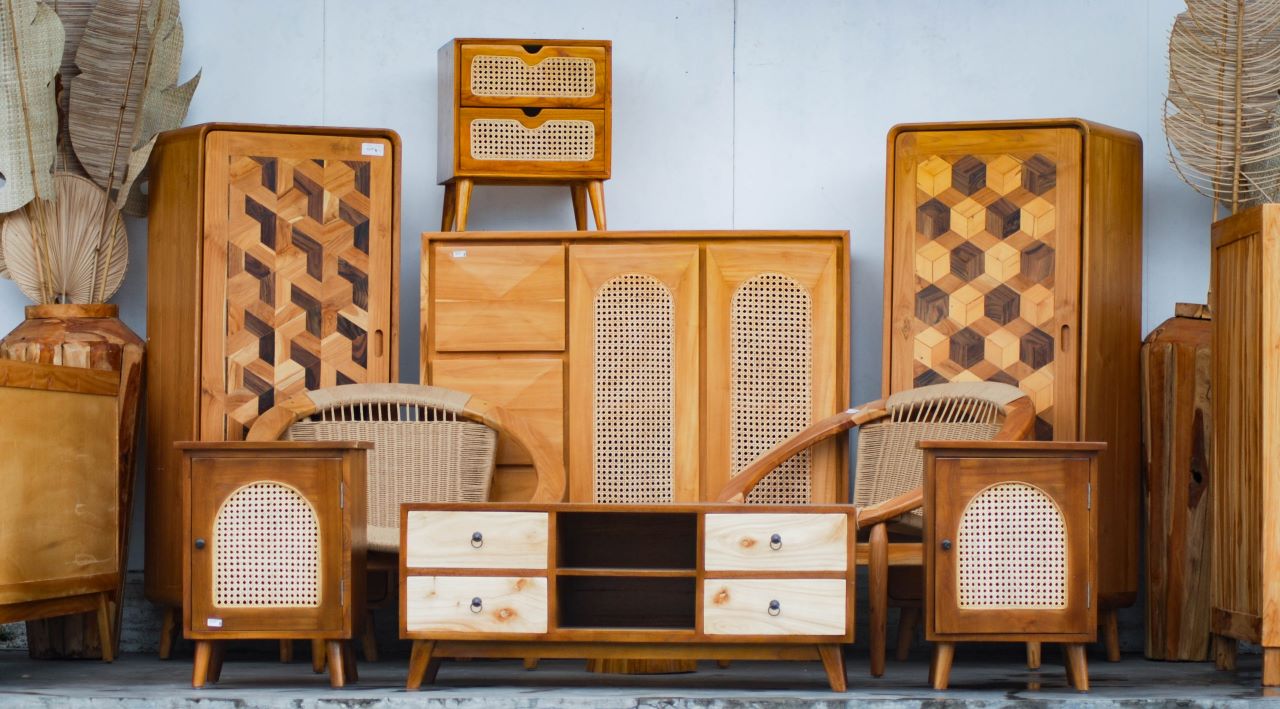
Handling family heirlooms after a loss requires managing legal authority, emotional pressure and practical logistics at the same time, and the order you take them on matters more than most people expect.
Blanket Storage: The Right Method for Every Space and Season
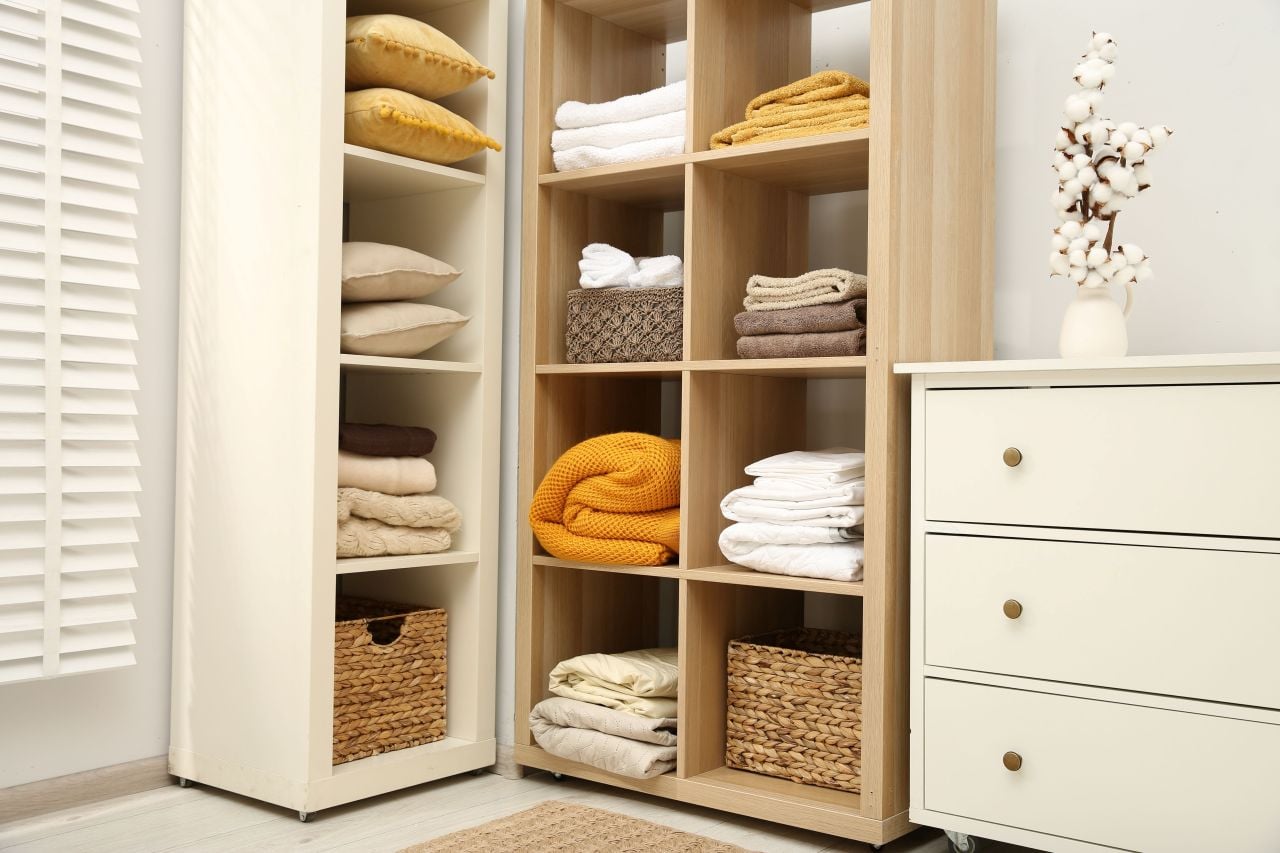
Blankets make our lives cozier, and storing them well is what keeps them soft and comfortable in the long run. Knowing how to store a blanket properly means your favorites come out of storage smelling fresh, feeling the same as when they went in, and lasting years longer than they otherwise would.

Board Game Storage Ideas That Keep Your Collection in Fighting Shape
Nobody warns you that getting into board games usually unlocks a second hobby, the much dreaded one that includes figuring out where on earth to put them. One game becomes a few, expansions start spawning beside their base boxes and before long, board game storage requires as much strategy as whatever is waiting on the other side of those lids.

Storage Locker vs. Storage Unit: What’s the Difference?
A locker and a unit may sound like two names for the same four walls and a lock, and depending on the storage facility, you may even see the terms used that way. However, once you start comparing available spaces, storage lockers tend to occupy the smaller end of the spectrum, while storage units(opens in new tab) give you considerably more room to work with.

Storage Ideas for Small Spaces: 9 Ways to Max Out Your Home
A messy home contains the seeds of its organization. Those seeds are everywhere: the space above doors, under beds, behind sofas and inside furniture can all become storage. Here are the best storage ideas for small spaces, so you can make the most of your cozy home.

Best U.S. Cities to Live Uncluttered: Plano, TX, Offers the Most Room to Breathe
Clutter is in our homes as much as in our heads. Both are shaped by where we live.
How to Organize Your Bathroom: 8 Ways to Stay Tidy
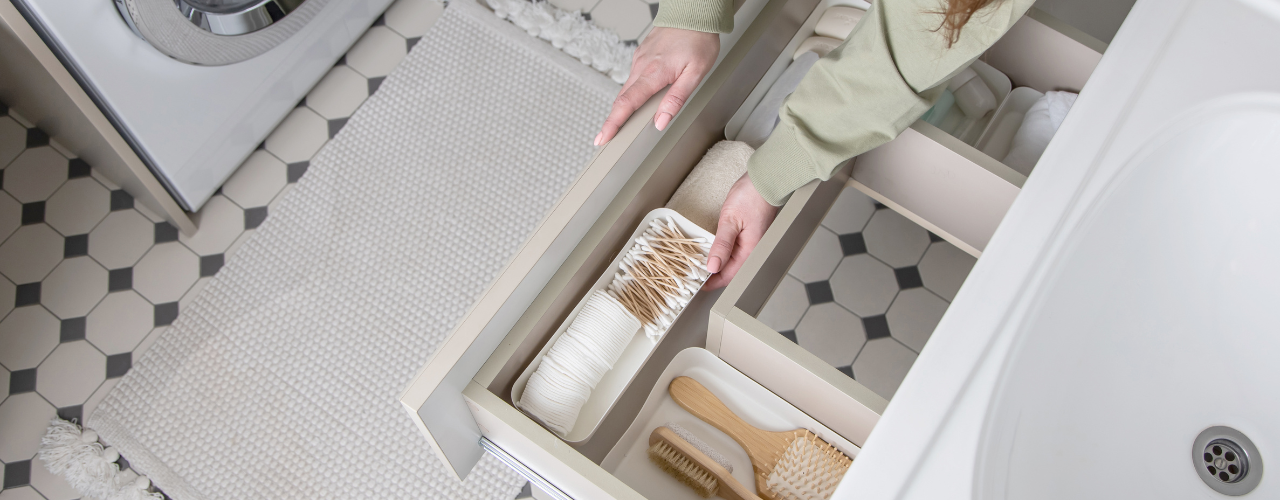
You already know why an organized bathroom is worth the effort, but let us remind you: it makes rushed mornings easier, keeps counters cleaner and just helps get you in the mood to go through your skincare routine like you should. Plus, in bigger households, it helps everyone find what they need. And you know how much a tidy bathroom counts for your self-esteem when a guest or a partner shows up. Luckily, you don’t need a degree to know how to organize your bathroom. The secret is keeping less, giving every item a home and making that home simple to use. Let’s go through some practical steps can help you create a bathroom that stays functional and nice to look at.

How to Use Silica Gel Packets for Storage
Moisture can cause significant damage to items in storage, leading to rust on tools, mold on clothing and warping in documents. Silica gel uses science to fix that. Often found in small packets inside product packaging, silica gel is a desiccant that absorbs moisture from the air, keeping your stored items dry and protected. This guide explains what silica gel is, how it works and how you can use it to preserve your belongings in self storage.