

Water changes a place. It draws in birds, insects, and the kind of quiet that helps you settle. The air feels cooler. Outside noise fades. And even if you’re just having a coffee in your backyard, there’s something to look at that keeps you there a little longer. So, let’s talk backyard water features.
There are simple ways to bring water into your green space — for instance, by adding a misting tower, which creates a gentle, refreshing haze on hot days. But if you want a more rustic feel, you’ll need to roll up your sleeves, head to your storage unit to grab your tools, and get ready to dig in — literally and figuratively.
We’ve already done some of the digging for you and rounded up 11 backyard water features that bring calm, beauty, and just a hint of wildness to your outdoor space. Check them out below.
1. Backyard pond (your own little lake)
⏱️ Time: 1-2 weekends | 💲 Cost: $$–$$$
A pond doesn’t have to be grand to be beautiful. You can carve one into the earth with a shovel, line it with flexible pond liner, add a pump, and surround it with stones and native plants. In a few weekends, you’ll have a small body of water that reflects the sky and invites frogs, dragonflies, and stillness.
Keep the shape organic, like something shaped by nature. Also, avoid perfectly round or square outlines — they look out of place. And think ahead for autumn: netting can help keep falling leaves out.
How to do it:
- Pick your location: flat-ish ground, partial sun, away from tree roots.
- Outline your pond with a hose or string. Go for an irregular shape.
- Dig 18-24 inches deep, with shelves for plants if desired.
- Tamp the soil, remove sharp rocks, and line the hole with underlayment.
- Add flexible pond liner, smoothing out folds.
- Place a pump in the deepest part, run tubing to the future waterfall or fountain spot.
- Cover edges with large rocks, and hide the liner.
- Fill with water and plug in the pump.
- Add aquatic plants like lilies or anacharis. Let water sit 3-5 days before adding fish.
2. Pondless waterfall
⏱️ Time: 1 weekend | 💲 Cost: $$
Say you love the soothing patter of running water but don’t want to deal with a full pond. This one’s for you. A pondless waterfall recirculates water from a hidden underground basin, giving you the look and sound of a waterfall without the open pool of water.
It’s cleaner, safer (especially if you have pets or little ones) and easier to maintain. Plus, the babble of water tumbling over stone can make your whole yard feel cooler and more alive.
How to do it:
- Choose a sloped area or build one with soil and rocks.
- Dig a basin at the bottom, large enough for a pump and water reservoir.
- Line the basin with underlayment and flexible pond liner.
- Place a reservoir tank or plastic crate system inside, cover with a sturdy grate.
- Run tubing from the pump up the slope to where the water will spill.
- Build a rock stream or cascade, hiding tubing behind stones.
- Cover grate and stream bed with decorative gravel.
- Fill the basin with water and test your pump.
-

- Before
-

- After
3. Container water garden
⏱️ Time: Under 1 hour | 💲 Cost: $
If you’ve got a patio, porch or a small yard, this is one of the simplest ways to bring water into your life. Fill a large container with water — a ceramic pot, a half-barrel, even a watertight metal tub — then add floating plants like water lettuce or dwarf lilies. Drop in a small solar-powered fountain or air bubbler, and you’ll keep the water moving.
That’s it. Affordable. Low-effort. Endlessly customizable. If you want to, you can change the container with the seasons or even bring it indoors when the weather turns.
How to do it:
- Find a waterproof container at least 12-18 inches deep.
- Place on a stable, sunny spot.
- Add a few bricks or inverted pots for plant staging.
- Fill with clean water.
- Add a solar-powered fountain or air bubbler.
- Float aquatic plants like water lettuce or add marginal plants in pots.
- Change water or top off as needed.
4. Bubbling rock fountain
⏱️ Time: 1 weekend | 💲 Cost: $$
Part sculpture, part soundtrack. bubbling rock fountain is basically a stone with a hole drilled through it. In turn, this allows water to bubble up from a pump hidden in a basin below. It’s quiet, elegant, and perfect shady corner where nothing wants to grow. It would work great in a spot that needs a focal point but doesn’t want to be fussy.
How to do it:
- Buy or drill a stone with a center hole (use a masonry bit).
- Dig a basin hole and insert a plastic fountain reservoir with grate.
- Run pump tubing up through the stone.
- Place the rock on the grate and adjust.
- Surround with river stones to cover the mechanics.
- Fill the reservoir with water and start the pump.
5. Stacked watering can fountain
⏱️ Time: 1 weekend | 💲 Cost: $-$$
Here’s one with charm and imagination. Get a few old watering cans, drill some holes in them and thread them together with a hose. Then just watch the water flow from one can to the next. This works best when you lean into the rustic look. This works best when you lean into the rustic look. Think galvanized steel, antique brass or enamel painted in soft pastels. Let it look like it’s been there a while — it adds to the magic.
How to do it:
- Gather 2-3 old metal watering cans.
- Drill holes at the spouts and bases to allow flow-through.
- Stack and secure the cans using rebar or metal rods anchored in concrete blocks or large pots.
- Thread flexible tubing from pump through the bottom can and up to the top.
- Hide tubing inside cans as much as possible.
- Add a basin or large tub at the base to collect and recirculate water.
- Plug in the pump and adjust water flow.
6. Solar-powered birdbath fountain
⏱️ Time: 1 weekend | 💲 Cost: $-$$
A birdbath alone is lovely. But add a small solar-powered bubbler and you give it life and motion. The gentle splash attracts more birds, discourages mosquitoes and adds subtle music to your yard.
The best part? No wires. No plumbing. Just sunshine and water.

How to do it:
- Place a stable birdbath in a sunny location.
- Fill with water.
- Drop in a floating solar-powered fountain pump.
- Adjust placement so spray stays in the bowl.
- Clean occasionally to prevent algae buildup.
7. Mini stream with pebble bed
⏱️ Time: 2+ weekends | 💲 Cost: $$$
If your yard has even a gentle slope, you can build a small stream that winds through your garden beds. Dig a shallow trench. Line it with pond liner. Add a small pump that recirculates the water from the bottom back to the top. It feels like something from a woodland hike — a natural thread of water pulling everything together. Here’s a tip: Let the stream curve and bend. Straight lines feel man-made. Nature prefers a little wobble.
How to do it:
- Pick a gently sloping area of your yard.
- Dig a shallow winding trench, 6-10 inches deep.
- Line with underlayment and flexible liner.
- Dig a lower basin for the pump.
- Lay tubing from the basin up to the top of the trench.
- Cover tubing with river stones, gravel, and pebbles.
- Build up areas with rocks to control water flow.
- Fill basin with water and test pump.
8. Whiskey barrel fountain
⏱️ Time: 1 weekend | 💲 Cost: $$
Half whiskey barrel, hidden pump, a few carefully placed stones — and you’ve got a fountain that hums with rustic charm. These barrels are watertight and deep enough to hold a good amount of water. Add a few aquatic plants or float candles on warm evenings and you’ve got a small, beautiful centerpiece. Here’s why we love it: It smells faintly of oak and rain when the water moves. It feels timeless — like something your grandfather might have built, and your kids might one day remember.
How to do it:
- Purchase a watertight half-barrel or seal it with pond sealer.
- Place it level on your patio or garden.
- Set pump inside with tubing leading up to a spout, statue, or feature.
- Hide tubing with stones or aquatic plants.
- Fill with water and turn on the pump.
- Add floating candles or small plants if desired.
9. Wall-mounted waterfall
⏱️ Time: 1–2 weekends | 💲 Cost: $$
If you’re working with a fence, a courtyard, or a narrow side yard, this one’s a space-saver with style. A wall-mounted waterfall lets water spill from a horizontal spout into a trough or hidden basin below.
It’s architectural, minimal and can even double as a privacy screen. Add some string lights or trailing vines and it becomes something close to magic. And here’s another design tip: add materials like copper, wood, stone. They age well, and they soften the structure.
How to do it:
- Choose a sturdy wall or fence for mounting.
- Install a horizontal spillway (metal, stone, copper) with plumbing access.
- Build or place a basin directly below to catch water.
- Run tubing from the pump in the basin up to the spout.
- Secure tubing behind the wall or cover with trim.
- Test the flow, adjusting for splash distance.
10. Repurposed fountain (think: teapots, urns, old pumps)
⏱️ Time: 1 weekend | 💲 Cost: $-$$
There’s no rule saying your water feature has to come from a catalog. One of the most charming routes is to take something old — a cast iron hand pump, a ceramic jug, even an antique teapot — and turn it into a small, gentle fountain. Whatever you repurpose, seal it properly and make sure the pump you use can handle the flow.

How to do it:
- Choose your vessel: a jug, teapot, vintage basin, etc.
- Seal any cracks with waterproof epoxy or liner spray.
- Drill discreet holes for tubing if needed.
- Set up a basin below or inside the object.
- Place pump inside and run tubing through the object.
- Add stones, plants, or other decorative elements.
- Fill with water and start the pump.
11. DIY rain chain fountain
⏱️ Time: 1 weekend | 💲 Cost: $$
Rain chains are beautiful on their own — delicate chains or cups that guide rainwater down in a zig-zagging, musical line. But if you combine one with a recirculating pump, you can have that soft trickling sound even when the skies are clear.
Pro tip: copper rain chains age into a gorgeous green patina. If that’s your look, it only gets better with time.
How to do it:
- Hang a rain chain from a roof edge, gutter, or tall post.
- Below, place a basin or ceramic bowl filled with river stones.
- Add a small submersible pump to the basin.
- Run tubing up alongside the chain to the top (discreetly zip-tie if needed).
- Let water cascade down the chain and collect below.
- Adjust pump flow and enjoy the sound of falling water anytime.
Pick one that makes sense for your space. It doesn’t have to be perfect. Just something small, something you can put your hands on and see through. Let it take shape slowly. A quiet feature, something that moves a bit — water, light, maybe birds. It doesn’t have to impress anyone.
Just make it yours.



Scary Good DIY Halloween Decorations That Won’t Haunt Your Wallet
A few floating candles in the hallway, a family of ghosts by the front door and a suspicious number of bats climbing up the bedroom wall can make October feel a whole lot spookier. While Halloween stores are full of tempting finds, some of the best DIY Halloween decorations can come from things you already have tucked away in drawers, closets or the recycling bin.
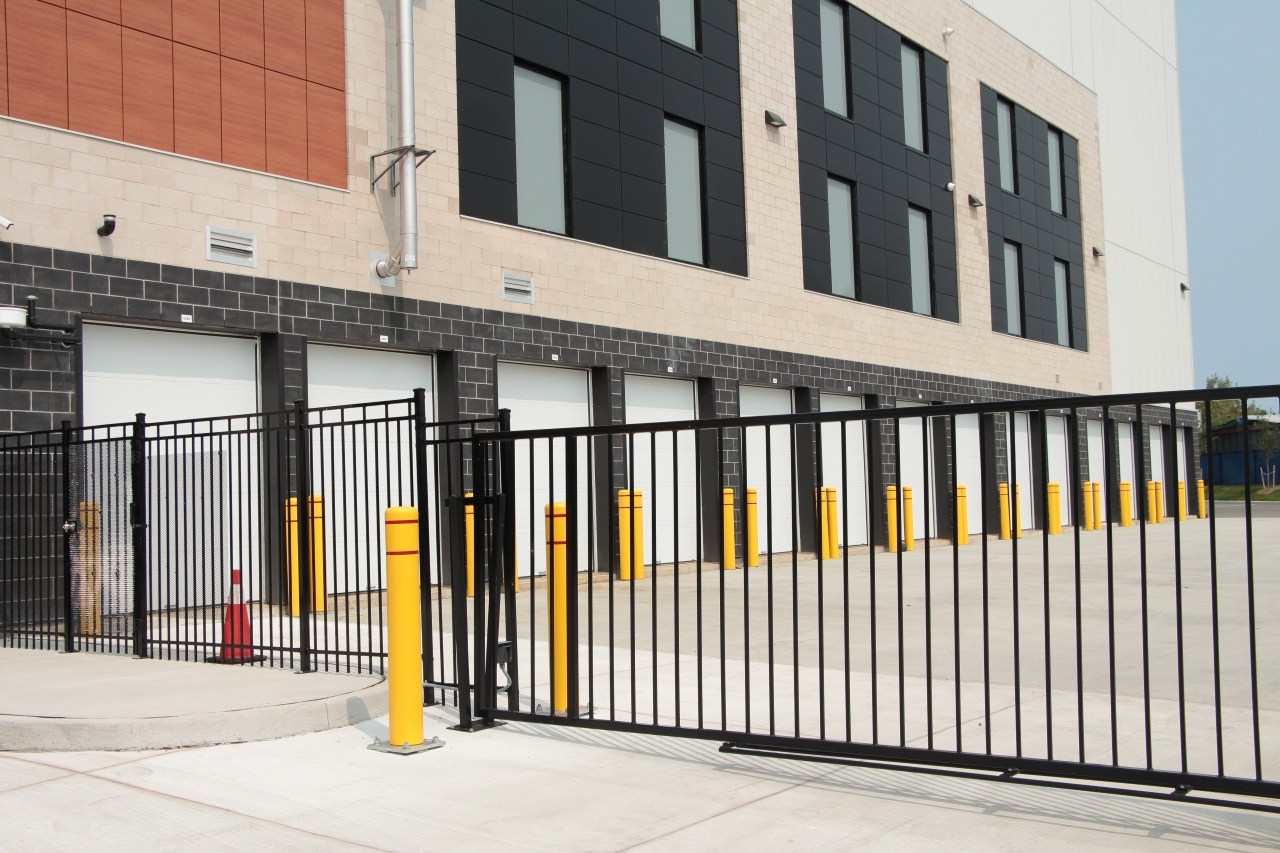
Suburban Giants and Urban Risers: Where America’s 100 Largest Metros Fall on the Self Storage Map
Self storage has long been a suburban story. Across America largest 100 metros, 59% of the inventory built over the past decade sits outside city cores, largely preserving the ratio of the total existing inventory.
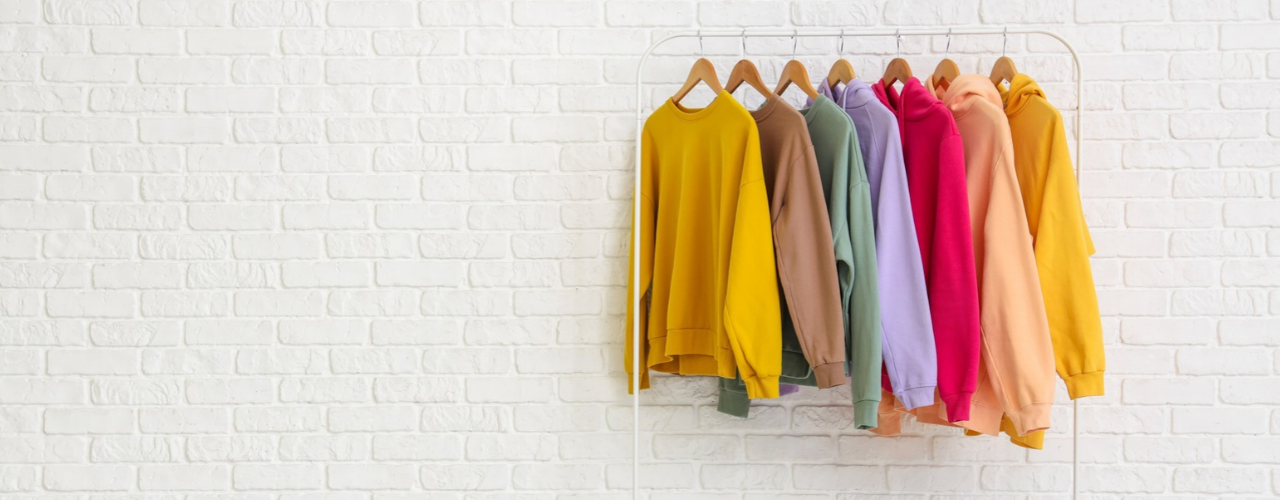
Sweatshirt Storage Ideas Worth Keeping Up Your Sleeve
Sweatshirts are great until you realize how much room they take up. A few thick hoodies can fill a drawer fast, with lighter crewnecks getting squashed underneath or pushed somewhere you forget about. Good sweatshirt storage can make that pile much easier to manage without requiring a bigger closet.
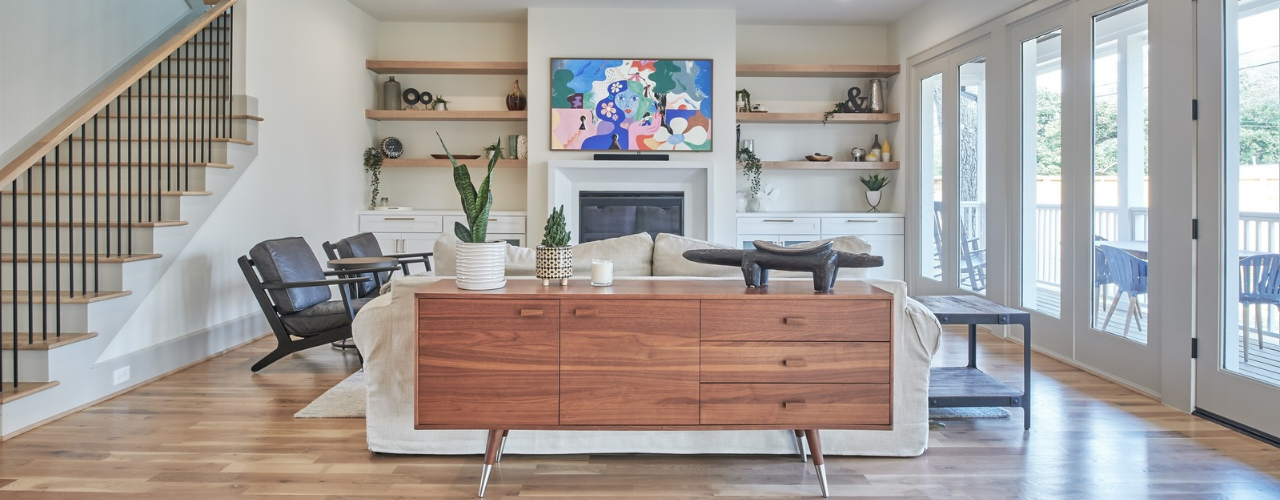
Living Room Storage Ideas: 28 Ways to Reclaim Your Hosting Space
If a living room is where most of a household’s living happens, good storage should be the top priority for setting up or revamping the place. After all, think of how easier it would be to have people over when tidying up the place is just a matter of putting things in their right place (in a time when fewer and fewer people are entertaining friends at home(opens in new tab)). The trick is making room for all those wayward clothes, blankets, chargers and other small things that end up on (or, inexplicably, in) the sofa. Here are 28 living room storage ideas to get you started and make tidying up a quick affair.
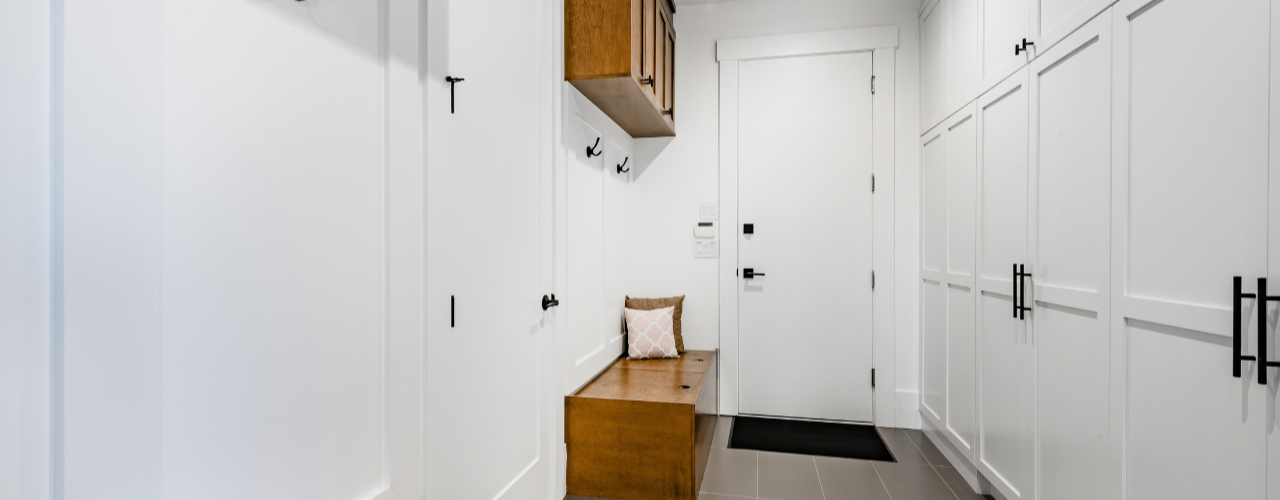
25 Mudroom Storage Ideas (And Mistakes to Avoid)
When you come home with muddy boots, an armful of bags and a coat you can’t wait to take off, it’s nice to have somewhere to put it all. With a mudroom, you can leave the outdoor mess at the door instead of carrying it through the house. Traditionally, you’d set aside a separate room, but you can just as easily use a hallway, an entryway closet, a laundry-room corner or a stretch of wall near the entrance.
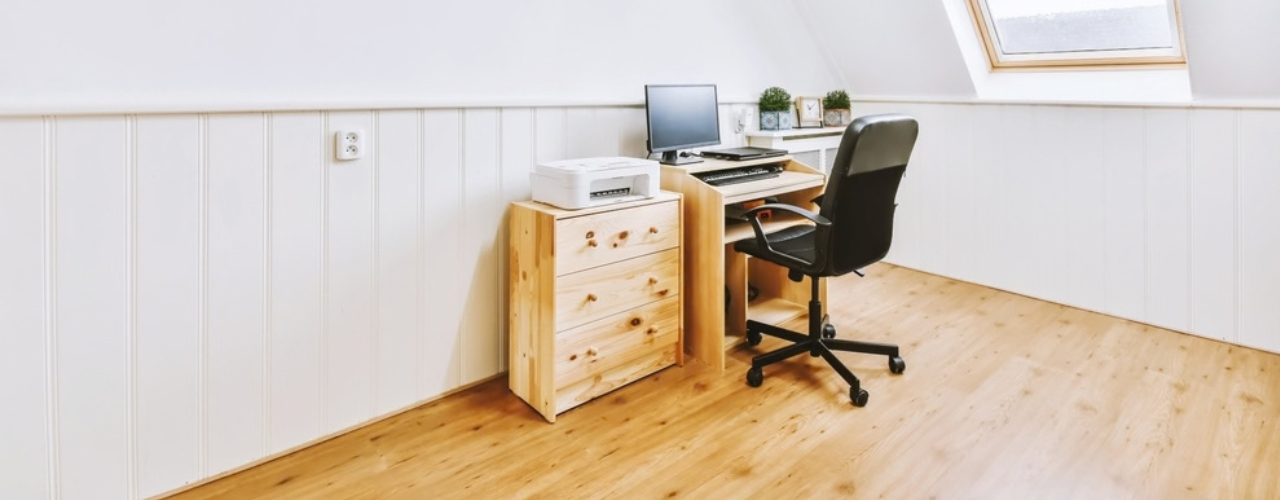
Is Your Home Office Worth the Rent? What Coworking and Self Storage Could Save You
Every square foot of your apartment comes with a price tag, and a home office claims more of them than most renters expect. It starts with a desk. Then come the second monitor, the printer, the filing cabinet and the overflow boxes. Before long, the corner you set aside for work has turned into a small room you are paying for every month.

Best U.S. Cities to Live Uncluttered: Plano, TX, Offers the Most Room to Breathe
Clutter is in our homes as much as in our heads. Both are shaped by where we live.

America’s Top Snowbird Destinations for 2026–2027: Florida Leads in Numbers, Texas Wins on Value
For Americans living in colder states, the approach of winter is reason enough to start looking south. Cold weather carries costs that go beyond the heating bill and shoveling snow. Seasonal affective disorder(opens in new tab) is far more prevalent in northern states, so a temporary move south isn’t simply an escape from the cold, but a chance to spend the hardest stretch of winter outdoors and in the sun.
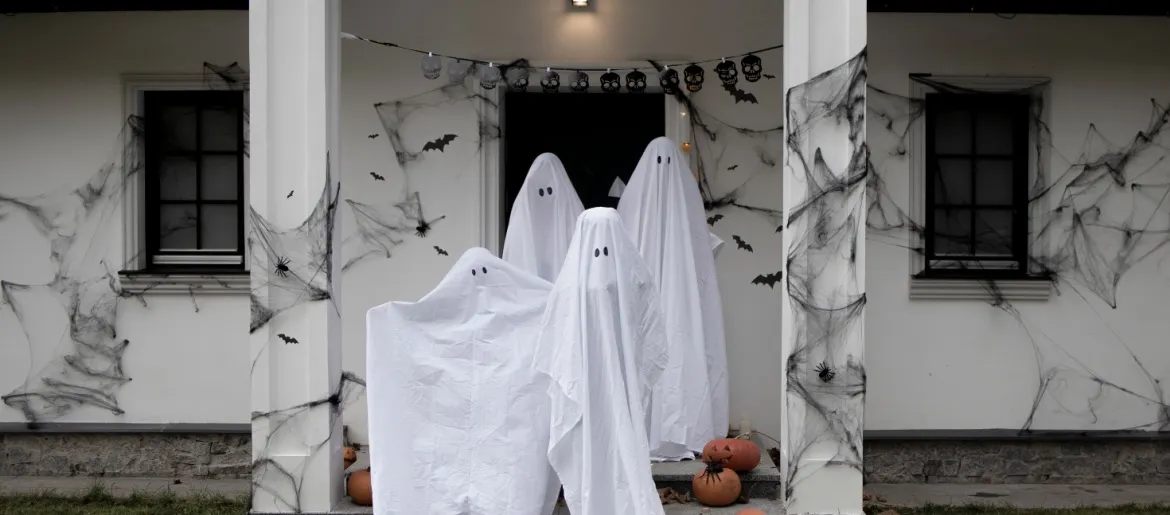
How Much Does Halloween Really Cost in 2026? Plan Wisely to Avoid the Scare of Hidden Costs
Americans’ love for Halloween is almost frightening — this year alone, we are on our way to spending $13.5 billion, according to data from the National Retail Federation(opens in new tab). That breaks down to about $115 Halloween costs per person, a whopping 49% more than 10 years ago.