

Clutter is taking over American homes. A recent survey found that 44% of Americans feel overwhelmed by clutter either always or often, and another 28% say they sometimes feel the same way. Our tendency toward owning more than we need has long been part of the American cultural fabric, but in recent years, it’s reached new heights. The rise of online shopping, fast fashion, and social media-fueled consumerism have made it easier than ever to accumulate and much harder to let go. Many Americans are literally boxed in by their belongings, struggling to find room for daily living.
Who’s dealing with the most clutter?
Clutter doesn’t affect everyone equally. Renters often feel the squeeze more than homeowners due to space limitations, and younger generations are especially affected. According to the survey, 52% of Gen Z respondents, many of whom live in shared spaces or small apartments, reported feeling frequently overwhelmed by clutter. Their inclination toward maximalist aesthetics and thrifted or vintage finds can add character to a space but also contribute to the problem.
Clothing tops the list of common clutter culprits, with 26% of Americans blaming their wardrobes for their home’s disorganization. Millennials, who are more likely to be invested in fashion trends, are the biggest offenders, with 29% reporting that clothing is their top source of clutter. Other usual suspects include old electronics, books, toys and unwanted gifts — items that often linger for years because they’re too sentimental or too “useful someday” to toss.
The everyday toll clutter has on the quality of our lives

Clutter creates chaos. It reduces usable living space in our homes, makes cleaning more difficult and leads to wasted time spent looking for lost items. In fact, Americans might be spending around 2.5 days per year looking for misplaced items – and, oftentimes, they also spend money on replacements for the things they simply can’t find, leading to waste and, ultimately, even more clutter.
Basic, day-to-day tasks like cooking in a cluttered kitchen, working in a crowded home office or trying to relax in a chaotic living room become exercises in frustration. Over time, this low-grade stress adds up and affects how we function day to day.
But the psychological effects are perhaps even more significant. Kristie Tse, a psychotherapist and the founder of Uncover Mental Health Counseling, points out that clutter is rarely just about things. “It’s the emotions, the memories, and the what-ifs attached to those belongings,” she says. “Once the clutter is cleared, clients often tell me they feel lighter, more focused, and even more confident in other parts of their lives.”
Dr. Bryan Bruno, Medical Director at Mid City TMS, echoes this sentiment. “Clutter in the home isn’t just a physical issue — it’s a mental one,” he explains. “Many of my patients describe feeling overwhelmed or even ashamed by clutter, which can fuel anxiety or low mood.”
The ripple effects of clutter can extend beyond the walls of our homes, shaping how we appear in the world. A disorganized environment can sap energy, make us chronically late for work and other special events, diminish productivity and even strain relationships—especially when shared spaces become points of tension between family members or roommates.
Why it’s so hard to let possessions go

Many people struggle with clutter not because they’re lazy or messy but because of emotional attachment. Sabrina Tretyakova, Cleaning Validation Consultant at Fortador, sees this all the time. “One of the most common challenges I see in clients is the emotional attachment they have to certain items, especially when that attachment is tangled with a sense of obligation,” she says. “Things inherited from loved ones or gifts they never used often carry guilt or grief, and they cannot let them go.”
This emotional weight creates decision paralysis. You may know you need to declutter, but the thought of sorting through old photos, baby clothes or gifts from an ex can be emotionally exhausting. These tokens often represent memories or unresolved emotions, and letting them go can feel like a betrayal, even when they’re no longer serving you.
It’s important to understand that letting go doesn’t mean forgetting. A good strategy is to take a photo of a sentimental item before parting with it, preserving the memory. Another is to keep a small memory box with the most significant items rather than letting nostalgia take over entire closets and drawers in your home.
How to break free from the clutter

There’s no one-size-fits-all approach to decluttering but, for most people, breaking the process into manageable steps is key. Karina Toner from Spekless recommends creating a system that works for your lifestyle and focuses on progress, not perfection. “Start small, focus on one area at a time, and create a routine you can stick to,” she advises. “Beyond just a tidier space, clients experience significant mental and emotional benefits once they tackle the clutter in their homes.”
Bayu Prihandito, a psychology consultant and founder of Life Architekture, suggests the “5-minute cleanup” rule. “Each day, set a timer for just five minutes and focus on clearing one small area or category of clutter,” he says. “You’ll likely feel a quick sense of accomplishment and ease some of the stress clutter creates.”
For those dealing with chronic stress or trauma, clutter can be more than a practical issue. Linda Kocieniewski, a psychotherapist, works with clients to process underlying emotional burdens tied to clutter. “Clients often note emotional clarity and improved moods after integrating therapy insights with practical changes, like organizing a home workspace,” she explains. Decluttering becomes not just about creating space but about reclaiming peace.
Decluttering expert Forrest Webber of Bear Brothers Cleaning also emphasizes the power of structure and sustainability. “We break the process into small, doable steps to reduce the overwhelm and create a clear beginning point,” he says. The benefits of this approach go beyond aesthetic: clients report improved sleep, better communication at home and a renewed sense of ownership over their space.
The benefits of getting rid of clutter at home go far and wide, with implications for productivity (a major consideration now that many of us are working from home), and even for the state of health of our families. “One tech CEO said she was able to focus at a new level after we cleared out her home office as she had fewer distractions,” says Andriy Neborak, home improvement specialist with Luxury Cleaning New York. “Healthier living conditions are another big payoff; we’ve had allergy sufferers notice significant symptom relief after we deep cleaned hidden dust and mold in stuffed closets”, he added.
However, the process of decluttering your home shouldn’t create even more stress for you. If the task is too daunting, you can always ask for help from professionals. “Remember to cut yourself some slack – your worth isn’t measured by how tidy your home is”, explains Dr. Ryan Peterson of NuView Treatment Center. “If it feels impossible to let go of things, or the mess is seriously affecting daily life or mental health, talking to a therapist or hiring a professional organizer might be the way to go”, he added.
Where self storage fits in
Sometimes, even after decluttering, we’re left with items that still serve a purpose but don’t quite fit in our everyday lives. That’s where self storage comes in, and it can be especially helpful when you’re not ready to make permanent decisions about certain belongings.
It buys time and space, both physically and mentally. Instead of being surrounded by things you’re unsure about, you can store them while you focus on creating a calm and functional home. Fortunately, self storage is widely available across the country, so, most likely, you’ll be able to find a storage facility located close to your home. Naturally, costs vary significantly depending on where you live, but generally they are much lower than, let’s say, moving to a larger home. Also, the feeling of being comfortable in your decluttered home is truly priceless. Below, you can check out self storage rates in the country’s major cities:
Self Storage Costs and Availability in the Country’s Largest 150 Cities
StorageCafe analysis of data from Yardi Matrix. (Data as of Apr 2025 | Pub: May 2025).In a world where more is constantly encouraged — more stuff, more consumption, more pressure — creating room to breathe is an act of self-care. Whether that means filling a donation bin, clearing off your desk or renting a small unit across town, the result is the same: space to live the life you actually want.


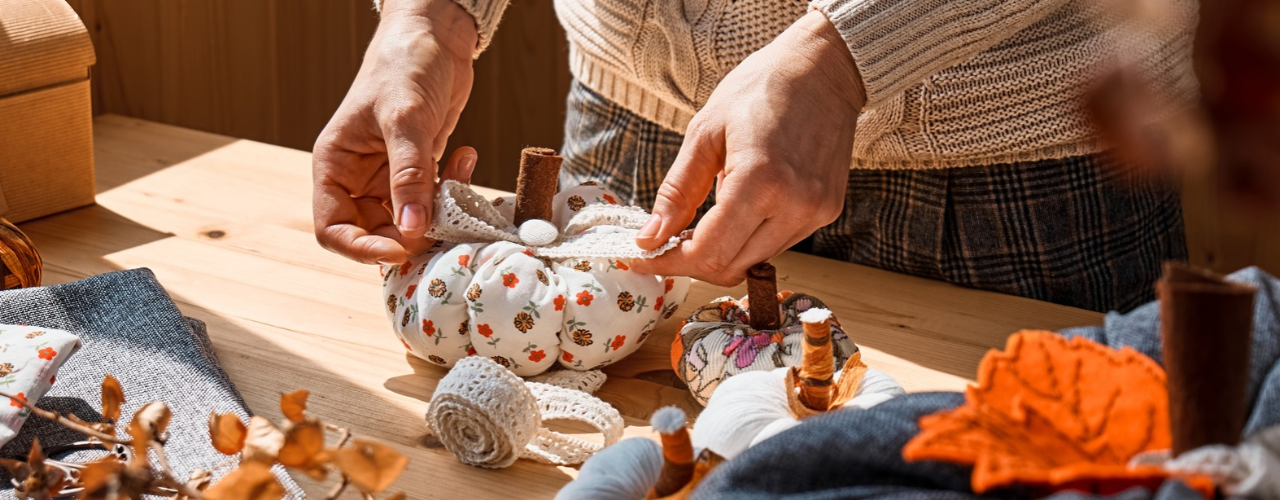
Scary Good DIY Halloween Decorations That Won’t Haunt Your Wallet
A few floating candles in the hallway, a family of ghosts by the front door and a suspicious number of bats climbing up the bedroom wall can make October feel a whole lot spookier. While Halloween stores are full of tempting finds, some of the best DIY Halloween decorations can come from things you already have tucked away in drawers, closets or the recycling bin.
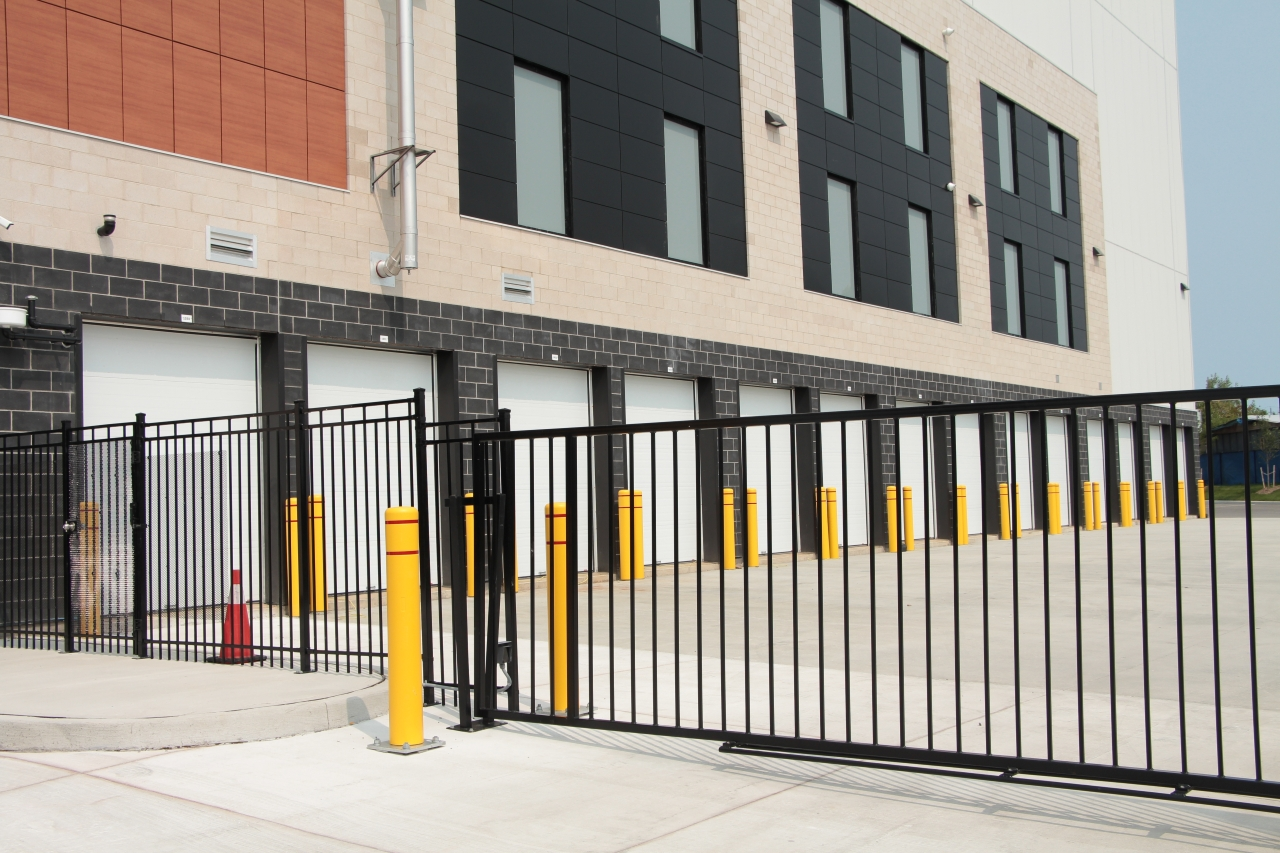
Suburban Giants and Urban Risers: Where America’s 100 Largest Metros Fall on the Self Storage Map
Self storage has long been a suburban story. Across America largest 100 metros, 59% of the inventory built over the past decade sits outside city cores, largely preserving the ratio of the total existing inventory.
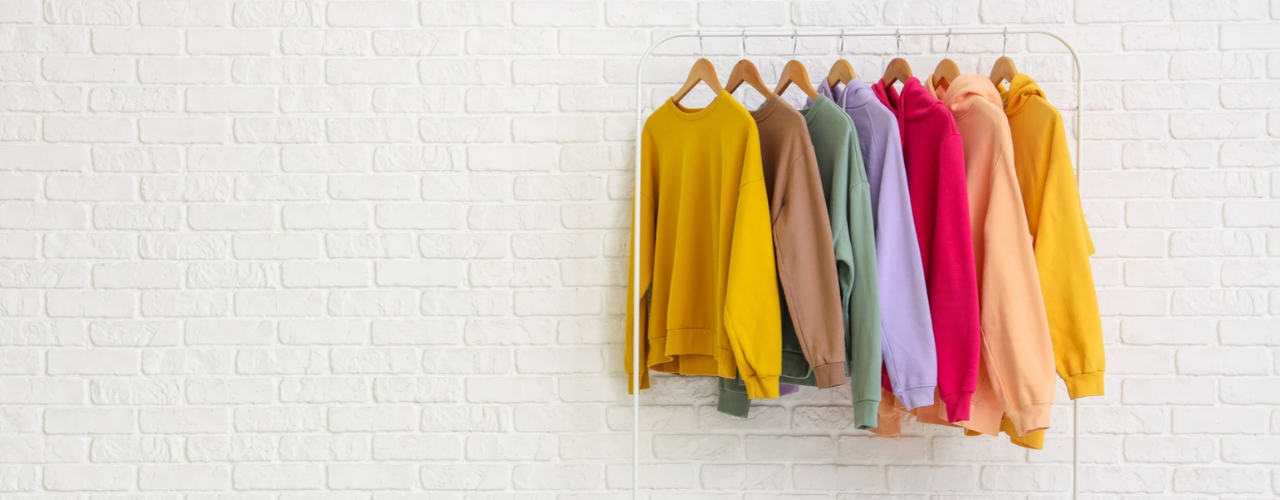
Sweatshirt Storage Ideas Worth Keeping Up Your Sleeve
Sweatshirts are great until you realize how much room they take up. A few thick hoodies can fill a drawer fast, with lighter crewnecks getting squashed underneath or pushed somewhere you forget about. Good sweatshirt storage can make that pile much easier to manage without requiring a bigger closet.
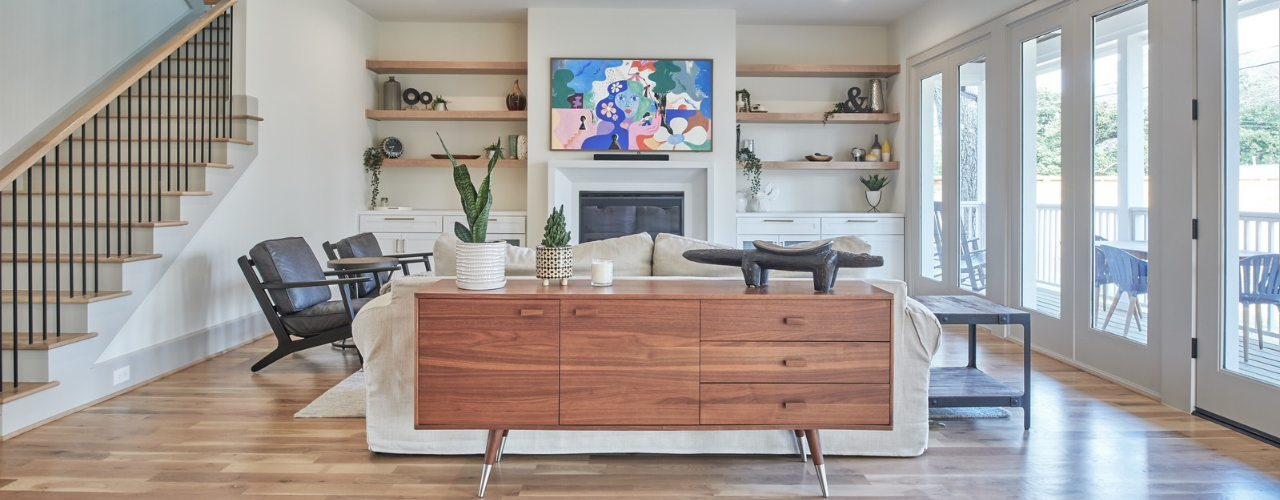
Living Room Storage Ideas: 28 Ways to Reclaim Your Hosting Space
If a living room is where most of a household’s living happens, good storage should be the top priority for setting up or revamping the place. After all, think of how easier it would be to have people over when tidying up the place is just a matter of putting things in their right place (in a time when fewer and fewer people are entertaining friends at home(opens in new tab)). The trick is making room for all those wayward clothes, blankets, chargers and other small things that end up on (or, inexplicably, in) the sofa. Here are 28 living room storage ideas to get you started and make tidying up a quick affair.
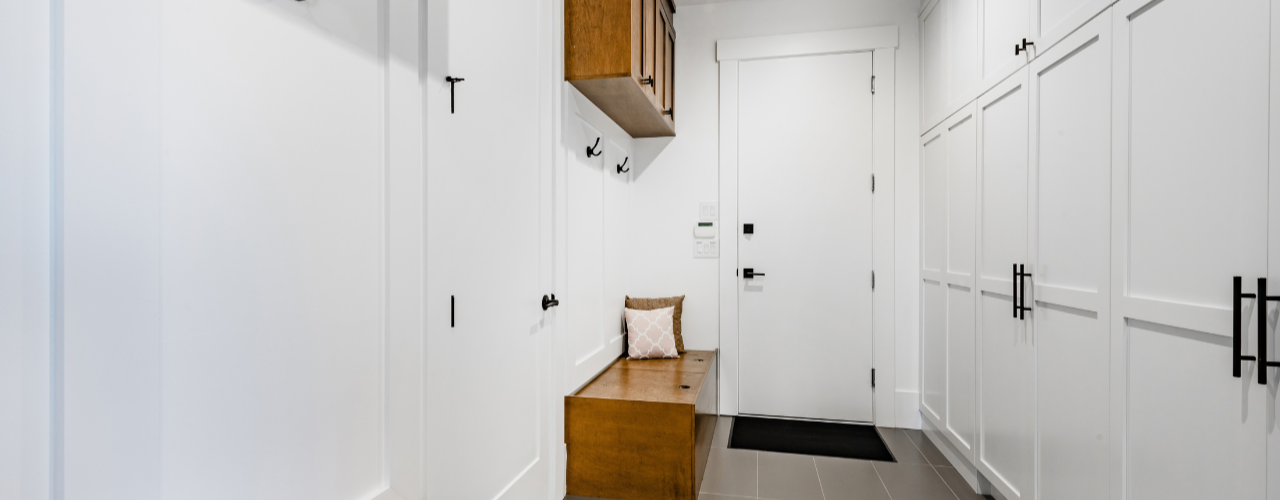
25 Mudroom Storage Ideas (And Mistakes to Avoid)
When you come home with muddy boots, an armful of bags and a coat you can’t wait to take off, it’s nice to have somewhere to put it all. With a mudroom, you can leave the outdoor mess at the door instead of carrying it through the house. Traditionally, you’d set aside a separate room, but you can just as easily use a hallway, an entryway closet, a laundry-room corner or a stretch of wall near the entrance.
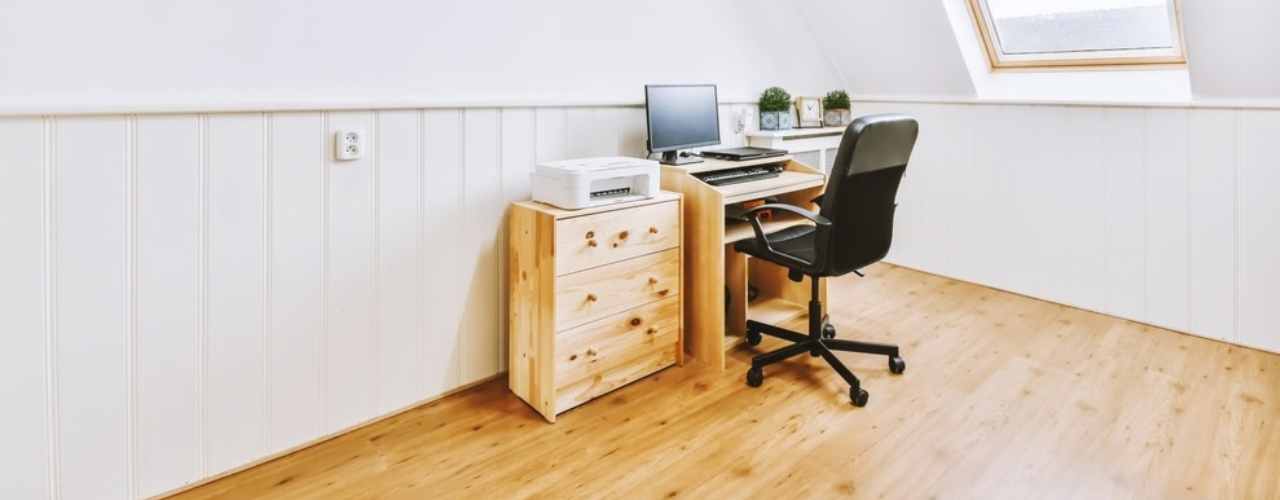
Is Your Home Office Worth the Rent? What Coworking and Self Storage Could Save You
Every square foot of your apartment comes with a price tag, and a home office claims more of them than most renters expect. It starts with a desk. Then come the second monitor, the printer, the filing cabinet and the overflow boxes. Before long, the corner you set aside for work has turned into a small room you are paying for every month.
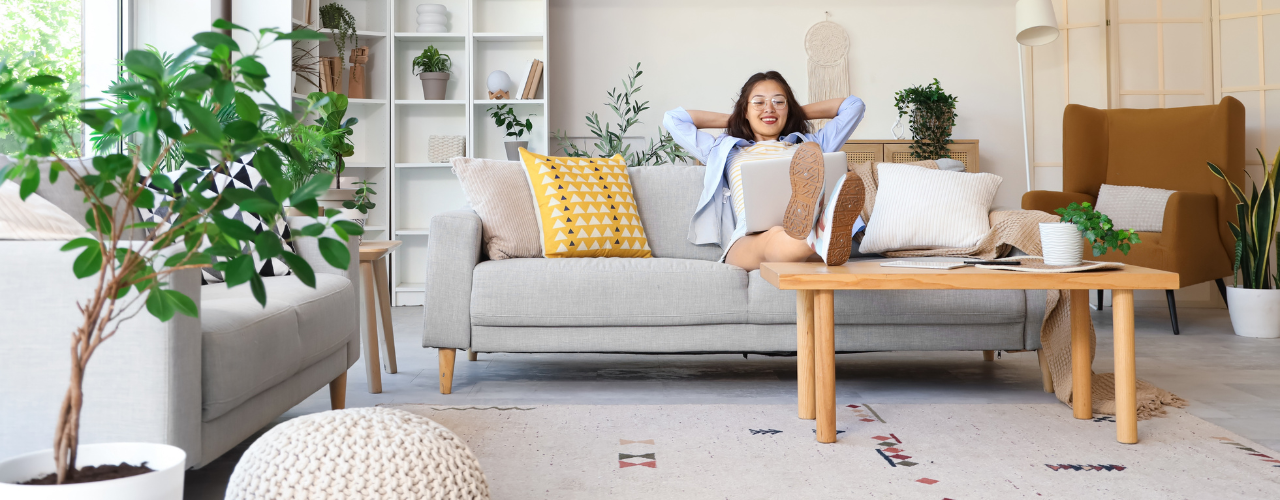
Best U.S. Cities to Live Uncluttered: Plano, TX, Offers the Most Room to Breathe
Clutter is in our homes as much as in our heads. Both are shaped by where we live.

America’s Top Snowbird Destinations for 2026–2027: Florida Leads in Numbers, Texas Wins on Value
For Americans living in colder states, the approach of winter is reason enough to start looking south. Cold weather carries costs that go beyond the heating bill and shoveling snow. Seasonal affective disorder(opens in new tab) is far more prevalent in northern states, so a temporary move south isn’t simply an escape from the cold, but a chance to spend the hardest stretch of winter outdoors and in the sun.

How Much Does Halloween Really Cost in 2026? Plan Wisely to Avoid the Scare of Hidden Costs
Americans’ love for Halloween is almost frightening — this year alone, we are on our way to spending $13.5 billion, according to data from the National Retail Federation(opens in new tab). That breaks down to about $115 Halloween costs per person, a whopping 49% more than 10 years ago.