

Golf is more than a game or a sport – for many it’s a real passion that requires dedication, attention to detail and also plenty of gear. To enjoy it for as long as possible, your equipment requires plenty of TLC, especially during the off-season. So how should you store your golf gear when it’s not in use?
To assist you in caring for your golfing gear, we’ve put together these tips below that guide you through prepping it for storage, where to store it and how to organize your gear in storage.
Preparing your golf gear for storage
Preparing your golf gear before storage is essential to keeping it in good condition until you’re ready to use it again. Here’s what to keep in mind:
Start by cleaning your golf gear
Cleaning it is the first step in getting your gear ready for storage. Take time to clean each category of golf gear based on what works best for them.
- Golf clubs
Do the same for your clubs – a soft bristle brush will do the trick for cleaning. Mild soap is an excellent choice for the clubheads – be sure to thoroughly clean the grooves as well. Wipe with a damp cloth and allow to air dry completely to avoid rust formation. Once fully dry, use metal polish on your clubs.
[pic cleaning golf gear]

- Golf bag
Your golf bag also needs its fair share of TLC. Start by emptying it and shaking out any dust. For non-leather bags, use a vacuum cleaner to remove dirt from the pockets. Use a cloth dipped in soapy water to wipe the bag. Make sure it’s fully dried before putting it in storage. As for leather bags, refer to the manufacturer guidelines for cleaning instructions.
- Accessories
To clean your golf balls, use a soft cloth and gentle soap to wash off dirt and stains. Golf balls that have caked-in dirt are best cleaned with a toothbrush or non-metal scourer. After washing and allow them to air dry completely before storing
Tees and gloves also need to be cleaned before storing them. Mild soap and air drying workss well for tees. Gloves are a more delicate item and require special care. Wipe them with a damp cloth and leave them out to air dry.
Where to store your golfing gear
Your golf clubs and more deserve a secure place for safekeeping. Here are some great storage options to consider:
At home
You might be tempted to throw your golfing bag in your garage during the off-season, but that’s not the best place for it. Ideally, you’d need a climate-controlled space where humidity and temperature are kept in check to prevent rust from settling in. Keep them inside, perhaps a guest room closet is a good option where they won’t interfere with other belongings.
In a climate-controlled storage unit
If you don’t have the extra indoor at home, your best bet is to keep your golf clubs in a climate-controlled storage unit. This way, your gear sits in a safe space where extreme temperatures and humidity can be kept at bay. This is especially true if you live in areas that get either very hot or very cold as the seasons change such as the South, the Midwest or the Northeast. As far as cost goes, a 10’x10’ climate-controlled unit in Miami, FL, can go for $190/month, while Chicago climate-controlled storage can cost around $144/month for the same size.

How to store your golfing equipment
Organizing your golfing gear the right way before putting it in storage is also key is key to preserving its condition. Keep these tips in mind:
Use a golf bag organizer
Golf bag organizers are excellent for keeping your gear neat and protected. Start with how you position your clubs in the bag. Wood clubs are the most delicate and should be placed on top to avoid damage from contact with other clubs.
Then, arrange long irons from longest to shortest, followed by mid-irons and your pitching wedge. While not a mid-iron, the pitching wedge can be placed here to free up a compartment for your putter. Finally, place wedges from longest to shortest.
Go for vertical storage
When preparing your clubs for storage, place them in an upright position to prevent warping or bending. A golf bag organizer can help here – just keep it standing vertically to preserve the clubs’ shape.
Use headcovers
Headcovers are essential for preventing clubs from banging into one another, which can cause scratches or other damage. Cover every club in your bag for maximum protection. Bonus: Many headcovers are labeled to help you quickly identify each club.
Pay attention to accessories
Besides clubs, you also need to organize accessories properly. These tips can help:
- Golf balls
Use a clean, dry, clear container to store your golf balls. If your bag organizer has a designated space for balls, even better.
- Tees
Use a small container to keep your tees together – this prevents loss and keeps everything easily accessible.
- Gloves
Store golfing gloves flat in a breathable bag to maintain their shape and elasticity.
- Golf shoes
Golf shoes are an integral (and often costly) part of your golfing gear. That’s why storing them correctly can make all the difference so that they can stay in excellent condition for as long as possible. Make sure they’re clean and thoroughly dry before putting them away in storage. Place them in a breathable bag and use a shoe tree to help them keep their shape. Silica gel packets are also great to prevent mold and mildew and to minimize odors.
- Miscellaneous gear
Put your golf bag to work – use small compartments to organize items like scorecards, divot tools, and markers. This keeps everything in one place and easy to find.
While golfing gear requires special care and attention when going into storage, following these tips can go a long way in keeping your golfing equipment in good shape – so that you can enjoy this pastime for years to come.


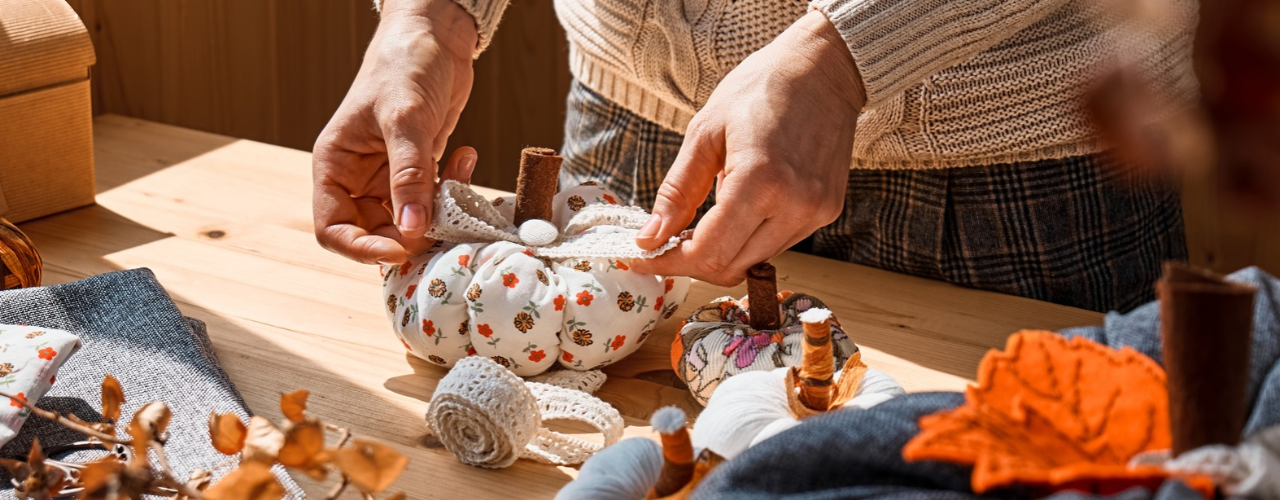
Scary Good DIY Halloween Decorations That Won’t Haunt Your Wallet
A few floating candles in the hallway, a family of ghosts by the front door and a suspicious number of bats climbing up the bedroom wall can make October feel a whole lot spookier. While Halloween stores are full of tempting finds, some of the best DIY Halloween decorations can come from things you already have tucked away in drawers, closets or the recycling bin.

Suburban Giants and Urban Risers: Where America’s 100 Largest Metros Fall on the Self Storage Map
Self storage has long been a suburban story. Across America largest 100 metros, 59% of the inventory built over the past decade sits outside city cores, largely preserving the ratio of the total existing inventory.
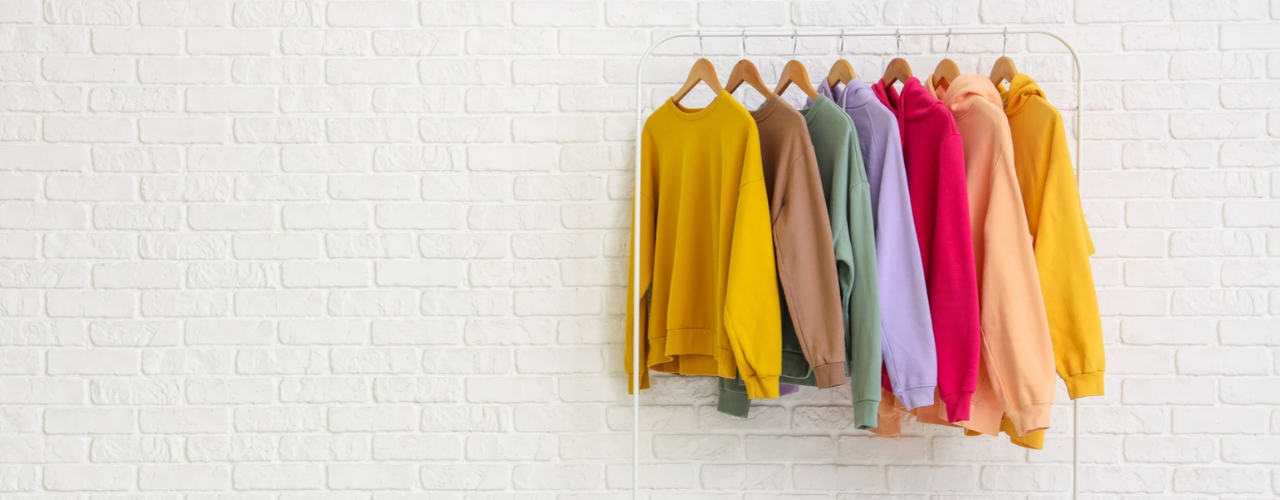
Sweatshirt Storage Ideas Worth Keeping Up Your Sleeve
Sweatshirts are great until you realize how much room they take up. A few thick hoodies can fill a drawer fast, with lighter crewnecks getting squashed underneath or pushed somewhere you forget about. Good sweatshirt storage can make that pile much easier to manage without requiring a bigger closet.

Living Room Storage Ideas: 28 Ways to Reclaim Your Hosting Space
If a living room is where most of a household’s living happens, good storage should be the top priority for setting up or revamping the place. After all, think of how easier it would be to have people over when tidying up the place is just a matter of putting things in their right place (in a time when fewer and fewer people are entertaining friends at home(opens in new tab)). The trick is making room for all those wayward clothes, blankets, chargers and other small things that end up on (or, inexplicably, in) the sofa. Here are 28 living room storage ideas to get you started and make tidying up a quick affair.
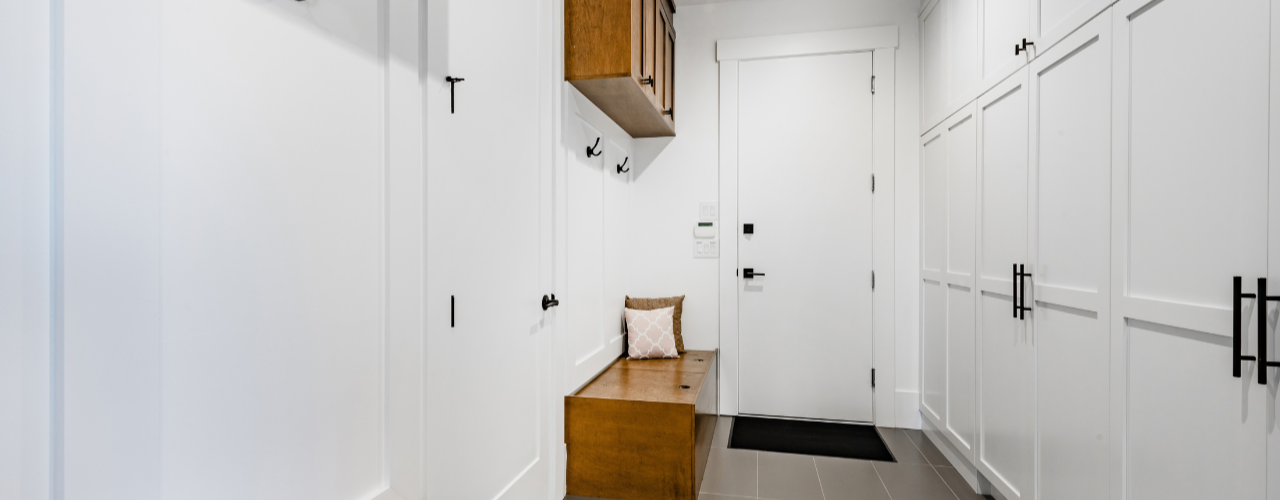
25 Mudroom Storage Ideas (And Mistakes to Avoid)
When you come home with muddy boots, an armful of bags and a coat you can’t wait to take off, it’s nice to have somewhere to put it all. With a mudroom, you can leave the outdoor mess at the door instead of carrying it through the house. Traditionally, you’d set aside a separate room, but you can just as easily use a hallway, an entryway closet, a laundry-room corner or a stretch of wall near the entrance.
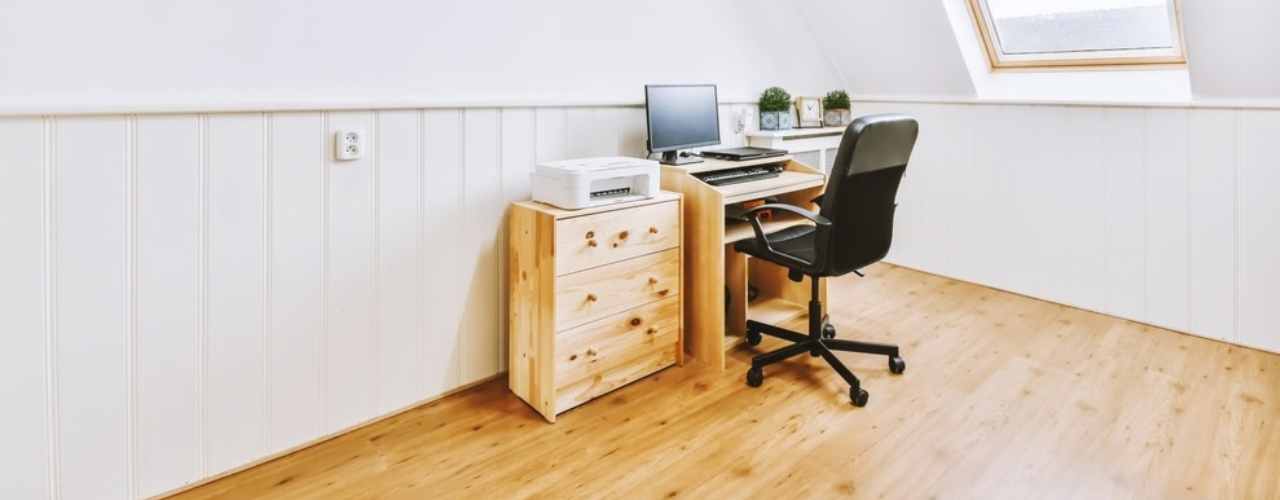
Is Your Home Office Worth the Rent? What Coworking and Self Storage Could Save You
Every square foot of your apartment comes with a price tag, and a home office claims more of them than most renters expect. It starts with a desk. Then come the second monitor, the printer, the filing cabinet and the overflow boxes. Before long, the corner you set aside for work has turned into a small room you are paying for every month.

Best U.S. Cities to Live Uncluttered: Plano, TX, Offers the Most Room to Breathe
Clutter is in our homes as much as in our heads. Both are shaped by where we live.

America’s Top Snowbird Destinations for 2026–2027: Florida Leads in Numbers, Texas Wins on Value
For Americans living in colder states, the approach of winter is reason enough to start looking south. Cold weather carries costs that go beyond the heating bill and shoveling snow. Seasonal affective disorder(opens in new tab) is far more prevalent in northern states, so a temporary move south isn’t simply an escape from the cold, but a chance to spend the hardest stretch of winter outdoors and in the sun.

How Much Does Halloween Really Cost in 2026? Plan Wisely to Avoid the Scare of Hidden Costs
Americans’ love for Halloween is almost frightening — this year alone, we are on our way to spending $13.5 billion, according to data from the National Retail Federation(opens in new tab). That breaks down to about $115 Halloween costs per person, a whopping 49% more than 10 years ago.