

While rare, break-ins can happen — and when they do, one question often comes up: Who’s responsible if your storage unit is broken into?
In most cases, renters are responsible for the belongings they store. But the full picture is more nuanced, hinging on several key factors: the terms of your rental agreement, the specifics of your insurance coverage, and whether the facility upheld its stated security commitments. Let’s take a closer look at how liability is determined so you can confidently understand your rights and responsibilities.
You store at your own risk — but facilities take security seriously
Today’s self storage facilities are typically equipped with a range of security features designed to help protect your belongings. From 24-hour video surveillance and electronic gate access to personalized entry codes and well-lit premises, most modern storage locations make security a top priority.
Still, no system is completely immune to risk. Break-ins and other incidents are uncommon, but they can happen. That’s why nearly all rental agreements include a clause along the lines of: “All goods stored are at the tenant’s sole risk.” This means that while the facility provides a secure space, renters are ultimately responsible for safeguarding the items they store.
In the event of theft or damage, responsibility typically falls on the renter – unless specific circumstances suggest otherwise, such as a clear failure to maintain advertised security measures. However, such cases are rare and often difficult to prove. Most facilities operate with consistent procedures and uphold their commitments to safety and maintenance.
To protect your belongings, it’s a good idea to:
- Use a high-quality disc lock
- Store valuable items in sealed, labeled containers
- Keep an up-to-date inventory
- Choose facilities with multiple layers of security (e.g., gated access, cameras, lighting, on-site staff)
- Consider insurance coverage for added peace of mind
Why self storage insurance isn’t really optional — even if it technically is
In most cases, self storage insurance is required. Reputable facilities often ask for proof of coverage when you sign your rental agreement. If you don’t already have a policy — through a homeowner’s, renter’s, or third-party provider — many facilities offer a simple monthly insurance plan at the time of rental.
Even in rare cases where insurance isn’t mandatory, it’s still a smart choice. Without it, your recovery options are limited in the event of theft, fire, flooding, or other damage. Legal action is possible, but it typically requires you to prove that the facility was demonstrably negligent and that your losses are clearly documented — a process that can be costly and time-consuming.
What to do if your storage unit is broken into
Though break-ins are uncommon, it’s important to act quickly and methodically if it happens. Taking the right steps improves your chances of successful insurance reimbursement and protects your interests:
1. Notify the facility immediately
Let the manager or staff know what’s happened so they can begin documenting the incident and securing the area.
2. Document the scene
Take clear photos of your unit, your lock, and the surrounding area. Keep a detailed list of missing or damaged items.
3. Request incident support
Ask whether an incident report has been filed and if security footage is available. While facilities aren’t legally required to provide footage directly, they will typically work with law enforcement.
4. Contact the police
File a police report as soon as possible and request a copy for your records. Make note of the responding officer’s name and badge number in case follow-up is needed.
5. Contact your insurance provider
Submit your inventory list, proof of ownership (receipts, photos, or serial numbers), damage documentation, and the police report. Be ready to answer follow-up questions and provide additional info if asked.
6. Review your rental agreement
Revisit your lease for any mentions of security provisions or disclaimers. While most agreements make clear that storage is at your own risk, this step helps clarify the scope of protections and expectations.
FAQs about liability and insurance after a storage unit break-in
Can I sue a storage facility if my unit gets broken into?
Possibly, but only under specific circumstances. You would need to demonstrate that the facility was negligent — meaning they failed to provide a reasonable level of security and that this failure directly contributed to the loss. Examples might include a non-functioning gate, long-neglected surveillance equipment, or a pattern of incidents with no apparent security upgrades. Legal claims may also arise in rare cases of administrative errors, such as the wrongful auctioning of a unit. Consult an attorney to understand your options based on the details of your situation.
Will my homeowner’s or renter’s insurance cover stolen items from a storage unit?
Often, yes — but with limitations. Many homeowner’s and renter’s insurance policies extend partial coverage to items stored off-premises. Typically, this coverage is capped at around 10% of your personal property limit. For example, if your policy covers $50,000 in total belongings, you might have up to $5,000 in coverage for stored items. Coverage limits, exclusions, and deductibles vary, so it’s best to review your policy or speak with your insurance agent to confirm.
What kind of lawyer should I contact about a storage unit theft?
Look for an attorney who specializes in property damage or premises liability. These professionals are experienced in evaluating potential negligence claims and can help assess the fair market value of lost items — especially if you have supporting documentation like receipts, photos, or an inventory list.
What if the storage facility won’t give me access to security footage?
That’s common — facilities typically don’t release footage directly to renters due to privacy and liability considerations. However, they often cooperate with law enforcement. The best approach is to file a police report and request that officers follow up with the facility. Law enforcement may be able to obtain and review footage as part of their investigation.
Conclusion
Storing your belongings off-site is a convenient and often necessary solution — whether you’re moving, downsizing, or simply need extra space. While self storage facilities today are more secure than ever, it’s important to understand how responsibility is shared and what steps you can take to protect your items.
Insurance is your best line of defense and should be considered essential, not optional. Understanding your rental agreement, asking the right questions, and choosing a facility with modern security features all go a long way in giving you peace of mind.

In the rare event that something goes wrong, knowing what to do — from alerting the facility to documenting the incident and contacting your insurer — can make a difficult situation easier to navigate.
At the end of the day, storage is a partnership. With the right preparation and awareness, you can confidently store your items knowing you’ve done your part to keep them safe.


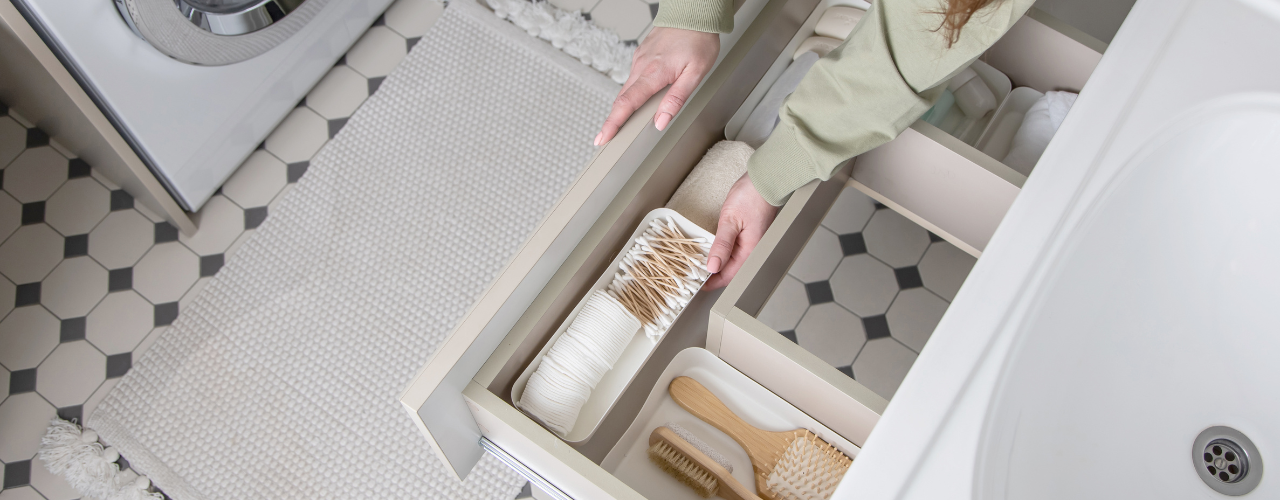
How to Organize Your Bathroom: 8 Ways to Stay Tidy
You already know why an organized bathroom is worth the effort, but let us remind you: it makes rushed mornings easier, keeps counters cleaner and just helps get you in the mood to go through your skincare routine like you should. Plus, in bigger households, it helps everyone find what they need. And you know how much a tidy bathroom counts for your self-esteem when a guest or a partner shows up. Luckily, you don’t need a degree to know how to organize your bathroom. The secret is keeping less, giving every item a home and making that home simple to use. Let’s go through some practical steps can help you create a bathroom that stays functional and nice to look at.

Best U.S. Cities to Live Uncluttered: Plano, TX, Offers the Most Room to Breathe
Clutter is in our homes as much as in our heads. Both are shaped by where we live.

How to Use Silica Gel Packets for Storage
Moisture can cause significant damage to items in storage, leading to rust on tools, mold on clothing and warping in documents. Silica gel uses science to fix that. Often found in small packets inside product packaging, silica gel is a desiccant that absorbs moisture from the air, keeping your stored items dry and protected. This guide explains what silica gel is, how it works and how you can use it to preserve your belongings in self storage.

Where to Find Moving Boxes in Los Angeles
Moving in Los Angeles is its own thing, and figuring out where to get moving boxes sorted is just the start of everything you’ll need to organize before moving day.

10 Best Places to Donate Books in Philadelphia
Did you know Philadelphia’s book-sharing roots go back to 1731? Benjamin Franklin and The Junto Club gathered their personal collections into a shared library, thus sparking a tradition of pooling knowledge for the common good. Today, you can carry on that spirit by donating books to local organizations and free libraries.

How to Sell Furniture (For Quick Deals and Side-Hustles)
Selling used furniture can be quick, profitable and even rewarding if you know where to list, how to present your pieces and what buyers are looking for. Just a tiny bit of patience and some good planning will take you a long way. This guide covers everything you need to sell your furniture efficiently and safely, for the best possible price.

1 in 4 Americans Rent Self Storage — and the Next Wave Is Already Coming
About one in four Americans is already using self storage and just as many are actively searching for a unit online right now. Across the 150 largest U.S. cities, self storage searches rose 23% year-over-year in 2025 — nearly triple the growth recorded the previous year, up from around 8% in 2024.

Where to Donate Furniture in Philadelphia
Philadelphia has a strong tradition of giving back, and donating furniture is a practical way to support local charities while freeing up space in your home. Whether you’re downsizing, moving, or just decluttering, there are plenty of organizations ready to take your gently used furniture. And if you’re not ready to part with certain pieces just yet, self-storage can buy you time to decide.

Jet Ski Storage: How to Winterize & Where to Keep Your Watercraft
If you want your jet ski to deliver the fun times for years on end, then proper storage is in order. Leaving it exposed to weather, UV rays, or theft can lead to costly damage, mold, or vandalism. Here’s everything you need to know to store your jet ski safely.