

Putting things in self storage is often done hurriedly, perhaps when a person is moving home or suddenly needs to free up some space where they live. But if the items are worth storing, it’s worth making sure they remain in good condition there. One of the most important ways to ensure this is to keep them in appropriate containers in the storage unit.
Many people assume old boxes and plastic bags will be good enough for storing their many and various belongings. But it’s likely used boxes won’t stand up well to much more use, and bags offer very little protection to their contents. Plus, cardboard is often not best material for storage containers anyway, with plastic being more durable and rigid. In addition, specialist items need often specialist containers. Renting a climate-controlled unit — many people choose the 10×10 size — can relieve some concerns about storing precious items, but the containers they are kept in will still need to be well chosen.
To do the thing properly, quality boxes specially designed for moving or storing should be used. These can be obtained from a variety of sources, including companies providing those services or home supply stores, and they can also be bought online. Here we present some of the most popular and useful containers that can be used for putting items into self storage.
Cardboard Boxes Are a Cost-Effective Option

Image courtesy of UBoxes LLC
Cardboard boxes may not be perfect but they can be useful for storing items that are not too vulnerable to moisture or to becoming deformed, such as children’s plastic toys. Instead of getting boxes from stores or from other people who have moved in the past — even though they’re for free — it’s advisable to get ones that are new and made for the job. These are made of corrugated cardboard, they pack flat, and they can be obtained from storage facilities, moving companies and elsewhere.
Such boxes come in various sizes. Small ones may have a height and a depth of 12” and a width of 16”, while medium-sized and larger ones might have heights of 16” and 24” respectively and widths and depths of around 18”. Extra-large boxes could have a height of 24” or more and sometimes widths and depths of a similar size. Some moving and self-storage companies offer ‘kits’ comprising a selection of different cardboard boxes to suit certain property sizes.
Basic Plastic Boxes to Keep Out the Moisture
Plastic containers are stronger, more rigid and more durable than cardboard boxes, and the benefits don’t stop there. Their lids usually shut tightly and so, unlike their cardboard counterparts, they give protection from moisture, heat, insects and rodents. The materials they are made from are also less likely to decompose over time and so damage delicate items being stored such as cloth and paper. For these reasons, plastic is preferable to cardboard when storing items such as clothes, shoes, books, wood and any metal that may rust.

Image courtesy of The Container Store
As you might expect, plastic boxes are more expensive — sometimes a lot more so for especially strong ones. Clear plastic storage bins are popular and are often also used in offices as they have the advantage that you can see what is in them. If they’re good quality, the seal should be fully watertight and they should stack without causing any danger. One disadvantage is that the polypropylene they are made from can become brittle in low temperatures, so they may not be ideal for non-climate-controlled units in cold parts of the country. Iris manufacture a range of clear watertight plastic boxes.
Non-transparent polypropylene boxes are also available and they may be stronger than the transparent versions and also available in larger sizes. These types of boxes are popular as they cover most storage needs, they don’t break the bank, and they are available in a wide range of capacities ranging from 12 gallons to much larger. But the material they are made from may not be the strongest, and you should only choose basic plastic boxes if you think they will be sufficient for your needs.
Heavy-Duty Plastic Boxes for When the Storing Gets Tough

Image courtesy of Rubbermaid Commercial Products
If you’ll be storing things for a while, or you have items that are especially heavy, large or valuable, you should consider investing in higher-quality plastic boxes. High-density polyethylene boxes are very sturdy, being less likely to break than basic boxes if you drop them, and they are also resistant to extreme temperatures. Plus, because they are strong, they can be obtained in large sizes, for example with capacities of 14 or 20 gallons. This Rubbermaid Brute Tote , for example, has a capacity 20 gallons, a snap-tight lip, user-friendly grip handles, and a reinforced ribbed bottom which facilitates dragging.

Image courtesy of Sterilite Corporation
When buying boxes, remember it’s not just a question of what you can and can’t get into them—you should also think about what they’ll be like to lift and carry. Even a professional team with two fit people will have trouble moving a huge box of encyclopedias or machine tools. For such tasks, boxes with wheels and a sturdy handle are very useful, and can be wheeled rather than carried along flat surfaces. Such boxes are of course very solidly made and available in the larger sizes. This Sterilite Wheeled Industrial Tote Black Case has 40 gallon capacity, with wheels discretely fitted into one end of the box and a handle that folds out of the way.
Specialist Boxes for When You’re Storing Something Special
Some things have special packing requirements because they’re particularly fragile. China and crystal, for example, are obvious candidates for special treatment. Fortunately, ‘dish packs’ are available, with a double layer of corrugated cardboard and maybe also divider cells to prevent the contents bumping into each other. If you wish, you can also add plenty of bubble wrap or other shock absorbing material to make sure your delicate items survive being moved in and out of storage.

Image courtesy of All Boxed Up
Mirrors are especially fragile items, and they should be moved and stored vertically. Fortunately, you can buy mirror boxes that are specially designed to hold them which adjust to the size required—they are excellent for artworks as well. Use plenty of packing materials and tape. Electronics boxes are specialised heavy-duty containers with handles that are designed for transporting electronic equipment, and they can be left in the storage unit as well.
Storing Clothes You Want to See Again Exactly How You Remember Them

Image courtesy of The Moving Store
People often want to hang on to items of clothing that were expensive or have sentimental value, but they can present a special challenge when it comes to putting them into storage. One solution that can be purchased at specialist suppliers is a wardrobe box, which is about 48” in length—that’s half the height of a closet. These containers have their own rail at the top, and clothes can be put in them without getting folded. It is possible to buy wardrobe moving kits, consisting of a range of cardboard boxes useful for storing clothes, including those that need to be hung up.
Another issue with clothes is that they really don’t like an excess of moisture, so you could use one of the plastic bins mentioned above if you are sure that the lid is completely watertight — choose a dark-colored type if light enters the storage unit at all. Some types of cloth like to ‘breathe,’ and for this reason fabric storage containers that are closed with a simple zip are sometimes recommended. However, the dangers of clothes being exposed to the air in a storage unit may outweigh the advantages, and you would want to be very sure that no insects would be able to enter the locker.
There is a wide variety of containers that will ensure that whatever you put into self storage will be well preserved until the time comes when you want to take it out again. While storage is an inexpensive option, and many people may want to keep their budget as low as possible, when deciding how to best put belongings in a rented unit, a little planning and investment can be well worthwhile. And don’t forget that the length of time you rent for may end up being longer than you anticipated. Match the storage containers you will buy to the things you are storing and to the type of unit you will rent. Your belongings deserve a good home, protected from all possible kinds of damage, even when they’re temporarily away from home. Take a look at the listings on StorageCafe to find the facility and the storage unit that are ideal for you.


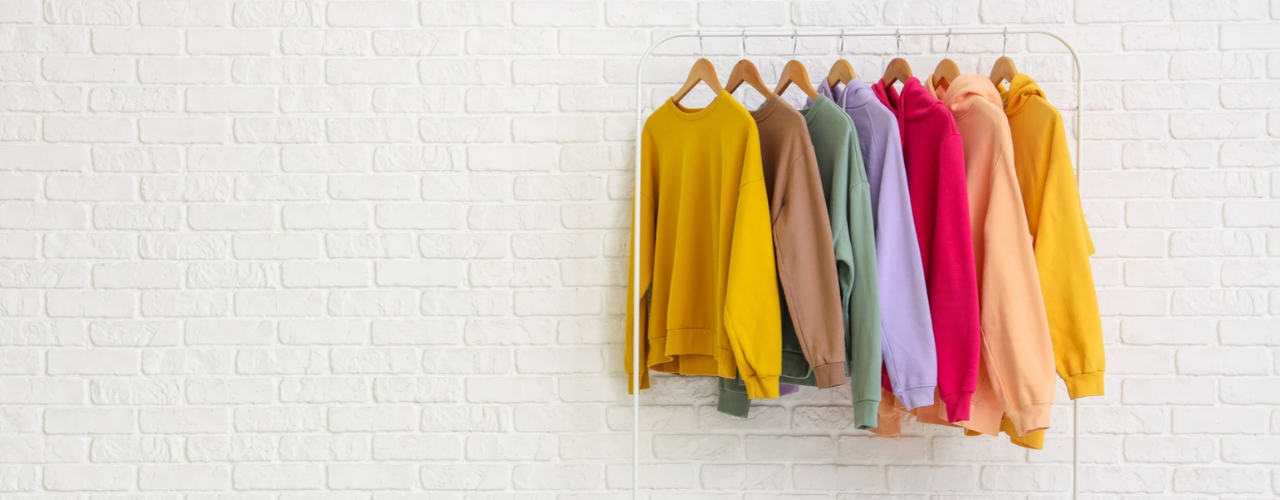
Sweatshirt Storage Ideas Worth Keeping Up Your Sleeve
Sweatshirts are great until you realize how much room they take up. A few thick hoodies can fill a drawer fast, with lighter crewnecks getting squashed underneath or pushed somewhere you forget about. Good sweatshirt storage can make that pile much easier to manage without requiring a bigger closet.

Living Room Storage Ideas: 28 Ways to Reclaim Your Hosting Space
If a living room is where most of a household’s living happens, good storage should be the top priority for setting up or revamping the place. After all, think of how easier it would be to have people over when tidying up the place is just a matter of putting things in their right place (in a time when fewer and fewer people are entertaining friends at home(opens in new tab)). The trick is making room for all those wayward clothes, blankets, chargers and other small things that end up on (or, inexplicably, in) the sofa. Here are 28 living room storage ideas to get you started and make tidying up a quick affair.
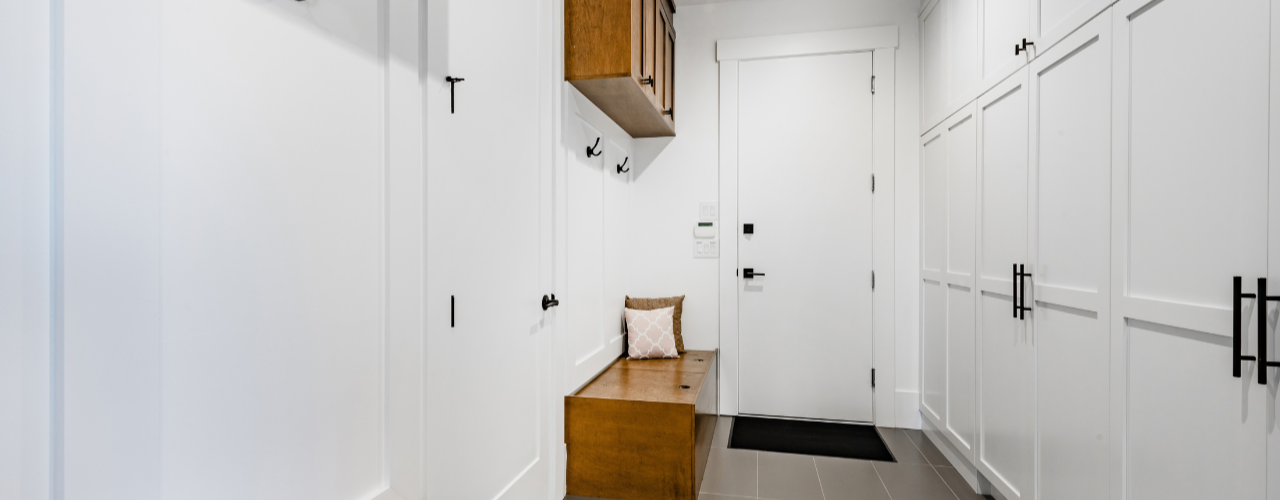
25 Mudroom Storage Ideas (And Mistakes to Avoid)
When you come home with muddy boots, an armful of bags and a coat you can’t wait to take off, it’s nice to have somewhere to put it all. With a mudroom, you can leave the outdoor mess at the door instead of carrying it through the house. Traditionally, you’d set aside a separate room, but you can just as easily use a hallway, an entryway closet, a laundry-room corner or a stretch of wall near the entrance.
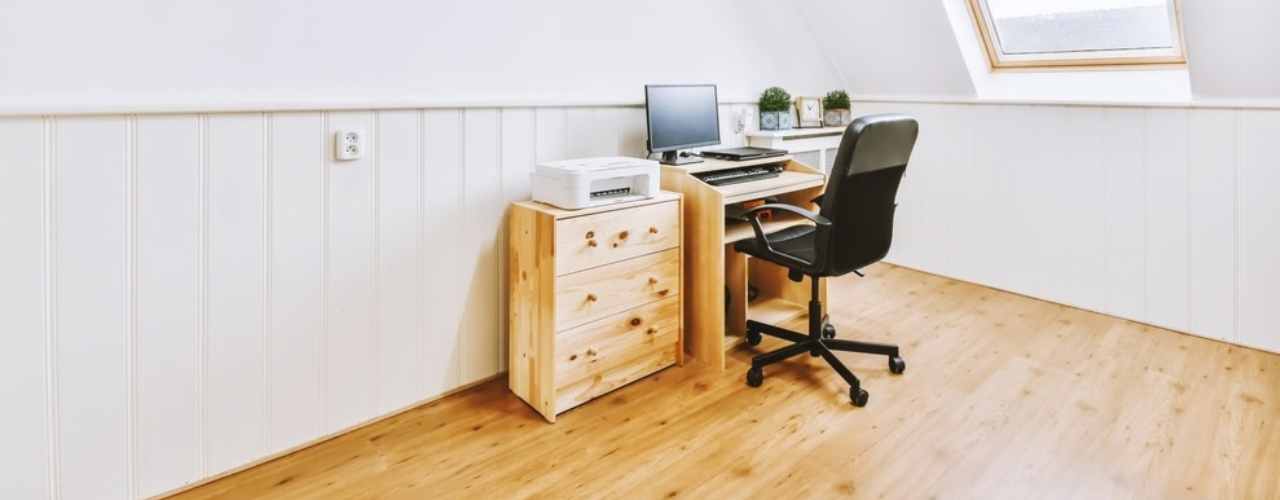
Is Your Home Office Worth the Rent? What Coworking and Self Storage Could Save You
Every square foot of your apartment comes with a price tag, and a home office claims more of them than most renters expect. It starts with a desk. Then come the second monitor, the printer, the filing cabinet and the overflow boxes. Before long, the corner you set aside for work has turned into a small room you are paying for every month.

Best U.S. Cities to Live Uncluttered: Plano, TX, Offers the Most Room to Breathe
Clutter is in our homes as much as in our heads. Both are shaped by where we live.

America’s Top Snowbird Destinations for 2026–2027: Florida Leads in Numbers, Texas Wins on Value
For Americans living in colder states, the approach of winter is reason enough to start looking south. Cold weather carries costs that go beyond the heating bill and shoveling snow. Seasonal affective disorder(opens in new tab) is far more prevalent in northern states, so a temporary move south isn’t simply an escape from the cold, but a chance to spend the hardest stretch of winter outdoors and in the sun.
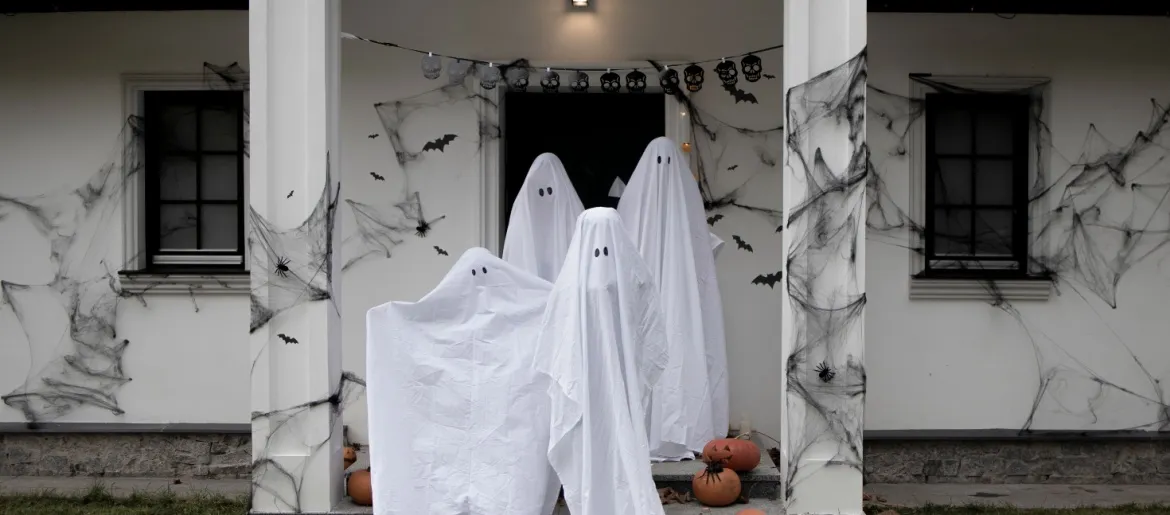
How Much Does Halloween Really Cost in 2026? Plan Wisely to Avoid the Scare of Hidden Costs
Americans’ love for Halloween is almost frightening — this year alone, we are on our way to spending $13.5 billion, according to data from the National Retail Federation(opens in new tab). That breaks down to about $115 Halloween costs per person, a whopping 49% more than 10 years ago.
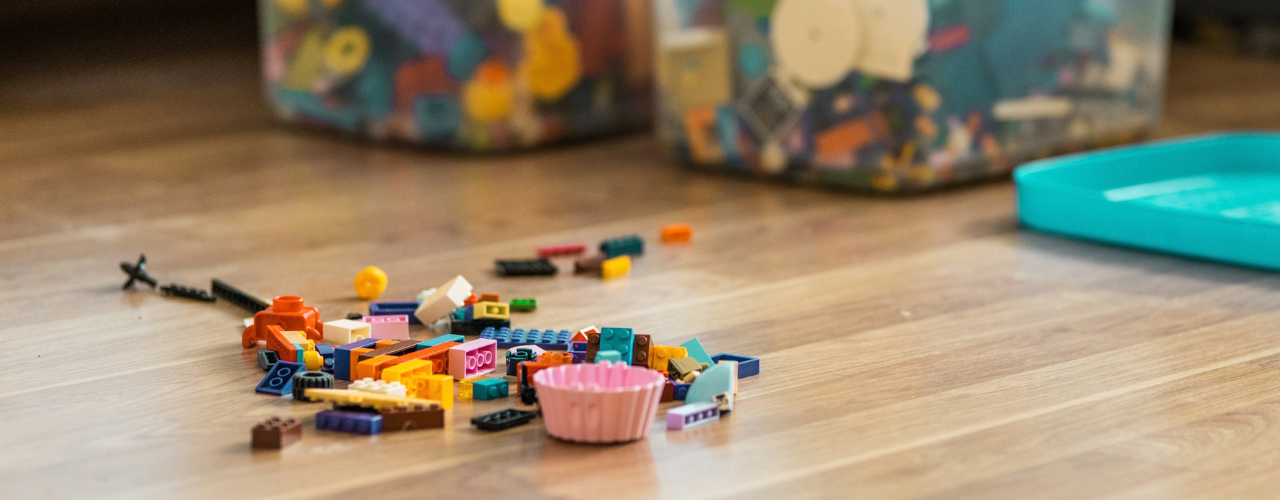
How to Store LEGOs: All the Fun, None of the Clutter
How to store LEGOs largely comes down to how your household uses them. If the bricks are part of everyday play, you need a setup that keeps them within easy reach and makes cleanup quick (for your feet’s sake, at least). Toy storage(opens in new tab) such as simple bins, playmats or containers that children can put away themselves may be enough. Larger or more serious collections usually need more organization, such as labelled drawers for loose pieces, trays for unfinished builds, shelves for completed models and separate storage for retired sets.

Cardboard Costume Guide: Tips and Ideas for a DIY Halloween
Whether for kids or adults, cardboard costume ideas often make the biggest splash once materialized, and that’s for a simple reason: doing a lot with a little is a universally impressive feat (especially in this economy). If you don’t have enough boxes you could temporarily repurpose, don’t worry! There are many places where you can find free moving boxes(opens in new tab), from stores and supermarkets to online groups and recycling drop-off spots. On the run? Try your luck at a self storage(opens in new tab) facility that sells moving supplies, often for cheap. This way, you can choose moving boxes of different shapes and sizes(opens in new tab), so you can make your costumes as complex as you want.