

The honeymoon has ended, the guests have long departed, and what remains are the echoes of your special day. Beyond the photographs and keepsakes, there’s the centerpiece itself – the wedding dress.
Handled with care, a gown can last for decades, holding onto both its beauty and its meaning. Maybe you’ll pass it down to the next generation, or maybe you’ll simply want to unfold it years from now and feel the rush of that moment all over again. Either way, preservation is key here.
The truth is, a wedding dress isn’t just another item of clothing. It’s probably one of the most delicate, high-maintenance pieces you’ll ever own. Lace, silk, and beadwork demand more than casual storage, and without the right attention, even the finest fabrics are prone to yellowing or creasing.
That’s why the journey doesn’t stop once the vows are spoken. From professional cleaning to choosing the safest storage method, keeping a wedding dress intact comes with its own set of challenges – ones definitely worth taking on.
So, let’s take a closer look at what proper wedding dress storage really means, and how to ensure yours stays as timeless as the memories it carries.
Dress prep 101
Before diving into the actual storage process, there are a few things you’ll want to take care of first. A little effort here makes for a much smoother transition into your dress’s new home, and the better prepared it is now, the less work you’ll have to do later.
Clean the dress
Special days usually come with a bit of chaos, and sometimes that chaos ends up on your gown. Maybe it’s a splash of champagne, a swipe of makeup, or a stray bit of frosting – fun in the moment, but not something you’ll want to keep forever.
By now you know your dress better than anyone, so keep in mind what the care instructions said when you first brought it home. Most wedding dresses won’t take kindly to a tumble in the washing machine. Fabrics like silk, lace, organza, or tulle are especially delicate, and even satin can lose its finish if treated the wrong way. As a general rule, dry cleaning is the safest bet. A professional will not only remove stains but may also use preservation-safe products that help ward off insects and slow yellowing.
Waiting too long isn’t recommended either, as exposure to air and sunlight can cause oxidation, and stains you can’t even see yet (like perspiration or makeup) will reveal themselves over time.
If you do decide to clean it at home, check the label and talk to your sales consultant. Be absolutely sure of the method you want to opt for before actually doing it. Whichever one you go for in the end, make sure the dress is fully dry before packing it away, or you risk mildew setting in.
Iron the gown
Wrinkles and crinkles are the enemy of any luxurious piece, and a wedding dress is no exception. The longer a crease sits, the harder it is to get out later. And, since the gown will likely stay in storage for a while, you’ll want to smooth it out before putting it away.
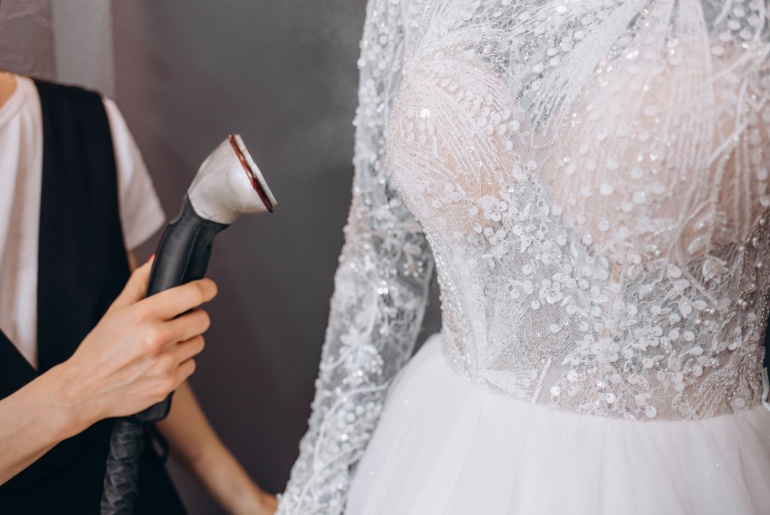
Think of it as doing your future self a favor when you’re storing your wedding dress. When the time comes to take it out, whether for passing it on or simply to admire it, you won’t be stuck wrestling with stubborn folds that refuse to budge. Use a steamer or iron carefully, always with a protective cloth, or hand it over to a professional if the fabric is especially delicate or covered in embellishments. A little care now keeps the dress looking its best for years to come.
Do a final inspection
Once these key pre-storage steps are checked off, slow down for one last sweep. Lay the dress flat on a clean sheet, work in good light, and run your hands (with lint-free gloves if you have them) over every fold, seam, and beaded panel.
Look for the smaller things that can become big problems in storage, such as:
- Tiny tears
- Loose threads
- Missing beads
- Stressed lace
- Warped boning
- Sticky zipper
- Faint stains
Gently test the weight-bearing points such as the straps, hanger loops, and the waist stays. If anything feels strained, or if the skirt is especially heavy, plan on storage with extra padding rather than hanging. Jot down what you notice, snap a quick photo for reference, and handle fixes now. Prevention beats repair once damage has set in.
Ready, set, store
Everything is spotless, freshly ironed, and ready to head into storage for the foreseeable future. The first thought you might have is to simply grab a hanger, pop it in the back of your wardrobe, and leave it there. Tempting, but not exactly the wisest choice. Instead, keep these useful tips in mind:
To do:
- Storing the wedding dress so that it doesn’t sag and strain the fabric is your best bet. The solution is on the horizon – and, in fact, it’s quite literally horizontal. Lay the dress flat in a box, but not just any old cardboard box. Specialists recommend those designed specifically for archival storage, lined with acid-free tissue paper that cushions folds and prevents contamination.
- Pick a cool, well-ventilated area for storage. Sudden changes in temperature or humidity can turn white fabric into a yellowed memory, and sunlight is no friend either. No sunlight is the best sunlight when it comes to wedding dresses.
- If you decide on a box, opt for a pH-neutral one. Because it’s neither acidic nor alkaline, it helps discourage discoloration that can happen when fabrics come into contact with untreated materials. And while it might seem convenient, avoid plastic containers – they’re not breathable, and the delicacy of the gown can suffer as a result.
Not to do:
- Avoid hanging the dress long-term. Heavy fabric will stretch out the straps and seams, and before you know it, all the ironing you just did will be undone by a maze of deep creases.
- Try not to touch the gown every time you feel nostalgic, either. As tempting as it is, natural oils and salts from your skin can damage the fabric, and the more you handle it, the more you risk snags or tears. Flip through your wedding album instead – it’s safer and just as sweet.
- Resist the urge to go straight for vacuum-sealed bags. They might save space in the short term, but in the long run, they’ll leave the dress wrinkled and misshapen. Not only that, but they can also put dangerous pressure on embellishments. A gown this precious deserves better than being squeezed flat.
The perfect plus one: self storage
With all the do’s and don’ts to keep in mind, one practical solution that brings them all together is closer than you think. In fact, it’s probably right around the corner. We’re talking, of course, about the ideal storage of all wedding dresses – self storage. What better way to keep such an important memory safe than by giving it its very own space, one where it’s protected and even helped along by features that can make it last longer?

For starters, the space you need to properly store a dress at home can get cramped fast, especially if you’re keeping it flat in a preservation box. Closets fill up quickly with clothes you actually wear, and if kids are in the picture, chances are that space is already reserved for the endless tide of toys and outgrown outfits. A storage unit solves that problem instantly. Your dress gets a place all to itself, and you get your closet back for everything else. Plus, the bulk of the gown is better off elsewhere, leaving you free to hold on to the smaller keepsakes from your wedding day, like letters, invitations, photographs – the things you can touch as often as you’d like without risking damage.
Then there’s the big advantage that truly makes investing in a storage unit for your wedding dress the best decision: climate control. These units keep temperature and humidity steady, which means no mildew creeping in, no yellowing from damp air, and no harsh sunlight bleaching away the color. It’s like sending your gown on its own honeymoon, only this one lasts for as long as you need it to.
And on top of that, there’s the convenience. You can visit whenever you want, without sacrificing precious home space in the meantime.
As for size, a 5’x5’ unit is usually just right for a preservation box, while a 5’x10’ gives you extra room if your dress is especially voluminous or comes with plenty of accessories. Just remember the one rule that matters most: lay it flat, and don’t stack anything on top.
Happily ever-after care
Now that everything is tucked away safely, there’s still one more step you can take to go the extra mile – regular inspections. Periodic check-ups give you peace of mind and help you spot small issues before they turn into bigger problems. The last thing you’d want is to notice damage only when you’re about to pass your gown down as an heirloom to your daughter and ruin the big moment.
Here’s what you can do:
- Inspect the dress at least once a year, or even every few months if you’re feeling uncertain, to make sure nothing looks out of place before putting it right back in storage.
- Refold it along different lines each time to prevent stubborn creases from setting in permanently.
- Check the tissue paper you’ve used. If it’s yellowing or crushed, replace it with fresh acid-free sheets.
- Wash and dry your hands thoroughly before touching the fabric. For extra safety, use cotton gloves to keep natural oils off the gown.
- Check the environment in your climate-controlled unit. Adjust temperature or humidity if needed, especially during seasonal changes.
- Keep the preservation box off the floor. It adds an extra layer of protection against moisture. Using pallets or risers helps keep it lifted and safe.
A little vigilance goes a long way, and these steps will ensure your wedding gown looks just as radiant years from now as it did on your wedding day.
With wedding dresses, proper storage is key if you want them to look just as vivid as they did on your special day. Preserving your gown is part of preserving the memory itself, whether you hope to pass it down to future generations or simply want to relive the moment when one became two and a couple became a family.
Taking precautions early on makes all the difference. Don’t put off cleaning away the reminders of the big day and be intentional about how and where you store it. Self storage units, in particular, can be a lifesaver here, solving issues of climate, sunlight, and space all at once. When it comes to storage, saying “I do” to the right solution makes all the difference.
So go that extra mile. With the right care, your gown can remain a living memory of your wedding day – a piece of fabric that holds a story, ready to be unfolded again whenever you choose.



America’s Top Snowbird Destinations for 2026–2027: Florida Leads in Numbers, Texas Wins on Value
For Americans living in colder states, the approach of winter is reason enough to start looking south. Cold weather carries costs that go beyond the heating bill and shoveling snow. Seasonal affective disorder(opens in new tab) is far more prevalent in northern states, so a temporary move south isn’t simply an escape from the cold, but a chance to spend the hardest stretch of winter outdoors and in the sun.
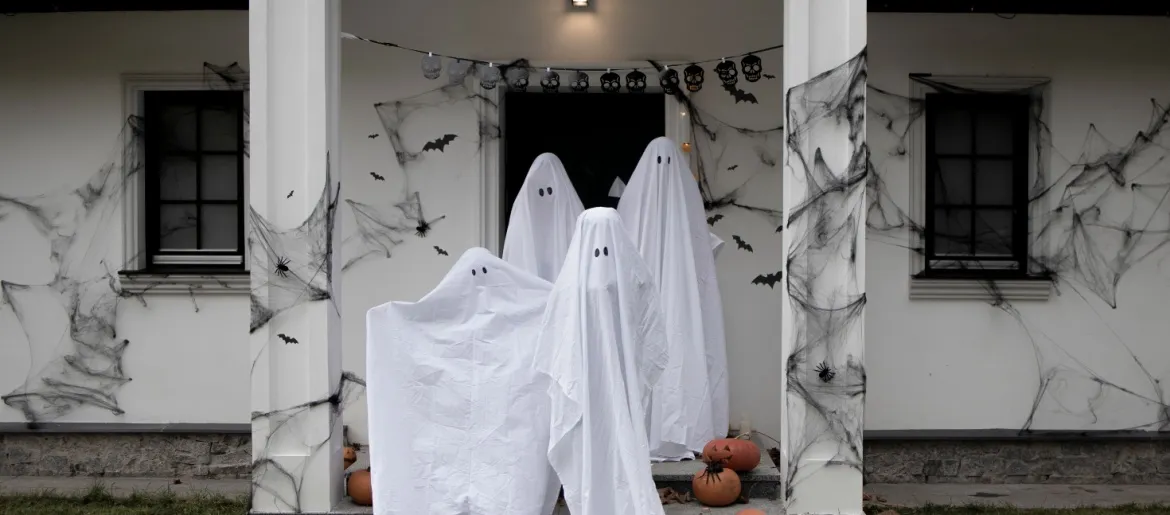
How much does Halloween really cost in 2026? Plan wisely to avoid the scare of hidden costs
Americans’ love for Halloween is almost frightening — this year alone, we are on our way to spending $13.5 billion, according to data from the National Retail Federation(opens in new tab). That breaks down to about $115 Halloween costs per person, a whopping 49% more than 10 years ago.
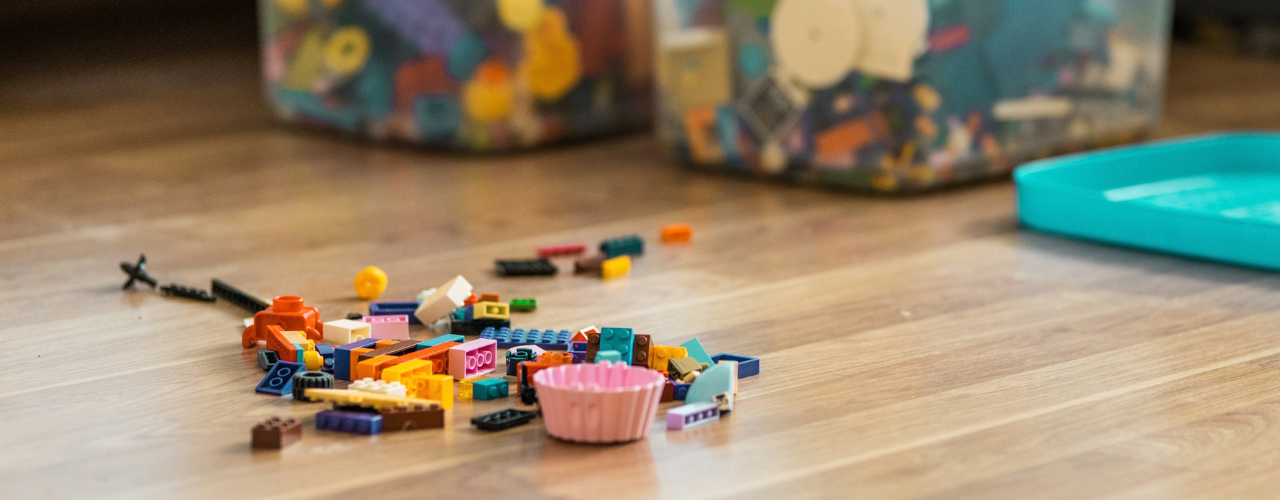
How to Store LEGOs: All the Fun, None of the Clutter
How to store LEGOs largely comes down to how your household uses them. If the bricks are part of everyday play, you need a setup that keeps them within easy reach and makes cleanup quick (for your feet’s sake, at least). Toy storage(opens in new tab) such as simple bins, playmats or containers that children can put away themselves may be enough. Larger or more serious collections usually need more organization, such as labelled drawers for loose pieces, trays for unfinished builds, shelves for completed models and separate storage for retired sets.

Cardboard Costume Guide: Tips and Ideas for a DIY Halloween
Whether for kids or adults, cardboard costume ideas often make the biggest splash once materialized, and that’s for a simple reason: doing a lot with a little is a universally impressive feat (especially in this economy). If you don’t have enough boxes you could temporarily repurpose, don’t worry! There are many places where you can find free moving boxes(opens in new tab), from stores and supermarkets to online groups and recycling drop-off spots. On the run? Try your luck at a self storage(opens in new tab) facility that sells moving supplies, often for cheap. This way, you can choose moving boxes of different shapes and sizes(opens in new tab), so you can make your costumes as complex as you want.

How to Celebrate Halloween: 9 Non-Spooky Ways To Enjoy It
As soon as October starts, it’s the official Halloween month. And while for many people it means it’s open season to get the scare of a lifetime, others, especially families with small children, might prefer to celebrate in a tamer way that’s both kid- and adult-friendly. While you’re likely to find more events where the spook factor is high, here’s how to celebrate Halloween in a not-so-scary way:

Motorcycle Storage Guide: How to Store Your Bike Safely
Motorcycles may be born to be wild, but eventually even the wild ones need somewhere to park. Whether riding season is winding down or your current living situation comes with plenty of square footage for you and less for your bike, motorcycle storage is one of those parts of ownership that doesn’t get as much airtime as the open road.

Halloween Decorating on a Budget (And Cheap Ideas for Everything Elsee)
Halloween has crept a long way from its eerie origins. While All Hallows’ Eve has transformed through the centuries, it wasn’t until the 1930s that trick-or-treating became a tradition in the U.S. and businesses began conjuring up mass-produced Halloween costumes. Now, Halloween is a monster-sized, billion-dollar industry, with a cauldron full of costumes and decorations ranging from the mainstream to the macabre. But is it all really worth your wallet? Maybe, but we’ll let you in on a little secret: You can keep your Halloween decorating on a budget and save on everything else, too. Take this plan and see it through!

Moving From a House to an Apartment: What to Expect, How to Downsize & How Self Storage Helps
For some, moving from a house to an apartment is a financial decision. For others, it’s about simplifying life. Maybe the kids have moved out and half the house sits empty, or you’re approaching retirement and no longer want to spend weekends on repairs. Or perhaps you’ve been weighing the cost of buying a home and wondering whether renting simply makes more sense right now.
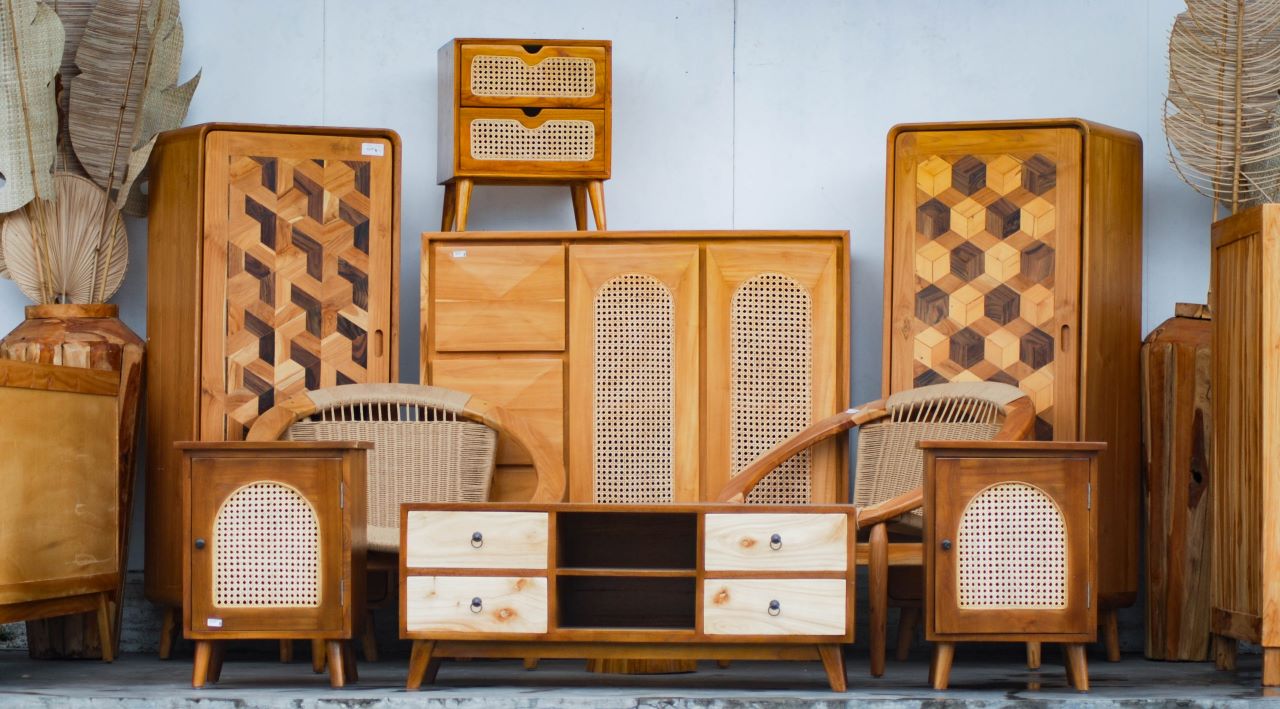
Family Heirlooms Overload: How to Handle Family Inheritance Without Regret
Handling family heirlooms after a loss requires managing legal authority, emotional pressure and practical logistics at the same time, and the order you take them on matters more than most people expect.