

Moving is one of life’s most stressful events. For seniors and people with disabilities, that stress is rarely just about boxes and logistics. That’s why thoughtful moving tips for seniors must account for more than transportation alone. Physical limitations, health considerations, accessibility needs, and emotional attachments to a long-time home all combine to make relocation more complex.
As the U.S. population ages and more people live longer with mobility, sensory, or cognitive impairments, moves later in life are becoming increasingly common. Whether prompted by downsizing, health changes, or the need to live closer to family, these transitions require a different approach than standard moves. Practical moving tips for seniors and people with disabilities focus on safety, realistic pacing, and long-term well-being.
This guide is intended for:
- Seniors preparing for move,
- Adults living with physical or sensory disabilities planning relocation
- Family members or caregivers helping with or coordinating the relocation.
While every situation is different, the moving tips for seniors outlined here are designed to minimize physical strain, reduce stress, and support independence during and after the move. These principles apply to local and long-distance moves alike, whether the transition is planned well in advance or driven by changing circumstances.
Planning ahead is one of the most important moving tips for seniors

Age-related changes such as reduced mobility, balance issues, chronic pain, or reliance on assistive devices can turn routine tasks into safety risks. Standing for long periods, lifting boxes or navigating cluttered spaces increases the likelihood of falls or injury. Emotional challenges are also common, especially when leaving a home that has provided stability for many years.
Thus, starting early is one of the most valuable moving tips for seniors. Allowing several months for planning creates space to make thoughtful decisions instead of reacting under pressure.
This stage should include evaluating personal needs such as:
- mobility support;
- medical requirements;
- the level of assistance needed on moving day;
It’s also the right time to involve family members, caregivers or trusted friends who can help coordinate logistics and share responsibility. Early planning reduces last-minute complications and helps ensure health and safety remain the priority throughout the move.
Downsizing with care and realistic expectations

Downsizing is often the most emotionally complex part of moving for seniors, especially when it involves leaving a home that has been lived in for many years. Deciding what to keep, give away or part with can feel overwhelming, not only because of the volume of belongings, but because many items carry personal history and emotional significance.
For seniors and people with disabilities, downsizing is also closely tied to practical concerns. Mobility limitations, changes in daily routines, or the need for accessible living spaces may require rethinking which belongings are truly usable in the next home. Furniture that once worked well may no longer be safe or practical, while other items may become more important for comfort and independence.
Approaching downsizing gradually can make a meaningful difference:
- Work through one room or category at a time
This allows for thoughtful decision-making without unnecessary pressure. This slower pace is particularly important for individuals who experience fatigue, chronic pain or sensory overload, as it reduces both physical strain and emotional stress.
- Involve family members, caregivers or trusted friends
Getting help during this process is highly recommended, whether to share the responsibility, provide reassurance or assist with tasks that may be physically difficult.
- Focus on everyday functionality rather than sentiment
Identifying items that support daily living, mobility or medical needs creates a clearer foundation, after which more emotionally charged decluttering decisions become easier to manage. For people with disabilities, this may include prioritizing adaptive equipment, frequently used household items, or objects that support established routines.
Not every decision needs to be final immediately. For many seniors and people with disabilities, having access to temporary storage provides valuable flexibility during the transition. It allows belongings to be set aside without being permanently discarded, reduces clutter in the new living space, and makes it easier to adjust gradually. This approach can be especially helpful when downsizing is driven by accessibility needs or health changes that take time to fully adapt to.
Packing tips that support safety and independence
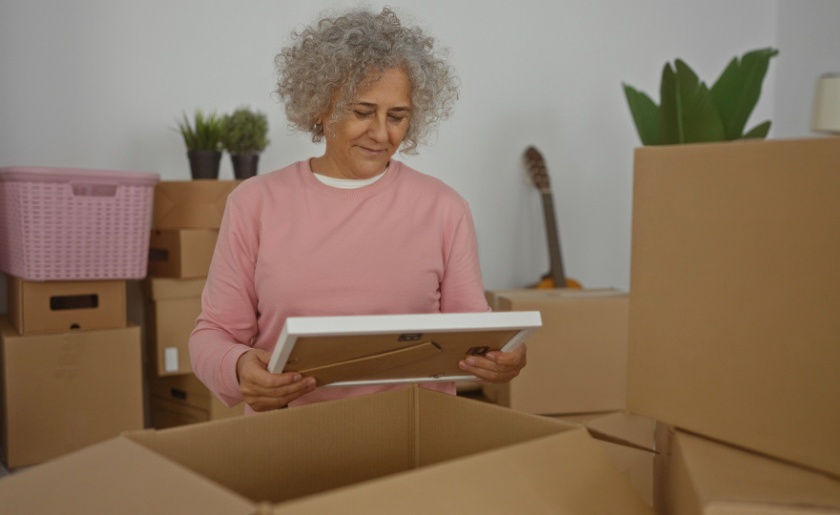
Packing is often the stage of moving where physical strain becomes most noticeable for seniors and people with disabilities. Repetitive bending, lifting, and reaching can quickly lead to fatigue or injury, which is why one of the most important moving tips for seniors and people with disabilities is to prioritize safety and comfort over speed or efficiency.
- Use smaller, lighter moving boxes
This helps keep weight manageable and reduces the risk of overexertion. Packing fewer items per box may feel slower, but it makes boxes easier to carry, move, and unpack. Clear, visible labeling also plays an important role. When boxes are easy to identify, there is less need to search, lift or open multiple containers, which helps limit unnecessary movement and strain once the move is complete.
- Think about accessibility
Frequently used items should be packed separately and clearly marked so they can be located quickly during the first days in a new home. For seniors and people with disabilities, this reduces frustration and supports continuity in daily routines, especially when unpacking may take place gradually.
- Prepare an essentials bag in advance
This bag should remain with the individual rather than being loaded onto the moving truck. Keep medications, medical devices, important documents, basic toiletries and other daily-use items close at hand to ensure that critical needs are met without interruption. For people with disabilities, this may also include assistive devices, chargers or sensory-support items that contribute to comfort and independence.
Choosing the right moving help

The level of assistance needed during a move varies widely, but seniors and people with disabilities often benefit from additional, well-coordinated support. Even moves that appear simple on the surface can involve tasks that place strain on the body or create safety risks, particularly when mobility, balance or endurance are limited.
- Professional movers
When hiring professional movers, it’s important to look beyond price and availability. Ask whether a moving company has experience working with seniors or individuals with accessibility needs to set expectations early. Movers who are familiar with these situations are more likely to work at a comfortable pace, communicate clearly and take extra care when handling mobility aids, medical equipment or fragile items. In some cases, full-service moving options that include packing and unpacking may be worth considering, as they can significantly reduce physical demands.
- Relying on family and friends
For those relying on family members or friends, thoughtful coordination is just as important. Seniors and people with disabilities should avoid lifting, carrying or directing physically demanding tasks themselves. Clear roles can help prevent confusion or rushed decisions on moving day. Allowing others to manage logistics while focusing on rest and supervision helps protect health and conserve energy.
Moving day tips for seniors focused on health and comfort

Moving day is often the most physically and emotionally demanding part of the entire process. Schedules can shift, plans may change, and the environment is usually busy and noisy, all of which can be draining. For seniors and people with disabilities, managing energy and minimizing stress on moving day is just as important as completing the move itself.
- Schedule regular breaks
One of the most overlooked moving tips for seniors is intentionally planning for rest. Even when others are handling the physical work, simply being present during a move can be tiring. Schedule regular breaks, have seating available and make sure you have water and meals available to prevent exhaustion and dehydration. A quiet space away from the main activity can also be valuable, especially for individuals who are sensitive to noise or easily fatigued.
- Focus on safety
Safety should remain a constant focus throughout the day. Keep walkways clear of boxes and equipment to reduce the risk of trips and falls. Seniors and people with disabilities should avoid navigating crowded areas whenever possible and allow others to manage coordination with movers or helpers. Having a single point of contact to handle logistics can significantly reduce stress.
If circumstances allow, arriving at the new home after most of the unloading has been completed can make the transition noticeably calmer. Walking into a space that is already organized, quieter, and less chaotic helps seniors and people with disabilities orient themselves more comfortably and start the adjustment process with less strain.
Use self storage to make the transition easier
Not every move follows a perfect timeline. Renovations can take longer than expected, or the process of adapting to a smaller or more accessible home can reveal additional needs. In these situations, having a flexible solution like self storage can make the entire transition less stressful.
For many seniors and people with disabilities, the pressure to make immediate decisions about every item in a lifetime of belongings can be overwhelming. Temporarily placing non-essential items into storage creates space — both physically and mentally — to focus on settling into the new home at a comfortable pace. It allows seniors to unpack and organize only the essentials first, which reduces clutter and keeps living areas accessible, safe, and easy to navigate during the initial adjustment period.
Self storage also provides a buffer when downsizing or reconfiguring furniture and possessions for accessibility. Larger furniture that doesn’t fit the layout of the new space, sentimental items that aren’t needed right away, or seasonal belongings can remain in storage until there is clarity about what should be kept long-term. This can be particularly helpful for people with disabilities who may need time to assess how their daily routines will function in the new environment before committing themselves to which items stay and which go.
When considering a storage facility, accessibility features are especially important for seniors and people with disabilities. Ground-level access, wide hallways, clear signage, good lighting, elevators where needed, and flexible access hours all contribute to a safer and more manageable experience. Climate control may also be worth considering for items that could be sensitive to temperature and humidity changes.
What other resources seniors and people with disabilities can use
Beyond family support and moving professionals, many communities offer services specifically designed to help seniors and people with disabilities navigate major life transitions such as relocating to a new home. These resources can be especially helpful when a move involves accessibility concerns, changes in daily care needs, or unfamiliar housing options.
Local Area Agencies on Aging (AAA) are often a good starting point for seniors. These organizations provide information on housing options, transportation services, meal programs, and in some cases, referrals to senior move managers or relocation specialists. They can also help connect older adults with community-based services that support independent living after the move.
For people with disabilities, disability advocacy organizations and independent living centers may offer guidance related to accessible housing, home modifications, and assistive technology. These groups can help individuals understand their rights, identify local support services, and locate resources that promote independence and safety in a new living environment.
Moving later in life or while managing a disability requires extra care, but it doesn’t have to be overwhelming. By following practical moving tips for seniors, such as starting early, pacing the process and seeking appropriate support, it’s possible to relocate safely and with confidence.



Moving From a House to an Apartment: What to Expect, How to Downsize & How Self Storage Helps
For some, moving from a house to an apartment is a financial decision. For others, it’s about simplifying life. Maybe the kids have moved out and half the house sits empty, or you’re approaching retirement and no longer want to spend weekends on repairs. Or perhaps you’ve been weighing the cost of buying a home and wondering whether renting simply makes more sense right now.

Family Heirlooms Overload: How to Handle Family Inheritance Without Regret
Handling family heirlooms after a loss requires managing legal authority, emotional pressure and practical logistics at the same time, and the order you take them on matters more than most people expect.

Blanket Storage: The Right Method for Every Space and Season
Blankets make our lives cozier, and storing them well is what keeps them soft and comfortable in the long run. Knowing how to store a blanket properly means your favorites come out of storage smelling fresh, feeling the same as when they went in, and lasting years longer than they otherwise would.

Board Game Storage Ideas That Keep Your Collection in Fighting Shape
Nobody warns you that getting into board games usually unlocks a second hobby, the much dreaded one that includes figuring out where on earth to put them. One game becomes a few, expansions start spawning beside their base boxes and before long, board game storage requires as much strategy as whatever is waiting on the other side of those lids.

Storage Locker vs. Storage Unit: What’s the Difference?
A locker and a unit may sound like two names for the same four walls and a lock, and depending on the storage facility, you may even see the terms used that way. However, once you start comparing available spaces, storage lockers tend to occupy the smaller end of the spectrum, while storage units(opens in new tab) give you considerably more room to work with.

Storage Ideas for Small Spaces: 9 Ways to Max Out Your Home
A messy home contains the seeds of its organization. Those seeds are everywhere: the space above doors, under beds, behind sofas and inside furniture can all become storage. Here are the best storage ideas for small spaces, so you can make the most of your cozy home.

Best U.S. Cities to Live Uncluttered: Plano, TX, Offers the Most Room to Breathe
Clutter is in our homes as much as in our heads. Both are shaped by where we live.
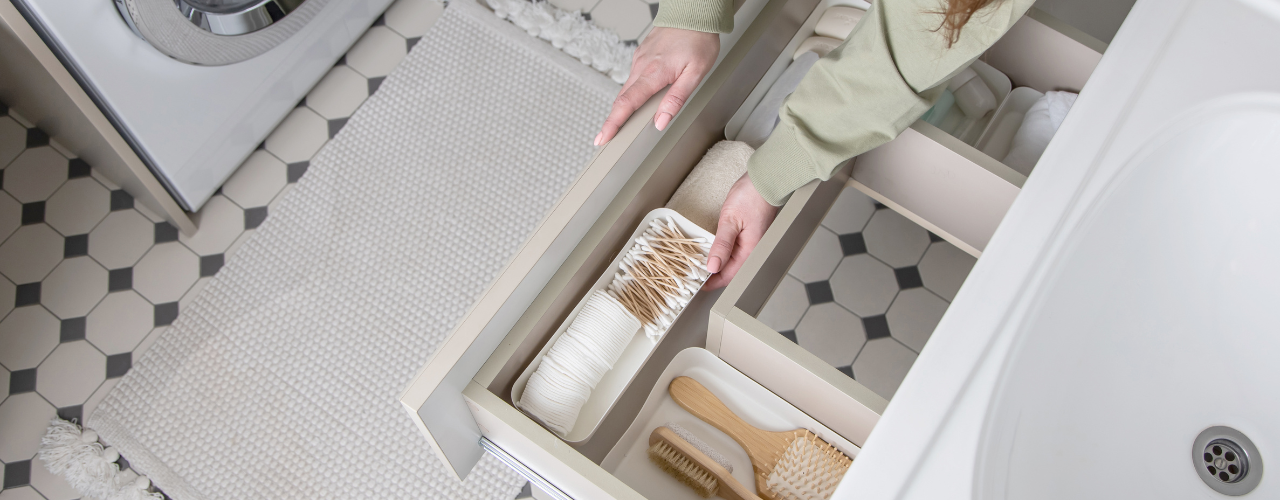
How to Organize Your Bathroom: 8 Ways to Stay Tidy
You already know why an organized bathroom is worth the effort, but let us remind you: it makes rushed mornings easier, keeps counters cleaner and just helps get you in the mood to go through your skincare routine like you should. Plus, in bigger households, it helps everyone find what they need. And you know how much a tidy bathroom counts for your self-esteem when a guest or a partner shows up. Luckily, you don’t need a degree to know how to organize your bathroom. The secret is keeping less, giving every item a home and making that home simple to use. Let’s go through some practical steps can help you create a bathroom that stays functional and nice to look at.

How to Use Silica Gel Packets for Storage
Moisture can cause significant damage to items in storage, leading to rust on tools, mold on clothing and warping in documents. Silica gel uses science to fix that. Often found in small packets inside product packaging, silica gel is a desiccant that absorbs moisture from the air, keeping your stored items dry and protected. This guide explains what silica gel is, how it works and how you can use it to preserve your belongings in self storage.