

Key Takeaways
- Begin with one small space so you keep your motivation without losing momentum.
- Get rid of obvious trash-bound items and misplaced stuff first.
- Group items by keep, donate, recycle to combat decision fatigue.
- Assign a place for everything and let all the household know the new map.
Sometimes, our home can present itself to us like an immense accumulation of commodities. If that resonates with you, know you’re not alone: clutter is taking over the nation’s homes right now(opens in new tab), and a recent study shows that 44% of Americans feel overwhelmed by clutter(opens in new tab). The good news is that decluttering gets easier the moment you start, and it comes with mental health benefits galore(opens in new tab), beyond the obvious practical upsides. Here’s our plan on how to start decluttering when overwhelmed, based on the advice of mental health and home organization experts. Word to the wise: a cluttered place contains the seeds of its own decluttering.
1. Treat decluttering as self-care
Decluttering can trigger that old “clean your room” feeling, and your inner child might immediately want to resist. If you give that part of you a bit of understanding instead of criticism, it becomes much easier to find the willpower to put the place in order.
“One of the most powerful mindset shifts is viewing decluttering as an act of kindness to your future self,” explains Michelle Rosen, certified professional organizer and founder of Hop To It Organizers(opens in new tab). “Instead of focusing on what you’re losing, focus on what you’re gaining: space, calm, time, and mental clarity.”
After all, it’s often mental clutter that keeps us from setting our home in order. “I consider cluttered environments to be an external symptom of internal cognitive overload,” says licensed clinical psychologist Dr. Cassidy Blair of Blair Wellness(opens in new tab). “Once you recognize the mess as a physical drain on your performance and not just a chore, the internal resistance is often reduced in just a few minutes.” That rings true for many of us: When life throws too many things at us, that’s when we start realizing how many things we don’t need.
2. Consider the costs of holding on
Now, with kindness, give yourself a reality check: All the stuff you hold on to takes up costly living space that you’re paying extra money for. “I ceased to consider the sentimental aspect and began to figure out the dollar worth of the square footage which was going to waste due to junk,” says Doug Van Soest, owner of Storology Storage(opens in new tab). “This change compels you to consider the fact that holding on to an old chair in reality is costing you fifty dollars a month in the lost value of the home. As soon as you put a piece of real money in the mess, your aversion to relinquishing it will be overcome nearly at once.”
If you do manage to get over this emotional hurdle, you may realize that you’re paying for way more space than you actually use, and may even consider downsizing to a smaller place. In a cozier home, you would be paying the appropriate amount for the space you truly need. And depending on where you are, you may be surprised to find out how much you can save by downsizing homes(opens in new tab).
3. Get in the mood to declutter
So, ask yourself: What usually helps you face hard tasks? Is it a few minutes of yoga, a favorite album in the background, a cup of coffee, or a scented candle? Whatever it is, use it as a small ritual to mark the start of a decluttering session and to sustain you while you work. Then make a quick list of what you’ll get out of all this: A nicer place to live in, the satisfaction of donating items and knowing you’re making someone else happy, and, if you have items to sell, the extra cash as one more motivator.
Also, just remember that you don’t need to tidy up the whole place in one go. “I’ve found it works best when people stop saying ‘I have to do it all’ and start thinking ‘I’ll just start with this one small area,’” explains mental health expert Aja Chavez of Mission Prep Healthcare(opens in new tab). “It completely knocks out that overwhelmed feeling.”
4. Find a declutter buddy (even if they just sit there)
Getting in the mood is one thing; keeping up the momentum is another. This is the perfect moment for some quality time with a close one. No, not to declutter the home in your place: Just their presence will be enough.
Here’s the psychology behind it. “My system is called body doubling, which helps to maintain your momentum, and operates on the principle of anchoring itself to a different person,” explains Kaila Hattis, licensed therapist at Pacific Coast Therapy(opens in new tab). “This occurs when the emotional brain replaces the logical brain, as you are sitting in the room and having a friend sit beside you as you organize your things. I usually explain to my clients that having a silent partner is sufficient to create enough social pressure so that you are not distracted by thinking of the door and getting out.”
5. Go for small tasks and small areas
Let’s say you’re well into the process. The socks are in the basket, the books are in one stash.
But then you feel the results are not nearly impressive enough and that overwhelming feeling circles back. Worry not: That feeling is so normal that there is a guardrail experts point to for this very moment.
“The messy middle is where motivation falls because progress looks almost impossible before it appears better,” says Dr. Maya Reynolds of ChoicePoint(opens in new tab). “From a psychological perspective, this feels like a failure. Breaking the process into micro-tasks and goals, like targeting one drawer, one shelf, or one compartment, helps the brain perceive completion as possible.”
So, pick one clearly defined space: a single drawer, one shelf, the top of a dresser, or just the left half of your kitchen counter. Work only in that area until you’re done, so you don’t create a bigger mess somewhere else. When that small space is finished, you get a hit of accomplishment that makes the next small area easier to tackle.
6. Eliminate the trash
When you’re overwhelmed, the most minor act of cleaning is a powerful gateway into decluttering. “To keep going when it gets hard, I use the ‘trash first’ rule,” says home design expert Joanne Loftus of Archival Designs(opens in new tab). “Walk into a room and just look for actual garbage. Wrappers, broken things, old papers. It creates easy wins. It eliminates visual noise, without emotional decision-making.”

If you like, you can also do a quick pass for “easy” items right after trash: Things that obviously belong somewhere else in the house. Return those to their rightful spots without overthinking it. By this point, you’ve already lightened the load before you ever touch the sentimental or tricky stuff.
7. Group stuff by whichever category works
Next, it’s time for a good, old-fashioned decluttering rule-of-thumb. “We advise clients to mark completed areas and prepare three boxes in advance: ‘Keep,’ ‘donate,’ and ‘recycle’,” explains Michelle Rosen. “This eliminates unnecessary pauses for reflection.” If other labels or categories better fit your stuff, go with those.
There’s science behind this method. “I’ve observed that most people get stuck in the messy middle because they are suffering from decision fatigue,” notes Dr. Cassidy Blair. “We recommend grouping items into broad categories before making a final decision about keeping or tossing them to save your mental stamina.”
8. Learn to let go and play the tough juror
All our stuff has varying degrees of sentimental value, and there’s no need to downplay that. Some experts are actually wary not to undersell the importance of sentimental items. “I suggest holding onto jewelry, heirlooms and photographs,” says professional organizer Barbara Brock(opens in new tab). “When looking into one’s ancestral records, keeping photographs (as well as papers) is a big part of tracing one’s roots and preserving your heritage.” As an emotional guardrail, she also advises readers to “take a photo of all sentimental things,” then “ask relatives or friends if they would like something.”
In due time, you might find that you get more into decluttering the more decisive you are with your belongings.
“To begin with, accept the fact that your shelf is a physical limit,” advises expert Joanne Loftus. “If you have twenty books but there is only space on the shelf for ten, you will have to choose your ten favorite books. You don’t choose which ones to get rid of. You pick the winners. The losers need to move out because the container is full.” This way, you’re affirming what really matters instead of focusing on what you’re losing.
When you’re stuck on a specific item, go with your gut. “Would I choose this again today, given who I am and how I live now?” is the one question Michelle Rosen leans on. “This question shifts people out of past guilt and future fear and into the present. If the answer is no, it’s a strong signal that the item is no longer serving their current life.”
9. Assign designated places for your belongings (and let the others know)
Now that your home is in order, how do you keep it that way? “Designate a place/zone for a category and tell everyone the household where that place is,” advises Barbara Brock. “Tell everyone in the household where things live (not where they are). It’s easier to keep tidy (and organized) if everyone knows where to put things back. Organization is about two things: assigning a place for everything and identifying to everyone where that place is. It’s one thing for a person to organize, but it’s another for the other people in a household to know where things live. If a person wants to clean up, then they know where to put it.”
10. Make a weekly plan of short, regular decluttering sessions
Consistency matters just as much as intensity. To keep momentum and prevent backsliding, simple habits go a long way. “I recommend daily 10-minute resets, a weekly donation bin, and a simple ’one-in, one-out’ rule,” says Michelle Rosen. “Building these habits while decluttering prevents backsliding and burnout.”
Here, too, you can focus on just one spot. “The most effective mindset shift for getting started is replacing the goal of ‘cleaning perfectly’ with ‘cleaning one small space in 15 minutes,’” says Khrystyna Boiko of Wow Now Cleaning(opens in new tab). “We see that clients are more willing to start when they tackle, for example, a single drawer in the kitchen rather than an entire room.”
Self storage as a back‑up plan: When it works
Some items fall into a tricky middle category: They’re not essential for daily life, but they’re too valuable (emotionally or financially) to donate or toss. For those, give yourself a practical back‑up plan.
Start by putting them in one designated place for later reflection: A box, a closet shelf, or a corner of a room. The key is to keep this as a clearly defined zone, so you won’t end up with another clutter menace taking over the place.
If you realize that many of these “not now, but not never” items are still important to you, you might want to put them in a self storage unit(opens in new tab) and use a storage unit size calculator(opens in new tab) for an idea of how much space you’d need. Once you do turn your attention to storage, it can be a genuine relief.
Self storage works especially well for things that don’t fit comfortably into your home’s everyday containers: Seasonal gear like ski equipment and holiday decorations, furniture you’ll want again after a renovation, or family heirlooms that deserve better than being shoved behind the winter coats.
How to start decluttering when overwhelmed? Trust yourself
Whoever you are, trust us: You’ve got this. Accepting that you should declutter is half the battle.
Start with the trash, then put away the easy things that already have a place they should be. Afterward, tackle one small, clearly defined space, and make sure each container gets only as much stuff as it can handle. Should some of your things need a temporary home that isn’t your living room floor, let them have one.


25 Mudroom Storage Ideas (And Mistakes to Avoid)
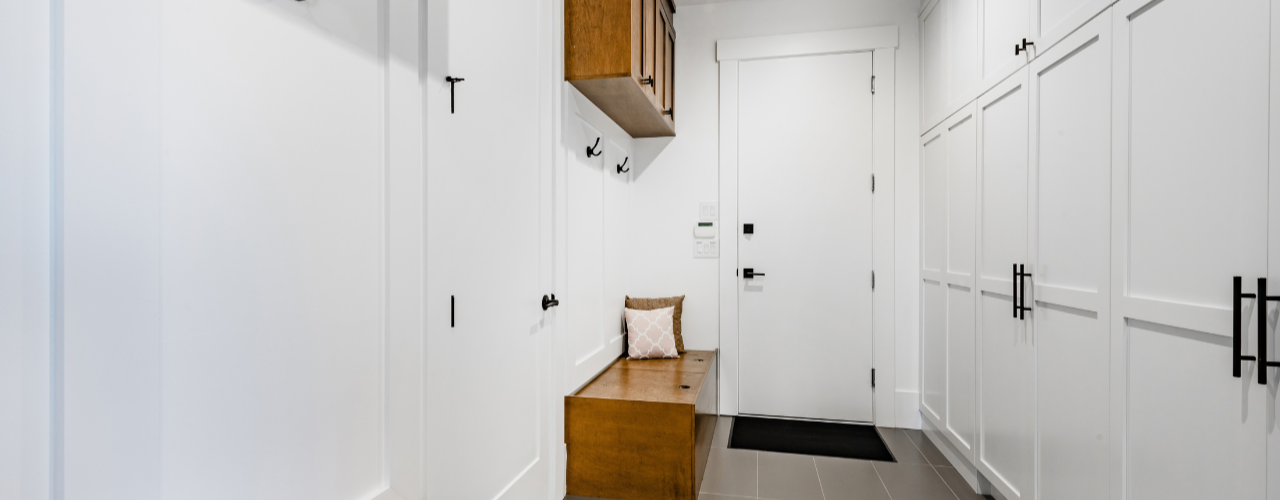
When you come home with muddy boots, an armful of bags and a coat you can’t wait to take off, it’s nice to have somewhere to put it all. With a mudroom, you can leave the outdoor mess at the door instead of carrying it through the house. Traditionally, you’d set aside a separate room, but you can just as easily use a hallway, an entryway closet, a laundry-room corner or a stretch of wall near the entrance.
Is Your Home Office Worth the Rent? What Coworking and Self Storage Could Save You
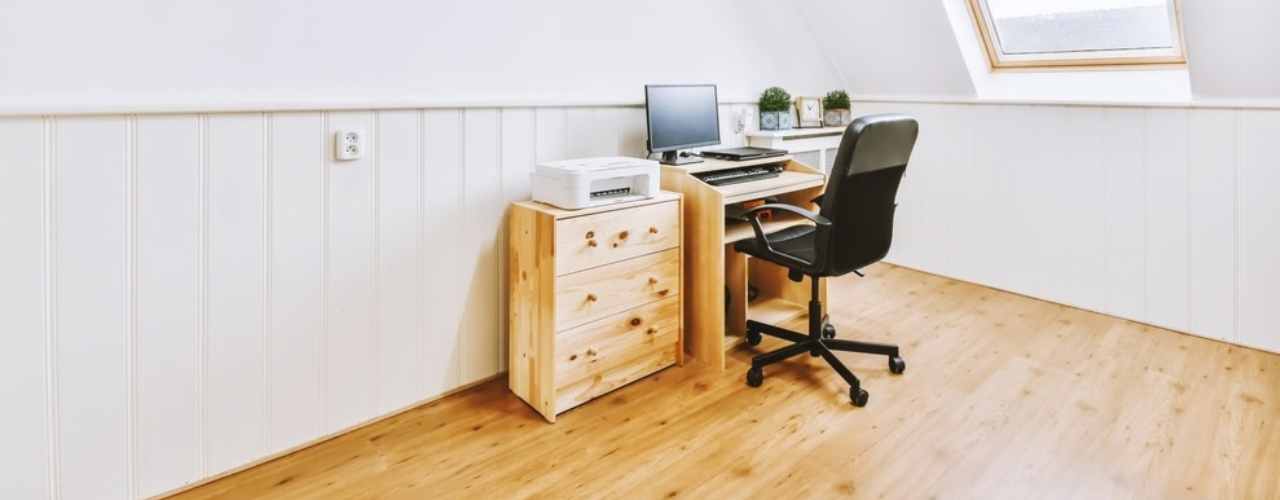
Every square foot of your apartment comes with a price tag, and a home office claims more of them than most renters expect. It starts with a desk. Then come the second monitor, the printer, the filing cabinet and the overflow boxes. Before long, the corner you set aside for work has turned into a small room you are paying for every month.

America’s Top Snowbird Destinations for 2026–2027: Florida Leads in Numbers, Texas Wins on Value
For Americans living in colder states, the approach of winter is reason enough to start looking south. Cold weather carries costs that go beyond the heating bill and shoveling snow. Seasonal affective disorder(opens in new tab) is far more prevalent in northern states, so a temporary move south isn’t simply an escape from the cold, but a chance to spend the hardest stretch of winter outdoors and in the sun.
How Much Does Halloween Really Cost in 2026? Plan Wisely to Avoid the Scare of Hidden Costs
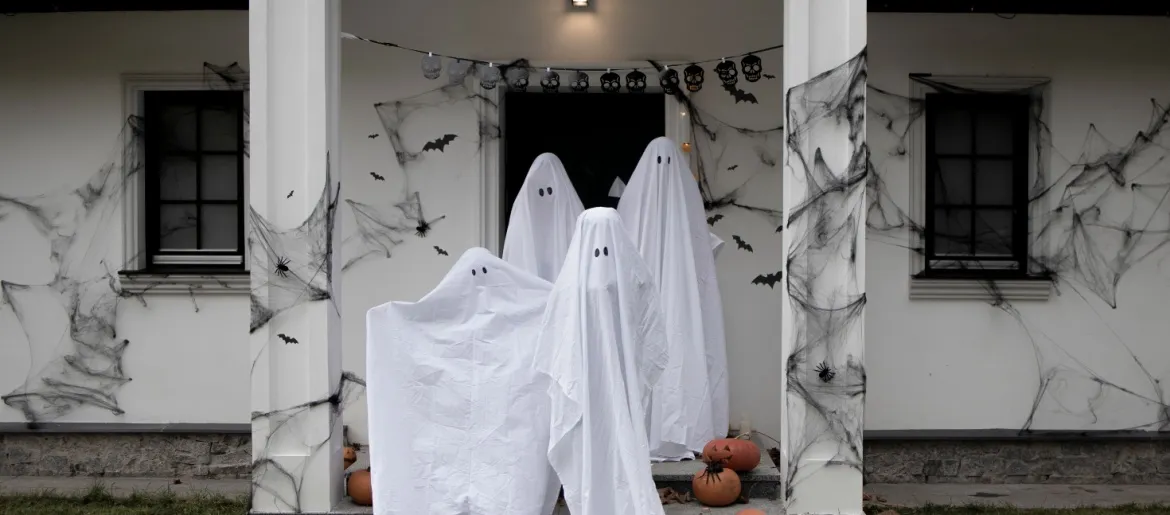
Americans’ love for Halloween is almost frightening — this year alone, we are on our way to spending $13.5 billion, according to data from the National Retail Federation(opens in new tab). That breaks down to about $115 Halloween costs per person, a whopping 49% more than 10 years ago.
How to Store LEGOs: All the Fun, None of the Clutter
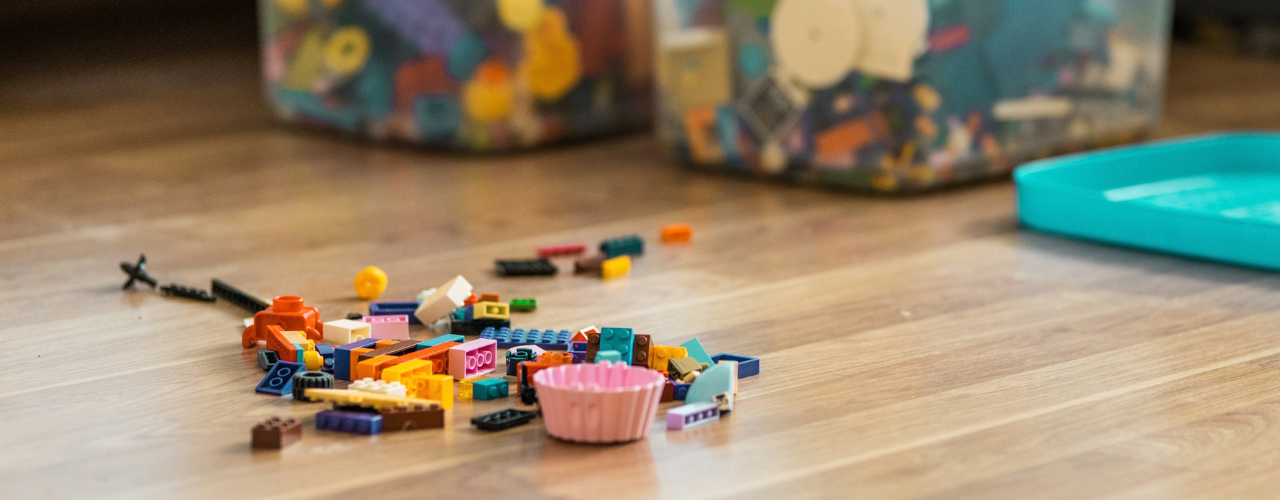
How to store LEGOs largely comes down to how your household uses them. If the bricks are part of everyday play, you need a setup that keeps them within easy reach and makes cleanup quick (for your feet’s sake, at least). Toy storage(opens in new tab) such as simple bins, playmats or containers that children can put away themselves may be enough. Larger or more serious collections usually need more organization, such as labelled drawers for loose pieces, trays for unfinished builds, shelves for completed models and separate storage for retired sets.

Cardboard Costume Guide: Tips and Ideas for a DIY Halloween
Whether for kids or adults, cardboard costume ideas often make the biggest splash once materialized, and that’s for a simple reason: doing a lot with a little is a universally impressive feat (especially in this economy). If you don’t have enough boxes you could temporarily repurpose, don’t worry! There are many places where you can find free moving boxes(opens in new tab), from stores and supermarkets to online groups and recycling drop-off spots. On the run? Try your luck at a self storage(opens in new tab) facility that sells moving supplies, often for cheap. This way, you can choose moving boxes of different shapes and sizes(opens in new tab), so you can make your costumes as complex as you want.

How to Celebrate Halloween: 9 Non-Spooky Ways To Enjoy It
As soon as October starts, it’s the official Halloween month. And while for many people it means it’s open season to get the scare of a lifetime, others, especially families with small children, might prefer to celebrate in a tamer way that’s both kid- and adult-friendly. While you’re likely to find more events where the spook factor is high, here’s how to celebrate Halloween in a not-so-scary way:

Motorcycle Storage Guide: How to Store Your Bike Safely
Motorcycles may be born to be wild, but eventually even the wild ones need somewhere to park. Whether riding season is winding down or your current living situation comes with plenty of square footage for you and less for your bike, motorcycle storage is one of those parts of ownership that doesn’t get as much airtime as the open road.

Halloween Decorating on a Budget (And Cheap Ideas for Everything Elsee)
Halloween has crept a long way from its eerie origins. While All Hallows’ Eve has transformed through the centuries, it wasn’t until the 1930s that trick-or-treating became a tradition in the U.S. and businesses began conjuring up mass-produced Halloween costumes. Now, Halloween is a monster-sized, billion-dollar industry, with a cauldron full of costumes and decorations ranging from the mainstream to the macabre. But is it all really worth your wallet? Maybe, but we’ll let you in on a little secret: You can keep your Halloween decorating on a budget and save on everything else, too. Take this plan and see it through!