

Your shoe closet is lying — not about how many pairs you own (that number is likely higher than you’d admit), but about who you are. The way you approach shoe storage, or avoid it, is one of the more honest reflections of your personality that exists in a home.
Knowing how to store shoes properly sounds mundane, but the numbers say otherwise. The average American owns 12 pairs and spends $350 a year adding to that collection. Meanwhile, 26% of Americans say clothing and footwear are the biggest source of clutter in their home — so much so that 18% have turned to self storage specifically to deal with the “shoevalanche.” At that point, the problem has officially outgrown the closet.
The good news is that once you know your type, the right solution tends to follow. As the saying goes, show us your shoe collection and we’ll tell you who you are. More importantly, we’ll tell you exactly what to do about it.
Carrie Bradshaw — The Obsessive Collector
The vintage couture enthusiast. The Manolo devotee. The woman who made Cosmopolitans synonymous with a night out in New York. Carrie Bradshaw is known for being the it girl of New York, but above all else, she’s known for her ever-expanding shoe collection.
Like Carrie, your closet is probably filled to the brim with shoes on shoes on shoes. The more couture, the better. You simply can’t say no to a great pair. They’re your Kryptonite, and your storage space has been paying the price ever since. A few pairs have migrated under the bed, others have claimed a spare nook and some have found a second life in their boxes as makeshift coffee tables. You call it modern. Realistically, it’s a sign that your collection could use a little TLC.
At this scale, knowing how to store shoes becomes just as important as finding the next pair worth bringing home. A collection built over years deserves more than being crammed into overcrowded shelves or balanced in precarious piles. Good shoe storage habits preserve shape, protect delicate materials and make getting dressed considerably easier.
And if you couldn’t help but wonder whether there’s a better way to handle a growing shoe collection, these shoe storage tips are a step in the right direction.
Display, don’t hide
For a collection as extensive as yours, keeping shoes out in the open solves more than one problem. It gives them a safe haven while letting them become part of the room itself. When you’ve spent years curating a lineup of heels, boots and designer finds, they deserve more than being buried at the back of a closet.
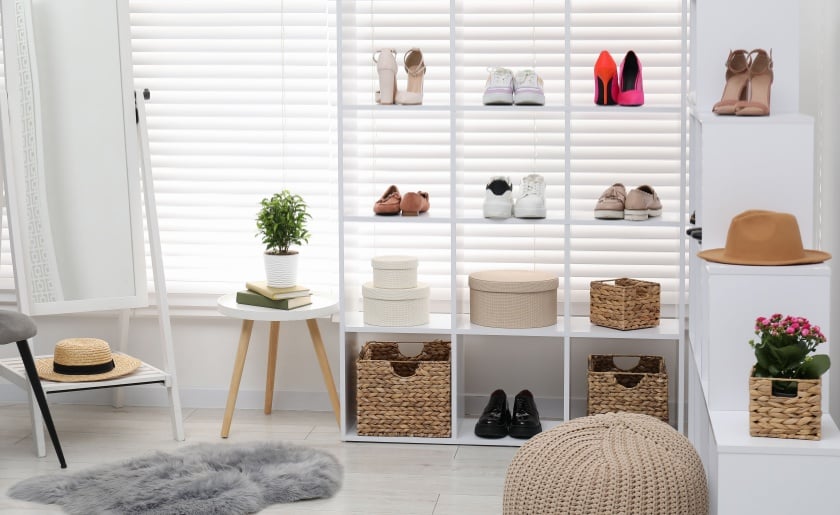
Open shoe storage — such as the popular IKEA Billy bookcase — pulls double duty as both storage and display, keeping your favorite pairs within easy reach while showing them off like the prized possessions they are. Hidden shoes have a way of becoming forgotten shoes, and Carrie would never let a pair of Manolos collect dust behind a closed door.
Don’t stack heels on top of each other
No matter how tempting it is to squeeze in just one more pair, resist the urge to pile heels together. Storing them this way leads to scuffs, bent embellishments and unnecessary wear — especially for satin pumps and other fragile styles.
Organize high heels by category and give each pair a little breathing room. For pointed-toe styles stored longer-term, stuff them with acid-free tissue paper to help maintain their shape and minimize the reshuffling that causes damage over time.
Keep shoes away from sunlight
A window seat may work for a New York apartment, but not for your heels. Prolonged UV exposure fades leather, dulls patent finishes, discolors satin and can cause more damage than years of actual wear.
Store investment pieces away from direct sunlight, ideally in a closet, covered shelving unit or their original boxes.
Use silica gel packets
You know those little packets you usually throw away without a second thought? Consider them the unsung heroes of shoe storage. They help absorb excess moisture that can wreak havoc on satin and other delicate finishes.
Tuck one into every shoebox to keep humidity in check between outings. For someone who treats shoe shopping like a love language, this may be one of the easiest ways to protect the relationship.
Use self storage
At some point, the collection genuinely outgrows the closet. When under-the-bed bins are full and every spare shelf has been claimed, a climate-controlled storage unit can step in as the overflow wardrobe — and climate control matters here, since heat and humidity are hard on the same materials you’ve worked to protect at home.
A 5’x5′ storage unit is often enough if you’re just starting to build your collection or need extra room for off-season pairs. For more dedicated collectors with boxes stacked several rows deep, a 5’x10′ offers additional breathing room without taking over your home.
A few rules still apply once your shoes are in storage:
- Keep pairs in their original boxes or clear, ventilated containers
- Label everything so you’re not digging through stacks to find one specific pair
- Use shelving units to keep boxes off the floor
- Don’t stack too high — the weight can crush delicate styles
- Use shoe trees to preserve shape
- Place silica gel packets inside each box to manage moisture
Cinderella — The Occasionalist
There may not be a literal glass slipper involved, but you’re probably the type who values quality over quantity. Trends come and go, yet you’re content waiting for the one true pair to come along. And if the shoe fits, well, resistance was never really an option.
Your wardrobe isn’t overflowing, but every pair you do own has earned its place. Maybe it’s the heels you wore to a milestone celebration, a limited-edition release you queued up for or a signed pair that’s become more keepsake than footwear. You’re curating rather than collecting for the sake of collecting, which also means taking care of your shoes matters just as much as finding them.
Your philosophy leans more toward “once worn, treasured forever.” The challenge, however, is that shoes stored away for long periods don’t pause in time. Materials age, adhesives weaken and conditions inside the box can take their toll.
To keep your own glass slipper ready for its next special occasion, here are a few shoe storage tips worth remembering before the clock strikes midnight.
Wrap in acid-free tissue before storing
If some of your shoes have graduated from accessories to heirlooms, acid-free tissue paper is worth keeping on hand. Unlike standard tissue, it won’t yellow, transfer dyes or deteriorate against delicate materials during long-term storage.
Wrap each shoe separately and add a bit of tissue to the toe box to help it retain its shape — especially useful for structured heels and pointed-toe styles, which can gradually lose their silhouette from sitting boxed up for extended periods. It’s the same approach used to preserve wedding shoes and other keepsakes.
Photograph and label every box
Attach a photo of each pair to the outside of its box, or use a clear label describing what’s inside. It saves you from opening and rewrapping every pair when a special occasion rolls around, reducing the handling that wears down materials over time.

For a digital approach, inventory apps like Sortly let you catalog your collection and keep photos of each pair at your fingertips.
Use breathable fabric bags
Special-occasion shoes spend far more time in storage than on your feet. While plastic bags might seem protective, they trap moisture and stale air.
Instead, slip each pair into a cotton or flannel dust bag before returning it to its box. You can also reuse the dust bags that came with the shoes, or repurpose clean pillowcases for taller boots or bulkier styles.
Leave the bags loosely closed rather than sealed so air can circulate between wears.
Store in a cool, dark, ventilated space
Where you keep your shoes matters as much as how you pack them. Pairs that only appear a handful of times a year are especially vulnerable to dust buildup and temperature swings.
A bedroom closet, guest room wardrobe, or linen closet tends to offer the most stable indoor conditions. Finished basements can work well if they stay dry. Attics, garages and outdoor sheds are trickier, as they may be fine in milder climates. Spaces with dramatic humidity swings are best avoided for shoes you’re hoping to preserve for years.
Many people already rely on climate-controlled storage for garments, keepsakes and seasonal décor, making it a natural home for occasion shoes as well. The stable conditions are particularly helpful for pairs that spend more time waiting in their boxes than out on the dance floor.
The Old Woman Who Lived in a Shoe — The Maximalist
The nursery rhyme may have been onto something. You have shoes for every season, every activity and every version of yourself you’ve been over the years. Some are daily staples. Others are waiting for a comeback. A few are complete mysteries.
Unlike the meticulous collector or the occasional wearer, you didn’t necessarily buy with a grand plan. Life simply happened. Work shoes, gym shoes, vacation shoes, gardening shoes, shoes kept “just in case.” One pair turned into ten, ten turned into thirty, until finding a matching pair started to feel like an achievement.
Somewhere between the first pair and the thirtieth, the system got left behind. Time to catch up.
Start with a full audit before touching storage
Before buying another shoe rack or reorganizing the closet again, gather every pair in one place. Pull them out from wherever they’ve settled and lay them out where you can see the full picture. Only then can you make decisions based on reality rather than memory.
Once you know what you’re working with, organize by season rather than style. It mirrors how most people actually reach for shoes throughout the year. There’s no sense giving snow boots and flip-flops equal access to the front of the closet when their seasons never overlap.
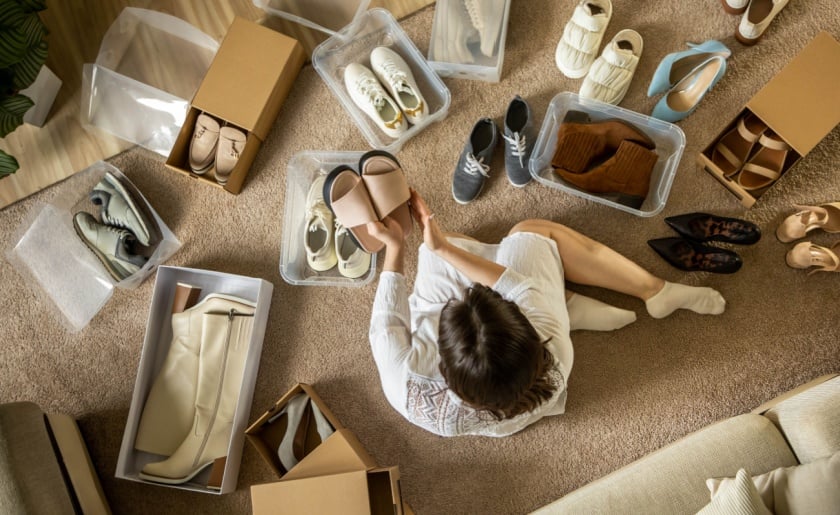
This is also the perfect opportunity to adopt the one-in-one-out rule, as it introduces a natural stopping point. Without some kind of boundary, the collection tends to keep expanding to fill whatever space is available.
Finally, take a cue from home cleaning schedules and build regular shoe resets into your routine. Spending a few minutes every month returning pairs to their designated spots can prevent the slow drift toward clutter chaos.
Keep heavier shoes at floor level
Shoes with more heft are best stored on lower shelves, where they’re easier to retrieve and less likely to destabilize everything above them. Lighter styles can move higher without issue. And resist the urge to pack each shelf to capacity, as leaving a little room to slide pairs in and out makes everyday use much less frustrating.
Use over-the-door organizers for the overflow
Over-the-door organizers wrangle the extras without requiring another piece of furniture. Clear-pocket versions let you see what’s inside at a glance, so prioritize those over opaque versions. Hang them on the inside of a closet door rather than a high-traffic bedroom or entry door to reduce wear on the organizer.
Treat it as overflow rather than expansion. Once every pocket is filled, take it as a sign to reassess the collection instead of buying a second organizer.
Hermes — The Minimalist
Hermes, the Greek messenger god, was also the patron of travelers — and owner of perhaps the most famous pair of sandals in mythology. He understood the value of moving through the world unencumbered. So do you.
Your shoe collection doesn’t require its own room, a spreadsheet or a seasonal rotation chart. You’ve found what works and stick with it: the sneakers for weekends, the boots that go with almost everything, the pair suitable for life’s more formal moments. Each one has a purpose.
The beauty of a smaller collection is knowing exactly what you own. The catch is that your favorite pairs rarely get a day off. Here’s how to help them last.
Clean before storing
Dirt and moisture left between wears can shorten a shoe’s lifespan far more quickly than most people realize. For a smaller collection, a quick cleanup after wearing is what keeps them going.
- Sneakers: Loosen the laces and pull the tongue forward before storing — trapped heat needs somewhere to escape.
- Leather boots: Wait until any mud has dried before brushing it away. Scrubbing wet mud can grind grit deeper into the surface.
- Sandals: Give the footbed a quick wipe, especially in warmer months. Sunscreen, sweat and daily buildup collect there long before the rest of the shoe looks dirty.
- Rain-soaked pairs: Despite how convenient it might seem to place them beside a radiator or blast them with a hairdryer, refrain from doing so. Let them dry gradually and stuff them with newspaper or clean paper to help absorb moisture and maintain their shape.
- Daily wearers: Set them aside for a few hours before putting them away. Even a short breather helps reduce moisture and odors.
Make cedar shoe trees a permanent resident
When the same pairs are constantly in rotation, cedar shoe trees do a lot of the heavy lifting between wears. They draw out lingering moisture, keep odors in check and help shoes hold their original shape rather than collapsing over time. Leave them in whenever the shoes are off your feet, especially in leather styles that tend to crease with regular use.
Give every pair a place to return to
Pick one spot near the door and commit to it. Most people with a small collection don’t lose track of their shoes because they own too many — they just never decided where those shoes belong. When you’re heading toward the entryway anyway, take the stray pair with you. It stops being tidying and starts becoming autopilot.
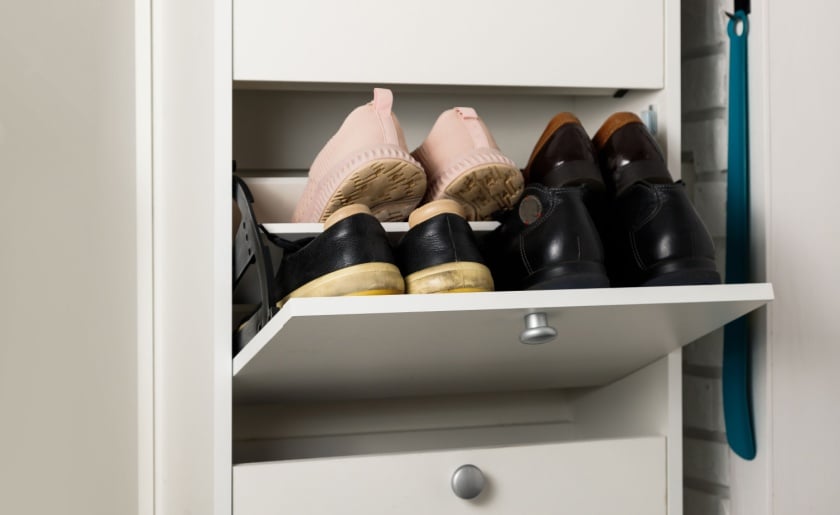
Try a slim shoe cabinet
The IKEA Hemnes comes up again and again for small-space shoe storage, and for good reason. It sits nearly flush against the wall, holds around 10 pairs depending on the model and passes what might be called the annoyance test: open it, put the shoes in, close it, carry on. For an edited collection, that’s usually all the storage you need.
Add a storage bench by the door
For someone who owns seven pairs and reaches for the same five most weeks, a storage bench solves several problems at once. Many come with shelves, cubbies or cabinet compartments underneath, while cushioned tops make them feel more like furniture than storage.
File, don’t pile
Flats, sandals and flip-flops don’t fare well tossed into a basket, where the pair you want always ends up at the bottom. Instead, stand them upright in an open bin the way you’d arrange folders in a filing cabinet. It takes up less floor space than spreading them side by side and keeps every pair visible at once.
Shoe storage FAQs
Is stepping on the heel to remove your shoe actually damaging it?
That quick trick of pinning one shoe down with your foot while slipping the other out saves a few seconds but costs you in the long run. Repeatedly crushing the back of the shoe weakens the heel counter — the internal structure that keeps the shoe’s shape and fit intact. Once it breaks down, there’s no easy way to restore it.
A better approach is to loosen the top eyelets before taking your shoes off so your foot has room to slide out naturally. Keeping a shoehorn near the door makes this almost automatic.
What is the best place to store shoes?
Shoes do best in spaces that stay relatively stable year-round with enough airflow that moisture doesn’t linger. In most homes, an interior closet is your safest bet. Attics and garages expose shoes to temperature swings and humidity that cause damage long before any obvious signs appear.
Is shoe box storage better than leaving shoes out?
How often you wear them usually determines the answer. Pairs you reach for regularly benefit from being left on a rack or shelf — easy to grab and able to air out between uses, though open storage means dust finds them faster. Shoes that only make occasional appearances are better protected in clear stackable boxes, away from light, scuffs and grime.
How to store boots so they keep their shape?
Pool noodles trimmed to size, or magazines wrapped in fabric, help boots stand upright between wears. For longer storage, cedar boot trees support the shape while managing moisture and odors at the same time.
Can shoes be stored directly on the closet floor?
Floor storage sounds practical until you notice what it does over time. The floor is the lowest point in any room — the first place moisture and dust arrive and the last place air circulates. A shelf, a rack or anything that lifts shoes off the ground changes the equation considerably.
The right fit for every collector
From Carrie Bradshaw’s overflowing shelves to Hermes’ single perfect pair, every relationship with shoes comes with its own storage challenges — and its own solutions. How to store shoes properly looks different depending on the collection, the lifestyle and the person behind both. But the common thread is always the same. Shoes kept well last longer, look better, and make getting dressed feel like considerably less of an event.
Whatever your type, your collection deserves a system worthy of it.


How to Store LEGOs: All the Fun, None of the Clutter
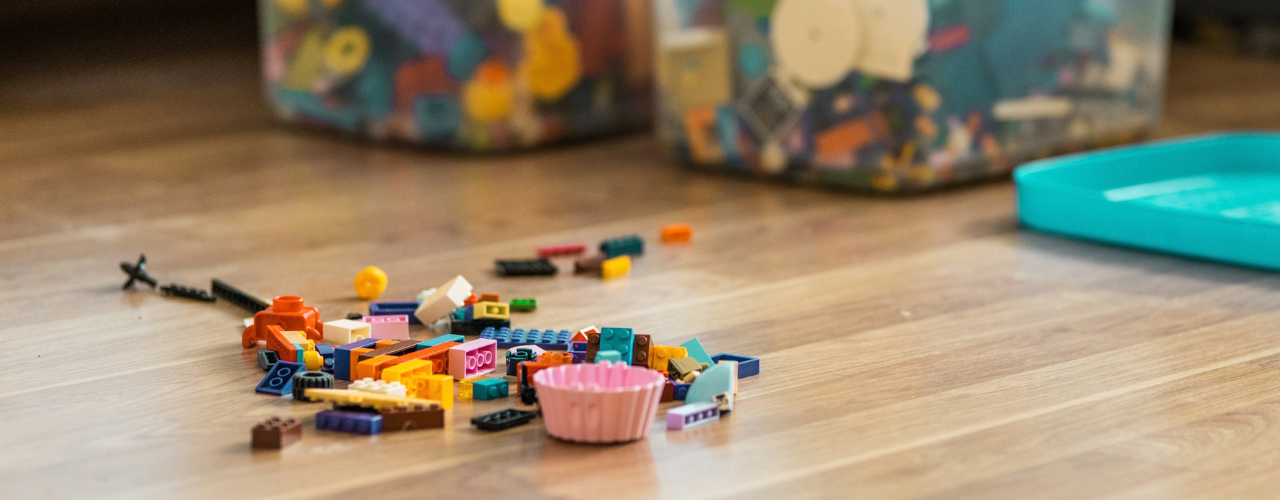
How to store LEGOs largely comes down to how your household uses them. If the bricks are part of everyday play, you need a setup that keeps them within easy reach and makes cleanup quick (for your feet’s sake, at least). Toy storage(opens in new tab) such as simple bins, playmats or containers that children can put away themselves may be enough. Larger or more serious collections usually need more organization, such as labelled drawers for loose pieces, trays for unfinished builds, shelves for completed models and separate storage for retired sets.

Cardboard Costume Guide: Tips and Ideas for a DIY Halloween
Whether for kids or adults, cardboard costume ideas often make the biggest splash once materialized, and that’s for a simple reason: doing a lot with a little is a universally impressive feat (especially in this economy). If you don’t have enough boxes you could temporarily repurpose, don’t worry! There are many places where you can find free moving boxes(opens in new tab), from stores and supermarkets to online groups and recycling drop-off spots. On the run? Try your luck at a self storage(opens in new tab) facility that sells moving supplies, often for cheap. This way, you can choose moving boxes of different shapes and sizes(opens in new tab), so you can make your costumes as complex as you want.

How to Celebrate Halloween: 9 Non-Spooky Ways To Enjoy It
As soon as October starts, it’s the official Halloween month. And while for many people it means it’s open season to get the scare of a lifetime, others, especially families with small children, might prefer to celebrate in a tamer way that’s both kid- and adult-friendly. While you’re likely to find more events where the spook factor is high, here’s how to celebrate Halloween in a not-so-scary way:

Motorcycle Storage Guide: How to Store Your Bike Safely
Motorcycles may be born to be wild, but eventually even the wild ones need somewhere to park. Whether riding season is winding down or your current living situation comes with plenty of square footage for you and less for your bike, motorcycle storage is one of those parts of ownership that doesn’t get as much airtime as the open road.

Halloween Decorating on a Budget (And Cheap Ideas for Everything Elsee)
Halloween has crept a long way from its eerie origins. While All Hallows’ Eve has transformed through the centuries, it wasn’t until the 1930s that trick-or-treating became a tradition in the U.S. and businesses began conjuring up mass-produced Halloween costumes. Now, Halloween is a monster-sized, billion-dollar industry, with a cauldron full of costumes and decorations ranging from the mainstream to the macabre. But is it all really worth your wallet? Maybe, but we’ll let you in on a little secret: You can keep your Halloween decorating on a budget and save on everything else, too. Take this plan and see it through!
Moving From a House to an Apartment: What to Expect, How to Downsize & How Self Storage Helps
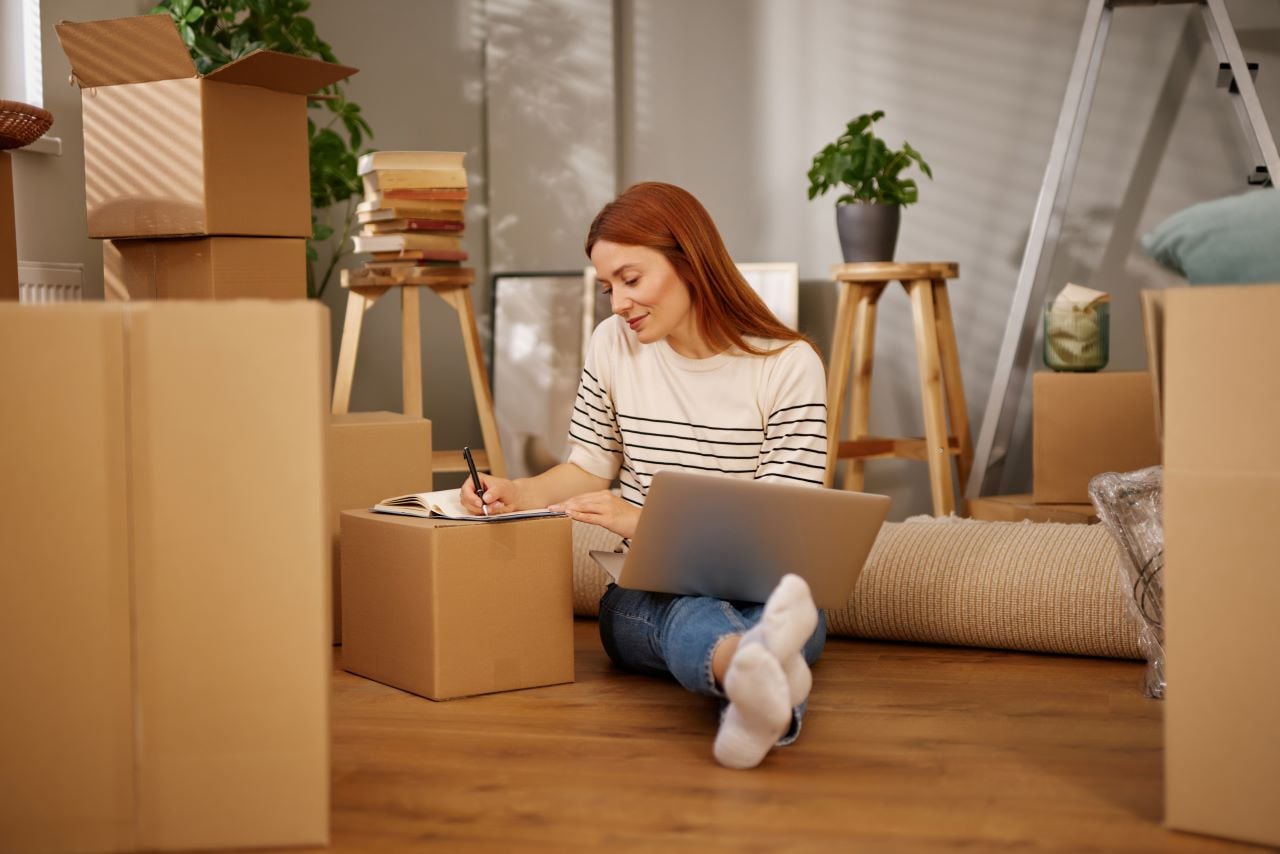
For some, moving from a house to an apartment is a financial decision. For others, it’s about simplifying life. Maybe the kids have moved out and half the house sits empty, or you’re approaching retirement and no longer want to spend weekends on repairs. Or perhaps you’ve been weighing the cost of buying a home and wondering whether renting simply makes more sense right now.
Family Heirlooms Overload: How to Handle Family Inheritance Without Regret
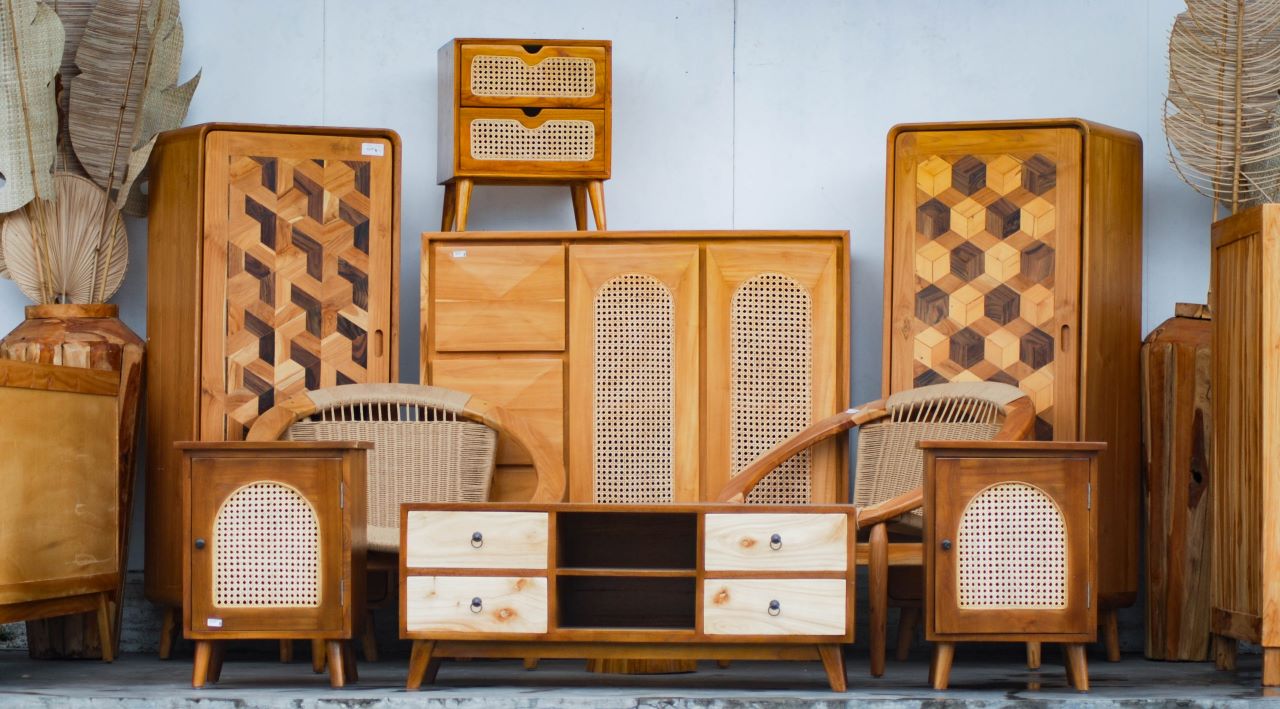
Handling family heirlooms after a loss requires managing legal authority, emotional pressure and practical logistics at the same time, and the order you take them on matters more than most people expect.
Blanket Storage: The Right Method for Every Space and Season
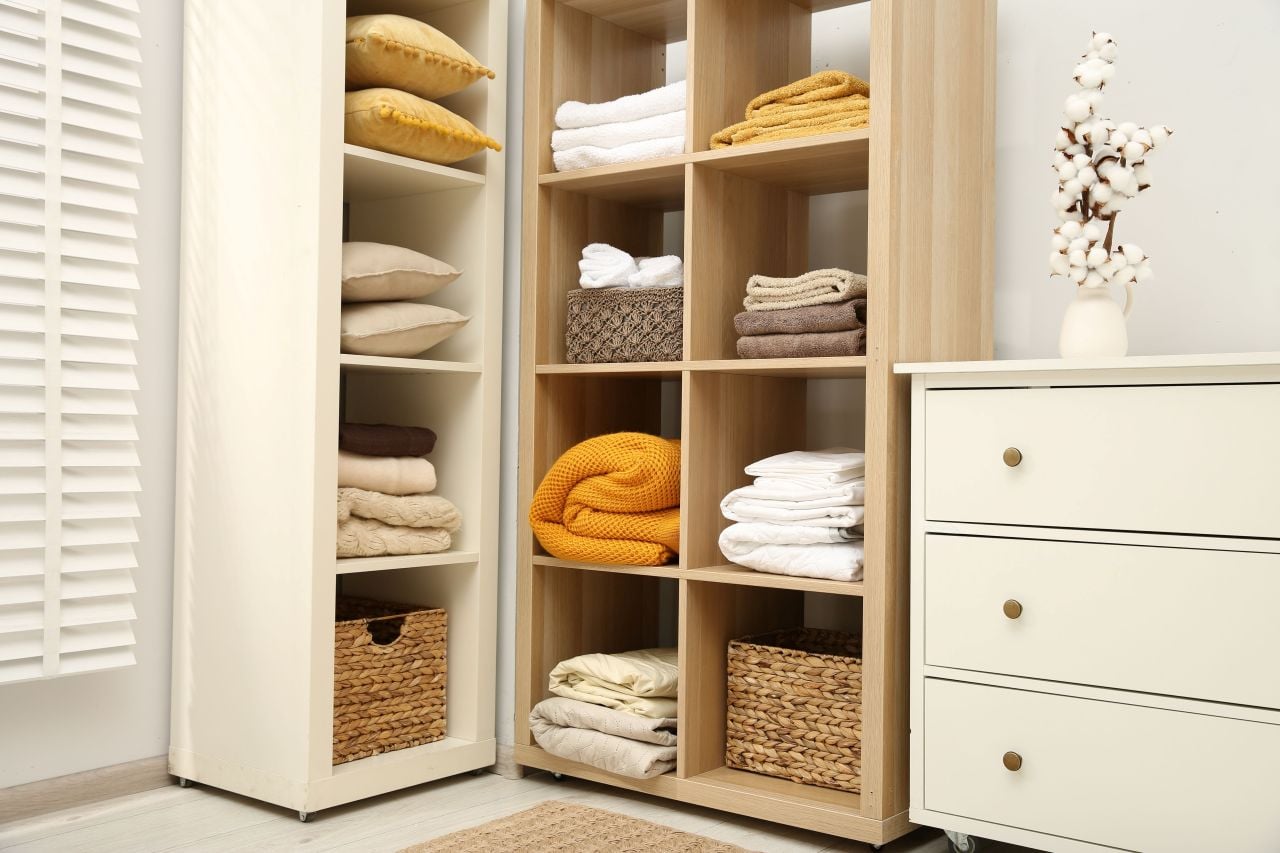
Blankets make our lives cozier, and storing them well is what keeps them soft and comfortable in the long run. Knowing how to store a blanket properly means your favorites come out of storage smelling fresh, feeling the same as when they went in, and lasting years longer than they otherwise would.

Board Game Storage Ideas That Keep Your Collection in Fighting Shape
Nobody warns you that getting into board games usually unlocks a second hobby, the much dreaded one that includes figuring out where on earth to put them. One game becomes a few, expansions start spawning beside their base boxes and before long, board game storage requires as much strategy as whatever is waiting on the other side of those lids.