

Boston has no shortage of places to donate books — from the Boston Public Library to local bookstores and beyond. For a city that gave the country its first large free municipal library, that tracks. Its literary roots run deep, and they never really stopped growing.
There’s a reason people say every book has its reader, even if sometimes that reader just isn’t you anymore. You can see it in the neighborhood bookstores and community organizations that make book donation in Boston feel less like an errand and more like a gesture worth making. Those books go on to reach children experiencing homelessness, young adults building new futures, incarcerated individuals and families raising babies on tight budgets — real readers with real stakes.
Whether a donated paperback ends up in a child’s hands or on a used shelf in Coolidge Corner, it tends to find exactly the reader it was meant for. For anyone saving space in a smaller apartment, making room after a move or simply overwhelmed by clutter and not sure where to start, Boston makes it easy to give your finished reads a second life.
Here’s where to donate books in Boston.
1. Cradles to Crayons
- Best for donating children’s books
- Location: 281 Newtonville Avenue, Newton, MA 02460
Cradles to Crayons helps children experiencing homelessness or living in low-income and crisis situations by providing everyday essentials, and books are an important part of that mission.
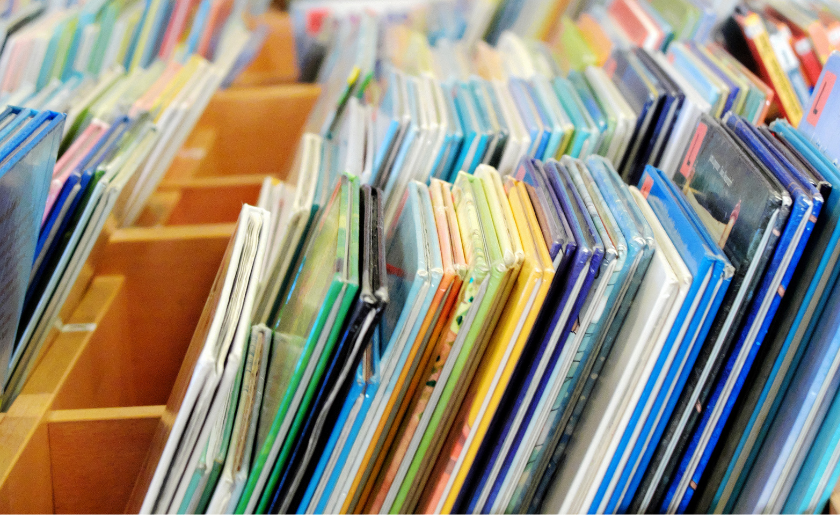
The organization accepts children’s books through its Giving Factory in Newton as well as community book drives held throughout the year. Baby books for children up to age two are appreciated, making this a great option if you’re clearing out a nursery or helping your little one make room for their growing library.
2. More Than Words
- Best for donating gently used fiction and nonfiction books
- Location: 2nd Floor, 242 East Berkeley Street, Boston, MA 02118
At More Than Words, books truly say more than words by supporting paid job training, employment experience and career development for young adults facing systemic barriers through a nonprofit bookstore and social enterprise.
You can donate books at its Boston location or schedule a pickup. Just keep in mind that magazines, encyclopedias, damaged books and textbooks more than five years old aren’t part of the next chapter.
3. Bay State Book Company
- Best for donating large book collections
- Location: Book donation bins throughout Greater Boston (see the company’s website for locations)
Bay State Book Company accepts just about every kind of book, from children’s stories and vintage finds to paperbacks, hardcovers and textbooks, making it one of the most versatile donation options in the Boston area. Books that can’t find a new reader are responsibly recycled, helping keep thousands of pounds of paper out of landfills each year.
If you’re only donating a few books, you can drop them off at one of the company’s book donation bins located throughout Greater Boston. Clearing out an entire home library instead? Bay State Book Company also offers residential pickups for larger donations of at least eight boxes, making it easy to give a whole collection its next chapter. Some donated books also support prison literacy programs and other community initiatives.
4. Big Brother Big Sister
- Best for donating textbooks and large book collections
- Location: 184 High St., 3rd Floor, Boston, MA 02110. Free scheduled home pickups are also available throughout the Greater Boston area
Hauling eight boxes of books across Boston isn’t everyone’s idea of a productive Saturday. Fortunately, it doesn’t have to be yours either. Free home pickups are available throughout the Boston metro area, making the Big Brother Big Sister Foundation one of the easiest ways to donate a larger collection without loading up the car.
Nearly every type of book is accepted, including textbooks, while magazines and catalogs should stay behind.
5. Room To Grow
- Best for donating baby and toddler books
- Location: 400 Shawmut Ave., Boston, MA 02118 and 63 Sprague St., Hyde Park, MA 02136 (by appointment)
By the time a child has outgrown Goodnight Moon, chances are they’ve already moved on to a dozen new favorites. Rather than letting those early reads gather dust, pass them along to families with babies and toddlers who are just beginning their own reading journey.
For more than 25 years, Room to Grow has been putting essential resources into the hands of families with young children, giving well-loved baby and toddler books the chance to become part of a new bedtime routine.
Room to Grow accepts children’s books in excellent condition as part of its mission to support families raising young children in low-income circumstances.
Donations are accepted by appointment at both of its Greater Boston locations, so it’s worth scheduling a visit before dropping off your books.
6. Boston Public Library
- Best for donating a wide variety of gently used books to support library programming
- Location: 700 Boylston Street, Boston, MA 02116 (Central Library — additional drop-off available at neighborhood branches citywide)
For a lot of Bostonians, the Boston Public Library is the place where term papers were written, rainy afternoons disappeared and favorite authors were discovered. As the first large free municipal library in the United States, it’s been part of the city’s literary life for more than 175 years. By donating your gently used books, you can help keep that chapter in Boston’s reading cycle turning, so someone else’s next favorite book might just begin where yours ended. Better yet, you can write two happy endings at once: passing it forward while supporting library programs and services through the Friends of the Boston Public Library.
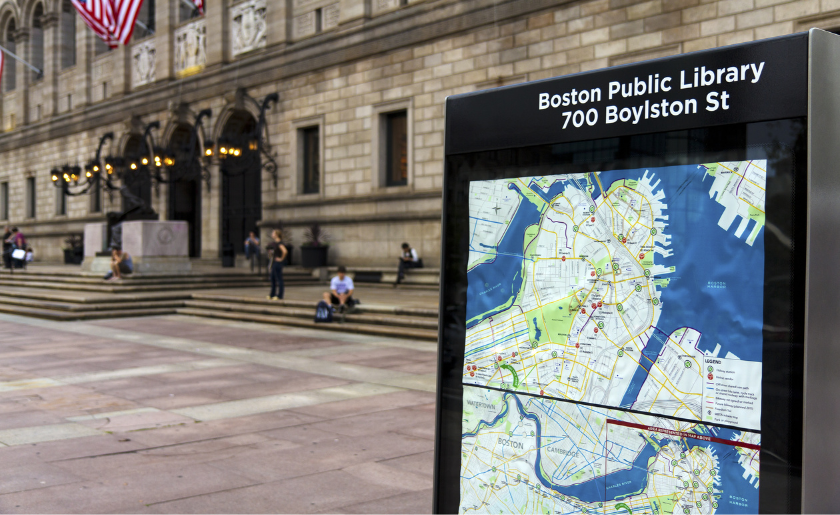
With more than two dozen neighborhood branches, chances are there’s a drop-off location not far from home. If you’re unsure whether a title can be donated, your local branch can point you in the right direction.
7. Prison Book Program
- Best for donating paperback fiction, dictionaries and general nonfiction
- Location: 1306 Hancock Street, Suite 100, Quincy, MA 02169
Some books end up in storage, while others end up changing someone’s life. The Prison Book Program has been sending reading materials directly to incarcerated individuals across the country since 1972, and the need has never been small — the program sent nearly 65,000 books to prisoners in 2025 alone.
Drop-offs are accepted during volunteer sessions on Tuesdays and Thursdays from 6:30 to 9 p.m. and Wednesdays and Saturdays from 1:30 to 4 p.m. Paperbacks are preferred, and the most requested titles are dictionaries, thesauri, fiction of all genres, business books, drawing guides and exercise books. Hardcovers, encyclopedias, magazines and spiral-bound books aren’t accepted, so it’s worth doing a quick sort before you go.
If you’re outside the Boston area, books can also be mailed directly to the program via media mail.
8. Lucy Parsons Center
- Best for donating nonfiction, social justice and activist literature
- Location: 358A Centre St, Jamaica Plain, MA 02130
Take the Orange Line to Green Street, walk a few minutes down Centre Street and you’ll land in one of Boston’s most essential community spaces. The Lucy Parsons Center has been a fixture in Jamaica Plain, named after Lucy Parsons — a labor organizer and one of the most formidable voices in American activist history. It’s been going strong since 1969 in one form or another, which makes it one of the oldest continuously operating radical bookstores in the country.
The center is entirely volunteer-run and accepts donations of nonfiction, self-help and progressive literature — think social justice, feminism, labor history, anti-racism and environmental justice. Children’s books and textbooks aren’t accepted here. Hours can shift week to week, so a check of their Instagram before making the trip is always a good idea.
It also supports the Prison Book Program by collecting books for incarcerated individuals, meaning a single donation can end up doing double duty.
Before you donate: A five-minute bookshelf checklist
Before you load up the car, take a few minutes to go through your shelves. Giving your bookshelf one last pass can save you an extra trip and help make sure every book ends up where it has the best chance of being read again.
- Check the condition. Most organizations are looking for books that are clean, dry and complete. Water damage, mold, missing pages and loose bindings usually mean a book won’t be accepted.
- Match the books to the right organization. Children’s books, recent textbooks and rare editions don’t always belong in the same donation pile.
- Remove anything personal. Bookmarks, handwritten notes, family photos and old receipts can be forgotten and hidden between the pages. Give each book a flip before boxing it up.
- Call ahead if you’re bringing a large donation. Independent bookstores and nonprofits sometimes pause donations when they run out of storage space or have enough inventory.
- Set sentimental books aside. If you’re hesitating over a favorite series, a signed copy or a collection you’ve spent years building, don’t force the decision. Those books can always stay on your shelf (or somewhere else) for a little while longer.
Not ready to donate? Boston self storage keeps the chapter on hold
Ever picked up a book to donate, only to put it right back on the shelf? It happens. Sometimes you’re just not ready to let it go, and that’s okay. Consider it a bookmark, not the ending.
If the decision can wait, your books can too. Rather than storing them wherever there’s room, a climate-controlled Boston storage unit gives them a stable place to sit while you figure out what’s next. Consistent temperature and humidity help prevent yellowing pages, warped covers and brittle bindings, especially if they’ll be stored for a while.

Budget matters, too. The average 10’x10′ self storage unit in Boston currently rents for about $257 per month, but prices can vary quite a bit depending on the neighborhood. Looking beyond the city center often pays off, as average monthly rates are around $166 in Roxbury, $190 in Jamaica Plain and roughly $215 in East Boston, making those areas worth a look if you’re hoping to store a collection without overspending. Even a little comparison shopping can leave you with more money for your next bookstore visit.
FAQ
What should I do with rare or collectible books I no longer want?
Rare, antique or collectible books generally aren’t a good fit for standard donation programs, which focus on everyday reading material that can be quickly redistributed. For valuable editions, you’ll get better results contacting a local antiquarian bookseller, auction house or rare book dealer for an appraisal. Independent dealers in Cambridge and Brookline may be able to help assess what you have before you decide whether to donate, sell or keep them.
Can I donate books in languages other than English in Boston?
Several organizations in Boston accept multilingual books, though not all do. The Boston Public Library is generally the best starting point, as its collections serve a diverse population across dozens of neighborhoods. It’s worth calling ahead to confirm, since branch needs vary. For community-specific donations — Spanish, Haitian Creole, Portuguese, Chinese — neighborhood organizations or cultural centers may be a better fit than general donation programs.
Is there a tax deduction for donating books in Boston?
Donating books to a registered 501(c)(3) nonprofit — which includes most of the organizations listed here — typically qualifies as a charitable deduction on your federal taxes. To claim it, you’ll need a written receipt from the organization and a fair market value estimate for the books donated. For large or high-value collections, a formal appraisal may be required. A tax professional can advise on the specifics based on your situation.
What happens to donated books that can’t be resold or redistributed?
It depends on the organization. Some, like Bay State Book Company, responsibly recycle books that can’t find a new reader, keeping thousands of pounds of paper out of landfills each year. Others may pass unusable donations along to pulping programs or partner with recycling facilities. If environmental impact matters to you, it’s worth asking an organization directly about their handling process before you drop off.
Can I donate self-published or print-on-demand books in Boston?
Most donation organizations focus on commercially published titles that have broad readership appeal, and self-published or print-on-demand books are often declined — not because of quality, but because they’re harder to resell or redistribute at scale. Your best bet is to reach out directly to the organization before dropping off. Independent bookstores and community centers with specific programming needs may be more open to self-published titles, particularly if the subject matter aligns with their mission.
The story doesn’t end on your bookshelf
Most of us can remember a book we couldn’t put down — the one we read under the covers with a flashlight or stayed up far too late to finish because sleep could wait. That’s the kind of joy that sticks around long after the last page.
Passing a book along gives someone else the chance to make a few cherished memories of their own. Whether that means donating your finished reads today or keeping a treasured collection safe in Boston storage until the time feels right, every book gets to keep doing what it was written to do: be read.
Because the best stories were never meant to stay on just one shelf.


How to Store LEGOs: All the Fun, None of the Clutter
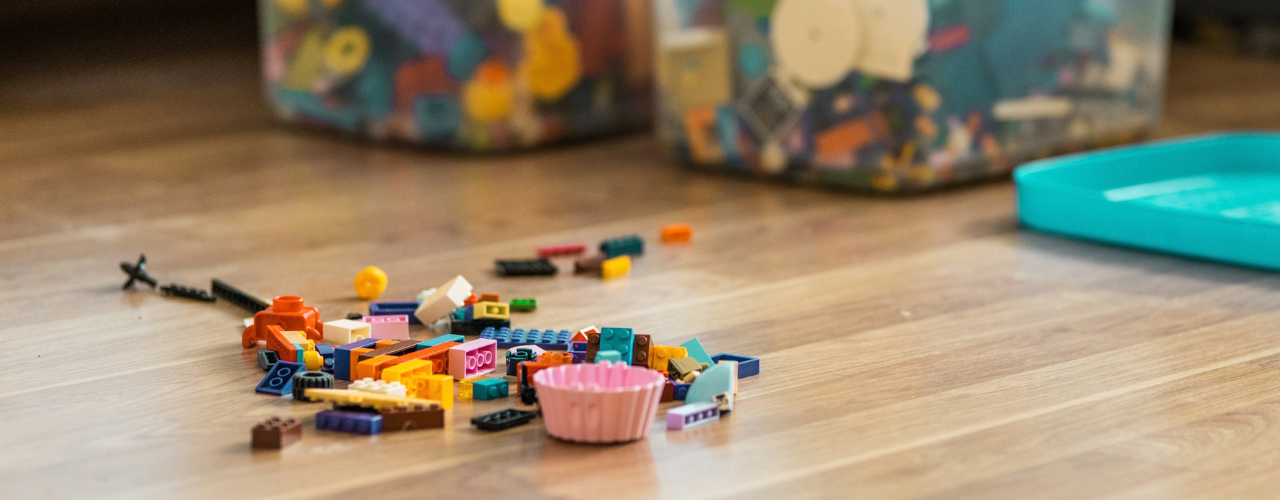
How to store LEGOs largely comes down to how your household uses them. If the bricks are part of everyday play, you need a setup that keeps them within easy reach and makes cleanup quick (for your feet’s sake, at least). Toy storage(opens in new tab) such as simple bins, playmats or containers that children can put away themselves may be enough. Larger or more serious collections usually need more organization, such as labelled drawers for loose pieces, trays for unfinished builds, shelves for completed models and separate storage for retired sets.
Cardboard Costume Guide: Tips and Ideas for a DIY Halloween
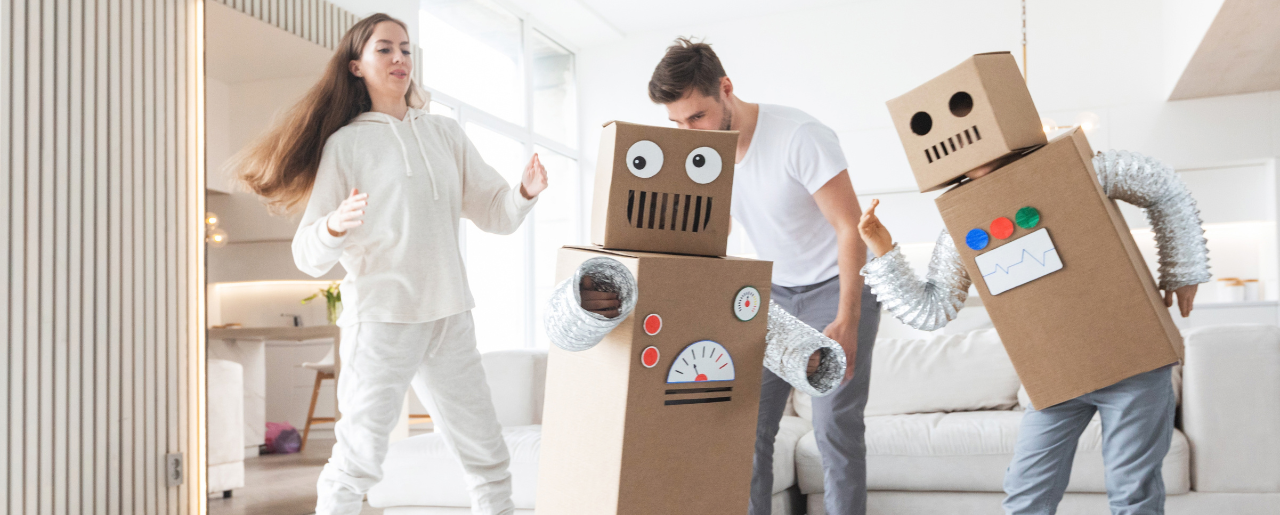
Whether for kids or adults, cardboard costume ideas often make the biggest splash once materialized, and that’s for a simple reason: doing a lot with a little is a universally impressive feat (especially in this economy). If you don’t have enough boxes you could temporarily repurpose, don’t worry! There are many places where you can find free moving boxes(opens in new tab), from stores and supermarkets to online groups and recycling drop-off spots. On the run? Try your luck at a self storage(opens in new tab) facility that sells moving supplies, often for cheap. This way, you can choose moving boxes of different shapes and sizes(opens in new tab), so you can make your costumes as complex as you want.
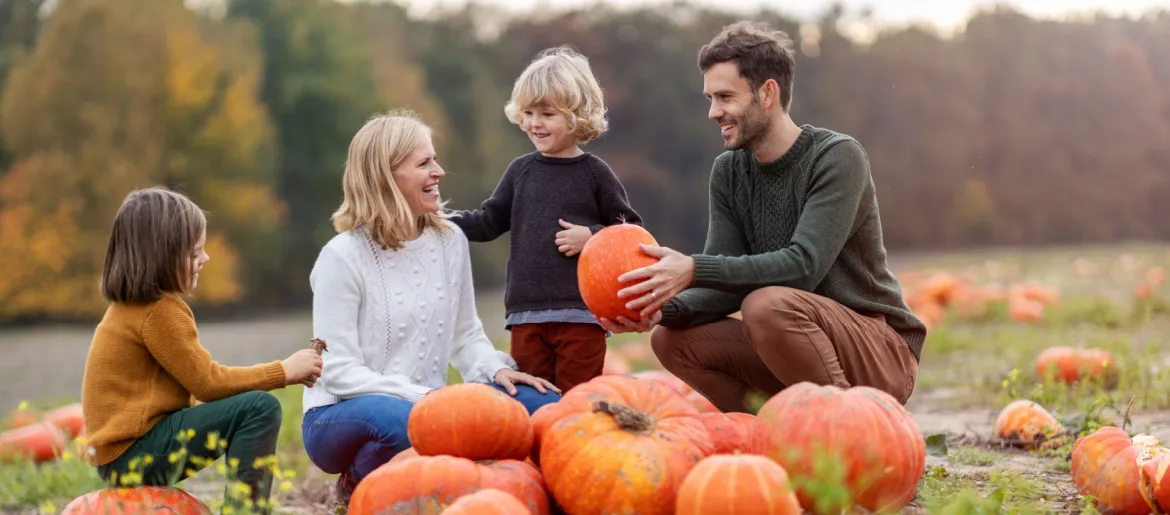
How to Celebrate Halloween: 9 Non-Spooky Ways To Enjoy It
As soon as October starts, it’s the official Halloween month. And while for many people it means it’s open season to get the scare of a lifetime, others, especially families with small children, might prefer to celebrate in a tamer way that’s both kid- and adult-friendly. While you’re likely to find more events where the spook factor is high, here’s how to celebrate Halloween in a not-so-scary way:

Motorcycle Storage Guide: How to Store Your Bike Safely
Motorcycles may be born to be wild, but eventually even the wild ones need somewhere to park. Whether riding season is winding down or your current living situation comes with plenty of square footage for you and less for your bike, motorcycle storage is one of those parts of ownership that doesn’t get as much airtime as the open road.

Halloween Decorating on a Budget (And Cheap Ideas for Everything Elsee)
Halloween has crept a long way from its eerie origins. While All Hallows’ Eve has transformed through the centuries, it wasn’t until the 1930s that trick-or-treating became a tradition in the U.S. and businesses began conjuring up mass-produced Halloween costumes. Now, Halloween is a monster-sized, billion-dollar industry, with a cauldron full of costumes and decorations ranging from the mainstream to the macabre. But is it all really worth your wallet? Maybe, but we’ll let you in on a little secret: You can keep your Halloween decorating on a budget and save on everything else, too. Take this plan and see it through!

Moving From a House to an Apartment: What to Expect, How to Downsize & How Self Storage Helps
For some, moving from a house to an apartment is a financial decision. For others, it’s about simplifying life. Maybe the kids have moved out and half the house sits empty, or you’re approaching retirement and no longer want to spend weekends on repairs. Or perhaps you’ve been weighing the cost of buying a home and wondering whether renting simply makes more sense right now.
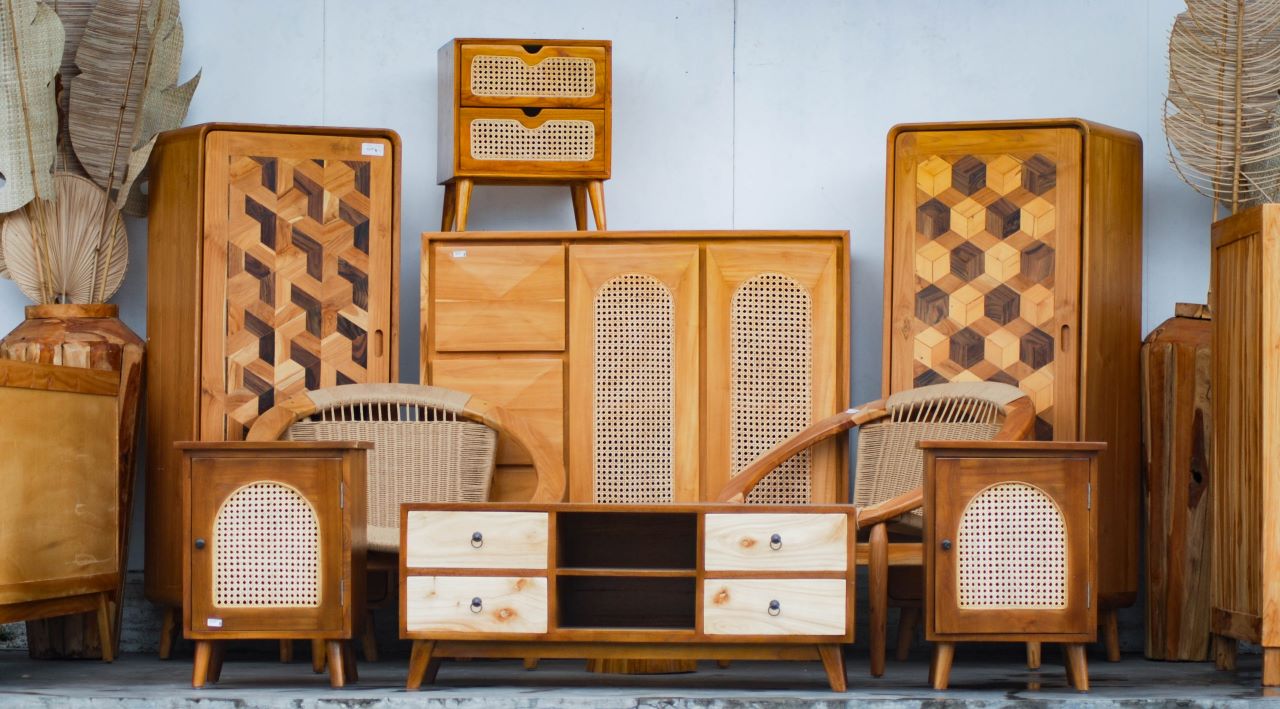
Family Heirlooms Overload: How to Handle Family Inheritance Without Regret
Handling family heirlooms after a loss requires managing legal authority, emotional pressure and practical logistics at the same time, and the order you take them on matters more than most people expect.
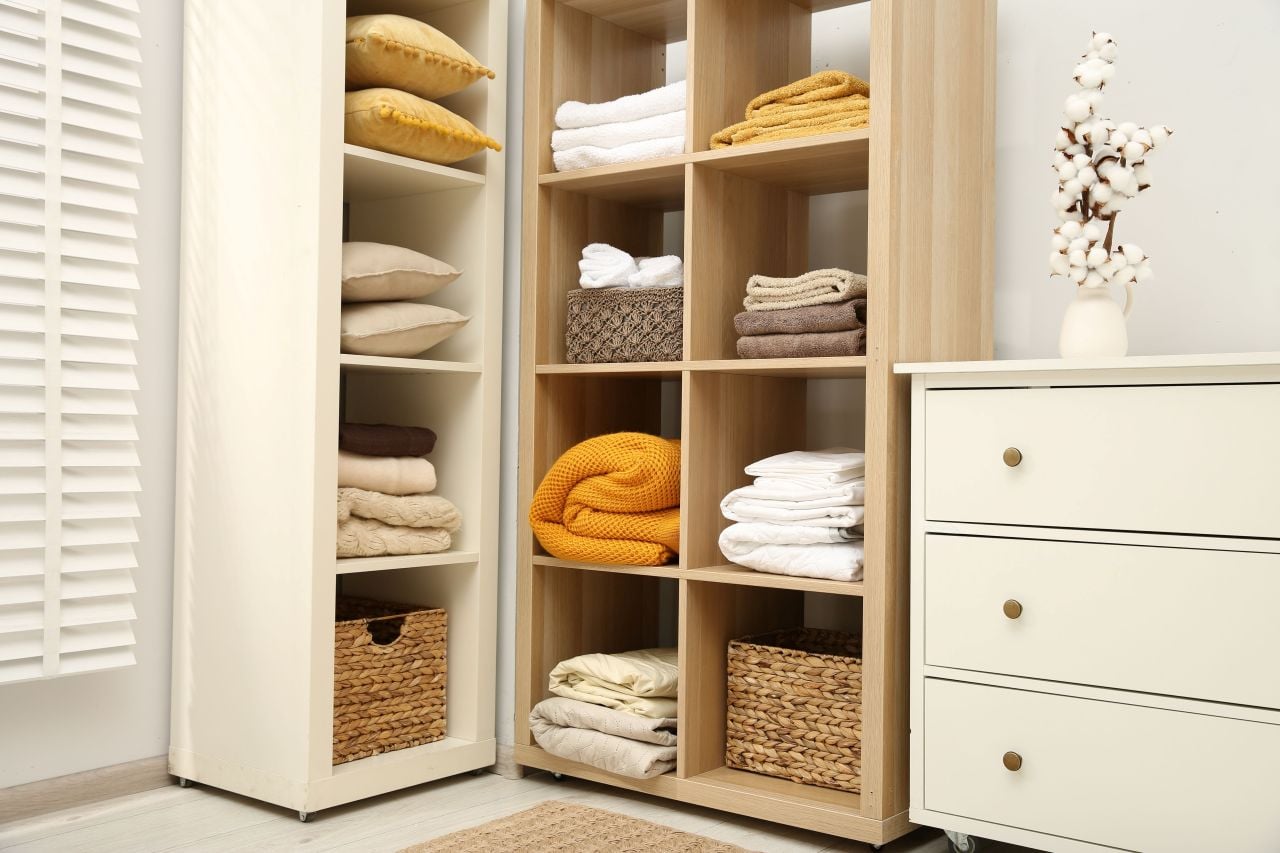
Blanket Storage: The Right Method for Every Space and Season
Blankets make our lives cozier, and storing them well is what keeps them soft and comfortable in the long run. Knowing how to store a blanket properly means your favorites come out of storage smelling fresh, feeling the same as when they went in, and lasting years longer than they otherwise would.

Board Game Storage Ideas That Keep Your Collection in Fighting Shape
Nobody warns you that getting into board games usually unlocks a second hobby, the much dreaded one that includes figuring out where on earth to put them. One game becomes a few, expansions start spawning beside their base boxes and before long, board game storage requires as much strategy as whatever is waiting on the other side of those lids.