

As much as we don’t like giving up books, sometimes we just have to in order to create the mental and bookshelf space for new literary adventures. But we all want to make sure our books aren’t wasted and get a second life. Chicago has a generous network of organizations that will put your books back into the hands of readers who’ll treasure them. Here’s where to donate books in Chicago, based on our research.
1. Open Books
Open Books is Chicago’s go-to for book donations, and it’s easy to see why. This nonprofit literary arts organization distributes more than 150,000 books each year to Chicago schools and nonprofit partners, builds classroom and community-center libraries, and keeps a literacy-first mission at its core. Their Pilsen store welcomes most household collections, and if you’re on the West Side, there’s also a North Lawndale location available by appointment.
How to donate:
- Bring sellable books in good condition — fiction, nonfiction, children’s books, cookbooks, and craft books are all welcome; LPs too.
- No free pickups. For more than 15 boxes, contact the organization ahead.
- Note: encyclopedias, older textbooks, magazines, VHS tapes, books on cassette, and duplicates (more than 10 copies of one title) are not accepted.
2. Books4Cause
Books4Cause runs free bookstores in Avondale and Uptown, gives books to schools and universities, and has helped establish more than 125 libraries in Africa since 2009. It’s the most flexible option in the city, especially for textbooks and academic titles that most organizations turn away. More than 220,000 books have been given away through their free stores.
How to donate:
- They accept fiction, nonfiction, children’s books, Spanish-language books, comics, introductory textbooks (generally within the last 10 years), and classic/graduate-level academic works.
- Collections of 250+ books may qualify for free pickup within a 15-mile service area, but you need submit a request form on their site.
- Books4Cause is a social enterprise, so no charitable tax receipt is issued, though an acknowledgment letter is available on request.
3. Newberry Library
Chicago’s beloved independent research library — the Newberry — accepts book donations year-round, with proceeds supporting its collections and public programs. It’s a particularly good fit for adult fiction, literature, history, biography, and scholarly titles in solid condition.
How to donate:
- Accepted: fiction, nonfiction, children’s books, and scholarly works across most genres.
- Not accepted: encyclopedias, dictionaries, travel guides, textbooks, magazines, newspapers, CDs, DVDs, VHS, cassettes, and books with torn/missing pages or water damage.
- For more than 10 boxes, contact the library in advance
- Tax-deductible receipts are available at the time of drop-off.
4. Little Free Library
Little Free Library is the universal sign for neighborhood goodwill — those charming little boxes where anyone can take a book or leave one. Chicago has dozens of them scattered across the city. They’re ideal for passing along a handful of appealing titles to your immediate community, and if you’re really inspired, you can even start your own.
How to donate:
- Use the Little Free Library map to find a box near you.
- Place only clean, readable, undamaged books that would be useful or appealing to neighbors; children’s titles are especially welcome.
- Don’t overfill a single box. Spread larger donations across multiple locations or contact the local steward first.
- For 50+ books, Little Free Library recommends reaching out to a steward about backstock rather than emptying books into one box.
- No formal receipt or acknowledgment is issued.
5. West Chicago Public Library District
The West Chicago Public Library District serves the western suburbs and accepts community book donations to support its programs and Friends group sales. It’s a solid option if you’re outside the city proper or want your books to stay close to home in the western suburbs.
How to donate:
- Drop off gently used books year-round at the Circulation Desk during library hours — no appointment needed.
- Accepted: adult and children’s books in good condition, audiobooks, DVDs, and music CDs.
- Not accepted: encyclopedias, magazines, textbooks, VHS tapes, damaged books, books with missing pages, and outdated materials.
- Maximum of 2 boxes/bags per visit due to space limitations.
- Donations may be tax deductible — ask for a receipt at the Circulation Desk.
6. Bernie’s Book Bank
Bernie’s Book Bank has a singular focus: getting age-appropriate books into the hands of children from birth through sixth grade across the Chicago area. Since 2009, they’ve distributed millions of books to underserved kids. This is one of the best options if you’re donating children’s titles and want them to go directly into a child’s home library.
How to donate:
- Donate new or gently used children’s books for ages birth through sixth grade: fiction, nonfiction, picture books, chapter books, and graphic novels all welcome.
- Drop off at Bernie’s Book Bank’s main location at 917 N Shore Dr, Lake Bluff, IL 60044
- Can’t make it to Lake Bluff? Use their Book Drop Partners map to find a drop-off location closer to you across Chicagoland.
- For donations of 500+ books, contact them directly to schedule a free pickup.
- Not accepted: books for adults, activity books, cookbooks, dictionaries, partially used sticker books, or books with yellowed/damaged pages.
7. Uncharted Books
Uncharted Books is an independent Chicago bookstore that accepts used book donations and may offer store credit for titles they can resell. It’s a great choice if you want your books to go back into circulation in a beloved neighborhood shop and possibly walk away with a little something in return.
How to donate:
- Bring books to the store and staff will assess what they can take.
- They accept a wide range of used books; emphasis is on quality and sellability.
- Store credit may be offered for books that fit their inventory — a nice perk if you plan to keep reading.
- Check their website or call ahead for current hours and any volume limits.
8. Cradles to Crayons Chicago
Cradles to Crayons Chicago provides children in need with essential items — including books — to help them thrive at home, in school, and at play. Books donated here go directly to children from birth through age 12 living in homeless or low-income situations.
How to donate:
- Donate gently used or new children’s books in clean, complete condition.
- Visit the Cradles to Crayons Chicago site for current drop-off locations, Giving Factory hours, and any current wish-list priorities.
- Drive and corporate donation events are periodically organized — a great option for large children’s book collections.
Use self storage to hold on to your special books
Book lovers know the struggle: the shelves are full, the nightstand is stacked, and there’s a growing pile on the floor, but parting with your collection is simply not an option. If you’re a serious reader or collector, self storage is a practical way to keep your books safe and accessible without sacrificing your living space.
The key is choosing climate-controlled storage. Humidity and temperature swings are a book’s worst enemies. They cause warped covers, yellowed pages, and the kind of mold damage that can ruin a beloved collection. A climate-controlled unit maintains a steady temperature and humidity level year-round, keeping even your oldest or most valuable titles in excellent condition.
Chicago has a healthy self storage market with options across the city and suburbs, from Logan Square and Pilsen to Oak Park and Evanston. A small 5×5 unit (roughly the size of a walk-in closet) can hold several boxes of books, while a 5×10 comfortably fits a large personal library. Prices vary by neighborhood and facility, but self storage runs considerably more affordable than the cost of a larger home or apartment. Search for self storage in Chicago to find climate-controlled options near you.
FAQs: Donating books in Chicago
Where is the best place to donate books in Chicago?
For most general household collections, Open Books is the strongest overall choice. It accepts a wide range of books, issues a charitable receipt, and puts books directly into Chicago literacy programs. For academic books and textbooks, Books4Cause Avondale is the better fit.
Can I donate textbooks in Chicago?
Yes! Books4Cause is the most textbook-friendly option in the city. It accepts introductory textbooks generally published within the last 10 years, plus classic or graduate-level academic titles even when older. Most other organizations on this list, including Open Books and the Newberry Library, do not accept textbooks.
Do any Chicago organizations offer book pickup?
Books4Cause may offer free pickup for collections of 250 or more books within a 15-mile service area. Open Books no longer provides free pickups. Most other organizations on this list require drop-off.
Can I get a tax receipt for my book donation?
Most nonprofit organizations that accept book donations can issue a tax-deductible receipt. However, not all donation spots work the same way. Some social enterprises and community exchanges, like Little Free Libraries, do not provide formal receipts. It’s always worth checking with the specific organization before your visit, especially if documentation is important to you.
What books are generally not accepted for donation?
Most organizations will not take encyclopedias, outdated reference sets, magazines, VHS tapes, books with water damage, mold, missing pages, or heavy wear. Always check each organization’s specific guidelines before dropping off, especially for large or specialized collections.
What should I do with books that aren’t in good enough condition to donate?
Books in poor condition generally should not be donated. Paperback interiors and some hardcover components may be recyclable — verify current City of Chicago recycling guidance before placing bound books in a blue cart.
Chicago has been a literary city since Saul Bellow walked its streets and Studs Terkel recorded its stories. When you pass your books on, you’re continuing that tradition — connecting with a stranger through the pages of something you once loved.


How to Store LEGOs: All the Fun, None of the Clutter
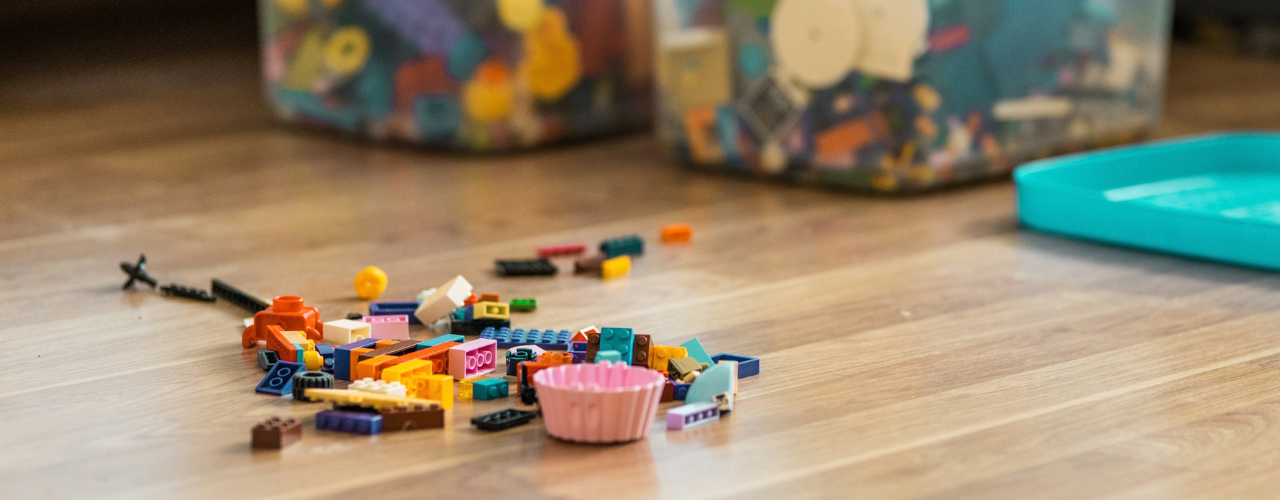
How to store LEGOs largely comes down to how your household uses them. If the bricks are part of everyday play, you need a setup that keeps them within easy reach and makes cleanup quick (for your feet’s sake, at least). Toy storage(opens in new tab) such as simple bins, playmats or containers that children can put away themselves may be enough. Larger or more serious collections usually need more organization, such as labelled drawers for loose pieces, trays for unfinished builds, shelves for completed models and separate storage for retired sets.
Cardboard Costume Guide: Tips and Ideas for a DIY Halloween
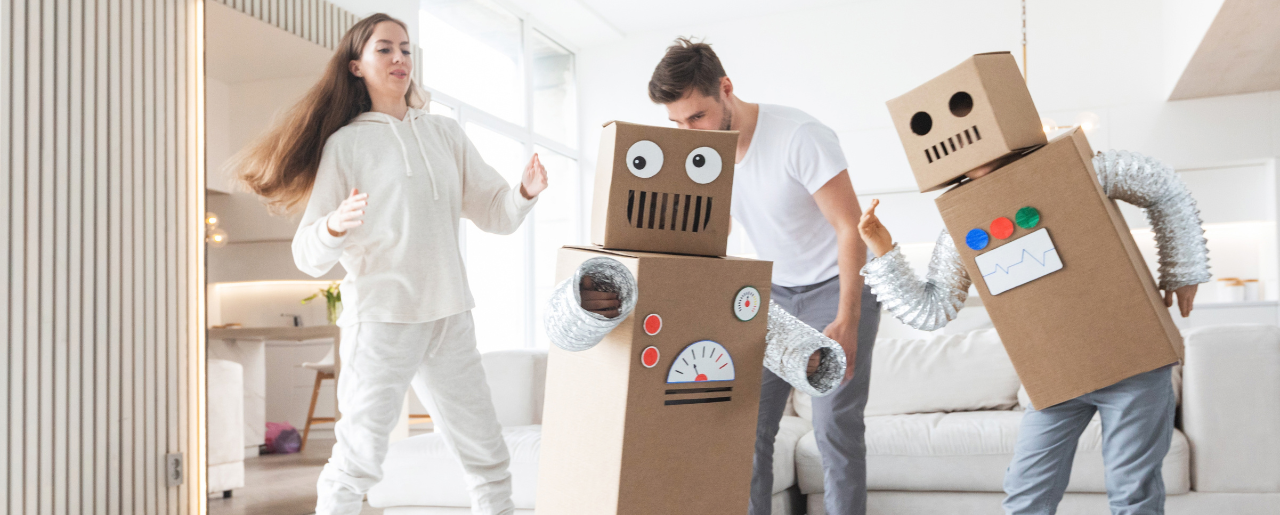
Whether for kids or adults, cardboard costume ideas often make the biggest splash once materialized, and that’s for a simple reason: doing a lot with a little is a universally impressive feat (especially in this economy). If you don’t have enough boxes you could temporarily repurpose, don’t worry! There are many places where you can find free moving boxes(opens in new tab), from stores and supermarkets to online groups and recycling drop-off spots. On the run? Try your luck at a self storage(opens in new tab) facility that sells moving supplies, often for cheap. This way, you can choose moving boxes of different shapes and sizes(opens in new tab), so you can make your costumes as complex as you want.

How to Celebrate Halloween: 9 Non-Spooky Ways To Enjoy It
As soon as October starts, it’s the official Halloween month. And while for many people it means it’s open season to get the scare of a lifetime, others, especially families with small children, might prefer to celebrate in a tamer way that’s both kid- and adult-friendly. While you’re likely to find more events where the spook factor is high, here’s how to celebrate Halloween in a not-so-scary way:

Motorcycle Storage Guide: How to Store Your Bike Safely
Motorcycles may be born to be wild, but eventually even the wild ones need somewhere to park. Whether riding season is winding down or your current living situation comes with plenty of square footage for you and less for your bike, motorcycle storage is one of those parts of ownership that doesn’t get as much airtime as the open road.

Halloween Decorating on a Budget (And Cheap Ideas for Everything Elsee)
Halloween has crept a long way from its eerie origins. While All Hallows’ Eve has transformed through the centuries, it wasn’t until the 1930s that trick-or-treating became a tradition in the U.S. and businesses began conjuring up mass-produced Halloween costumes. Now, Halloween is a monster-sized, billion-dollar industry, with a cauldron full of costumes and decorations ranging from the mainstream to the macabre. But is it all really worth your wallet? Maybe, but we’ll let you in on a little secret: You can keep your Halloween decorating on a budget and save on everything else, too. Take this plan and see it through!

Moving From a House to an Apartment: What to Expect, How to Downsize & How Self Storage Helps
For some, moving from a house to an apartment is a financial decision. For others, it’s about simplifying life. Maybe the kids have moved out and half the house sits empty, or you’re approaching retirement and no longer want to spend weekends on repairs. Or perhaps you’ve been weighing the cost of buying a home and wondering whether renting simply makes more sense right now.
Family Heirlooms Overload: How to Handle Family Inheritance Without Regret
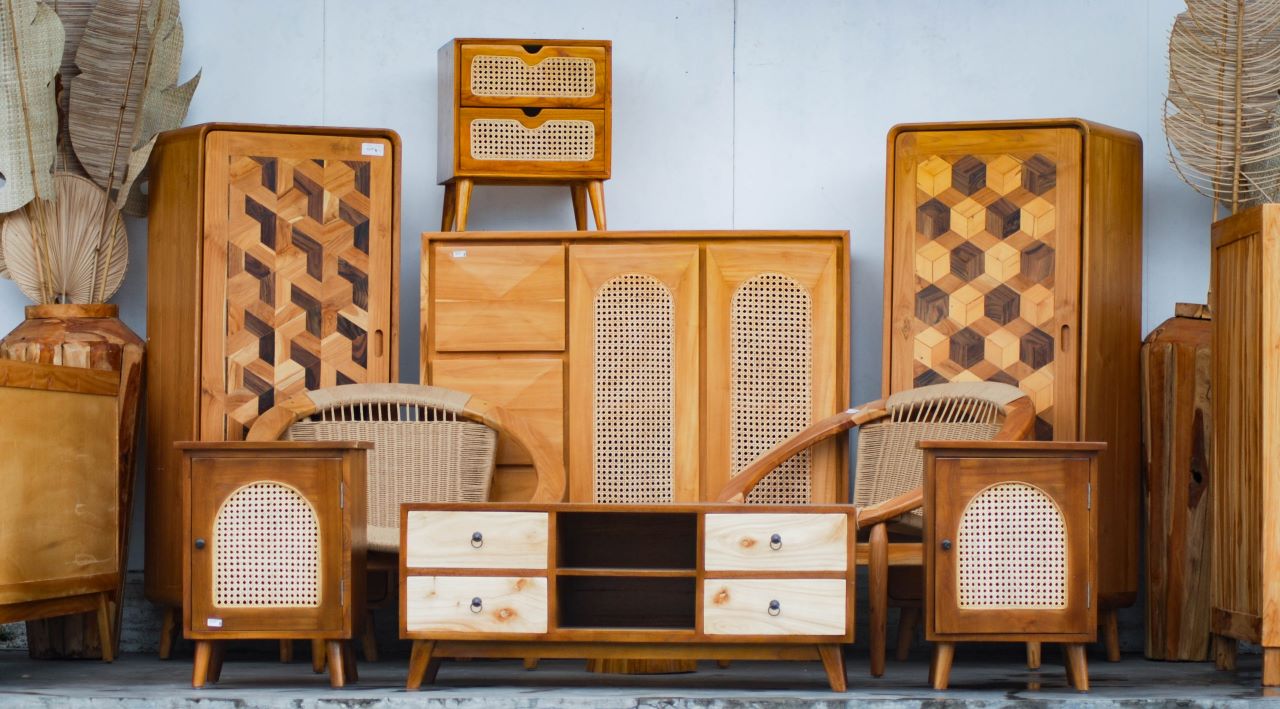
Handling family heirlooms after a loss requires managing legal authority, emotional pressure and practical logistics at the same time, and the order you take them on matters more than most people expect.
Blanket Storage: The Right Method for Every Space and Season
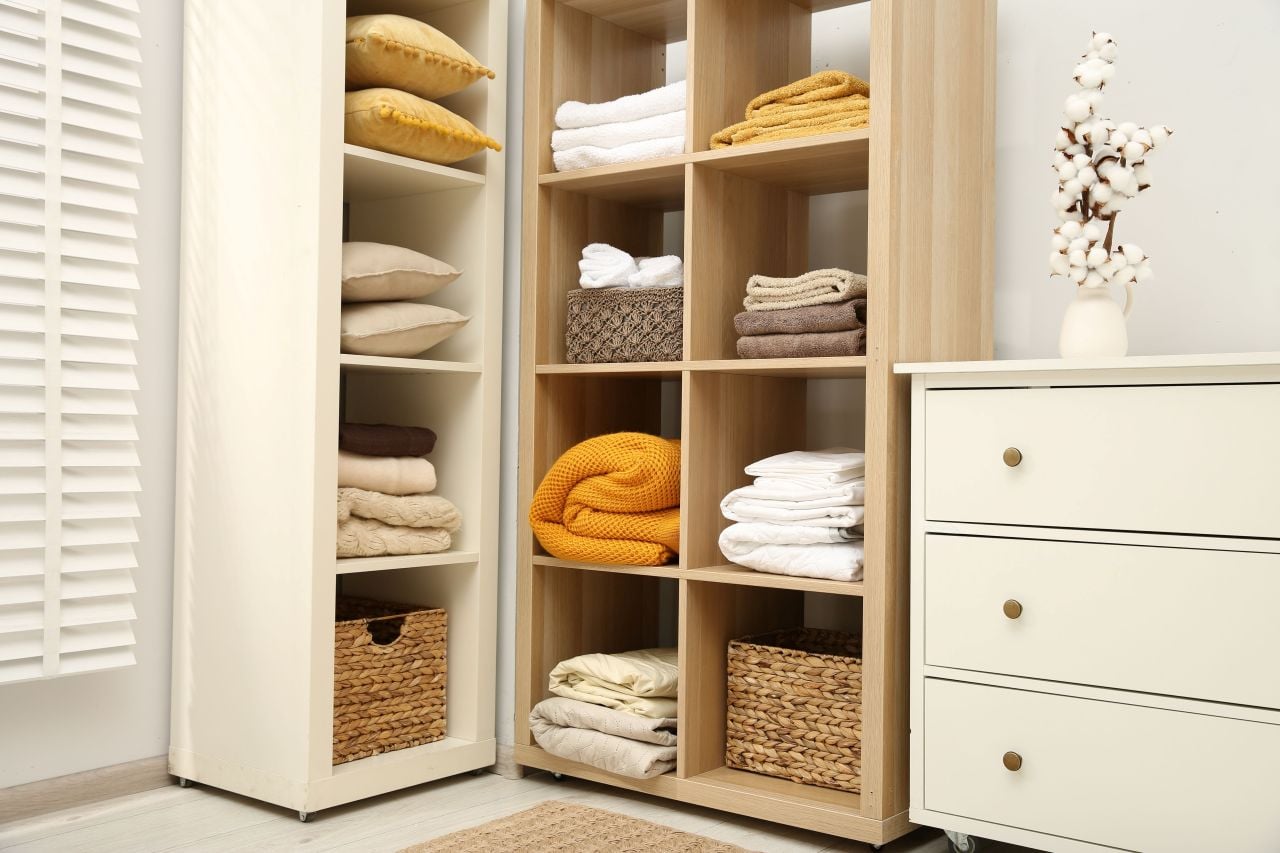
Blankets make our lives cozier, and storing them well is what keeps them soft and comfortable in the long run. Knowing how to store a blanket properly means your favorites come out of storage smelling fresh, feeling the same as when they went in, and lasting years longer than they otherwise would.

Board Game Storage Ideas That Keep Your Collection in Fighting Shape
Nobody warns you that getting into board games usually unlocks a second hobby, the much dreaded one that includes figuring out where on earth to put them. One game becomes a few, expansions start spawning beside their base boxes and before long, board game storage requires as much strategy as whatever is waiting on the other side of those lids.