

Book lovers might have different preferences in terms of literary genres and authors, but most of them deal with an all-too-common problem: where to put all those books? Storage space is an issue in most homes, and adding heaps of books on top of all your other belongings will certainly make things more challenging.
However, as all book lovers know, there’s no such thing as too many books, which means your attention should focus on finding new ways to store your precious volumes. Here’s a roundup of 10 creative ideas for adding more book storage options to your home.
1. Create a cozy book nook
Choose an underused corner in your home, or even a window area, and build shelving so that it creates a semi-enclosed space where you can relax and enjoy the books stored all around you. Assuming you build the book nook in the corner of your living room or bedroom, install bookshelves on the two sides of the wall, and add a third, freestanding bookshelf that acts as a room divider, separating your cozy reading area from the rest of the room. All that’s left to do is pick up a comfortable armchair, or even some floor pillows, so that you can lounge comfortably while reading.

You can build a book nook around a window as well — which might be even better, as it ensures plenty of natural light for your reading. In this case, you need two freestanding bookshelves, one on each side of the window — and you can connect the two with an over-the-window shelf for extra storage space and aesthetic purposes as well. Add a comfy bench next to the windowsill, and you’re all set!
2. Install floating shelves throughout the house
Floating shelves are a simple and inexpensive way of increasing book storage potential in your home. They can be installed anywhere you have some free wall space, and you don’t have to worry about taking up precious floor space. Floating shelves for books can also be seen as an interesting interior design choice — you embellish your walls with books instead of other decorations. Arranging your books on these shelves based on color will only add to the visual impact.
3. Consider floor-to-ceiling shelves in underused areas, such as hallways
Floor-to-ceiling shelving is one of the most efficient ways of keeping your books nice and safe, but have you considered installing them in less conventional areas, such as hallways, for example? It can be done even in relatively narrow hallways — slim shelves installed here will hold literally hundreds of books, making good use of an otherwise wasted wall space. Line the shelves with some accent lighting and get extra décor points.

4. Create a stylish book ladder
Ladders are a fun and space-saving way of displaying your books. You can go for a simple ladder leaning against the wall, or you could get a double ladder that stands on its own and allows you to store books on both sides. You could buy such an accessory from furniture stores — there are many stylized ladder bookcases. Or you could get creative and go the DIY route: Get an actual ladder and place shelves on its steps that are wide enough to hold books. An old ladder is perfect for this job.
5. Rent self storage
A self storage unit might be a good solution for some when it comes to storing books. If you have hundreds or even thousands of books, if you collect old books, or if you are dabbling in book trading as a business, a self storage unit might be just what you need.
A self storage unit is one of the easiest, most affordable ways of ensuring proper conditions for your book collection, whether you need to store tomes printed hundreds of years ago or pricy comic books. Climate-controlled units ensure just the right environment for all books, including valuable, old ones — constant temperature and humidity, and a lack of sunlight. Although street rates can vary depending on where you live, renting a small 5’x5’ or 5’x10’ climate-controlled unit ultimately pays off, as it allows you to keep your expensive items safe.
Below you can find climate-controlled self storage availability and street rates in some of the country’s major cities.
[vc_column width=”1/3″][vc_column_text]
[/vc_column_text][/vc_column]
[vc_column width=”1/3″][vc_column_text]
[/vc_column_text][/vc_column]
[vc_column width=”1/3″][vc_column_text]
[/vc_column_text][/vc_column]
Once you have found and rented a self storage unit, you have to prepare your books for storage. Your main concern should be the state of the books: Dust them properly and make sure they don’t hold excessive moisture from previously being exposed to a humid environment. This could lead to mold and mildew, very dangerous for books and other printed materials. Also, you should ask for an appraisal of your book collection so that you can buy proper self storage insurance.
5. Wheel your books around
Get a storage cart (on wheels) and use it as a mobile library inside your home. A two- or three-tiered cart can hold quite a few books — use it to keep the new ones that you haven’t read yet. And, depending on your mood and preferences, you can easily move your cart from the living room to your office or bedroom.
7. Display your most beautiful books front and center
If you have a collection of art albums, or simply books with really beautiful covers, it’s a neat idea to store them so that the front is visible rather than the spine. This, of course, means they will take up a lot more space, so you’ll have to limit yourself to just a few books displayed in that manner. A glass door cabinet, fitted with some stands or easels that keep the books in a slanted, front-facing position, can become the focal point of your living room and a beautiful part or your home décor.
8. Create a magic, under-the-stairs book kingdom
All that space under your stairs shouldn’t be wasted — instead, you can install deep shelves (or even drawers) that can hold impressive amounts of books. Depending on the inclination and the depth of your stairs, you might even be able to also fit a small desk or a comfy chair in there.
9. Simple yet efficient: wooden crates
Wooden crates are an inexpensive way of adding more book storage options to your home. Whether you stack them on the floor, on their side, or mount them on the walls, the sturdy wooden crates can hold plenty of weight. And, even better, you can get them very cheap or even for free: Just hit up grocery or liquor stores in your area, and you might be able to score some. Let your creativity fly — paint and decorate them so that they add interest to your home.
10. Turn a doorway into a book wall
Doorway areas can upgrade to library status: Simply build bookshelves around and over the door (on one side, or on both sides of the wall). It’s a smart, charming way of making use of the wall areas around doors.
What other fun ways to store your books have you found? Let us know in the comments!


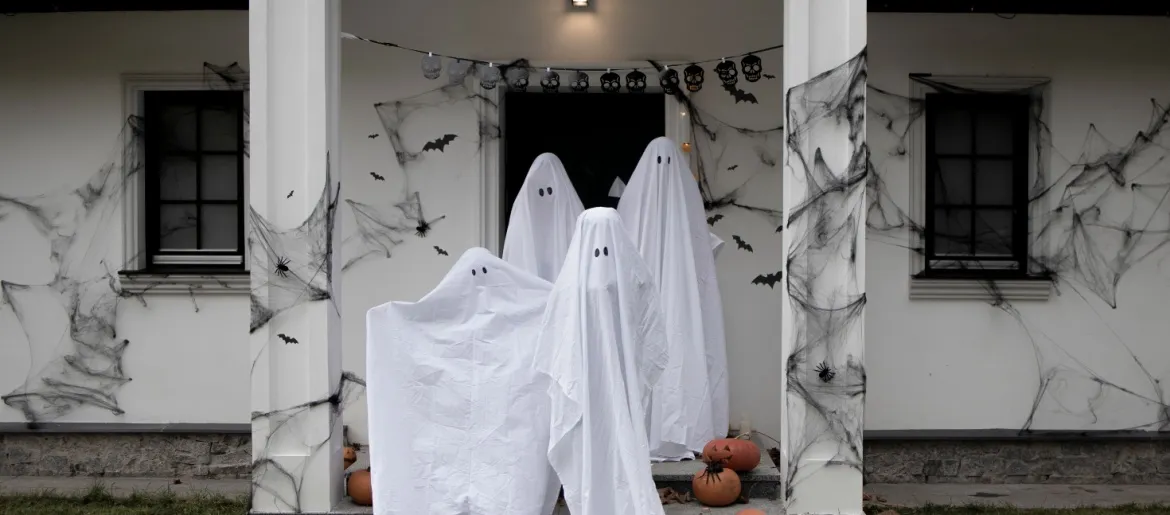
How much does Halloween really cost in 2026? Plan wisely to avoid the scare of hidden costs
Americans’ love for Halloween is almost frightening — this year alone, we are on our way to spending $13.5 billion, according to data from the National Retail Federation(opens in new tab). That breaks down to about $115 Halloween costs per person, a whopping 49% more than 10 years ago.
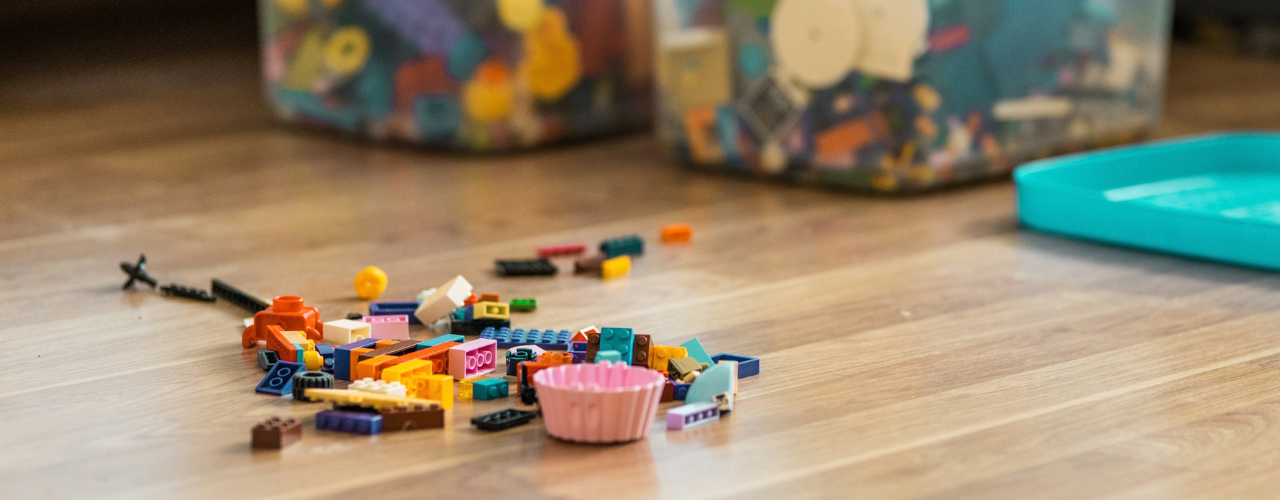
How to Store LEGOs: All the Fun, None of the Clutter
How to store LEGOs largely comes down to how your household uses them. If the bricks are part of everyday play, you need a setup that keeps them within easy reach and makes cleanup quick (for your feet’s sake, at least). Toy storage(opens in new tab) such as simple bins, playmats or containers that children can put away themselves may be enough. Larger or more serious collections usually need more organization, such as labelled drawers for loose pieces, trays for unfinished builds, shelves for completed models and separate storage for retired sets.

Cardboard Costume Guide: Tips and Ideas for a DIY Halloween
Whether for kids or adults, cardboard costume ideas often make the biggest splash once materialized, and that’s for a simple reason: doing a lot with a little is a universally impressive feat (especially in this economy). If you don’t have enough boxes you could temporarily repurpose, don’t worry! There are many places where you can find free moving boxes(opens in new tab), from stores and supermarkets to online groups and recycling drop-off spots. On the run? Try your luck at a self storage(opens in new tab) facility that sells moving supplies, often for cheap. This way, you can choose moving boxes of different shapes and sizes(opens in new tab), so you can make your costumes as complex as you want.

How to Celebrate Halloween: 9 Non-Spooky Ways To Enjoy It
As soon as October starts, it’s the official Halloween month. And while for many people it means it’s open season to get the scare of a lifetime, others, especially families with small children, might prefer to celebrate in a tamer way that’s both kid- and adult-friendly. While you’re likely to find more events where the spook factor is high, here’s how to celebrate Halloween in a not-so-scary way:

Motorcycle Storage Guide: How to Store Your Bike Safely
Motorcycles may be born to be wild, but eventually even the wild ones need somewhere to park. Whether riding season is winding down or your current living situation comes with plenty of square footage for you and less for your bike, motorcycle storage is one of those parts of ownership that doesn’t get as much airtime as the open road.

Halloween Decorating on a Budget (And Cheap Ideas for Everything Elsee)
Halloween has crept a long way from its eerie origins. While All Hallows’ Eve has transformed through the centuries, it wasn’t until the 1930s that trick-or-treating became a tradition in the U.S. and businesses began conjuring up mass-produced Halloween costumes. Now, Halloween is a monster-sized, billion-dollar industry, with a cauldron full of costumes and decorations ranging from the mainstream to the macabre. But is it all really worth your wallet? Maybe, but we’ll let you in on a little secret: You can keep your Halloween decorating on a budget and save on everything else, too. Take this plan and see it through!

Moving From a House to an Apartment: What to Expect, How to Downsize & How Self Storage Helps
For some, moving from a house to an apartment is a financial decision. For others, it’s about simplifying life. Maybe the kids have moved out and half the house sits empty, or you’re approaching retirement and no longer want to spend weekends on repairs. Or perhaps you’ve been weighing the cost of buying a home and wondering whether renting simply makes more sense right now.
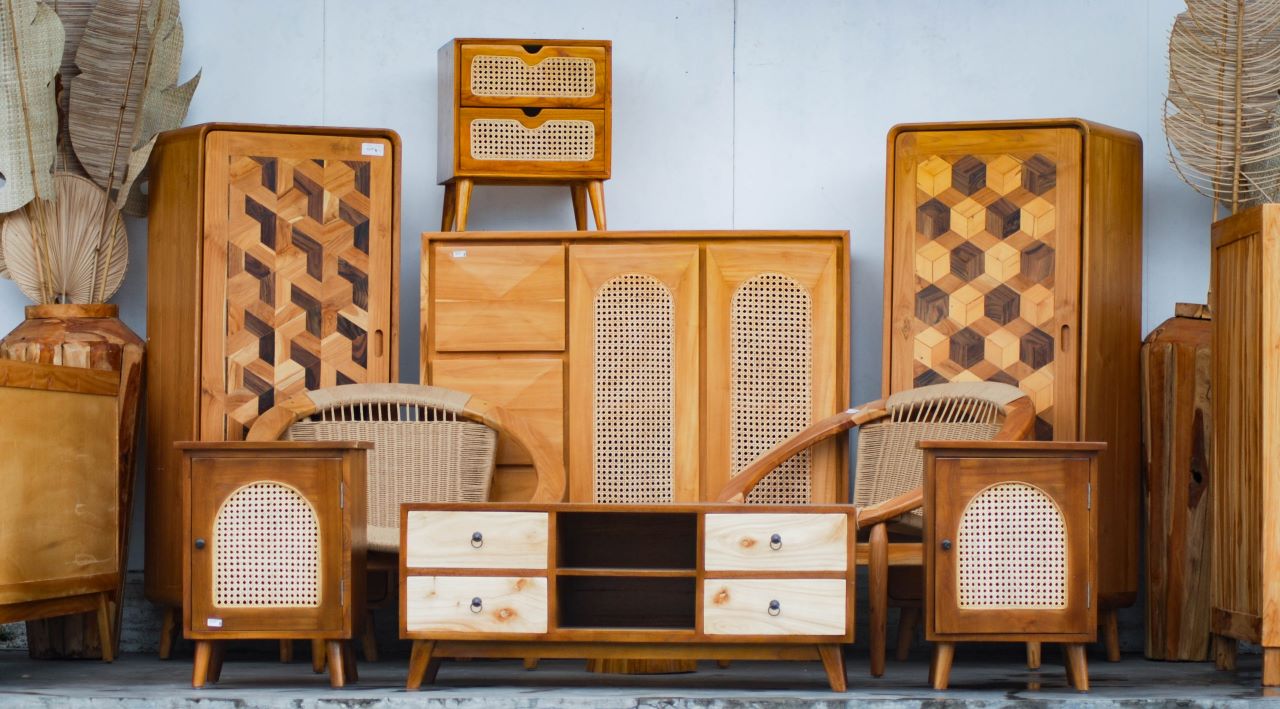
Family Heirlooms Overload: How to Handle Family Inheritance Without Regret
Handling family heirlooms after a loss requires managing legal authority, emotional pressure and practical logistics at the same time, and the order you take them on matters more than most people expect.
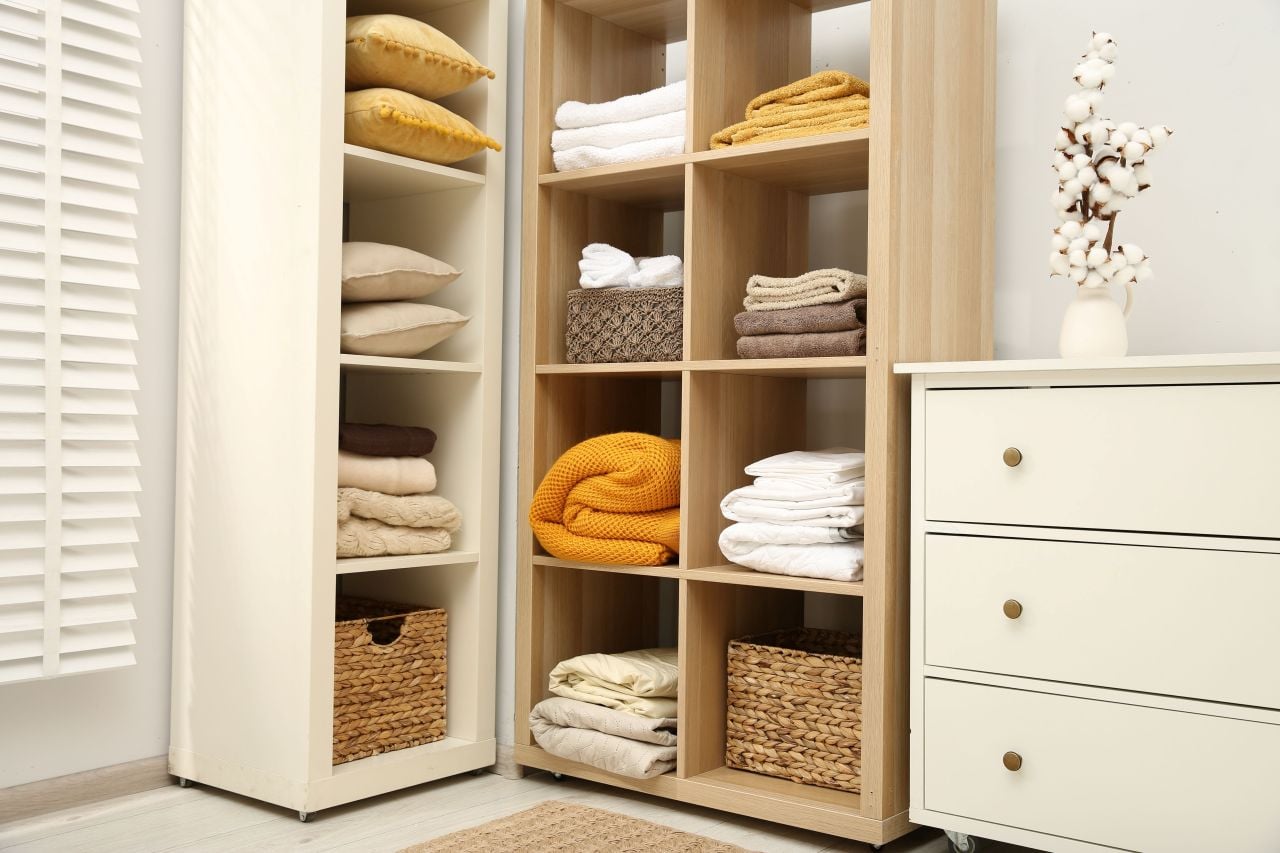
Blanket Storage: The Right Method for Every Space and Season
Blankets make our lives cozier, and storing them well is what keeps them soft and comfortable in the long run. Knowing how to store a blanket properly means your favorites come out of storage smelling fresh, feeling the same as when they went in, and lasting years longer than they otherwise would.