

Key Takeaways
- Sort your items into sell, donate and keep piles before your garage sale
- Check for permits and HOA rules, then pick a Saturday date
- Promote your garage sale online and with bright, simple yard sale signs
- Price most items at 10% to 30% of retail for better yard sale prices
- Research vintage and collectible finds before you price them
- Bring plenty of change and offer digital payments
- Cut prices near closing with fill-a-bag deals
- Donate or list leftovers, then use self storage for what you’re keeping
By 8 a.m. on a Saturday, the coffee’s brewing, the folding tables are out on the driveway and your carefully stored board game collection is waiting to find a new family to argue over Monopoly with. Somewhere down the street, a neighbor is already making the rounds with a five-dollar bill and a trunk ready for bargains. Figuring out how to have a garage sale is what turns the stuff you’ve spent years stepping around into something someone else is hoping to bring home, with a few extra bucks landing in your pocket along the way.
Of course, knowing how to have a successful garage sale takes more than hauling your old belongings onto the lawn and waiting for the neighborhood to show up. Nobody wants to spend their entire day watching the same $20 lamp get picked up and put down for the fifth time.
From setting yard sale prices that get people buying to making sure your signs bring traffic to the right driveway, getting the details right before the weekend can mean fewer boxes to drag back inside and a healthier wad of cash in your pocket.
Before the garage sale, decide what makes the cut
That bread maker you bought during your brief sourdough era might soon fill someone else’s kitchen with the smell of freshly baked bread, while your comic book collection(opens in new tab) could become the superhero of another collector’s bookshelf.
As you work your way through each room, make three piles: sell, donate and keep. Anything with sentimental value can sit this one out, since parting with a family keepsake for a couple of dollars might sting long after the driveway has emptied.

Some old finds deserve a higher price tag
Before sticking a $2 label on that vintage Pyrex bowl, take a peek at what similar pieces have fetched on eBay’s sold listings. Local Facebook Marketplace ads can offer another perspective on what shoppers in your area are willing to spend, though asking prices don’t always reflect completed sales. Old video games(opens in new tab) and vinyl records (opens in new tab)can also fetch a decent sum, depending on their condition and rarity.
LEGO collections(opens in new tab) open up a few possibilities of their own, with complete sets appealing to collectors and loose bricks suitable for selling by weight. If board games(opens in new tab) are joining the sale, count the playing pieces beforehand and mention any missing components on the price label. Jewelry with uncertain origins or antique finds may warrant a professional appraisal, saving you from watching a valuable item leave your driveway for the price of a takeout lunch.
A little TLC goes a long way
Dust off furniture that’s spent the winter in the basement and freshen up clothing before hanging it for display. Mention scratches or missing parts on the label so buyers know what they’re getting before they pay.
For electronics, plug everything in ahead of sale day and see whether it runs as intended. A note explaining its condition can spare you from repeating the same explanation all morning, while an extension cord nearby lets interested buyers try an appliance before committing.
Pick the right day for your garage sale and spread the word
A driveway full of bargains won’t do much good if the neighborhood has no idea you’re hosting a sale. Giving people a reason to stop by starts well before you unfold the first table, and the weekend you choose can have just as much influence on your turnout as the things you’re selling.
Give your garage sale a date with the neighborhood
Saturday mornings are a favorite among seasoned yard sale hunters, many of whom head out early with coffee in hand and a route already mapped out. Friday can be another promising option in communities where weekday sales are common, while a two-day event gives shoppers another chance to browse anything they missed.
Take a look at your town’s community calendar before settling on a date. A neighborhood festival might draw people away from home, whereas a community-wide garage sale could bring bargain hunters from several streets over. Teaming up with nearby households is another way to make the trip more appealing, since shoppers can visit multiple driveways without moving their cars.
Your city may require a garage sale permit or limit how frequently residents can host one. HOA rules can also affect the dates or hours you’re allowed to operate, so sort out those details before announcing anything. An early start can attract dedicated shoppers, although opening at 6 a.m. works when local noise rules allow it.
Let the internet do some of the inviting
A Facebook Marketplace listing can introduce your sale to people who wouldn’t otherwise drive through your neighborhood. Local Facebook groups and Nextdoor are useful places to post as well, along with community classifieds or garage sale directories that serve your area.
Rather than writing miscellaneous household items, mention the children’s furniture or gardening equipment you’re hoping to sell. Include the address, dates and opening hours, then add a handful of photos showing your most interesting finds.
Post the details several days ahead of time and refresh the announcement shortly before the sale, following each platform’s posting rules. If rain forces a change of plans, update your listings so nobody makes a wasted trip.
Yard sale sign ideas that bring shoppers to your driveway
You could have the best bargains in the neighborhood, but only bold, readable signs turn heads from a passing car. Good yard sale signs give drivers enough information to find you without slowing down to decipher a paragraph. A bright background, bold lettering and an unmistakable arrow can do wonders for getting people headed in the right direction.
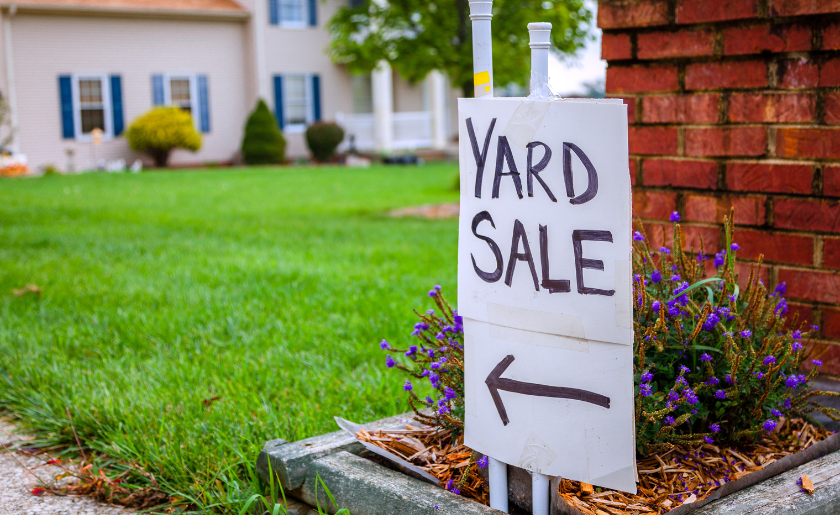
Make your signs impossible to miss
Neon pink or fluorescent orange poster board stands out against the usual roadside scenery, while thick black lettering makes the message readable from farther away.
Using the same color combination on every sign gives drivers a familiar marker to follow from the main road all the way to your street. Draw the arrows separately on sturdy pieces of cardboard if you want to reuse the signs for another sale without making a new batch.
A few other yard sale sign ideas can help your setup catch someone’s eye. Balloons tied near your driveway tell shoppers they’ve arrived, provided you secure them well away from traffic A large sign at the entrance can also display your opening hours, sparing you from explaining to early arrivals that the sale hasn’t started yet.
Where to buy yard sale signs or make your own
Dollar stores and home improvement retailers often carry ready-made signs, sometimes with stakes included. They’re handy when you’re short on preparation time, although you may still need a permanent marker to add your address or an arrow.
If you’re wondering how to make yard sale signs yourself, poster board and a thick marker are enough to get started. Stick to the essentials: YARD SALE, the address and a large directional arrow.
Attach the finished message to a sturdy backing that won’t fold over in the wind, then secure it to a stake or approved display surface. Laminating reusable signs or protecting them with clear plastic can help if the forecast looks gloomy.
Place signs at intersections where drivers need directions, giving preference to streets that lead naturally toward your home. Keep them clear of traffic signs and sightlines and find out what your municipality allows before fastening anything to a utility pole or public fixture. Some communities restrict temporary advertising altogether.
Once the last shopper has driven away, make one final trip around the neighborhood to collect every sign.
How to price garage sale items so they sell
A useful starting point for yard sale prices is around 10% to 30% of an item’s original retail cost, depending on its condition and demand. That range is a guideline rather than a rule, since a nearly new appliance may justify a higher asking price while an ordinary used T-shirt might sell faster for a dollar.
A garage sale pricing guide
To give you a better idea of how to price garage sale items, here are some suggested starting points for common household finds. These estimates are for ordinary secondhand goods, with condition and local demand influencing what buyers will pay.
- Adult clothing ($1-$5 per piece): Basic shirts and jeans tend to sell for less, while coats or recognizable brands can command a few extra dollars
- Children’s clothing ($0.50-$3 per piece): Kids outgrow their wardrobes fast, so low prices and bundle deals can help parents stock up
- Shoes ($3-$10 per pair): Clean pairs with minimal sole wear have a better chance of fetching the higher end of the range
- Paperback books ($0.50-$2 each): Common titles are plentiful at secondhand sales, making bargain pricing your best bet
- Board games ($2-$8 each): Complete games in decent boxes can fetch more than those with missing pieces
- Kitchen utensils ($0.25-$2 each): Individual spatulas or measuring cups rarely bring in much, though matching sets may sell for more
- Small kitchen appliances ($5-$20): Working coffee makers or blenders can attract buyers willing to spend more for a clean, functional machine
- Lamps ($5-$15): Condition and style influence the price, with attractive modern designs often drawing more interest
- Small furniture ($10-$40): Sturdy side tables or chairs can command higher prices when they’re clean and ready to use
- Toys ($1-$10 each): Complete playsets may fetch more, while loose toys sell best at pocket-change prices
These are starting estimates rather than fixed rules, and collectible or premium items may warrant separate pricing.
Make your price tags do some of the talking
Colored dot stickers can save you from writing the same amount 50 times. Assign each color a price, then display a large, readable legend where customers can see it. Furniture and other big-ticket items benefit from their own price tags, so shoppers can see the asking price without having to consult the color chart.
If several households are joining forces for the sale, add the owner’s initials to each sticker and record purchases on a clipboard as they happen. This makes dividing the earnings afterward simpler, even when a shopper negotiates a discount on a bundle belonging to two families.
Skip masking tape on delicate surfaces unless you want to find yourself in a sticky situation when it’s time to peel off the price tags. Tie-on tags are a friendlier option for clothing and furniture finishes.
Leave a little room for the art of haggling
Negotiating is a garage sale tradition. Someone might offer $15 for a chair marked $20, and accepting could save you the trouble of carrying it back inside at sunset. Decide beforehand which prices you’re willing to lower, then give yourself permission to hold firm on anything you believe will attract a buyer at the asking price.
When larger pieces come into play, a simple “firm” or “make an offer” note lets shoppers know how much wiggle room they have on the price.

Set up your garage sale like a neighborhood storefront
Give your merchandise some room to shine instead of cramming everything onto the nearest table and think about how people browse once they arrive. Even the most ordinary household odds and ends can look more inviting with a thoughtful arrangement, while a few eye-catching pieces out front might convince passing drivers to pull over.
Give everything a place of its own
Borrow a few folding tables from friends or neighbors to get smaller merchandise off the ground. Books can sit together in shallow crates with their covers visible, while kitchenware is easier to browse when shoppers aren’t digging through a box of mismatched mugs. Leave enough space between displays for people to move around, including anyone pushing a stroller.
A portable clothing rack can give your old wardrobe a second shot at the spotlight, with shirts and jackets hung by size so shoppers can browse without rummaging through messy piles. Pair up the shoes underneath, leaving enough room for anyone who wants to try them on before buying.
Give your most interesting pieces a spot near the entrance. Display smaller finds at table height and tuck delicate belongings away from busy walkways to spare them an unfortunate encounter with an overenthusiastic bargain hunter.
Keep your personal belongings out of the bargain hunt
With your garage doubling as a neighborhood shop, even the lawn mower tucked in the corner could attract an eager neighbor, so keep your own belongings clearly separate from the sale items. Move anything you’re holding onto well away from the shopping area or cover it with a sheet and attach a large NOT FOR SALE sign.
The same goes for items you’ve already promised to someone. Set them aside rather than leaving them on display and explaining repeatedly that they’re spoken for.
Keep the house off-limits to shoppers, even if someone asks to use the bathroom or wants to see a piece of furniture indoors. If you’re selling something too large to move outside, arrange a supervised viewing rather than inviting strangers to wander through your home.
Have a plan for whatever the weather brings
Saturday’s sunshine might come with an unexpected rain shower, so keep paperbacks and other merchandise dry. Have a canopy ready to shelter your displays, with plastic sheeting on hand in case the clouds decide to crash your garage sale.
Secure anything that might blow away, including lightweight signs and loose price labels.
Prepare as much as you can the evening before, provided the merchandise can stay somewhere secure overnight. Grouping items on tables inside the garage makes the morning setup less hectic, leaving you more time for coffee before the first bargain hunter arrives.
Garage sale tips for keeping the big day running smoothly
By the time the first early bird pulls up, you’ll have enough on your plate without scrambling to break a $20 bill or hunting down someone to help carry a dresser. With the morning rush in full swing, you’ll want to spend less time putting out fires and more time ringing up sales.
Get your money station ready for business
Start the morning with plenty of change, including $1 and $5 bills for smaller purchases. Coins come in handy when someone picks up a paperback for 50 cents, although rounding prices to whole dollars can make transactions simpler.
Rather than leaving a cash box unattended on a table, wear a money apron or belt bag so the day’s earnings stay close to you. Set aside larger bills as they come in, preferably somewhere secure and out of sight.
Digital payments can save a sale when a shopper falls in love with a piece of furniture but doesn’t have enough cash. Venmo and Cash App are familiar options, so consider displaying a payment QR code near your checkout spot. Confirm that the payment has arrived in your own account before handing over the merchandise, since screenshots and payment notifications can be faked.
Recruit a second pair of hands
Ask a friend or family member to join you for the busiest hours, giving you someone to handle purchases while you answer shoppers’ requests.
Having company also means you can take a bathroom break without leaving the merchandise unattended. Keep smaller valuables close to the checkout area and pay attention when several people are browsing at once, since a crowded driveway can provide cover for shoplifting.

Agree on who handles heavy lifting before the sale begin. A note that says whether you help with loading prevents awkward conversations when someone buys a large piece of furniture and expects you to carry it to their vehicle.
Make the browsing experience sweeter
A cooler stocked with cold water can be a welcome sight on a hot morning, and offering refreshments for sale may bring in a few extra dollars. If the kids want to join the fun, a lemonade stand could give them their own little business for the day. Look into local rules before selling homemade food or drinks, since requirements vary.
Keep a stash of grocery bags for smaller purchases and newspaper for wrapping breakables. Those forgotten shopping bags under the kitchen sink might finally earn their place in the household.
As customers begin making purchases, straighten the displays and bring remaining merchandise forward to fill empty spaces.
A table that still looks inviting at noon has a better shot at attracting another browser than one covered in abandoned hangers.
Keep track of what leaves the driveway
It’s easy to lose count of sales when you’re making change and chatting with the neighbors. Jot down larger transactions as they happen, along with any discounts you’ve agreed to, so you have a clearer picture of the day’s earnings.
If several families are participating, use the initials on the price stickers to record each person’s sales. When a customer buys a bundle containing belongings from different households, agree on how to divide the discounted amount before the money disappears into the cash apron.
At the end of the day, count your proceeds somewhere private rather than spreading the cash across a table in full view of the street.
Make the final hours of your garage sale count
By lunchtime, the early rush has settled down, and the driveway might look sparse compared to its morning glory. There’s still money to be made before you start folding up the tables, though, and shoppers arriving later in the day may be more inclined to buy when they spot a deal too good to leave behind.
Let shoppers fill a bag for a few bucks
Toward closing time, turn low-priced items into a fill-a-bag-for-$5 offer. Set out grocery bags and let visitors load them up, keeping anything valuable or fragile out of the promotion. The chance to fill a whole bag can get someone to give those overlooked paperbacks a second look.
Small household odds and ends that haven’t attracted any offers disappear faster when people can take them without reaching for their wallets.
Offer the remaining lot at one price
Rather than packing up several boxes of unsold merchandise, offer the remaining lot at a single discounted price to anyone interested in taking it all.
Be clear about what’s included and agree on the amount before loading begins. This approach works best for ordinary household goods you’ve already decided to part with.
What not to sell at a garage sale
The prospect of clearing out your house and making some extra cash can be enticing enough to put a price sticker on just about anything. Still, a few belongings are better left off the folding tables, either because they pose a safety risk or because selling them could land you in trouble with the law. Before inviting the neighborhood over, make sure your bargain pile doesn’t contain anything that could cause problems for its next owner.
Baby gear and other safety-sensitive items
The stroller your kids have outgrown might still have plenty of neighborhood walks ahead of it, but that old car seat sitting in the garage could be past its expiration date or have damage from a previous crash that makes it unsafe for another child. Unless you can establish the seat’s complete history and confirm that it meets current safety requirements, leave it out of the sale.
Drop-side cribs and inclined infant sleepers are also off the table, as federal rules prohibit their sale in the U.S. The same goes for banned crib bumpers. Never pass along recalled toys or household products without an approved remedy. The Consumer Product Safety Commission’s recall database(opens in new tab) can help you identify affected models before sale day.
When an item’s safety history is unclear, keep it off the tables.
Things that may be better sold elsewhere
Bulky, outdated furniture can sit unsold all weekend, and the same goes for encyclopedias or old textbooks that have little resale appeal unless they’re collectible.
Vintage VHS tapes are another case where doing your homework pays off. Most common releases have limited resale demand, although rare editions can attract collectors online. Rather than pricing an entire box at a dollar apiece, identify anything unusual and consider listing it separately.
Old phones and laptops also require attention before changing hands. Back up anything you want to retain, sign out of your accounts and perform a factory reset that removes personal information. If the device cannot be securely erased, take it to an electronics recycling program instead.
What to do with everything that doesn’t sell at your garage sale
Not everything is destined to sell, no matter how good your display or generous your prices. Perhaps the right buyer never came along, or your taste in vintage rugs turned out to be too niche for the neighborhood. Either way, the unsold goods still have plenty of options, unless you’d rather let the dust bunnies claim them as their own.
Give unsold items another chance elsewhere
Your old dining table might have gone the entire sale without a taker, but its luck could change online, where people can arrange pickup around their schedules. Facebook Marketplace gives furniture, such as that dining table, a better shot, since you can share exact dimensions and close-up photos so buyers can check whether it fits.
Smaller belongings may fare better on platforms catering to specific interests. Clothing from recognizable brands could find buyers on Poshmark, while collectible pieces might be better suited to eBay. Factor in shipping costs and seller fees before listing anything, though, since a $4 sale isn’t a victory if packaging and postage swallow the proceeds.
Let donations take care of the rest
Local thrift stores and charitable organizations may welcome usable household goods, although acceptance policies differ and some locations won’t take large furniture.
Call ahead to find out what they’re currently accepting. Certain charities offer pickup services for bulky donations, which can save you from squeezing an old dresser into the back seat of your car. Arrange a collection close to your garage sale date so the leftovers don’t spend another month occupying the garage.
Damaged belongings need a separate route out. Electronics recycling programs can handle devices that have reached the end of their useful lives, while your municipality may offer special collection days for oversized household waste. Follow local disposal guidelines rather than leaving unwanted items beside donation bins.
Consider self storage for the things you’re keeping
Some belongings survive the garage sale because you still have plans for them. Maybe you’re holding onto a guest bedroom set until your renovation is finished, or the camping equipment(opens in new tab) needs somewhere to stay until next summer. When the garage has become too crowded to park the car, a self storage unit(opens in new tab) can give those belongings room without forcing you to part with them.

Choose the unit size based on what you’re storing and think about how often you need to retrieve items. Shelving can help organize smaller boxes, while leaving a walkway makes it possible to get to the boxes at the back without unloading everything.
Temperature-sensitive belongings may benefit from climate-controlled storage(opens in new tab), depending on your local conditions and the materials involved. Clean and dry everything before packing it away, and use protective covers suited to each item.
Reserve that space for possessions you plan to use again or have a reason to keep. To avoid renting more space than you need, try a self storage size calculator(opens in new tab) to match your belongings with a unit that fits both your plans and your budget.
FAQ
How far in advance should I start planning a garage sale?
Plan on two to three weeks. That gives you time to check permit and HOA rules, sort and clean items, research anything that might be valuable and collect supplies like tables, price stickers and change. Spend the last few days pricing, making signs and posting online. If you’re running a multi-family sale, start closer to a month out so everyone has time to coordinate.
What’s the best time of year to have a garage sale?
Late spring through early fall works in most areas. In warmer climates, fall and winter can work just as well. Check your local forecast and community calendar and pick a backup date in case of rain.
How much money can I realistically make at a garage sale?
Most single-household sales bring in a few hundred dollars, and results vary widely depending on what you’re selling, your pricing and your neighborhood’s foot traffic. Sales with furniture, tools, electronics or other items worth holding onto for future gains(opens in new tab) tend to earn more than sales of clothes and small household items. Keep expectations modest and treat the cleared space as part of the payoff.
Sold, sorted and ready to call it a day
Every successful garage sale comes with its share of surprises, from the oddball purchase that sells within minutes to the cozy armchair that refuses to budge. Somewhere between the early-morning rush and the final markdowns, you’ve turned an ordinary clear-out into a chance to make some money and give your household a fresh start. With these garage sale tips under your belt, your next sale runs even smoother.
Until then, enjoy the proceeds, pocket your profits and enjoy the sweet smell of sale-ebration.



14 Bedroom Organization Ideas for a Clutter-Free Space
Your bedroom is supposed to be this serene, calming space where you wind down. That’s not an easy feat, because, in reality, it also holds clothes, shoes(opens in new tab), bedding(opens in new tab), books and whatever you emptied out of your pockets last night. Our bedroom organization ideas are about making the most of the storage space you already have and deciding what actually belongs inside the room.

Patio Furniture Storage: Where to Keep It, How to Protect It and How Much Space You Need
Proper patio furniture storage determines how your (frankly, pretty expensive) outdoor furniture looks and holds up next spring. A winter of snow, rain, humidity and repeated freezing and thawing can warp frames, rust metal and ruin cushions. How much protection each piece needs depends on what it’s made of, so some can stay outside with the right cover while others, cushions above all, should go somewhere dry. Finding that dry space is the harder part, since a dining set or sectional takes up a lot of room.

How to Winterize Your Home: A Practical Checklist Inside and Out
Winter is hard on a house. Frozen pipes can burst, drafts drive up heating bills and clogged gutters or a worn roof let water in. A little preparation before freezing temperatures arrive helps you avoid most of that damage.
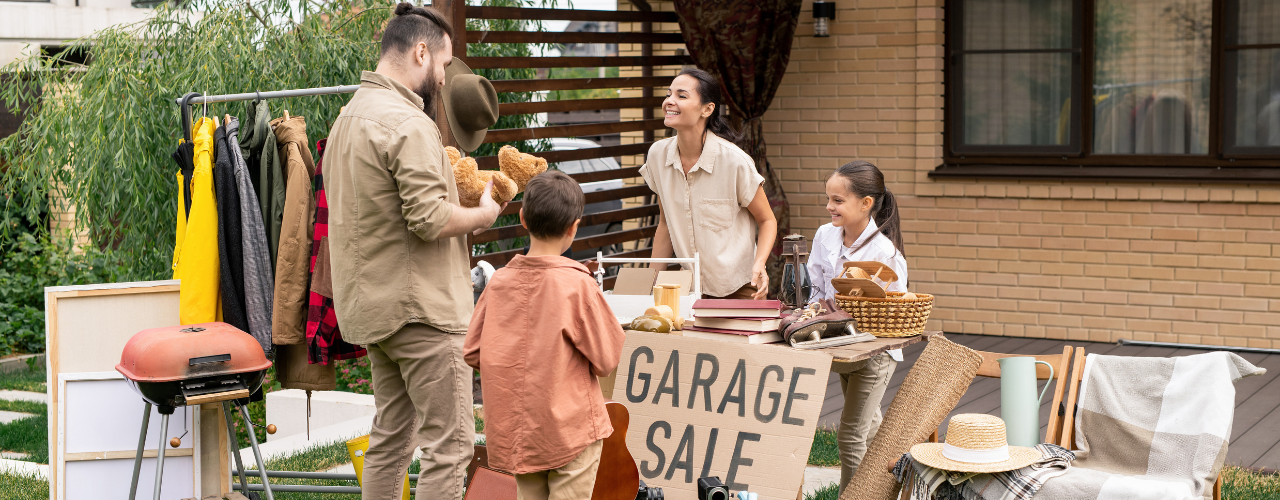
How to Have a Garage Sale That Brings in the Bucks
By 8 a.m. on a Saturday, the coffee’s brewing, the folding tables are out on the driveway and your carefully stored board game collection is waiting to find a new family to argue over Monopoly with. Somewhere down the street, a neighbor is already making the rounds with a five-dollar bill and a trunk ready for bargains. Figuring out how to have a garage sale is what turns the stuff you’ve spent years stepping around into something someone else is hoping to bring home, with a few extra bucks landing in your pocket along the way.

How to Pack Glassware Without Breaking a Sweat (or a Glass)
Crystal decanters and stemware passed down through generations carry reminders of evenings spent at your grandparents’ house, while Thanksgiving dinners live on in the wine glasses raised around a crowded family table. You eventually have to pack away these pieces of family history, whether you’re moving somewhere new or sprucing up your home with a little redecorating. Knowing how to pack glassware extends the life of your pieces beyond those cherished moments and keeps every item intact from the first box to the last.

Best Storage Facilities in NYC, Based on Customer Reviews
Most storage listings in New York City look the same. Reviews are where you find out what you’re getting into: whether the staff will help you, whether the building stays clean and whether your rent stays put once you’ve moved in. So we went through renters’ reviews and picked the three best storage facilities in each NYC borough. Each one gets a score out of 100, and each brand shows up only once per borough. If you’re curious how we scored them, that’s at the end.

Packing Services: Costs, Pros, Cons & Alternatives
Professional packers save time and reduce breakage, but they add a real cost to your move. Whether they’re worth it depends on how much you own, how much protection it needs and how much time you have. This guide covers what packing services cost, when they pay off, when they don’t and the cheaper alternatives worth considering.
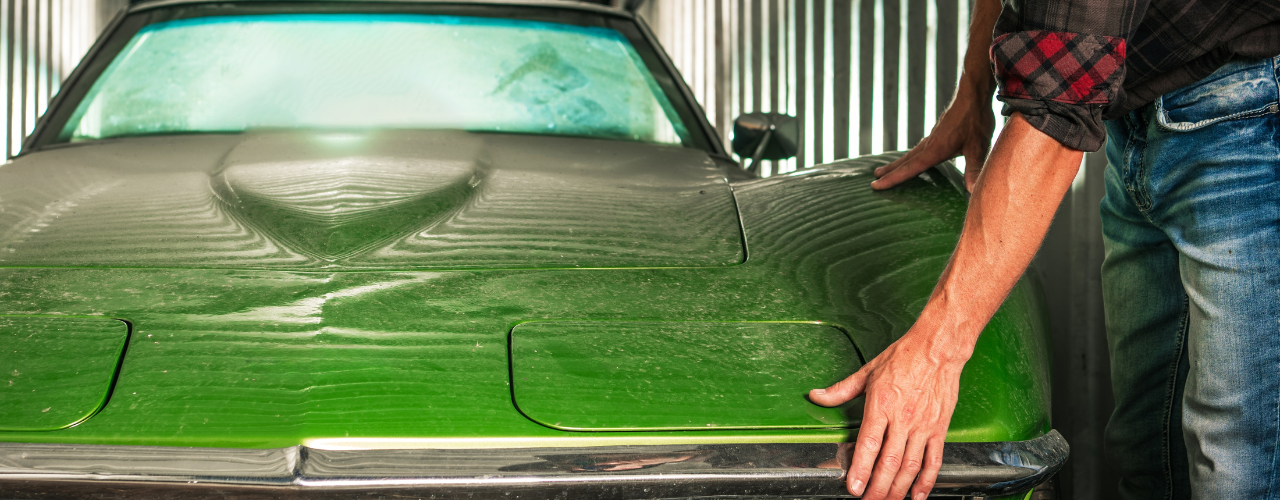
Classic Car Storage: A Guide to Protecting Your Collector Car
Any classic car you see is still there and looking great because people throughout the years knew how to store it well. Those smart decisions kept it from being damaged by moisture, frost and other issues that lead other cars to the auto-graveyard. Now, it’s up to you to carry on the legacy by choosing the right kind of classic car storage(opens in new tab). This guide compares indoor and outdoor options, explains why climate control storage(opens in new tab) is important and shows you how to prepare your car before you store it.(opens in new tab)
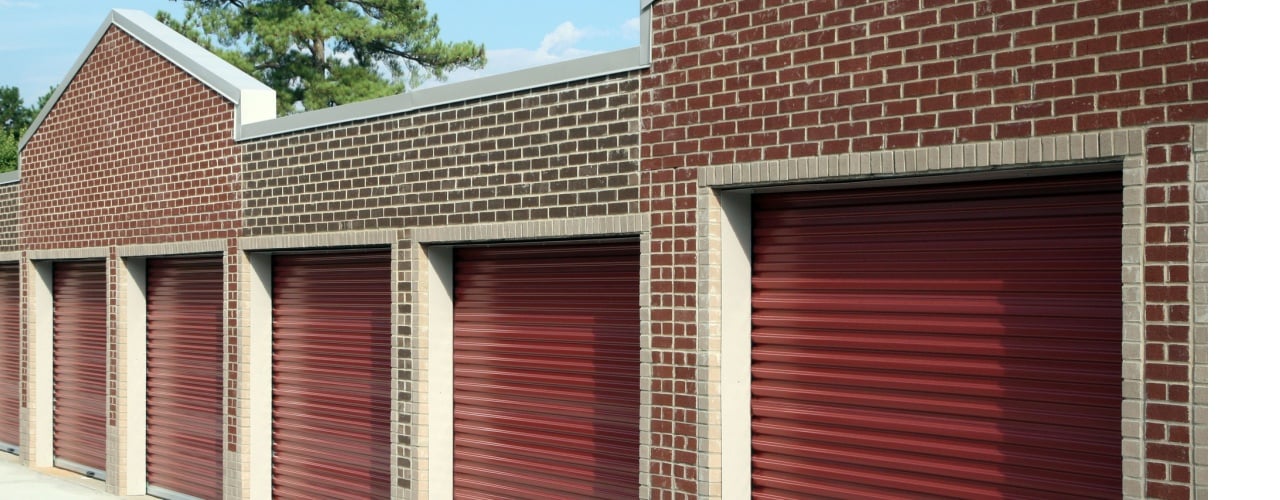
Second Acts With Roll-Up Doors: The Most Unexpected Self Storage Conversions In The U.S.
You probably don’t expect to stash your holiday decorations in a former armory. Or tuck away old photo albums where moviegoers once lined up for popcorn. But across the country, some of the most unexpected buildings are getting a second act — as self storage facilities.