
Patio Furniture Storage: Where to Keep It, How to Protect It and How Much Space You Need

Proper patio furniture storage determines how your (frankly, pretty expensive) outdoor furniture looks and holds up next spring. A winter of snow, rain, humidity and repeated freezing and thawing can warp frames, rust metal and ruin cushions. How much protection each piece needs depends on what it’s made of, so some can stay outside with the right cover while others, cushions above all, should go somewhere dry. Finding that dry space is the harder part, since a dining set or sectional takes up a lot of room.
This guide explains which pieces can stay outside, where to put the ones that can’t, and how much space you need if you rent a storage unit.
Patio furniture storage by material: Can it stay outside all winter?
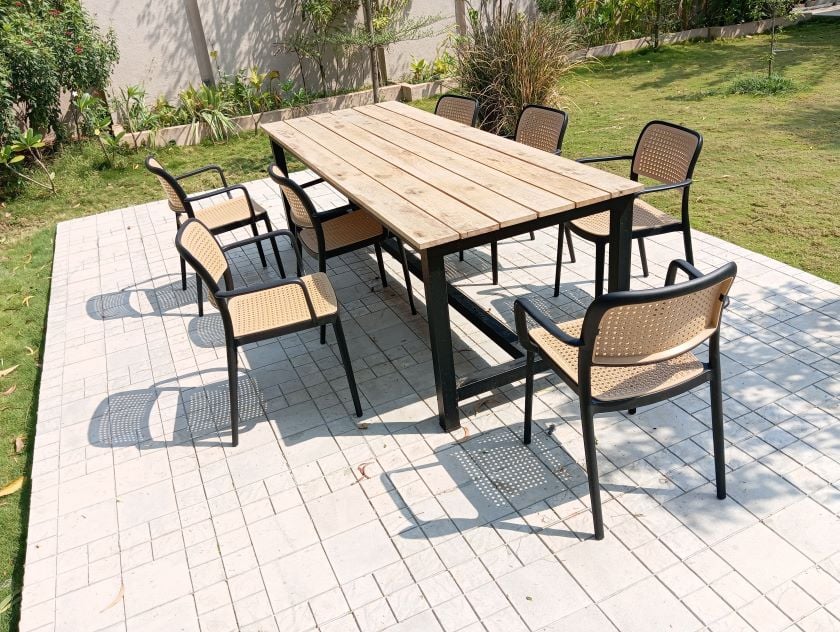
Sometimes it can but it really depends on what your furniture is made of. Here’s how each type or material handles winter and what you are risking if you decide to leave them out in the open.
Wood such as teak is often built for the weather but it will change color over time. Bring it in if you want to keep its original look or the maker recommends it.
Aluminum doesn’t rust, but rainwater can collect inside hollow legs and joints and freeze, which can cause warping damage. Make sure water can drain out.
Steel and wrought iron rely on their paint or coating. Once it chips, the bare metal can rust, so fix chips if you plan on leaving these out.
Natural wicker and rattan (woven from plant fibers) handle wet weather poorly. Keep them indoors unless they sit under a fully covered roof.
Plastic wicker, also called resin wicker, is usually made for outdoor use. The frame underneath may be a different material, though, so find out what yours is and base your storage decision on that.
Plastic lumber is a thick, wood-looking tough plastic. It’s typically made for year-round outdoor use, though some brands still suggest extra steps in the off-season, such as covering them.
Other plastic furniture, like lightweight resin chairs, varies a lot in quality. Cold can make thin or older pieces brittle and prone to cracking.
Glass tabletops hold up fine in weather, but falling branches or heavy snow can break them. Some makers suggest storing the glass separately.
Cushions and fabric seats have the hardest time. Moisture, mildew and sun all wear them down, so indoor storage is nearly always the safer choice.
Where to store patio furniture: The best options compared
Every spot has its own catch. In a garage, the question is whether the furniture fits while you can still park and walk around. A shed needs to be truly dry inside, with a door and floor that work for your biggest pieces.
A basement or spare room works well if the furniture can get through the doors and down the stairs, but a damp basement is a bad place for cushions. An outdoor storage box or bench can be a great home for cushions. Just compare the inside measurements with your cushions and check what protection the maker actually promises. A covered porch helps, but wind can still blow rain and snow in under the roof.
A self storage unit fixes many of these problems: you get to keep your garage space for cars and other items you use regularly during winter, such as shovels and snow blowers, while your furniture is well protected from snow and humidity in a self storage unit.
How to prepare patio furniture for storage
Start by figuring out what each piece is made of and finding its care instructions. Take photos of the assembled set so you can have a reference if you’ll have difficulties assembling it again in spring. Label the screws and bolts as you go.
Clean thoroughly then let everything dry completely, including the cushions, seams and joints. Make any necessary repairs now and give paint or finishes time to dry hard. Finally, pad any spots where pieces touch, and set everything in its planned place.
Check before you try these: machine washing, pressure washing, oiling and sealing. What works for one material can damage another, so confirm each step with the manufacturer instructions first.
Patio cushion storage: How to prevent mold, pests and wasted space
Cushions need the most care, because they’re the easiest thing to ruin with good intentions.
Make sure the whole cushion is dry
A cushion that feels dry on the outside may still be damp inside. Moisture can hang around in the foam or stuffing long after the cover dries. If you’re unsure, wait longer than you think you need to.
Choose a bag, bin, or storage box
Compare your options based on how well they keep moisture out, how easily you can check inside and how well they keep pests out and where they sit. A box on an open deck faces tougher conditions than a lidded bin in a dry closet. And no container can fix damp cushions. If you seal them in wet, the moisture stays trapped with them.
Measure before you buy a storage box
A box’s advertised capacity won’t tell you whether your cushions fit through the lid. Measure your cushions (length, width and thickness), then stack them the way you’ll store them and note the total footprint and height. Look for a box whose inside dimensions beat those numbers by a couple of inches in each direction so loading isn’t a fight. Then check the opening itself: a box that’s roomy inside still won’t take a 24-inch cushion if the lid only opens 20 inches wide. Don’t plan on squashing cushions to make the numbers work, which brings us to the next point.
Don’t crush the foam to make it fit
Vacuum bags can save space, but whether they’re safe depends on what’s inside the cushion. Soft fiberfill, such as polyester fill, is the most forgiving. It springs back well after being compressed, so it’s the best candidate for a vacuum bag. Solid foam is the opposite. Dense polyurethane foam, memory foam and the quick-dry open-cell foam found in many outdoor cushions can crack, flatten, or lose their firmness under heavy compression, and they may never fully recover. Check your cushion maker’s guidance before trying it.
How to protect patio furniture that must stay outside
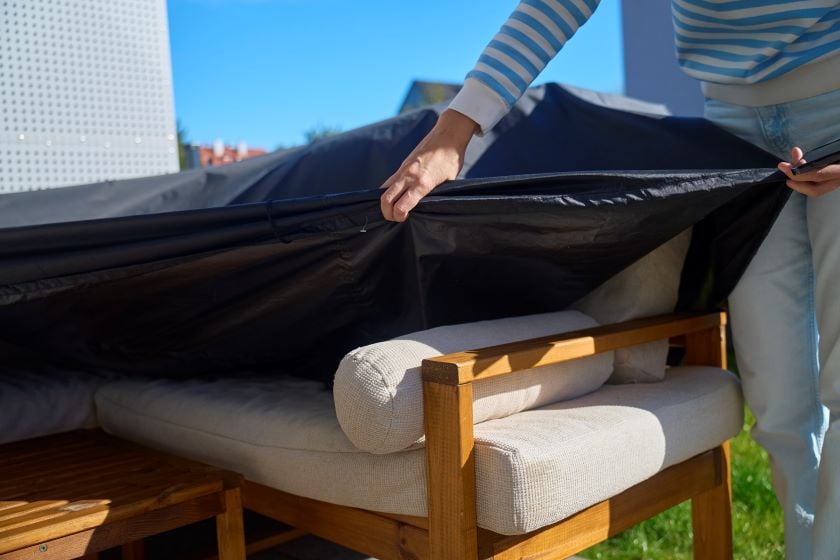
If furniture is staying put, a few habits make a big difference. Measure for covers that fit properly: too small leaves gaps, and too large can flap around and trap moisture. Pick a cover with vents and a secure fastening so it stays on in wind without sealing in damp air.
Don’t let furniture sit in standing water. Water that pools around the legs or feet can seep in, cause rust or rot, and leave stains. If your storage area has low spots or a surface where rain collects, lift the furniture off the ground with risers, pads or blocks so water drains underneath instead of pooling. Use supports made of rot-proof materials like plastic, rubber or treated wood and keep the small drainage holes in legs, feet and joints clear of dirt and debris, since they let trapped water escape. Check on everything after bad weather, not just at the start and end of the season.
Patio furniture storage: What self storage unit size do you need?
One of the best ways to protect your outdoor furniture and the yard and garden tools you use in summer is to rent a self storage unit. It’s important to choose the right unit size: large enough that your belongings aren’t crammed together and damaged, but not so large that you pay for space you don’t need.
Square footage alone won’t answer this. Doorways, table shapes, rigid frames and pieces that can’t stack all affect how things fit. It’s more useful to think about how your set will actually be arranged.
A folding bistro set with cushions is the easy case. Measure the folded table and chairs plus the cushion stack and see how they fit together. Folding sets often pack tightly, so a small, 5×5 or 5×10 unit may be plenty. A dining table with stackable chairs takes more thought. Check whether the legs or extra leaf come off, and how many chairs can safely stack. A round or oval tabletop can waste more floor space than its measurements suggest.
A sectional with a coffee table and accessories is the hardest. Count the sections, find out which can come apart and leave room for cushions, the table and loose items. Pieces that can’t stack often decide the unit size more than total volume does.
For each set, write down its dimensions, how it can be taken apart, the floor space it takes up when stored, how high things can stack and how much walking room you’ll need to move items in and out. The smallest unit that works is the one that holds that arrangement with space to move around. StorageCafe’s storage space calculator can help you identify the perfect size for your needs.
Patio furniture storage FAQs
Can you leave cushions under furniture covers all winter?
It’s risky. Moisture and heat can build up under some covers, and cushions are the most vulnerable part. Check the manufacturer’s advice and look underneath regularly or move the cushions indoors.
Is a deck box good for storing cushions in winter?
It can be, if the cushions are completely dry, they fit through the opening and the box protects well enough for your weather. Check on them from time to time.
Can patio furniture go in an unheated shed?
Often, as long as the shed is dry and the materials can handle cold. Check the care instructions, especially for cushions, glass and brittle plastic.
Can you use a tarp instead of a fitted cover?
A tarp usually fits poorly and can trap moisture or blow loose. A fitted cover with vents is generally better.



14 Bedroom Organization Ideas for a Clutter-Free Space
Your bedroom is supposed to be this serene, calming space where you wind down. That’s not an easy feat, because, in reality, it also holds clothes, shoes(opens in new tab), bedding(opens in new tab), books and whatever you emptied out of your pockets last night. Our bedroom organization ideas are about making the most of the storage space you already have and deciding what actually belongs inside the room.

Patio Furniture Storage: Where to Keep It, How to Protect It and How Much Space You Need
Proper patio furniture storage determines how your (frankly, pretty expensive) outdoor furniture looks and holds up next spring. A winter of snow, rain, humidity and repeated freezing and thawing can warp frames, rust metal and ruin cushions. How much protection each piece needs depends on what it’s made of, so some can stay outside with the right cover while others, cushions above all, should go somewhere dry. Finding that dry space is the harder part, since a dining set or sectional takes up a lot of room.

How to Winterize Your Home: A Practical Checklist Inside and Out
Winter is hard on a house. Frozen pipes can burst, drafts drive up heating bills and clogged gutters or a worn roof let water in. A little preparation before freezing temperatures arrive helps you avoid most of that damage.
How to Have a Garage Sale That Brings in the Bucks
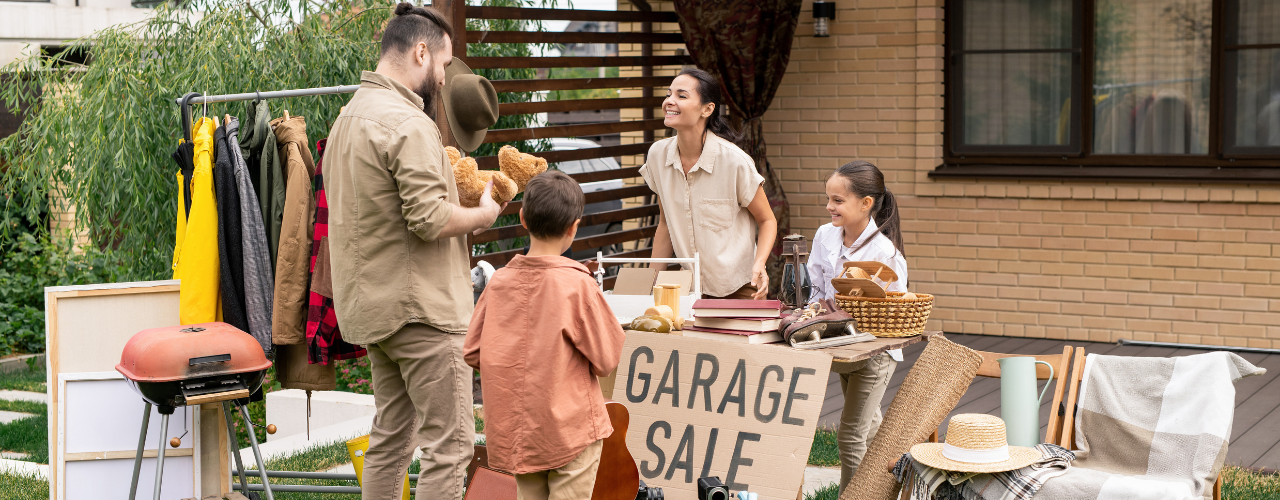
By 8 a.m. on a Saturday, the coffee’s brewing, the folding tables are out on the driveway and your carefully stored board game collection is waiting to find a new family to argue over Monopoly with. Somewhere down the street, a neighbor is already making the rounds with a five-dollar bill and a trunk ready for bargains. Figuring out how to have a garage sale is what turns the stuff you’ve spent years stepping around into something someone else is hoping to bring home, with a few extra bucks landing in your pocket along the way.
How to Pack Glassware Without Breaking a Sweat (or a Glass)
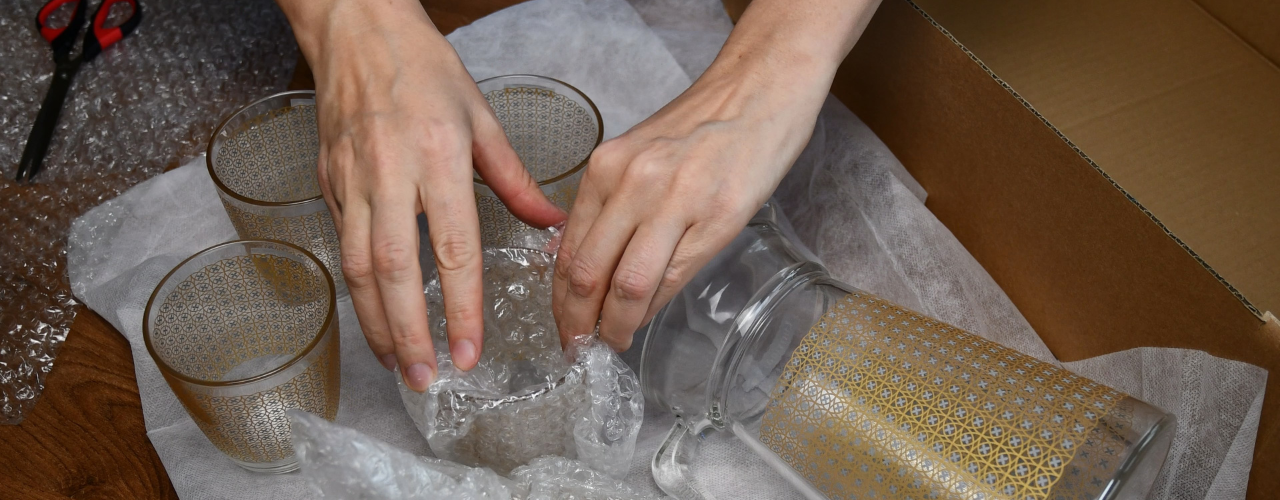
Crystal decanters and stemware passed down through generations carry reminders of evenings spent at your grandparents’ house, while Thanksgiving dinners live on in the wine glasses raised around a crowded family table. You eventually have to pack away these pieces of family history, whether you’re moving somewhere new or sprucing up your home with a little redecorating. Knowing how to pack glassware extends the life of your pieces beyond those cherished moments and keeps every item intact from the first box to the last.

Best Storage Facilities in NYC, Based on Customer Reviews
Most storage listings in New York City look the same. Reviews are where you find out what you’re getting into: whether the staff will help you, whether the building stays clean and whether your rent stays put once you’ve moved in. So we went through renters’ reviews and picked the three best storage facilities in each NYC borough. Each one gets a score out of 100, and each brand shows up only once per borough. If you’re curious how we scored them, that’s at the end.

Packing Services: Costs, Pros, Cons & Alternatives
Professional packers save time and reduce breakage, but they add a real cost to your move. Whether they’re worth it depends on how much you own, how much protection it needs and how much time you have. This guide covers what packing services cost, when they pay off, when they don’t and the cheaper alternatives worth considering.
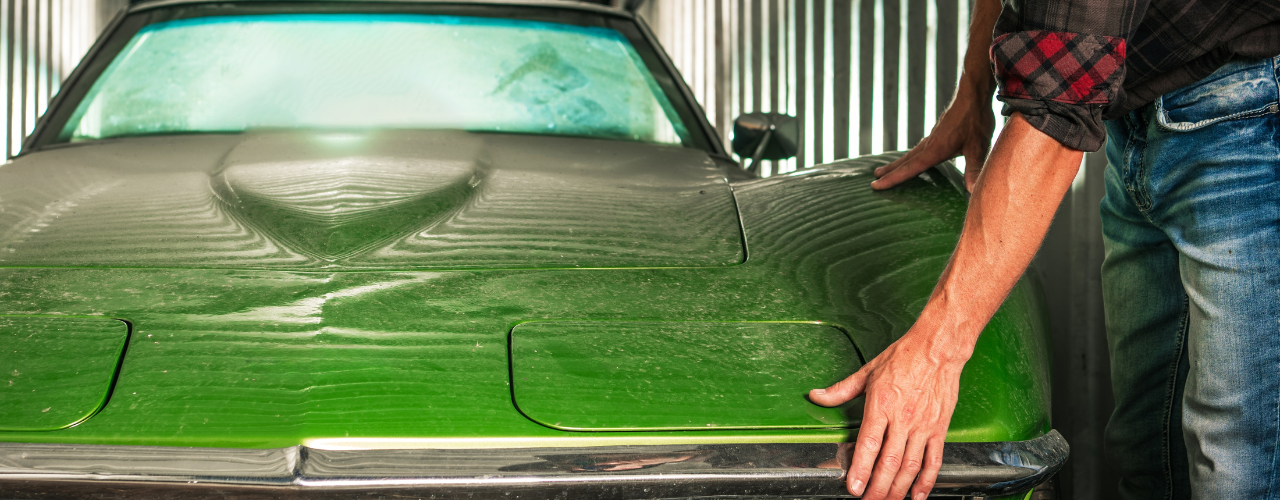
Classic Car Storage: A Guide to Protecting Your Collector Car
Any classic car you see is still there and looking great because people throughout the years knew how to store it well. Those smart decisions kept it from being damaged by moisture, frost and other issues that lead other cars to the auto-graveyard. Now, it’s up to you to carry on the legacy by choosing the right kind of classic car storage(opens in new tab). This guide compares indoor and outdoor options, explains why climate control storage(opens in new tab) is important and shows you how to prepare your car before you store it.(opens in new tab)
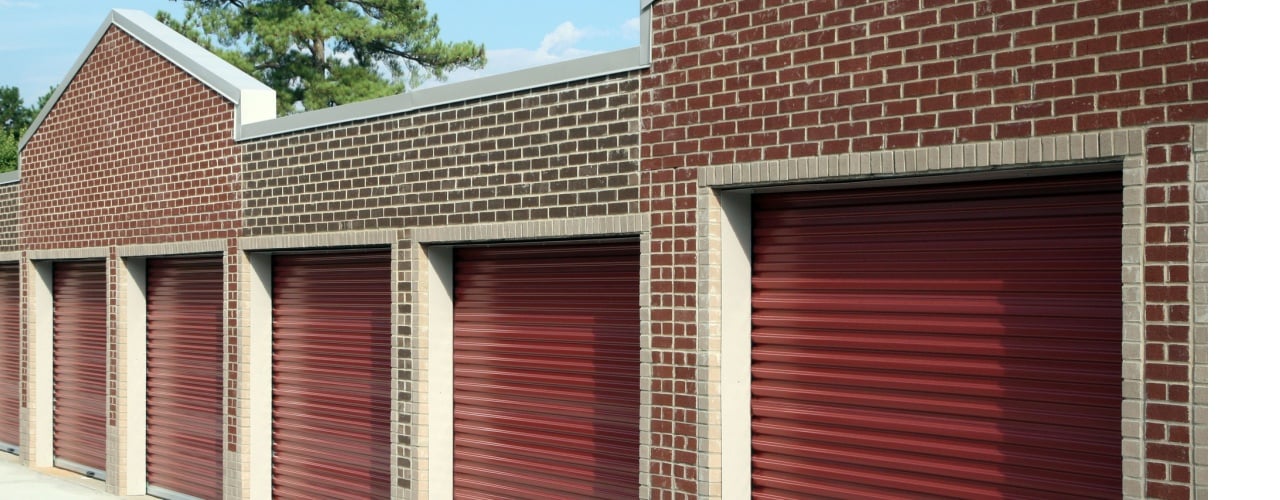
Second Acts With Roll-Up Doors: The Most Unexpected Self Storage Conversions In The U.S.
You probably don’t expect to stash your holiday decorations in a former armory. Or tuck away old photo albums where moviegoers once lined up for popcorn. But across the country, some of the most unexpected buildings are getting a second act — as self storage facilities.