

Your bedroom is supposed to be this serene, calming space where you wind down. That’s not an easy feat, because, in reality, it also holds clothes, shoes(opens in new tab), bedding(opens in new tab), books and whatever you emptied out of your pockets last night. Our bedroom organization ideas are about making the most of the storage space you already have and deciding what actually belongs inside the room.
More baskets and drawers won’t help if they just give clutter new places to pile up.
1. Decide what belongs in your bedroom
Before you reorganize anything or buy a single bin, look at what you actually keep in. Bedrooms usually collect more than clothes: paperwork in dresser drawers, old electronics in the closet, hobby supplies on the shelves and even some mystery storage boxes under the bed.
Sort everything into broad categories, decide which ones really need to be in here, then toss or donate what you no longer use. Be honest about quantity, too. If your drawers barely close or pulling out one shirt means wrestling five others, organizing can only do so much. Decluttering first(opens in new tab) gives the things you use some breathing room.
2. Organize your bedroom closet around what you actually wear
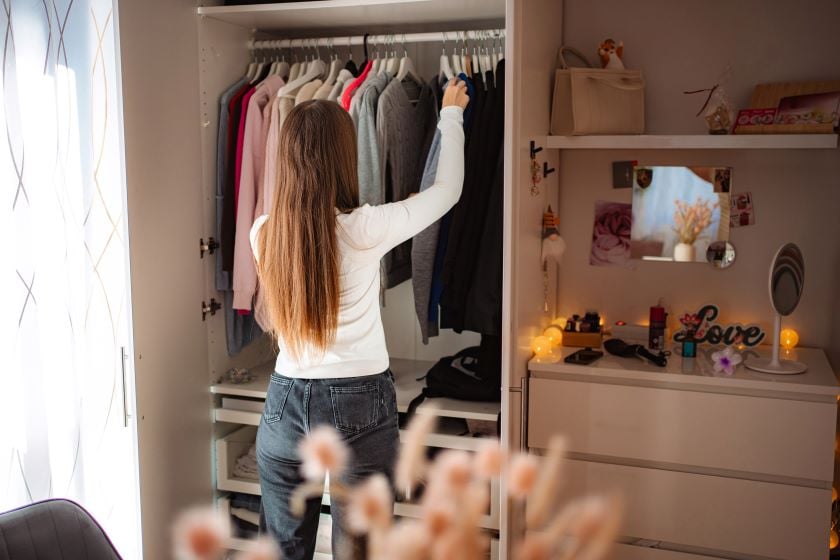
The closet is your bedroom’s hardest-working storage, so start here. Instead of organizing around where things happen to fit, group clothes by type and how often you wear them. Everyday pieces go in the easiest-to-reach spots. Formalwear and special-occasion outfits can go higher up or toward the back.
A few closet organization ideas that pay off:
- Use the empty space under hanging clothes. If you mostly hang shirts and jackets, a second rod, drawers or shoe storage might fit underneath.
- Put bins on upper shelves for occasional items.
- Add shelf dividers so stacks of sweaters and jeans stop collapsing into each other.
Don’t maximize every last inch, though. A closet packed to 100% is hard to use and even harder to keep tidy. A little breathing room beats another organizer that squeezes in ten more items.
3. Make dresser drawers easier to use
Drawers turn into catchalls because you can’t see inside once they’re closed. Give each drawer, or part of a drawer, one job. Underwear and socks together, sleepwear in another spot, workout clothes in their own section. Drawer dividers keep small items from wandering.
Try folding vertically for T-shirts, leggings
and pajamas. Instead of lifting a stack to find what’s at the bottom, you can see nearly everything when you open the drawer.
The same rule applies here as in the closet: don’t overstuff. If putting away laundry feels like a project, the system won’t last.
4. Keep your nightstand from becoming a drop zone
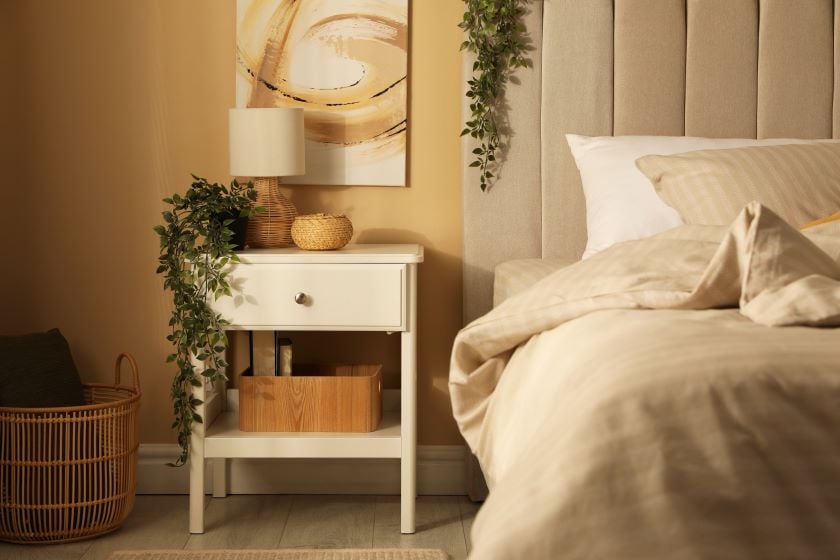
Nightstands are small but they collect a lot: glasses, chargers, books, medication, hair ties, receipts, mugs and whatever was in your pockets.
Keep the top for what you use at bedtime or first thing in the morning. That might be a lamp, a book, your glasses and a glass of water. A small tray corrals loose items so they don’t spread across the surface.
If you need more storage beside the bed, swap the nightstand for a compact, low dresser. It has about the same footprint but adds several drawers. And if most of what’s on your nightstand has nothing to do with sleeping, it belongs somewhere else.
5. Use the space under the bed
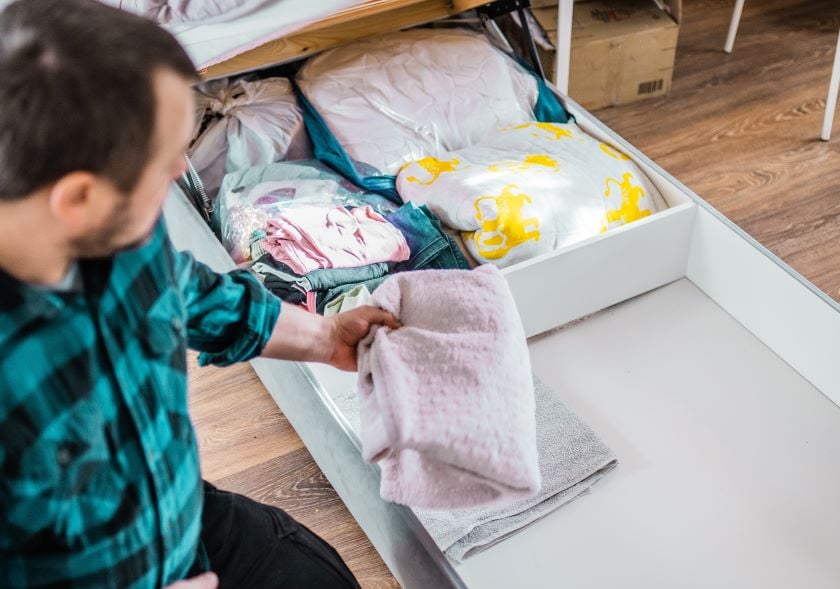
Under-bed storage(opens in new tab) is a lifesaver in bedrooms with limited closet space but save it for things you don’t need every day: seasonal clothing, spare bedding, shoes and occasional accessories. Pick containers that slide out easily without moving furniture.
Don’t use it as a hiding spot for things you can’t decide on. If you haven’t opened an under-bed box in three years and can’t remember what’s in it, you didn’t organize that clutter, you buried it.
One more tip: clothes and bedding should be clean and fully dry before storage, and delicate natural fibers may need breathable containers rather than plastic.
6. Use your walls (but don’t fill every inch)
When floor space is tight, go vertical. Floating shelves, hooks, peg rails and tall bookcases add storage without eating into the room. Shelves above a dresser work well, while hooks on a wall or the back of a door can hold robes, bags and everyday accessories.
Just remember that walls full of stuff look busy. Open storage works best for things that are either nice to look at or used often enough that seeing them helps. Mismatched boxes, spare toiletries and paperwork belong behind closed doors.
7. Designate areas for shoes, bags and accessories
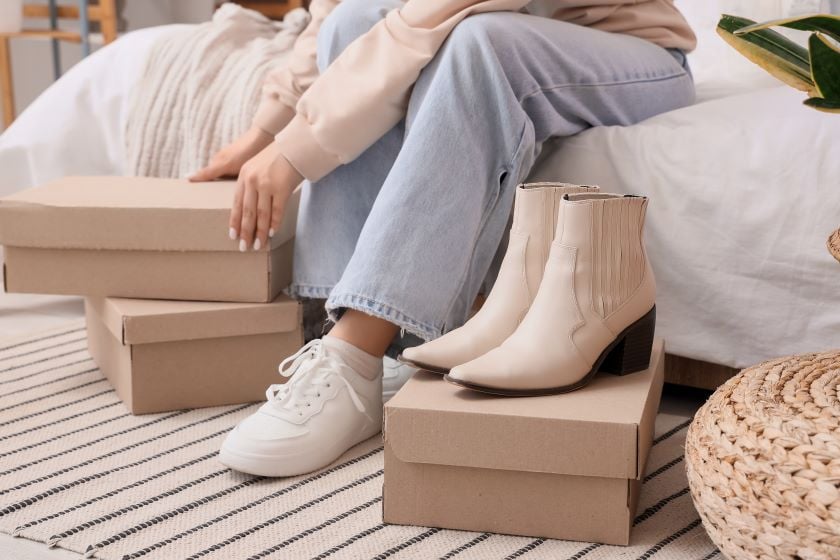
Smaller belongings cause a lot more clutter than they should because they spread around. Shoes pile up along walls, bags land on chairs and jewelry slowly takes over the dresser and the nightstand.
And it’s not just the actual physical space that these small items take up, but also the visual clutter they create, which is about the last thing you would want in a space supposed to be calming and relaxing. That’s why it’s important to designate special areas for small items – and to always return them there:
- Shoes: a low rack in the closet, cubbies or boxes on a shelf
- Bags: upright on a shelf with dividers, or on sturdy hooks
- Jewelry and watches: shallow trays or drawer organizers
The key is picking one place per category. Shoes split between the closet, under the bed and by the door means you’ll never know where to look.
8. Find an alternative to the “clothes chair”
Almost every bedroom has one: the chair or corner for clothes that aren’t clean but aren’t ready for the hamper. Eliminating it isn’t realistic. Jeans, sweaters or shirts worn for two hours can all be worn again.
So give those clothes a spot of their own. A few hooks, a short hanging rail, a valet stand or one dedicated basket will do. You don’t need an elaborate system, just something that keeps worn clothes off the chair, the foot of the bed and the floor.
Do the same for dirty laundry. Put the hamper where clothes actually come off, not where it looks best. If you have to cross the room every time you take off a sock, the system won’t survive.
9. Choose furniture that earns its floor space
When it comes to bedroom organizing ideas, one of the best ideas, especially in a small bedroom, is to buy double-duty furniture, where extra storage is built-in:
- A bed with drawers can replace several freestanding bins.
- A storage bench at the foot of the bed holds spare bedding and gives you a place to sit.
- An ottoman can store blankets.
- A headboard with shelves can replace one or both bedside tables.
You don’t need a hidden compartment in everything. But if two pieces take up the same space, pick the one that also solves a storage problem.
10. Don’t overlook doors, corners and awkward gaps
Small pockets of unused space add up. For example, the back of your bedroom or closet door can hold hooks or a slim organizer; or, the narrow gap beside a wardrobe might fit a vertical shelf. The space above a door can hold a high shelf for things you rarely need – boxes of extra pillow and blankets or luggage. Corners work for a hamper, a small shelving unit, or hooks.
Make sure you’re not overdoing it, though. Not every gap needs to become storage, and leaving some floor and wall space clear is part of what makes a room feel calm instead of crammed.
11. Move things you rarely use out of the bedroom
Sometimes the easiest way to get more bedroom storage is to store less in the bedroom. Extra linens, luggage, out-of-season clothes, old paperwork, sports gear, hobby supplies and sentimental items in boxes can eat up lots of space without ever being touched.
If there’s room elsewhere, move them to a linen closet, hallway storage, basement or attic. Nest suitcases inside each other and pack seasonal items together into labeled containers. Your bedroom should hold what you use in your bedroom, not serve as overflow for the whole house.
12. When you need more space: consider self storage
Sometimes organization isn’t the problem, but the fact that you genuinely have very little space. If you’ve decluttered, moved misplaced items out and made smart use of your closet, drawers and under-bed space, but everything’s still jammed in, you may simply own more than the room can hold.
That doesn’t mean you have to get rid of things you use or love. Winter bedding, off-season outfits, luggage, sports gear, sentimental keepsakes and furniture you plan to use again can all be moved in a self storage unit.
For apartment dwellers especially, a self storage unit works like an overflow closet. You can rotate seasonal and occasional belongings in and out instead of keeping everything in the bedroom year-round. A few things make it work well:
- Store only what you’ll want later. Storage should solve a real lack of space, not postpone decisions about things you no longer want.
- Pack clean and label clearly. Use uniform containers so you can find things fast and stack them neatly.
- Keep a short inventory. A quick list or photo of each box saves you from digging through the whole unit.
- Pick convenience. A unit close to home makes seasonal swaps painless, so you’ll actually do them.
13. Make your bedroom organization easy to maintain
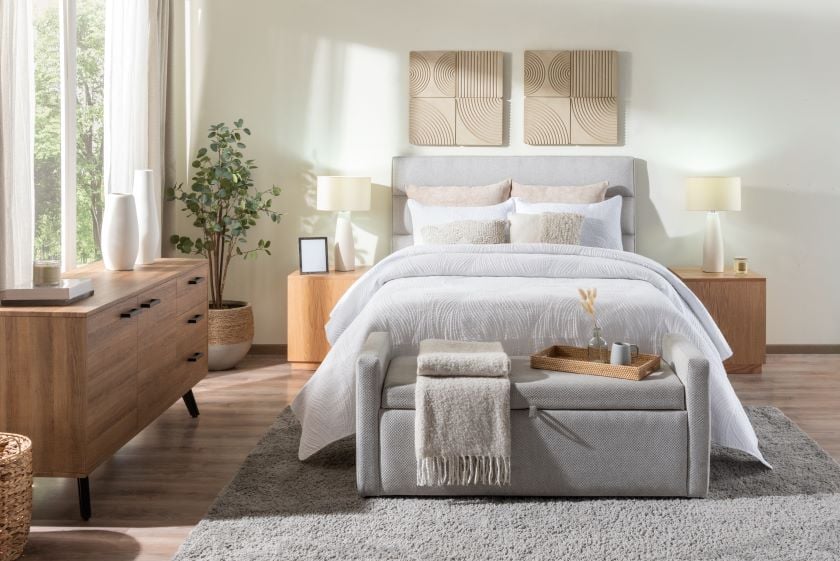
The best bedroom organization ideas are the ones you’ll actually keep up. A big Saturday cleanout looks great for about a week. What keeps the room tidy long term is making it easy to put things away.
So watch the piles that keep coming back. They’re not a sign you’re messy, they’re a sign the system needs a tweak:
- Clothes always land on the chair? Give them a better spot nearby, like a freestanding rack, a storage ottoman or a lidded basket.
- Jewelry piling up on the dresser? Get a tray or drawer organizer so it has a place to land.
- Shoes gathering by the closet? The rack is probably too hard to use. Move it closer or swap it for something easier.
14. Do a quick daily reset
A few minutes at the beginning or the end of the day handles most of the rest. Put clothes where they belong, return stray items to their rightful places, clear the nightstand and keep the floor free of anything that doesn’t need to be there.
Every few months, revisit the crowded categories, especially clothes and shoes. Wardrobes, routines and seasons change, and your system can change with them.
Bedroom organization ideas: FAQs
Where should I start when organizing my bedroom?
Remove anything that doesn’t belong in the room, then declutter the biggest categories, usually clothes and shoes. Organize your closet and dresser before buying new storage products. That way you’ll know whether you actually need more storage.
How do I organize a bedroom with too much stuff?
Separate a storage problem from a volume problem. Declutter first, then move rarely used items out of your most accessible spots. Seasonal clothing, spare bedding and luggage can go under the bed or into other storage in your home. If the room is still overcrowded, you may genuinely need extra space, such as a self storage unit.
How can I organize a small bedroom?
Use vertical and hidden space before adding furniture. Under-bed storage, tall furniture, wall shelves, hooks and furniture with built-in storage add capacity without eating floor space. Decluttering your belongings and using closed storage (dressers, closet) helps a small room feel less crowded.
How do you organize a bedroom without a closet?
Use dressers for folded clothes and a wardrobe fitted with a garment rack for hanging space. Put shoes or bins under the garment rack and save under-bed storage for seasonal items.
How can I make my bedroom look less cluttered?
Start with what you can see. Clear the floor, nightstands and dresser top, contain loose items with trays or bins and cut back on open-shelf displays. Leaving a little empty space between objects makes even a small bedroom feel calmer.


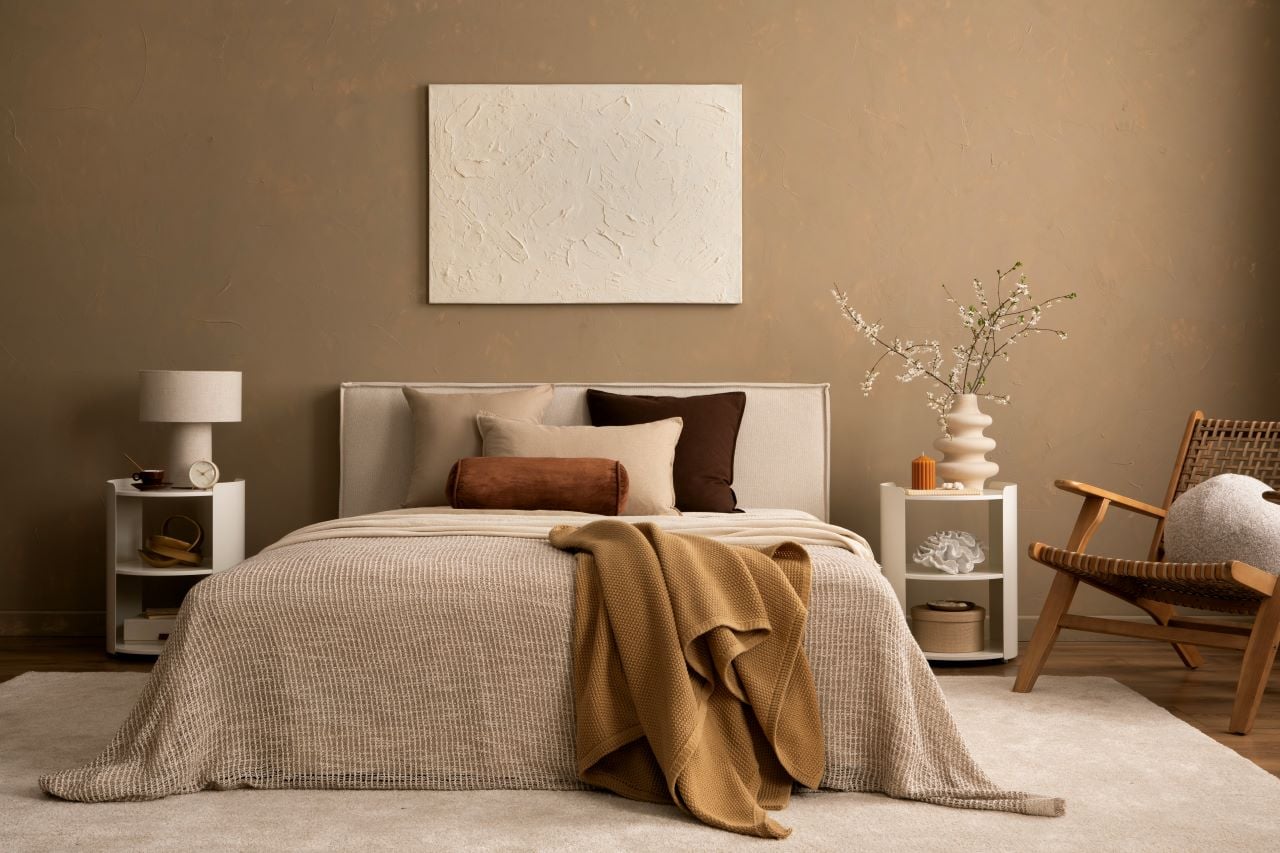
14 Bedroom Organization Ideas for a Clutter-Free Space
Your bedroom is supposed to be this serene, calming space where you wind down. That’s not an easy feat, because, in reality, it also holds clothes, shoes(opens in new tab), bedding(opens in new tab), books and whatever you emptied out of your pockets last night. Our bedroom organization ideas are about making the most of the storage space you already have and deciding what actually belongs inside the room.
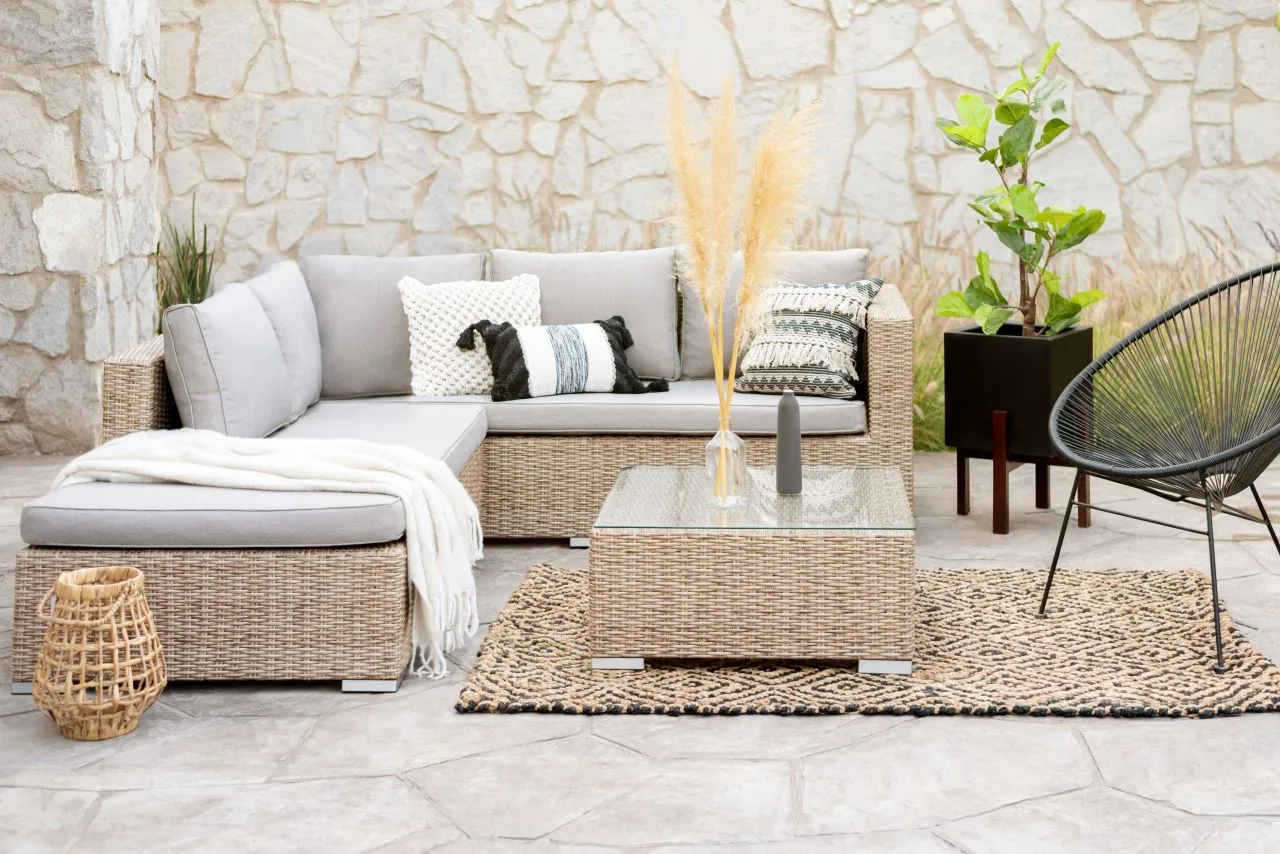
Patio Furniture Storage: Where to Keep It, How to Protect It and How Much Space You Need
Proper patio furniture storage determines how your (frankly, pretty expensive) outdoor furniture looks and holds up next spring. A winter of snow, rain, humidity and repeated freezing and thawing can warp frames, rust metal and ruin cushions. How much protection each piece needs depends on what it’s made of, so some can stay outside with the right cover while others, cushions above all, should go somewhere dry. Finding that dry space is the harder part, since a dining set or sectional takes up a lot of room.
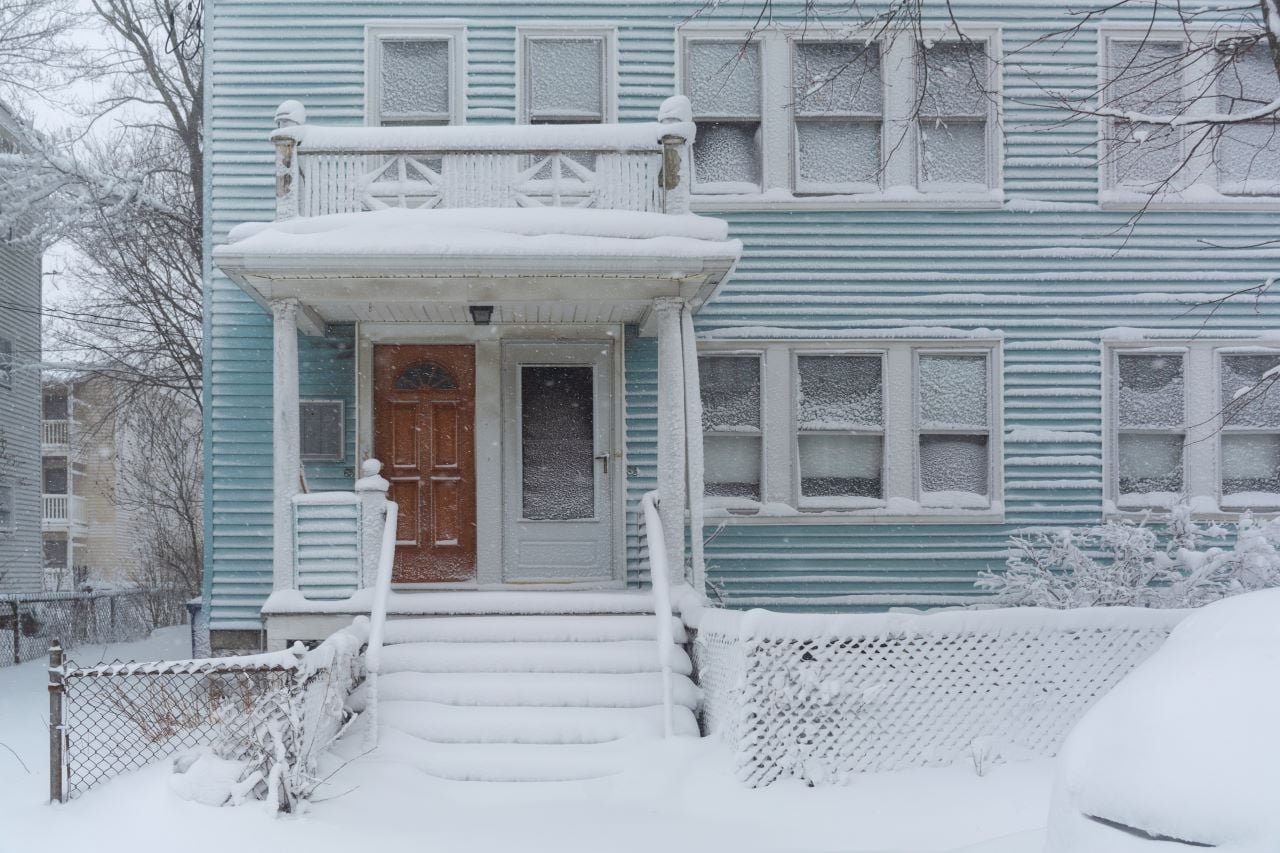
How to Winterize Your Home: A Practical Checklist Inside and Out
Winter is hard on a house. Frozen pipes can burst, drafts drive up heating bills and clogged gutters or a worn roof let water in. A little preparation before freezing temperatures arrive helps you avoid most of that damage.
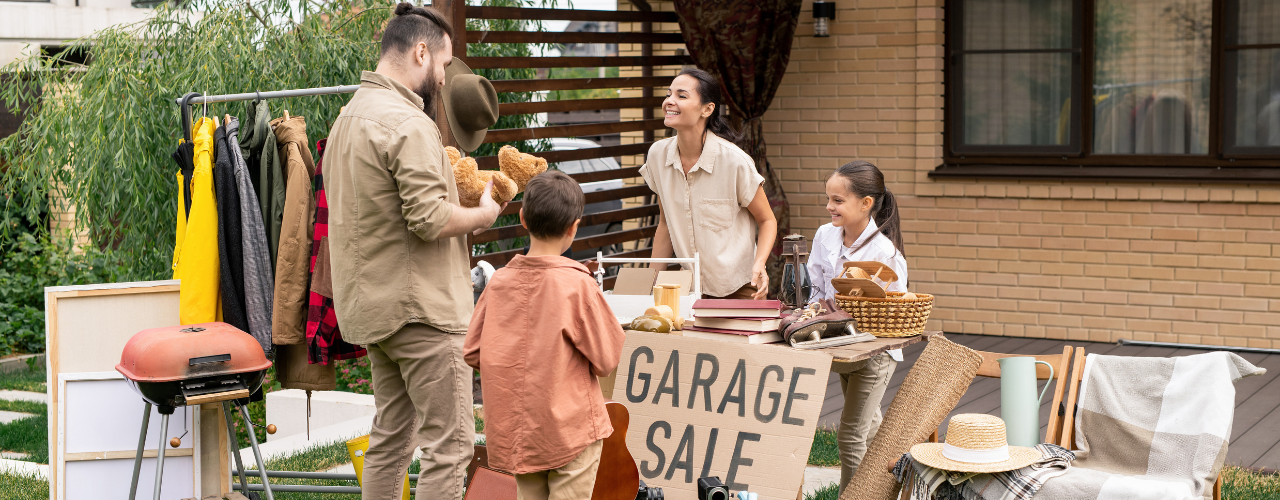
How to Have a Garage Sale That Brings in the Bucks
By 8 a.m. on a Saturday, the coffee’s brewing, the folding tables are out on the driveway and your carefully stored board game collection is waiting to find a new family to argue over Monopoly with. Somewhere down the street, a neighbor is already making the rounds with a five-dollar bill and a trunk ready for bargains. Figuring out how to have a garage sale is what turns the stuff you’ve spent years stepping around into something someone else is hoping to bring home, with a few extra bucks landing in your pocket along the way.
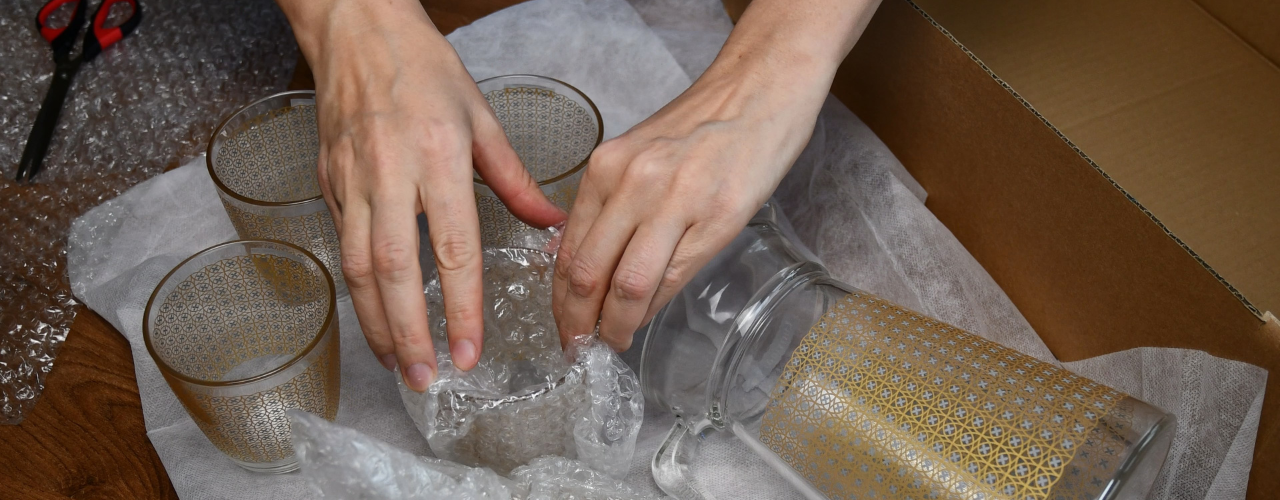
How to Pack Glassware Without Breaking a Sweat (or a Glass)
Crystal decanters and stemware passed down through generations carry reminders of evenings spent at your grandparents’ house, while Thanksgiving dinners live on in the wine glasses raised around a crowded family table. You eventually have to pack away these pieces of family history, whether you’re moving somewhere new or sprucing up your home with a little redecorating. Knowing how to pack glassware extends the life of your pieces beyond those cherished moments and keeps every item intact from the first box to the last.

Best Storage Facilities in NYC, Based on Customer Reviews
Most storage listings in New York City look the same. Reviews are where you find out what you’re getting into: whether the staff will help you, whether the building stays clean and whether your rent stays put once you’ve moved in. So we went through renters’ reviews and picked the three best storage facilities in each NYC borough. Each one gets a score out of 100, and each brand shows up only once per borough. If you’re curious how we scored them, that’s at the end.
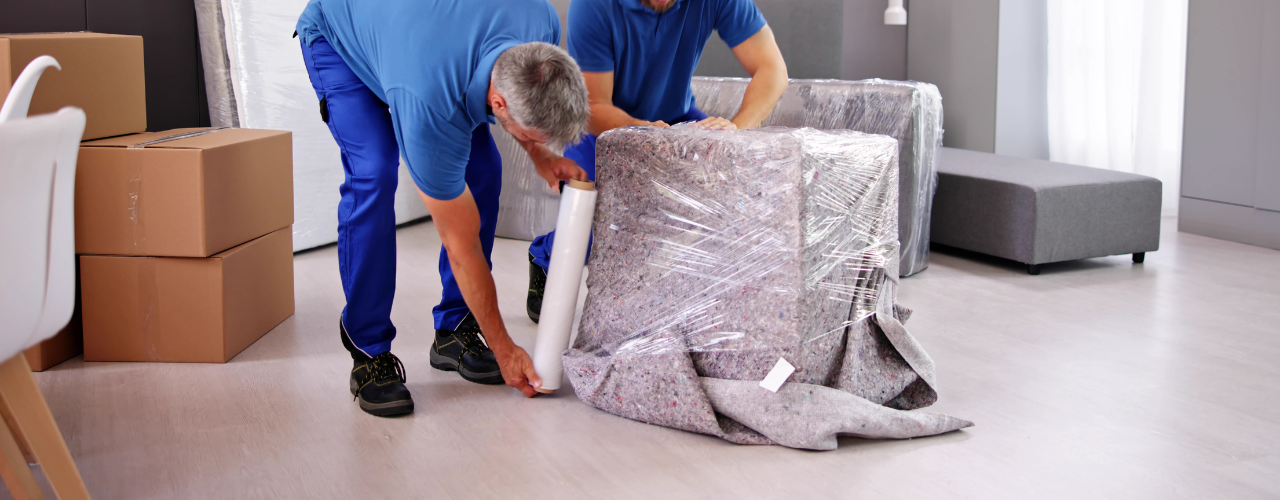
Packing Services: Costs, Pros, Cons & Alternatives
Professional packers save time and reduce breakage, but they add a real cost to your move. Whether they’re worth it depends on how much you own, how much protection it needs and how much time you have. This guide covers what packing services cost, when they pay off, when they don’t and the cheaper alternatives worth considering.

Classic Car Storage: A Guide to Protecting Your Collector Car
Any classic car you see is still there and looking great because people throughout the years knew how to store it well. Those smart decisions kept it from being damaged by moisture, frost and other issues that lead other cars to the auto-graveyard. Now, it’s up to you to carry on the legacy by choosing the right kind of classic car storage(opens in new tab). This guide compares indoor and outdoor options, explains why climate control storage(opens in new tab) is important and shows you how to prepare your car before you store it.(opens in new tab)
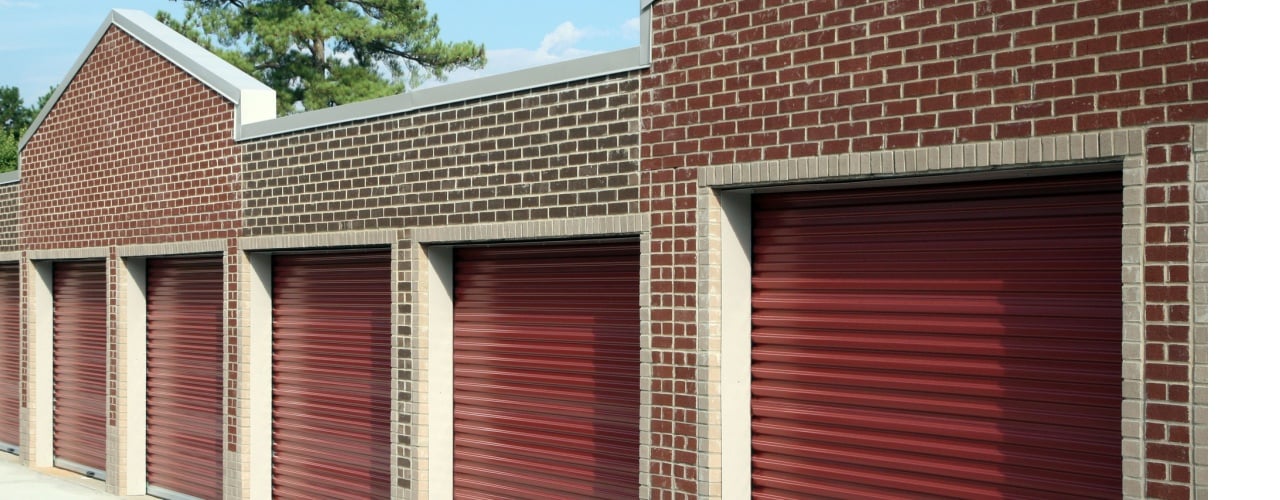
Second Acts With Roll-Up Doors: The Most Unexpected Self Storage Conversions In The U.S.
You probably don’t expect to stash your holiday decorations in a former armory. Or tuck away old photo albums where moviegoers once lined up for popcorn. But across the country, some of the most unexpected buildings are getting a second act — as self storage facilities.