

Self storage is an affordable, user-friendly service. Whether you need a storage unit while moving or remodeling, or you decide to rent one long-term to keep some of your belongings, you’re going to want to get insurance for your stored goods.
So where do you get storage insurance, and how much coverage do you need? We’ve got you. Here’s what you need to know about self storage insurance:
1. Most self storage facilities require that renters have insurance
Most self storage facilities make insurance mandatory for their customers. This rule benefits both customers and facilities––Facilities take precautions to ensure your things are well protected, using security cameras, controlled access, and making sure the units are clean and pest-free. However, there’s always the possibility that unexpected and unwanted events can occur, so it’s better to be fully covered.

Self storage facilities do have insurance policies that cover their liability. If they’re negligent and that causes damages to your belongings, they use their insurance to compensate you. However, this type of insurance doesn’t cover for dangers unrelated to facility upkeep, such as natural disasters.
For that, you need a separate insurance policy covering your stored goods. Make sure you get one that covers risks such as floods, storms, fire, earthquake, but also moth and vermin damage. Read your insurance policy carefully and follow all of the requirements. If the policy says to store your things in waterproof containers, and you disregard that requirement, your insurance could be invalidated.
2. Your existing homeowner or renter insurance might cover for the stored goods
You might not have to purchase a separate policy if you plan to keep your goods in storage. Homeowner or renter policies typically cover for off-premises personal property. However, you should read your policy carefully to determine which risks are covered.
Some policies provide coverage for your belongings while moving and while in temporary storage, but there’s a time limit for benefiting of that coverage–usually no longer than one month.
Other policies don’t have a time limit, but instead have a maximum amount of money the insurance company will pay for your losses. Usually, the cap for belongings kept outside the home will total about 10% of the policy’s dwelling coverage. In other words, if you have $50,000 in personal property coverage for belongings kept at home, the maximum coverage for the goods in a storage unit will be $5,000.
Read your existing homeowner or renter policy to determine whether it covers off-premises property, what risks you’re protected from, and your maximum coverage limit. Contact your insurance company if you need help understanding the details of your policy.
3. You can purchase an insurance policy tailored to your unit
If your existing insurance policy doesn’t cover belongings in a storage unit, you can purchase a separate one. There are plenty of companies that offer standalone self storage insurance policies.

It’s important to purchase a policy that covers for a wide variety of risks, including natural disasters, fire and explosion, falling trees or poles, collision by vehicles, water damage from leaking water, theft and vandalism, etc. Also, it’s important to pay attention to the possessions covered in a potential policy. Most policies cover electronics, furniture appliances, machinery, collections, sport equipment, but won’t cover for currency, for example.
4. Storage companies provide their own insurance
Storage companies usually offer their own insurance policies when renting a self storage unit. That’s a good option, especially if you don’t want to waste time shopping around for offers. A great advantage of these policies is that you don’t have to worry about renewing them – the facility will make sure you’re up to date with your insurance.
Ask the facility manager to explain their insurance policies. You’ll want to know the risks and the possessions that are covered, to make sure it suits your needs. If you’re not happy with the terms, you can keep looking for a better one with an outside source. But make sure you settle on a policy before you begin storing your things—it’s essential to have an insurance policy in place as soon as you begin using your unit.
5. The insurance policy should cover the actual value of your belongings
Evaluate your stored belongings properly and get an insurance policy that covers for their actual value. If you’re planning to store high value property, such as jewelry, art, antiques or collections, it’s a good idea to have them insured separately. The standard self storage insurance policy doesn’t have a coverage limit that would compensate for such expensive items.
The best course of action is to take your valuable items to be appraised by professionals, and then shop around for a suitable insurance policy to match. If you’re going to store personal or business vehicles—cars, motorbikes, etc.—in your unit, double check if your existing car insurance or commercial vehicle insurance covers them.
Do you have any other questions about self storage insurance? Let us know in the comments!



Scary Good DIY Halloween Decorations That Won’t Haunt Your Wallet
A few floating candles in the hallway, a family of ghosts by the front door and a suspicious number of bats climbing up the bedroom wall can make October feel a whole lot spookier. While Halloween stores are full of tempting finds, some of the best DIY Halloween decorations can come from things you already have tucked away in drawers, closets or the recycling bin.
Suburban Giants and Urban Risers: Where America’s 100 Largest Metros Fall on the Self Storage Map
Self storage has long been a suburban story. Across America largest 100 metros, 59% of the inventory built over the past decade sits outside city cores, largely preserving the ratio of the total existing inventory.
Sweatshirt Storage Ideas Worth Keeping Up Your Sleeve
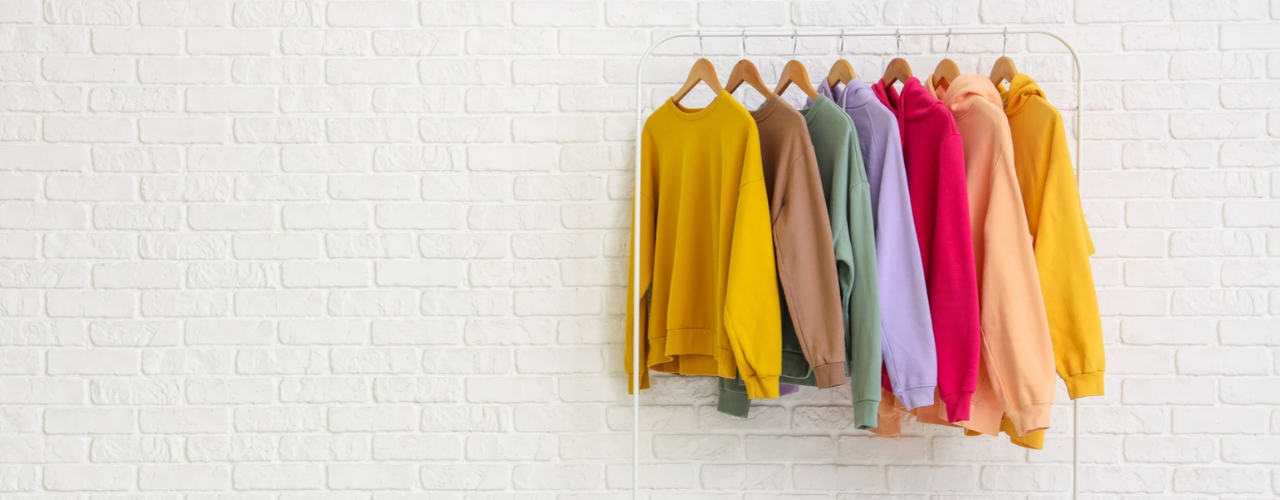
Sweatshirts are great until you realize how much room they take up. A few thick hoodies can fill a drawer fast, with lighter crewnecks getting squashed underneath or pushed somewhere you forget about. Good sweatshirt storage can make that pile much easier to manage without requiring a bigger closet.

Living Room Storage Ideas: 28 Ways to Reclaim Your Hosting Space
If a living room is where most of a household’s living happens, good storage should be the top priority for setting up or revamping the place. After all, think of how easier it would be to have people over when tidying up the place is just a matter of putting things in their right place (in a time when fewer and fewer people are entertaining friends at home(opens in new tab)). The trick is making room for all those wayward clothes, blankets, chargers and other small things that end up on (or, inexplicably, in) the sofa. Here are 28 living room storage ideas to get you started and make tidying up a quick affair.
25 Mudroom Storage Ideas (And Mistakes to Avoid)
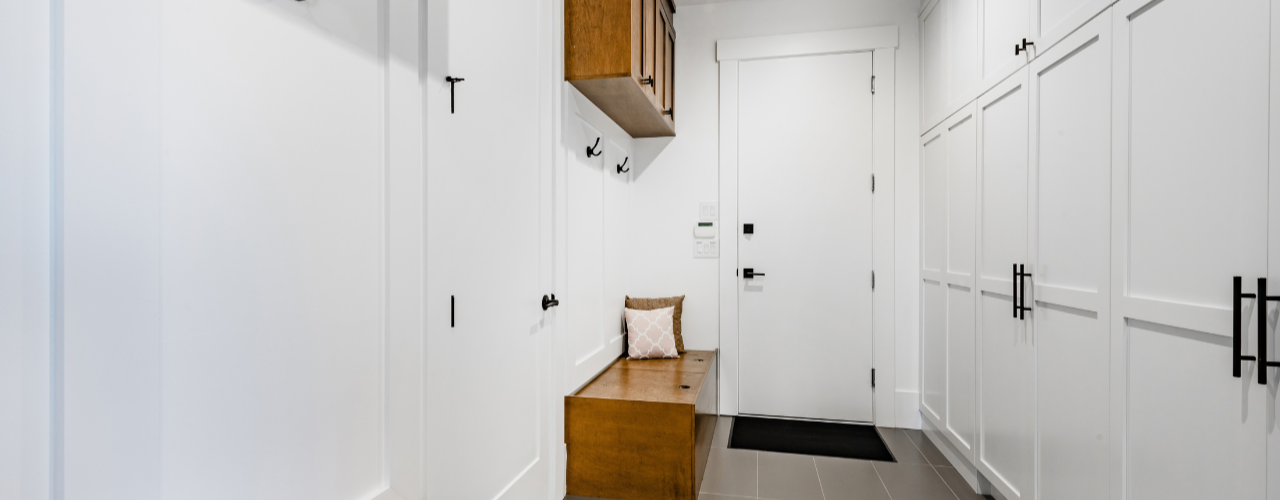
When you come home with muddy boots, an armful of bags and a coat you can’t wait to take off, it’s nice to have somewhere to put it all. With a mudroom, you can leave the outdoor mess at the door instead of carrying it through the house. Traditionally, you’d set aside a separate room, but you can just as easily use a hallway, an entryway closet, a laundry-room corner or a stretch of wall near the entrance.

Is Your Home Office Worth the Rent? What Coworking and Self Storage Could Save You
Every square foot of your apartment comes with a price tag, and a home office claims more of them than most renters expect. It starts with a desk. Then come the second monitor, the printer, the filing cabinet and the overflow boxes. Before long, the corner you set aside for work has turned into a small room you are paying for every month.

Best U.S. Cities to Live Uncluttered: Plano, TX, Offers the Most Room to Breathe
Clutter is in our homes as much as in our heads. Both are shaped by where we live.

America’s Top Snowbird Destinations for 2026–2027: Florida Leads in Numbers, Texas Wins on Value
For Americans living in colder states, the approach of winter is reason enough to start looking south. Cold weather carries costs that go beyond the heating bill and shoveling snow. Seasonal affective disorder(opens in new tab) is far more prevalent in northern states, so a temporary move south isn’t simply an escape from the cold, but a chance to spend the hardest stretch of winter outdoors and in the sun.
How Much Does Halloween Really Cost in 2026? Plan Wisely to Avoid the Scare of Hidden Costs
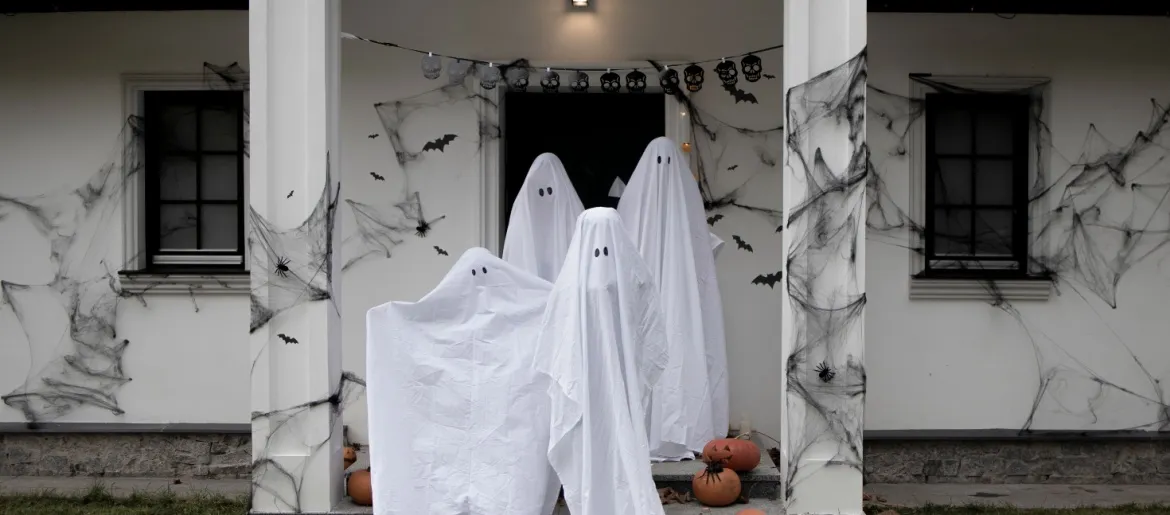
Americans’ love for Halloween is almost frightening — this year alone, we are on our way to spending $13.5 billion, according to data from the National Retail Federation(opens in new tab). That breaks down to about $115 Halloween costs per person, a whopping 49% more than 10 years ago.