

Homeowners put a lot of emphasis on large garages and spacious basements and attics when deciding where to live — and rightly so. Having enough storage space at home is a great advantage and helps you enjoy a neat, tidy, clutter-free home, while also holding on to your possessions.
However, when storing things in auxiliary spaces of your home, you must be careful, as the environment could damage your belongings. Attics do get very hot in the summer and cold in the winter, while basements oftentimes have humidity issues. Garages, besides the heat/cold problems, are also prone to collecting dust, another factor that can damage certain items. Here are the things you should avoid keeping in these spaces:
1. Important papers, documents, pictures or books
Things made of paper are particularly vulnerable to all sorts of environmental factors, from mice and insects to heat, humidity or dust. Important documents, such as birth certificates, property papers, insurance policies, passports and so on should be kept inside your home — preferably in a sturdy, metallic box.
Rather than dumping your family pictures in a shoebox in the attic, where they may become discolored, dusty and stuck together, select the most important pictures and arrange them in photo albums or frames and display them around your home.

If you have books and photos you really want to keep, but don’t have space for them inside your home, arrange them carefully in lidded boxes and put them in self storage. Consider looking into a climate-controlled unit, which provides just the right temperature and humidity for preserving delicate items in the long term. It definitely pays off if you’re planning to store expensive books or collectibles, such as comic books.
2. Upholstered furniture, mattresses or rugs
These items need a dry environment and moderate temperatures, or mildews, molds or moths will soon render them useless. Dust is another big issue when it comes to upholstered furniture because it slowly seeps into the padding — it will soon be impossible to properly clean it.
You have several options. Again, one is self storage, if you’re positive that you’ll be using the pieces of furniture or home décor in the future. However, if you’re keeping them “just in case,” it’s best to simply sell or donate them.
3. Pet food
Buying pet food in bulk is financially and logistically advantageous — but make sure you have space for said food in your pantry. Storing it in your garage or your basement is an invitation for various critters to come inside and enjoy the free buffet. So, if you’re not necessarily planning to support several families of mice or raccoons, keep your pet food in the pantry, in closed receptacles.
Humidity from the basement can also damage pet food, making it moldy, which can cause all sorts of issues. Your pets could get sick from it or simply refuse to eat it.
4. Paint and other supplies for home improvement projects
Leftover paint, varnish, adhesives and other materials used for DIY projects go bad if you keep them in areas where they are exposed to heat, frost or humidity. Check the labels of each product for recommended storage temperatures, and for how long you can store them before they go bad.
If you don’t have space to store them properly, or if you don’t think you’ll be needing them soon for another home improvement project, it’s better to sell or donate them. If you end up with a lot of leftover products, you should contact the store where you got them, as oftentimes these stores have return policies for items that were not opened.
5. Old appliances and electronics
Chances are, if you got a new TV, microwave or laptop, you won’t be using the old ones ever again. So, what’s the point in carrying them up to the attic or putting them in your basement? If those old electronics or appliances are still working, you could sell them online or donate them to people in need. Otherwise, you should take them to a recycling center. Storing them improperly renders them useless, and you’ll have to get rid of them all sooner or later.

6. Flammable substances
Flammable substances such as paint thinners, wood varnishes, different types of oil, etc., should never be stored in spaces that can get very hot in the summer because they constitute a fire hazard. Even oily rags can spontaneously combust if exposed to intense heat. Make sure you don’t have such items in your attic or your garage.
Firewood should also be kept at a distance from your house because it can easily turn a small, easily extinguished house fire into a huge blaze. Also, firewood is the perfect environment for mice, insects and other pests. To avoid such problems, store firewood in a detached shed, at least 20 or 30 feet from your home.
Last, but not least, think of your garage or attic as places to keep things that matter safe and neat. Anything that’s not useful or loved and is kept only because it is too inconvenient to throw away does not belong in your home. Organization and courage are all it takes to keep your home and storage spaces clutter-free!


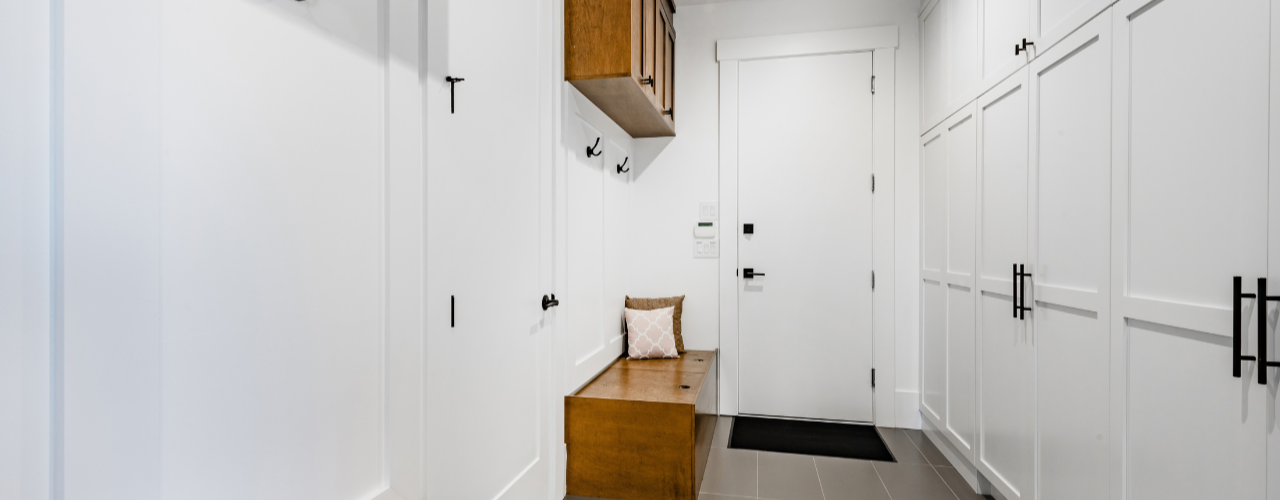
25 Mudroom Storage Ideas (And Mistakes to Avoid)
When you come home with muddy boots, an armful of bags and a coat you can’t wait to take off, it’s nice to have somewhere to put it all. With a mudroom, you can leave the outdoor mess at the door instead of carrying it through the house. Traditionally, you’d set aside a separate room, but you can just as easily use a hallway, an entryway closet, a laundry-room corner or a stretch of wall near the entrance.
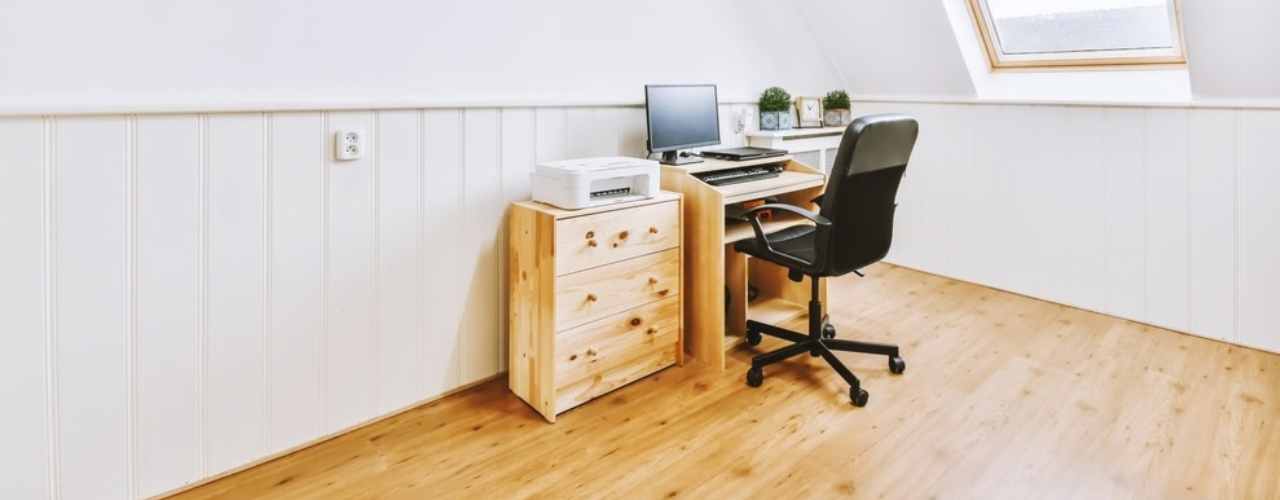
Is Your Home Office Worth the Rent? What Coworking and Self Storage Could Save You
Every square foot of your apartment comes with a price tag, and a home office claims more of them than most renters expect. It starts with a desk. Then come the second monitor, the printer, the filing cabinet and the overflow boxes. Before long, the corner you set aside for work has turned into a small room you are paying for every month.

America’s Top Snowbird Destinations for 2026–2027: Florida Leads in Numbers, Texas Wins on Value
For Americans living in colder states, the approach of winter is reason enough to start looking south. Cold weather carries costs that go beyond the heating bill and shoveling snow. Seasonal affective disorder(opens in new tab) is far more prevalent in northern states, so a temporary move south isn’t simply an escape from the cold, but a chance to spend the hardest stretch of winter outdoors and in the sun.
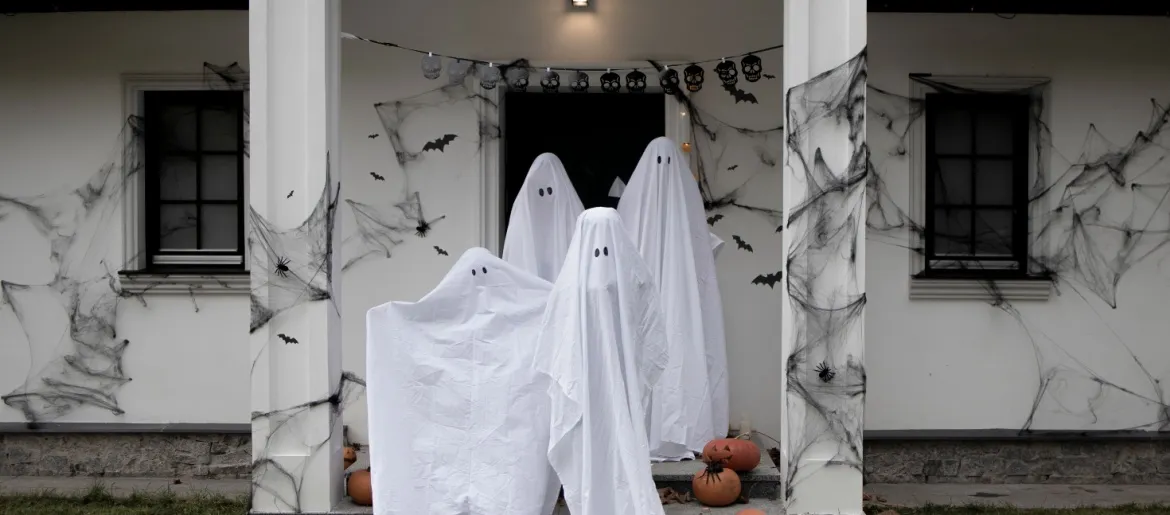
How Much Does Halloween Really Cost in 2026? Plan Wisely to Avoid the Scare of Hidden Costs
Americans’ love for Halloween is almost frightening — this year alone, we are on our way to spending $13.5 billion, according to data from the National Retail Federation(opens in new tab). That breaks down to about $115 Halloween costs per person, a whopping 49% more than 10 years ago.
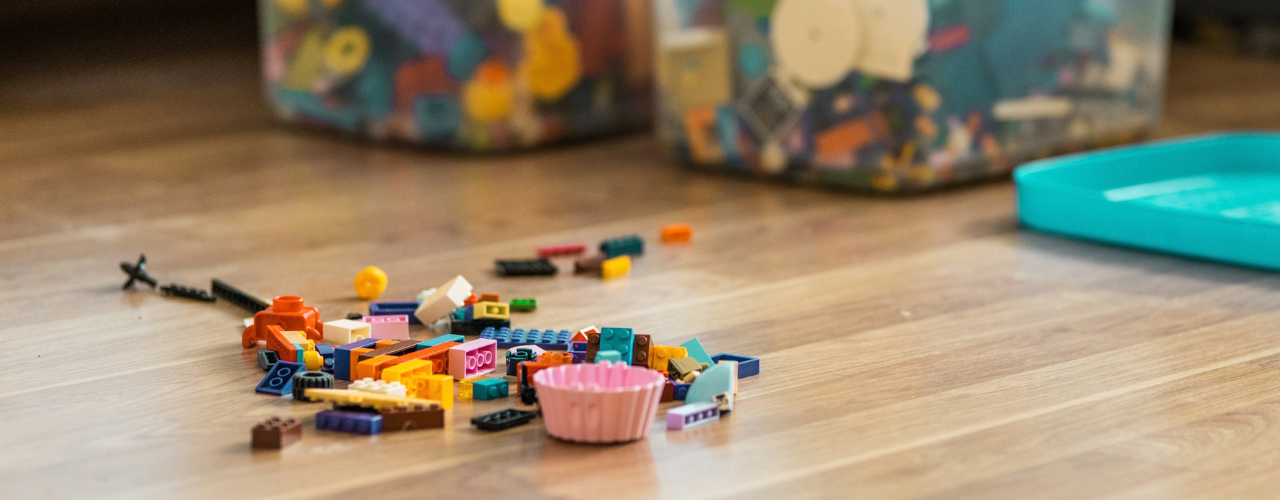
How to Store LEGOs: All the Fun, None of the Clutter
How to store LEGOs largely comes down to how your household uses them. If the bricks are part of everyday play, you need a setup that keeps them within easy reach and makes cleanup quick (for your feet’s sake, at least). Toy storage(opens in new tab) such as simple bins, playmats or containers that children can put away themselves may be enough. Larger or more serious collections usually need more organization, such as labelled drawers for loose pieces, trays for unfinished builds, shelves for completed models and separate storage for retired sets.
Cardboard Costume Guide: Tips and Ideas for a DIY Halloween
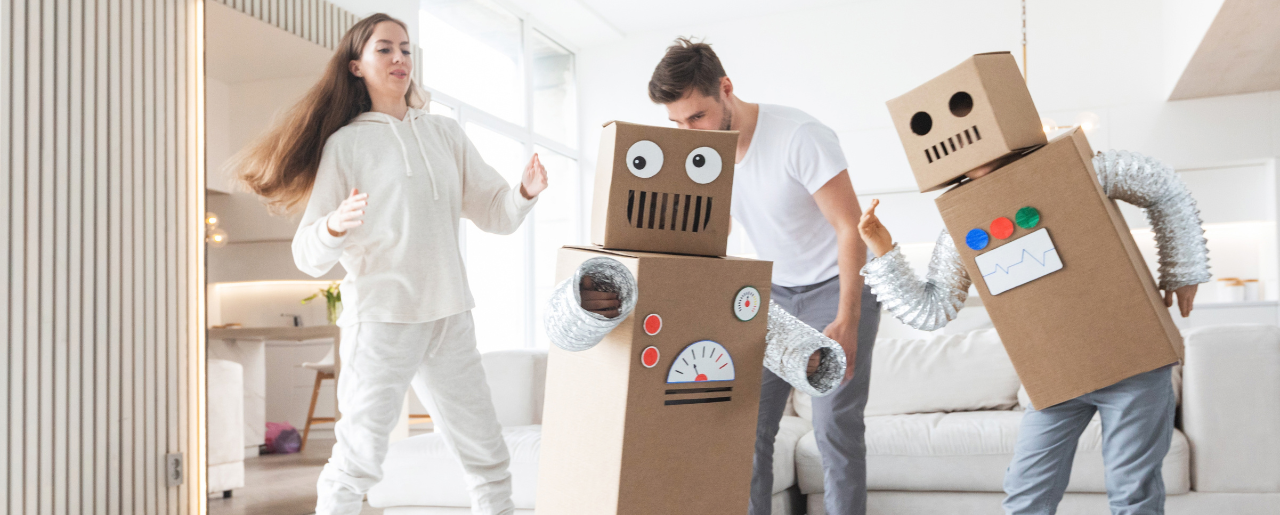
Whether for kids or adults, cardboard costume ideas often make the biggest splash once materialized, and that’s for a simple reason: doing a lot with a little is a universally impressive feat (especially in this economy). If you don’t have enough boxes you could temporarily repurpose, don’t worry! There are many places where you can find free moving boxes(opens in new tab), from stores and supermarkets to online groups and recycling drop-off spots. On the run? Try your luck at a self storage(opens in new tab) facility that sells moving supplies, often for cheap. This way, you can choose moving boxes of different shapes and sizes(opens in new tab), so you can make your costumes as complex as you want.

How to Celebrate Halloween: 9 Non-Spooky Ways To Enjoy It
As soon as October starts, it’s the official Halloween month. And while for many people it means it’s open season to get the scare of a lifetime, others, especially families with small children, might prefer to celebrate in a tamer way that’s both kid- and adult-friendly. While you’re likely to find more events where the spook factor is high, here’s how to celebrate Halloween in a not-so-scary way:

Motorcycle Storage Guide: How to Store Your Bike Safely
Motorcycles may be born to be wild, but eventually even the wild ones need somewhere to park. Whether riding season is winding down or your current living situation comes with plenty of square footage for you and less for your bike, motorcycle storage is one of those parts of ownership that doesn’t get as much airtime as the open road.

Halloween Decorating on a Budget (And Cheap Ideas for Everything Elsee)
Halloween has crept a long way from its eerie origins. While All Hallows’ Eve has transformed through the centuries, it wasn’t until the 1930s that trick-or-treating became a tradition in the U.S. and businesses began conjuring up mass-produced Halloween costumes. Now, Halloween is a monster-sized, billion-dollar industry, with a cauldron full of costumes and decorations ranging from the mainstream to the macabre. But is it all really worth your wallet? Maybe, but we’ll let you in on a little secret: You can keep your Halloween decorating on a budget and save on everything else, too. Take this plan and see it through!