

Your bedroom needs to be the most relaxing room in your home. Even if space is not on your side, you can still get creative with the furniture setup and the organization of your belongings to turn your bedroom into a functional yet pleasing room. Here are some storage ideas for your small bedroom:
1. Consider a Murphy bed
A space-saving solution for smaller bedrooms, the Murphy bed is a timeless classic. The original model might have been forsaken in favor of the modern one, as it provides a foldout bedframe that not only saves you space but also changes the daytime look in your bedroom. If you choose to keep it as is, treat the bed framework like a regular wall by painting it, draping it with textiles and decorating it with artwork.

2. Add a tiny library to your headboard
Why not take advantage of this space that naturally comes with your bed to use it for nifty storage? You can either use a custom-made headboard with shelves or make it a special project if you enjoy dabbling into DYI. A bookcase headboard can not only host books but also all kinds of knickknacks and it’s a great wall storage idea.
3. Use bed raisers
Expand storage under the bed by elevating your mattress with bed risers and turning this space into a hidden storage area. You can place here winter clothes, additional bedding and other items you’re not routinely using. However, you might discover that you still can’t make room for all of your possessions here. Avoid cluttering your home by using self storage to keep items until they’re needed.
4. Make good use of the foot of the bed
Squeeze in a little extra storage space by adding a storage bench at the foot of the bed. It won’t take up much space, and you’ll be happy to have a furniture piece that pulls double duty: You have instantly created clothing storage for your small bedroom whether you need the next day or you need to put them away long-term.

5. Turn your dresser into a nightstand
To help you better organize a small bedroom, you can move your dresser next to your bed and you have instantly created a nightstand! It’s a win-win design choice: You get a spot to keep all your essentials next to you before going to sleep, and you can stash out-of-season clothes and accessories you use less often.
6. Store more in your drawers
With a little creativity, you can organize and maximize storage space inside your dresser. Buy a honeycomb organizer for your smaller items. This way your socks will be easy to find, and each pair will have its own designated spot. If you enjoy a good DIY project, why not make your own organizer? With the help of cardboard strips from an upcycled box, slices of PVC pipe and small organizers, you can keep the contents of each drawer tidy and organized.
7. Explore up all the storage opportunities in the closet
If your closet comes with limited space, you can hang a rod and even add a shelf. If space allows, add a secondary rod for skirts or other short clothing items. To gain additional space, you can use a chain to link hangers together.

8. Use tennis balls to store shoes
Your closet doors are the perfect spot to create a new home for your shoes. Attach tennis balls either to the wall — if you have the room — or to the closet door and use them to hang shoes. Due to their round shape and the fuzzy coating, your shoes are protected and can stay in shape. Did we mention this is a great space-saving storage solution?
9. Clothes and accessories can turn into décor
If your bedroom space is in short supply, but your belongings aren’t, why not incorporate them into the room décor? Here are a few things you can do to gain extra storage:
- Create an open closet
It might not feel like a great idea at first, but with some color coordination and the right combination of clothing, you can create a stylish new area of your room - Put scarves on display
Turn a clothes hanger into a multi hanger! All you need are some shower rings inserted on the lower bar of the hanger. Use each one as a scarf holder. From now on, you can easily find them and even get a compliment or two from anyone visiting. - Line your wall with hats
Instead of allowing hats to take up precious closet space, create a wall display for your hats using commander hooks. They attach easily to the wall without damaging it upon removal. - Show off your handbags on open shelves
Storing your hats is easier when you treat them as décor. Turn an entire row of shelves into purse city or hang them on hooks if you prefer it.
10. Add a leaning ladder
A slim leaning ladder provides precious storage space, be it for shoes, clothes or other items. You can even hang some of your purses to the sides without adding any additional DIY on your part.

11. Go for narrow shelves
There are plenty of storage options for the tight spaces in your home. Instead of adding bulky furniture to your bedroom, pick a slim floating shelf to add more storage options for books or other items. If you have room underneath, you can place a basket for a stylish and practical look. You can also install high shelving in the dead space above the doorway to store books or other items that you don’t use daily. They also provide an interesting décor feature.


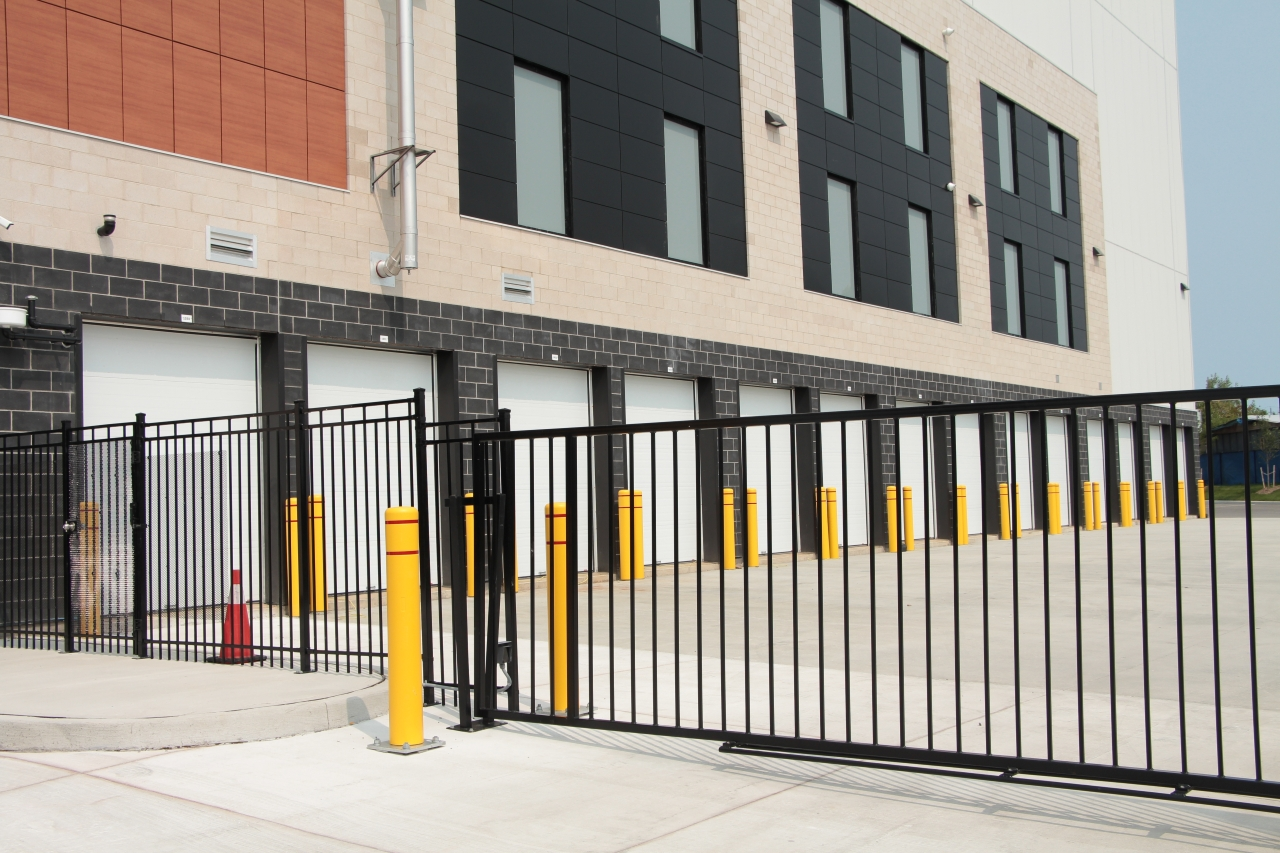
Suburban Giants and Urban Risers: Where America’s 100 Largest Metros Fall on the Self Storage Map
Self storage has long been a suburban story. Across America largest 100 metros, 59% of the inventory built over the past decade sits outside city cores, largely preserving the ratio of the total existing inventory.
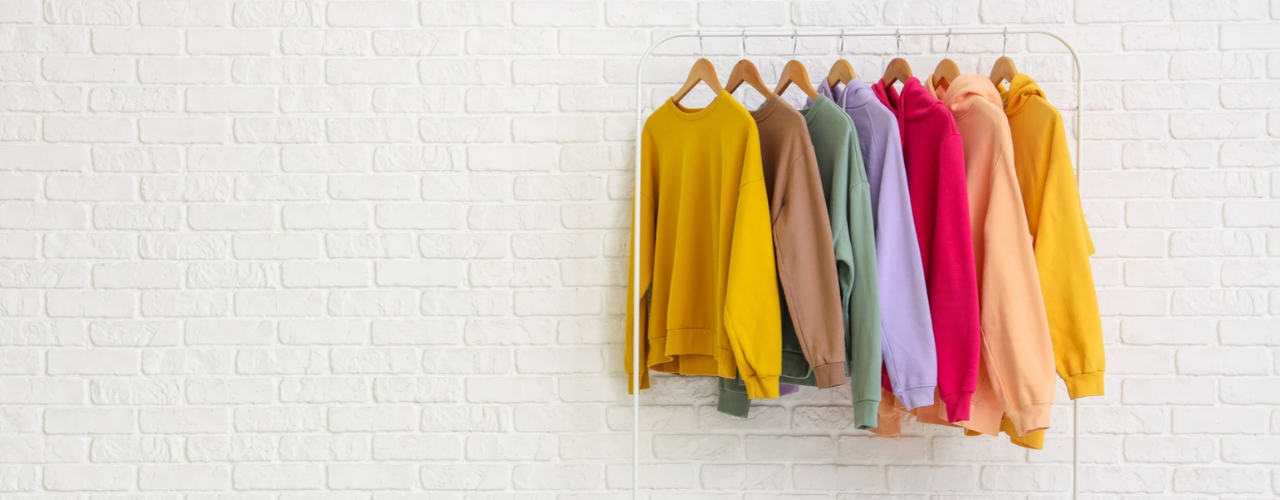
Sweatshirt Storage Ideas Worth Keeping Up Your Sleeve
Sweatshirts are great until you realize how much room they take up. A few thick hoodies can fill a drawer fast, with lighter crewnecks getting squashed underneath or pushed somewhere you forget about. Good sweatshirt storage can make that pile much easier to manage without requiring a bigger closet.
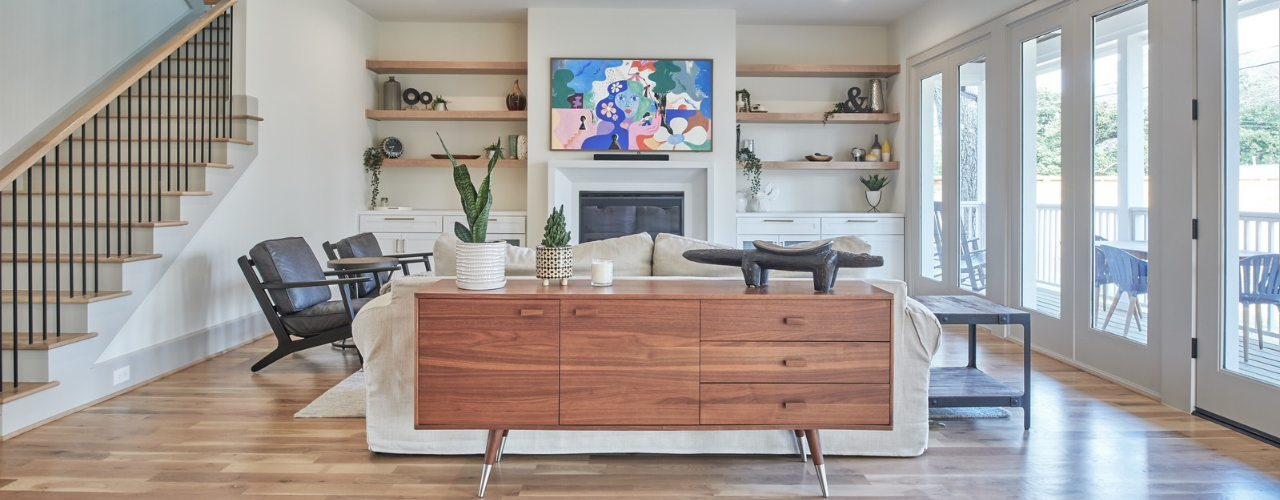
Living Room Storage Ideas: 28 Ways to Reclaim Your Hosting Space
If a living room is where most of a household’s living happens, good storage should be the top priority for setting up or revamping the place. After all, think of how easier it would be to have people over when tidying up the place is just a matter of putting things in their right place (in a time when fewer and fewer people are entertaining friends at home(opens in new tab)). The trick is making room for all those wayward clothes, blankets, chargers and other small things that end up on (or, inexplicably, in) the sofa. Here are 28 living room storage ideas to get you started and make tidying up a quick affair.
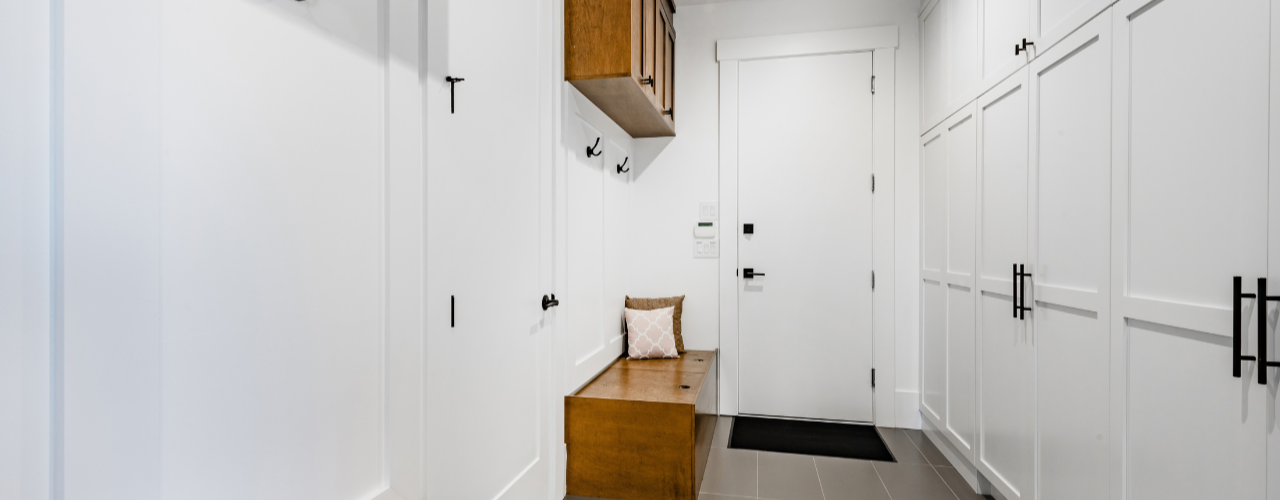
25 Mudroom Storage Ideas (And Mistakes to Avoid)
When you come home with muddy boots, an armful of bags and a coat you can’t wait to take off, it’s nice to have somewhere to put it all. With a mudroom, you can leave the outdoor mess at the door instead of carrying it through the house. Traditionally, you’d set aside a separate room, but you can just as easily use a hallway, an entryway closet, a laundry-room corner or a stretch of wall near the entrance.
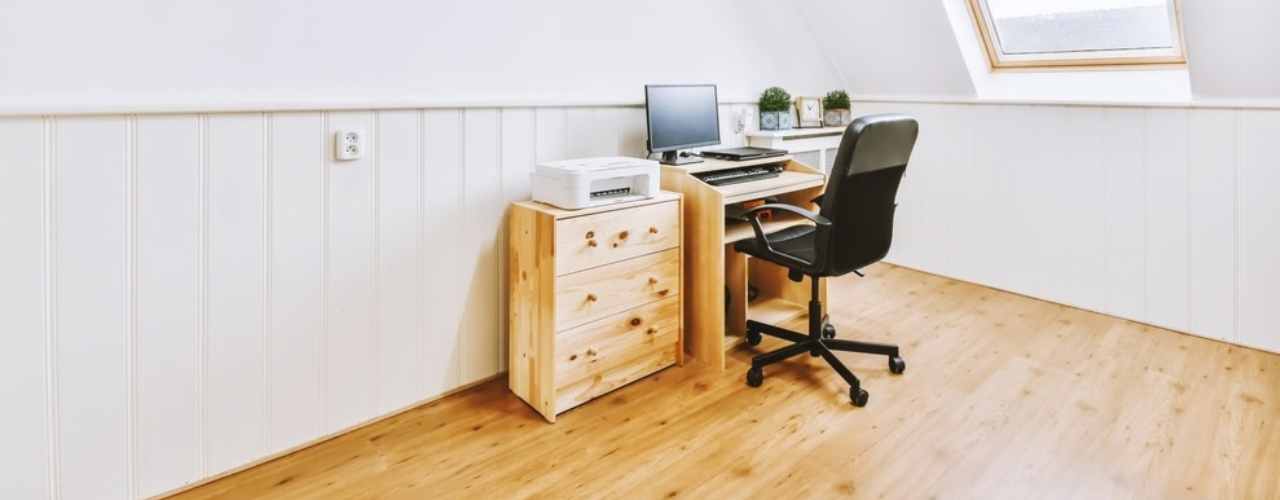
Is Your Home Office Worth the Rent? What Coworking and Self Storage Could Save You
Every square foot of your apartment comes with a price tag, and a home office claims more of them than most renters expect. It starts with a desk. Then come the second monitor, the printer, the filing cabinet and the overflow boxes. Before long, the corner you set aside for work has turned into a small room you are paying for every month.
Best U.S. Cities to Live Uncluttered: Plano, TX, Offers the Most Room to Breathe
Clutter is in our homes as much as in our heads. Both are shaped by where we live.

America’s Top Snowbird Destinations for 2026–2027: Florida Leads in Numbers, Texas Wins on Value
For Americans living in colder states, the approach of winter is reason enough to start looking south. Cold weather carries costs that go beyond the heating bill and shoveling snow. Seasonal affective disorder(opens in new tab) is far more prevalent in northern states, so a temporary move south isn’t simply an escape from the cold, but a chance to spend the hardest stretch of winter outdoors and in the sun.
How Much Does Halloween Really Cost in 2026? Plan Wisely to Avoid the Scare of Hidden Costs
Americans’ love for Halloween is almost frightening — this year alone, we are on our way to spending $13.5 billion, according to data from the National Retail Federation(opens in new tab). That breaks down to about $115 Halloween costs per person, a whopping 49% more than 10 years ago.
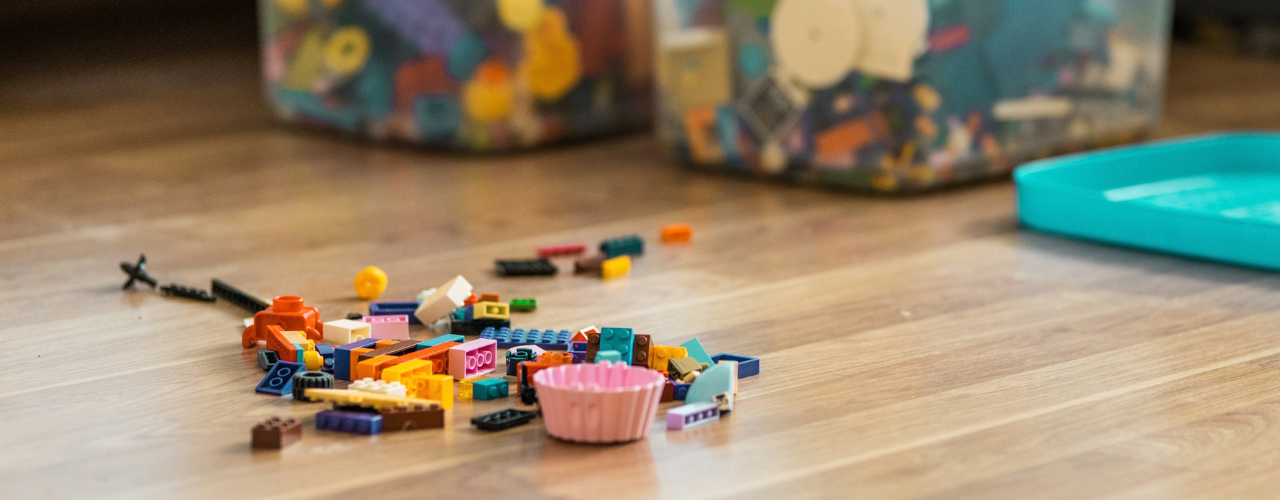
How to Store LEGOs: All the Fun, None of the Clutter
How to store LEGOs largely comes down to how your household uses them. If the bricks are part of everyday play, you need a setup that keeps them within easy reach and makes cleanup quick (for your feet’s sake, at least). Toy storage(opens in new tab) such as simple bins, playmats or containers that children can put away themselves may be enough. Larger or more serious collections usually need more organization, such as labelled drawers for loose pieces, trays for unfinished builds, shelves for completed models and separate storage for retired sets.