

Pets make your life a thousand times better, that’s for sure. However, they’re also very cute agents of mayhem and can create some pet logistic problems for their owners — storing their food is a big one. Most pet owners prefer to buy pet food in bulk, as it’s cheaper and reduces the risk of finding yourself out of it — that would be pretty hard to explain to a hungry dog or cat.

When storing large quantities of pet food, you must ensure that it will remain fresh (and crunchy) and that your pet can’t get into it. It’s essential to protect the pet food from wild animals, such as mice or raccoons, that might carry different diseases and could also cause property damage if they treat your home as a “free buffet” and drop by regularly.
Other things to worry about are mold and smells. If the food becomes moldy, it’s no longer safe to eat, and you’ll have to throw it out. And, last but not least, pet food has a very strong odor, and you don’t want your entire home to smell that way. To avoid all the problems, you need to store pet food in:
- A cool, dry place;
- An airtight container;
- A secure location that your pet can’t reach;
All things considered, here are five pet food storage ideas that will help you keep it safe and fresh for your four-legged companions:
1. Practical and stylish pet feeders with storage included
Products like this feeder plus storage combo are great because they solve multiple pet-related needs. You can store the nibbles in a securely closed compartment and feed your pets with the built-in drawer fitted with bowls. It also offers some extra space for storing toys, leashes and other accessories your pet has. However, you need to find the right spot in your home for the pet feeder station with storage — it must be in a cooler area of the house to ensure that the pet food stays fresh. You can install it somewhere near your backdoor or in the laundry room, if those spaces are less heated compared to the rest of the home, or even in the garage. There are also less expensive feeders that hold less food and are more compact, so it’s easier to find a place for them in your home.
2. Automatic food dispensers
There’s a huge variety of pet food dispensers with storage — and some of them are even connected to the Internet and have cameras and audio. Those devices are very useful for people who are working odd or long hours and are not always making it home in time for dinner. The capacity of the food storage compartment varies from one model to another, but it can contain more than a week’s worth of food, depending on the size of your pet.

There are also some pretty basic models that don’t require electricity or Internet to work. Dispensers won’t completely solve the problem of pet food storage if you normally buy large quantities, but they’re certainly helpful.
3. Large airtight containers
A very practical solution for people who have multiple pets are large airtight containers that can hold plenty of food. Depending on your needs and preferences, you can get rolling or stackable containers and put them in your pantry, if you have the space, or in your garage.
A self storage unit is also an option, and not necessarily for food, but for other pet items you don’t use as often. Putting them in storage will create more space at home, thus enabling you to keep your pet food at hand. In case you intend to put your pet food supply in storage, you should check with the storage facility first, as not all of them allow food items in their units.

Pet food lasts longer in its original packaging. So, if you purchase multiple bags of pet food, instead of emptying them all in a container, it’s better to put the actual, unopened bags in the container. Get a separate, smaller container for the food currently in use.
4. In the freezer
Dry pet food can also be stored in a freezer — if you have a chest freezer in your home, you can keep the pet food in it for up to six months. Just make sure you take it out at least 24 hours prior to needing it and double wrap the food bags to prevent freezer burns and contamination with other foods.

5. Traveling with pets?
If you’re planning to bring your four-legged friend along on your outdoor adventures, you need a few accessories that will make traveling with pets safer and easier. Travel pet food containers are a great solution for transporting their kibble, as they’re lightweight, durable and waterproof. If you’re more into air travel than hiking and camping, don’t worry — you can get an airline-approved dog travel bag that has space for all of your pooch’s necessities and toys.
Pet food safety rules you must follow
The FDA has a set of rules about storing and manipulating pet food, and here are the main things you need to know:

- When storing pet food in a new container, make sure you keep the UPC code, lot number, brand and manufacturer and “best by” date. You can tape the part of the bag with this info on your food container. In case you need to file a complaint about the quality of the food, or in cases of product recall, this information is essential.
- Put the pet food only in a clean, dry container, and wash containers between finishing one bag of food and filling it with another. Otherwise, crumbs and fat from the old bag of food might become rancid and contaminate the new food supply with an unappetizing odor.
- Make sure you wash your pet’s food and water bowls and scooping utensils daily.


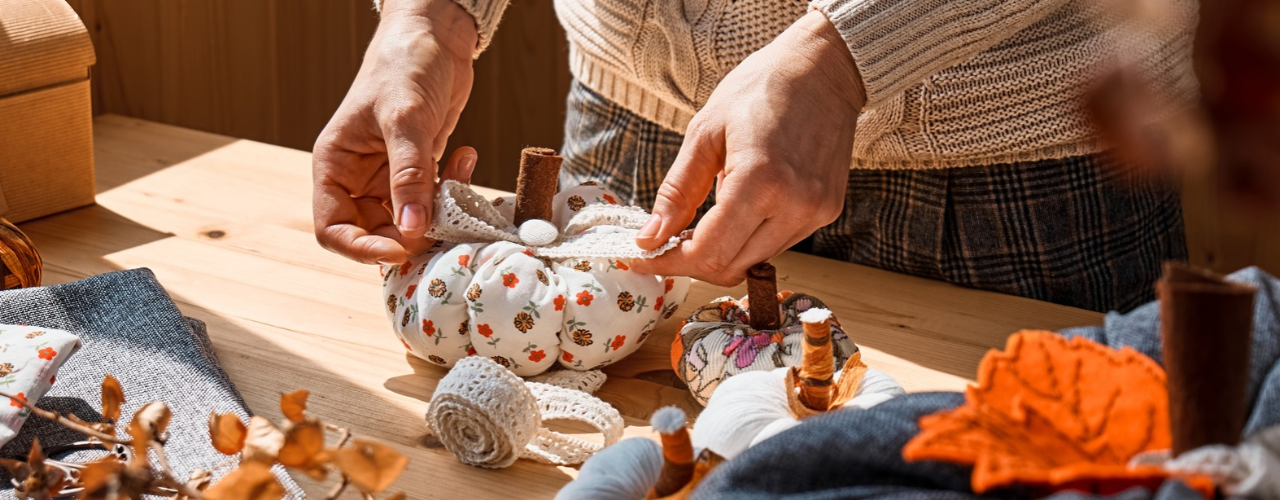
Scary Good DIY Halloween Decorations That Won’t Haunt Your Wallet
A few floating candles in the hallway, a family of ghosts by the front door and a suspicious number of bats climbing up the bedroom wall can make October feel a whole lot spookier. While Halloween stores are full of tempting finds, some of the best DIY Halloween decorations can come from things you already have tucked away in drawers, closets or the recycling bin.
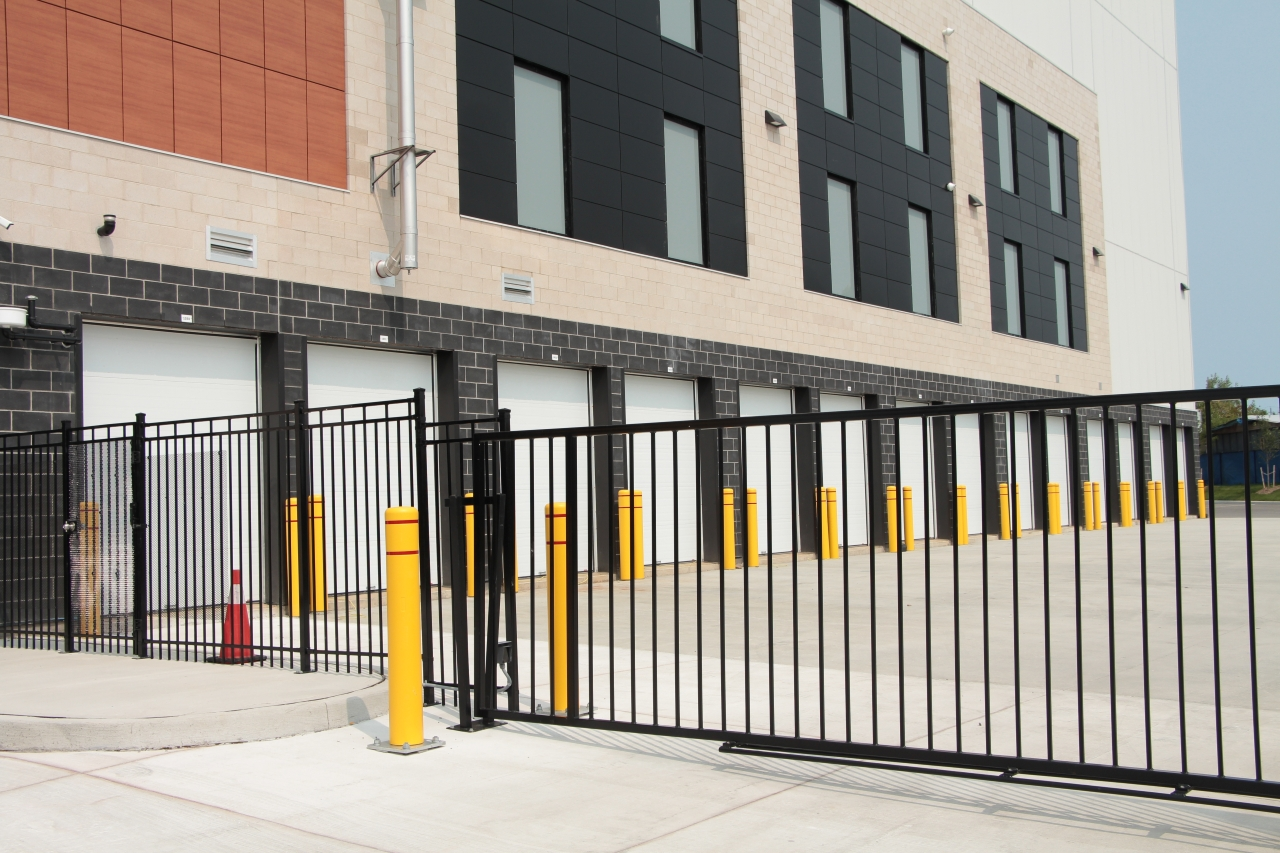
Suburban Giants and Urban Risers: Where America’s 100 Largest Metros Fall on the Self Storage Map
Self storage has long been a suburban story. Across America largest 100 metros, 59% of the inventory built over the past decade sits outside city cores, largely preserving the ratio of the total existing inventory.
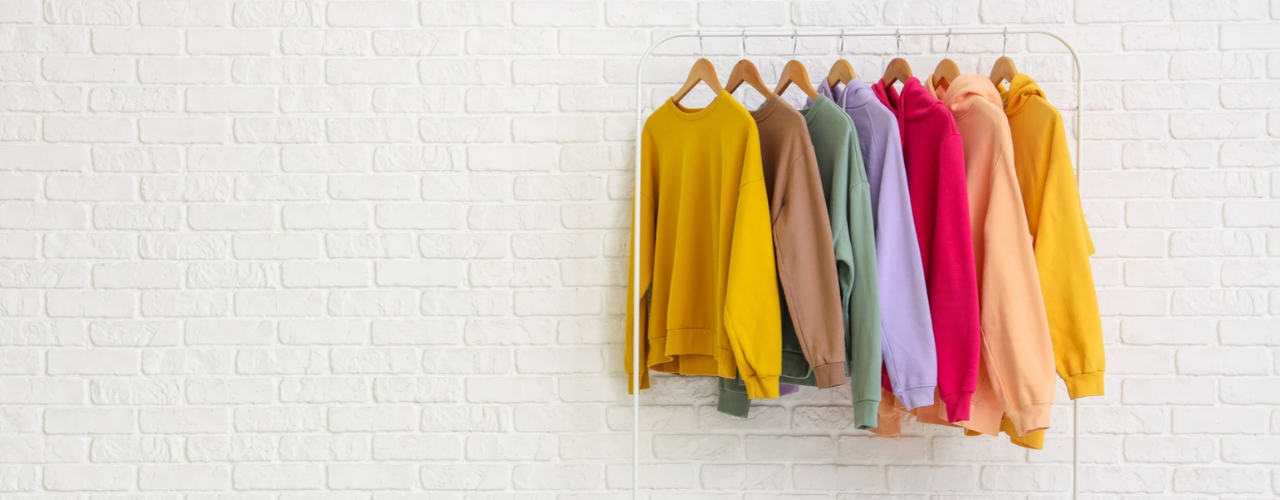
Sweatshirt Storage Ideas Worth Keeping Up Your Sleeve
Sweatshirts are great until you realize how much room they take up. A few thick hoodies can fill a drawer fast, with lighter crewnecks getting squashed underneath or pushed somewhere you forget about. Good sweatshirt storage can make that pile much easier to manage without requiring a bigger closet.

Living Room Storage Ideas: 28 Ways to Reclaim Your Hosting Space
If a living room is where most of a household’s living happens, good storage should be the top priority for setting up or revamping the place. After all, think of how easier it would be to have people over when tidying up the place is just a matter of putting things in their right place (in a time when fewer and fewer people are entertaining friends at home(opens in new tab)). The trick is making room for all those wayward clothes, blankets, chargers and other small things that end up on (or, inexplicably, in) the sofa. Here are 28 living room storage ideas to get you started and make tidying up a quick affair.
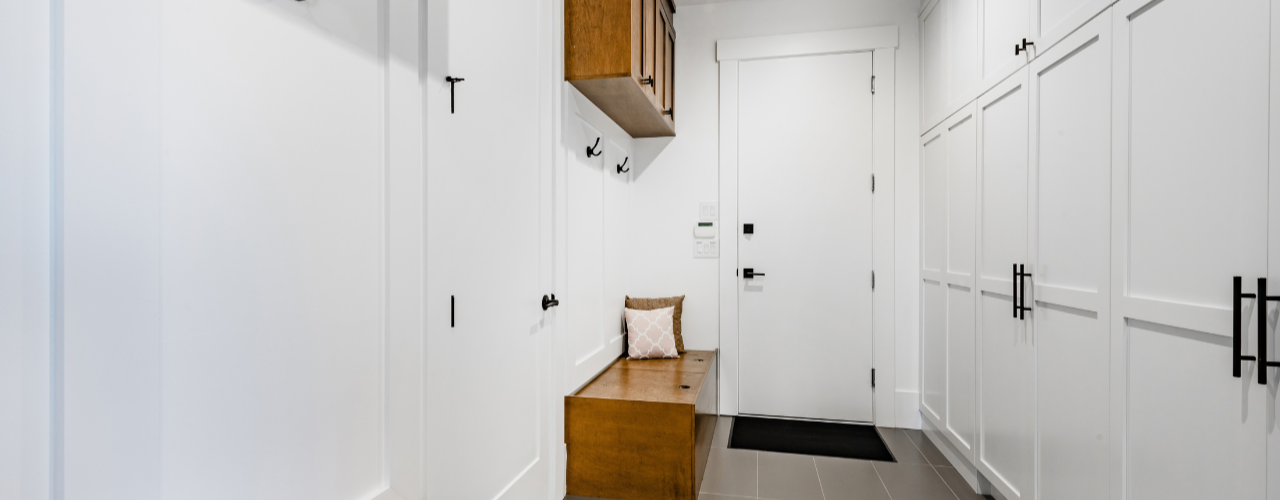
25 Mudroom Storage Ideas (And Mistakes to Avoid)
When you come home with muddy boots, an armful of bags and a coat you can’t wait to take off, it’s nice to have somewhere to put it all. With a mudroom, you can leave the outdoor mess at the door instead of carrying it through the house. Traditionally, you’d set aside a separate room, but you can just as easily use a hallway, an entryway closet, a laundry-room corner or a stretch of wall near the entrance.

Is Your Home Office Worth the Rent? What Coworking and Self Storage Could Save You
Every square foot of your apartment comes with a price tag, and a home office claims more of them than most renters expect. It starts with a desk. Then come the second monitor, the printer, the filing cabinet and the overflow boxes. Before long, the corner you set aside for work has turned into a small room you are paying for every month.

Best U.S. Cities to Live Uncluttered: Plano, TX, Offers the Most Room to Breathe
Clutter is in our homes as much as in our heads. Both are shaped by where we live.

America’s Top Snowbird Destinations for 2026–2027: Florida Leads in Numbers, Texas Wins on Value
For Americans living in colder states, the approach of winter is reason enough to start looking south. Cold weather carries costs that go beyond the heating bill and shoveling snow. Seasonal affective disorder(opens in new tab) is far more prevalent in northern states, so a temporary move south isn’t simply an escape from the cold, but a chance to spend the hardest stretch of winter outdoors and in the sun.

How Much Does Halloween Really Cost in 2026? Plan Wisely to Avoid the Scare of Hidden Costs
Americans’ love for Halloween is almost frightening — this year alone, we are on our way to spending $13.5 billion, according to data from the National Retail Federation(opens in new tab). That breaks down to about $115 Halloween costs per person, a whopping 49% more than 10 years ago.