
The Portland Paradox: Self-Storage Construction Still Active, Despite Drop in Street Rates

The self-storage industry in the Portland metro area is following a trend that, at first sight, seems rather contradictory. While street rates for self-storage are declining, the proportion of planned and under- construction projects remains one of the highest in the nation.
New self-storage construction in Portland, expressed as percentage of existing inventory, was consistently over 20% and even close to 30% for much of the time dating back to the spring of 2018, according to data from Yardi Matrix.
Portland Self-Storage Street Rates Down Year-Over-Year
At a national level, self-storage street rates fell by 2% y-o-y for standard 10×10 non-climate-controlled (NON CC) units, while the rate for 10×10 climate-controlled (CC) units dropped by 3%. Comparatively, Portland rates registered a much harsher decline.
Average self-storage street rates for a standard 10×10 self storage unit in Portland dropped 5% – from $150 to $142 – between August 2018 and August 2019. The rates for a standard 5X5 non-climate-controlled unit dropped 8% during the same period.
Increased Self-Storage Construction: Unsettling for Operators but Positive for Renters
Despite the negative street rate growth, the new supply pipeline maintained a healthy pace in the Portland metro area in the last 18 months. Although deceleration became apparent since the beginning of 2019, the data recorded by Yardi Matrix shows that planned and under-construction self-storage as a share of the total inventory remained above the national average from 2018 until present day.
Nationally, the share of new self-storage construction sits somewhere between 9 and 10% of existing inventory for the entire period. During the same time, the Portland metro area consistently landed in the top three markets with the most new self-storage construction, with new projects ranging between 22% and 30% of total local self-storage inventory.
The recent influx of storage units that hit the market may be problematic for owners – many vendors are forced to drop their prices to fill their vacancies. But for renters, it is a great opportunity. With so many options to choose from, those interested in renting self-storage units can benefit from concessions, like discounts and incentives such as rent-free periods, additional space, or upgrades to climate-controlled units.
Recent Growth in New Self-Storage Construction Supported by the Metro’s Stable Economy
Over the past 18 months, the slew of self-storage completions across the metro – despite causing a drop in street rates – has been largely absorbed due to Portland’s diversified local economy and strong population growth. According to U.S. Census data, Portland gained an average of 30,000 people per year over the last two decades, reaching a population of more than 2.4 million.
Inbound migration stands behind this steady population growth. Newcomers are attracted by high-paying jobs, a strong business climate, and a housing market that is still considered accessible, even with recent trends. Portland added approximately 30,000 residents in 2017 alone, which was a 1.2% increase – notably higher than the 0.7% U.S. average growth rate.
The housing market in Portland is definitely not cheap, but it’s significantly more affordable when compared to other fast-growing metro areas. Portland’s average monthly rent was $1,452 in July 2019, compared to $1,928 in Seattle and an astronomical $2,747 in San Francisco.
In 2018, the average mortgage payment in the Portland metro represented 23% of the median income in the area, indicating that buying a house in the area is not a burden for most people. According to nation-wide statistics from the Bureau of Labor Statistics, the average family spends 32% of their budget on mortgage payments – significantly more than in Portland.
Additionally, Portland metro businesses created more than 21,800 jobs in the 12 months ending in March 2019, which represents a 1.8% increase year-over-year. Education and health services led the growth with more than new 6,000 positions, and the construction sector also saw a 4% increase year-over-year, bringing in 2,800 new jobs.
Portland Market Headed Towards Saturation: Dropping Rents, Plenty of New Storage Options Make PDX a Renter’s Market
There are 288 self-storage facilities in the Portland metro area, providing more than 19 million square feet of storage space. On top of that, there are other 22 properties with 2.1 million square feet of storage space in planning stages and about 15 properties under construction, which will provide an additional 1.6 million square feet of space, as reported by Yardi Matrix.
Can Portland absorb all of this new supply? Time will tell, but one thing is certain: there is potential for growth as new people and new jobs find their way to the area.
“Portland is indeed facing headwinds, with oversupply being a general concern among storage providers”, says Chris Nebenzahl, Institutional Research Manager at Yardi Matrix. “In the long run, storage performance may bounce back in Portland once the waves of new supply are absorbed; however, in the meantime, I expect new storage renters to benefit as street rates will continue to fall in the next few years.”
Portland’s metro population will continue growing, and its economy and housing market will remain attractive and dynamic. It’s entirely reasonable to expect that long-term demand for self-storage will remain elevated.
For an overview of self-storage pricing and availabilities, check out Portland self-storage listings on Storagecafe.com.



Sweatshirt Storage Ideas Worth Keeping Up Your Sleeve
Sweatshirts are great until you realize how much room they take up. A few thick hoodies can fill a drawer fast, with lighter crewnecks getting squashed underneath or pushed somewhere you forget about. Good sweatshirt storage can make that pile much easier to manage without requiring a bigger closet.
Living Room Storage Ideas: 28 Ways to Reclaim Your Hosting Space
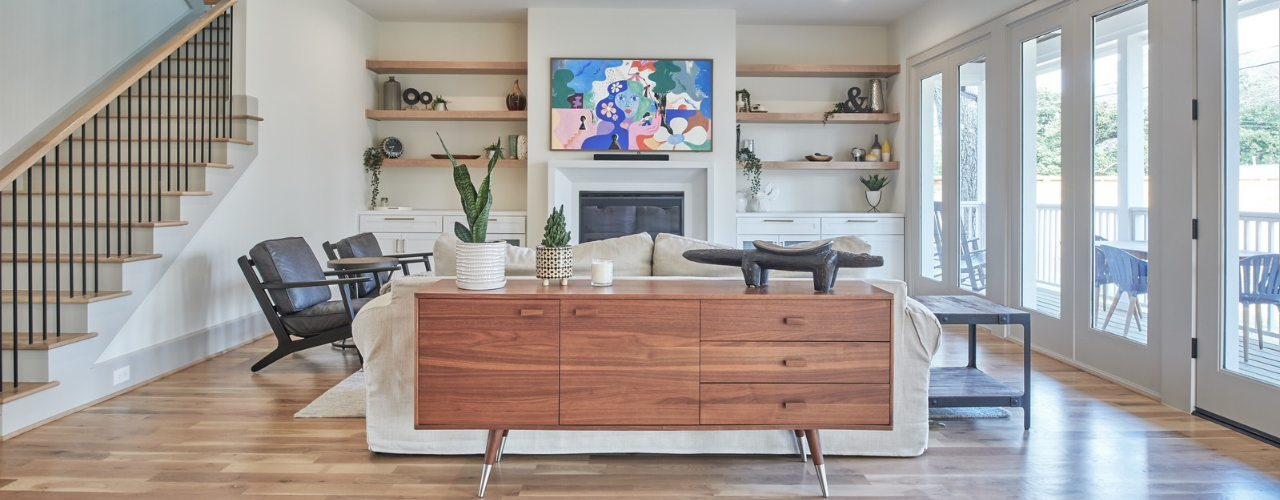
If a living room is where most of a household’s living happens, good storage should be the top priority for setting up or revamping the place. After all, think of how easier it would be to have people over when tidying up the place is just a matter of putting things in their right place (in a time when fewer and fewer people are entertaining friends at home(opens in new tab)). The trick is making room for all those wayward clothes, blankets, chargers and other small things that end up on (or, inexplicably, in) the sofa. Here are 28 living room storage ideas to get you started and make tidying up a quick affair.
25 Mudroom Storage Ideas (And Mistakes to Avoid)
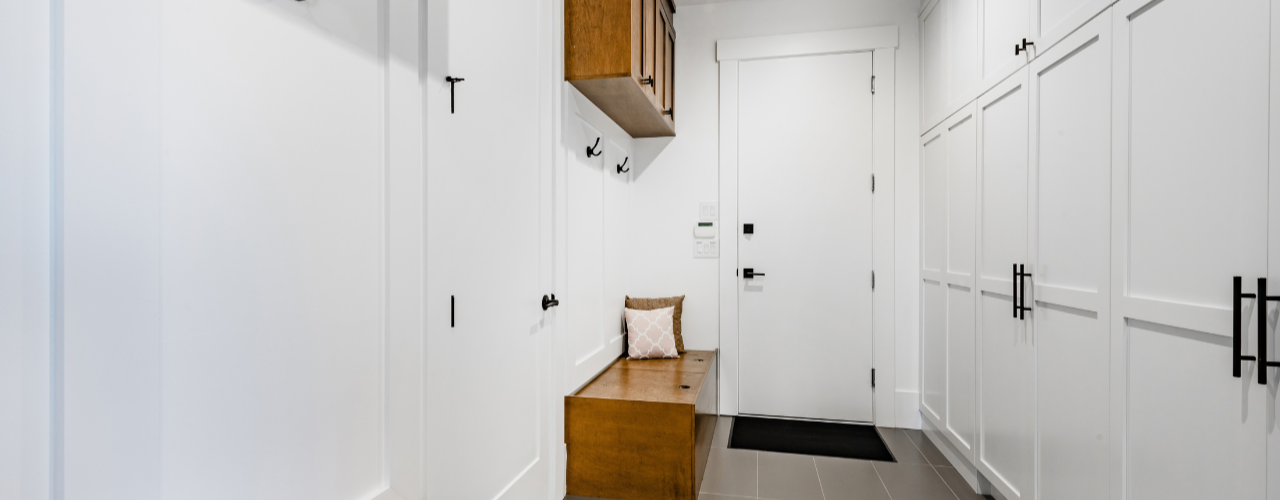
When you come home with muddy boots, an armful of bags and a coat you can’t wait to take off, it’s nice to have somewhere to put it all. With a mudroom, you can leave the outdoor mess at the door instead of carrying it through the house. Traditionally, you’d set aside a separate room, but you can just as easily use a hallway, an entryway closet, a laundry-room corner or a stretch of wall near the entrance.
Is Your Home Office Worth the Rent? What Coworking and Self Storage Could Save You
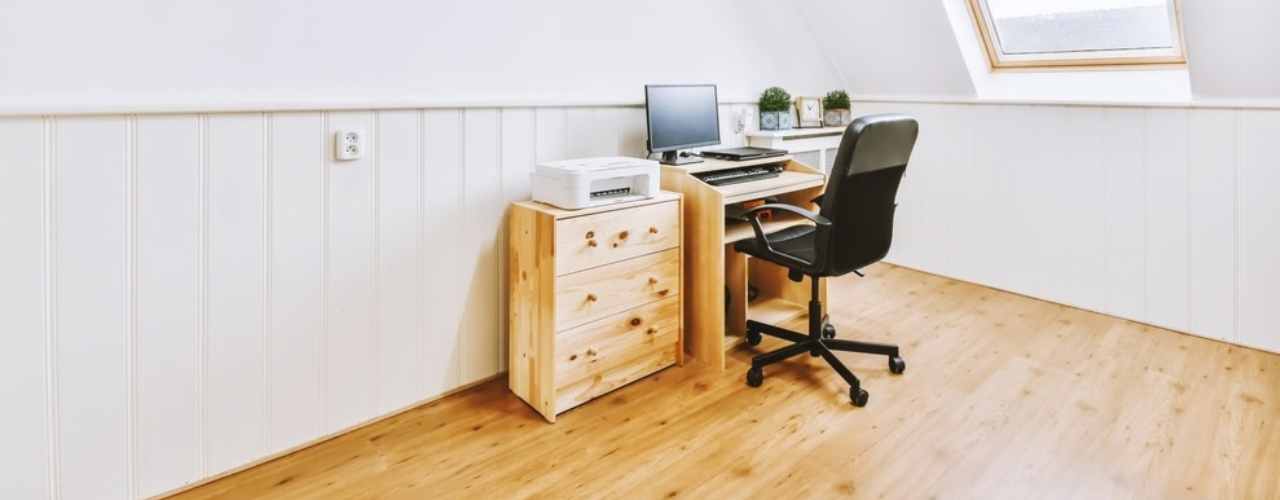
Every square foot of your apartment comes with a price tag, and a home office claims more of them than most renters expect. It starts with a desk. Then come the second monitor, the printer, the filing cabinet and the overflow boxes. Before long, the corner you set aside for work has turned into a small room you are paying for every month.

Best U.S. Cities to Live Uncluttered: Plano, TX, Offers the Most Room to Breathe
Clutter is in our homes as much as in our heads. Both are shaped by where we live.

America’s Top Snowbird Destinations for 2026–2027: Florida Leads in Numbers, Texas Wins on Value
For Americans living in colder states, the approach of winter is reason enough to start looking south. Cold weather carries costs that go beyond the heating bill and shoveling snow. Seasonal affective disorder(opens in new tab) is far more prevalent in northern states, so a temporary move south isn’t simply an escape from the cold, but a chance to spend the hardest stretch of winter outdoors and in the sun.
How Much Does Halloween Really Cost in 2026? Plan Wisely to Avoid the Scare of Hidden Costs
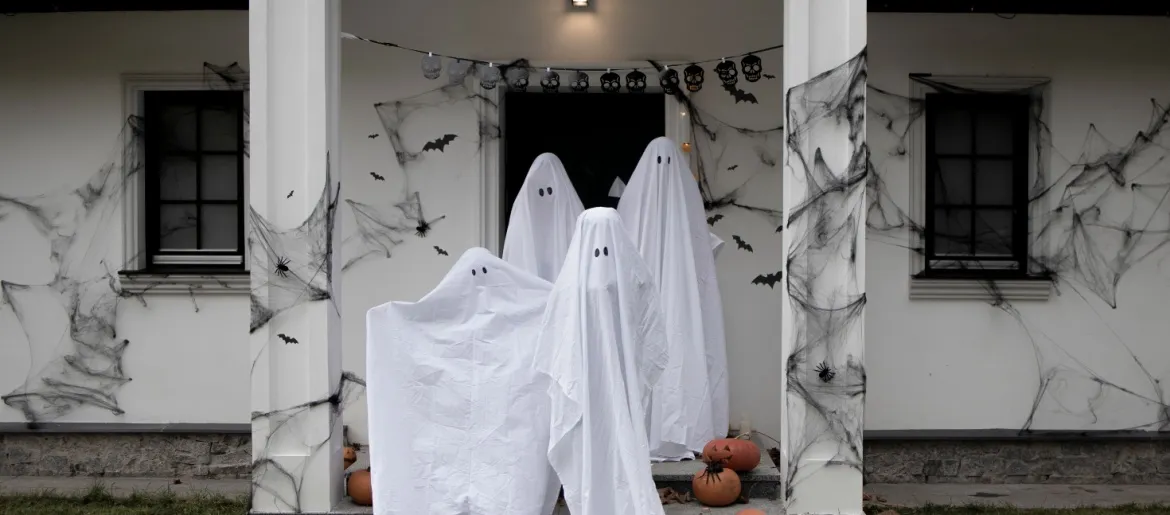
Americans’ love for Halloween is almost frightening — this year alone, we are on our way to spending $13.5 billion, according to data from the National Retail Federation(opens in new tab). That breaks down to about $115 Halloween costs per person, a whopping 49% more than 10 years ago.
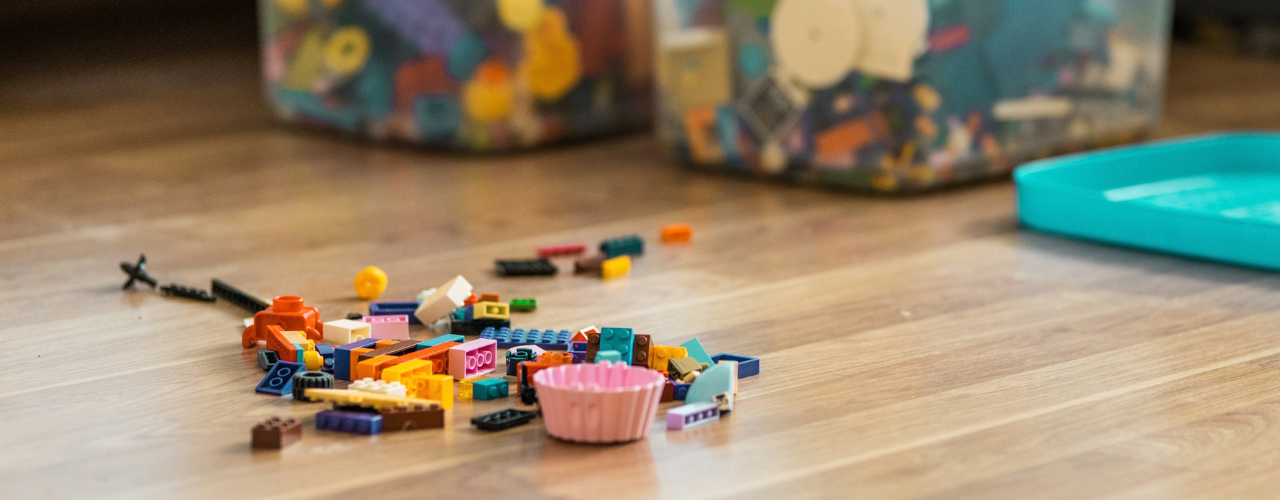
How to Store LEGOs: All the Fun, None of the Clutter
How to store LEGOs largely comes down to how your household uses them. If the bricks are part of everyday play, you need a setup that keeps them within easy reach and makes cleanup quick (for your feet’s sake, at least). Toy storage(opens in new tab) such as simple bins, playmats or containers that children can put away themselves may be enough. Larger or more serious collections usually need more organization, such as labelled drawers for loose pieces, trays for unfinished builds, shelves for completed models and separate storage for retired sets.

Cardboard Costume Guide: Tips and Ideas for a DIY Halloween
Whether for kids or adults, cardboard costume ideas often make the biggest splash once materialized, and that’s for a simple reason: doing a lot with a little is a universally impressive feat (especially in this economy). If you don’t have enough boxes you could temporarily repurpose, don’t worry! There are many places where you can find free moving boxes(opens in new tab), from stores and supermarkets to online groups and recycling drop-off spots. On the run? Try your luck at a self storage(opens in new tab) facility that sells moving supplies, often for cheap. This way, you can choose moving boxes of different shapes and sizes(opens in new tab), so you can make your costumes as complex as you want.