

The California to Utah route is getting quite crowded with people on the move – almost 18,000 Californians headed to the Beehive State in 2019 alone, according to the latest US Census data. But what’s behind this particular migration trend, and what do you need to know if you’re a Californian planning to relocate to Utah?
Utah vs. California – how the two states fare when it comes to income, housing and living costs
Generally, people move in response to a need, whether that need is related to getting access to better housing, a more affordable cost of living, better job opportunities, or better lifestyle amenities. When looking specifically at why Californians might be inclined to move to Utah, it’s worth noting the significant difference in housing and living costs – which are in Utah’s favor.
According to BestPlaces, the overall cost of living index in California is almost 150 while in Utah it is almost 111 – so it’s decidedly less expensive to live in the Beehive State. The median value of a home in California was almost $820,000 this May, compared to almost $320,000 in Utah, resulting in a far more affordable housing market.
Utah’s affordability compared to California is further enhanced by the median incomes in the two states – these are not so far apart, while the differences in living and housing costs are. The individual median income in California is almost $37,000 per year, according to the US Census, and the median household income is over $75,000. In Utah, the median per capita income is approaching $30,000, while for a household it is almost $72,000. There are indeed more people per household in Utah compared to California, but only marginally so: 3.12 persons vs. 2.95 persons. In other words, while the overall cost of living in California is approximately 40% higher than in Utah, and homes are a whopping 60% more expensive, median income is only about 5% higher.
Regarding income and property taxes, Utah again fares better than California. The income tax in California, at 13.3%, is the highest in the country, while in Utah the individual income tax rate is capped at 5%. There’s also a difference in property taxes – the average property tax rate in CA stands at 0.73%, while in Utah it is just 0.58%. Taking into account the difference in value between properties in California and Utah, the tax difference translates to a pretty penny paid by Californians.
Strictly from a financial standpoint, Utah is generally a more advantageous place to live than California. However, that’s not the whole story. As one of the world’s largest economies, California and its major cities provide immense opportunities – from education and jobs to culture, entertainment, and so on. Utah, with approximately 37 people per square mile, compared to almost 240 in California, is undoubtedly a good place to live, but don’t expect the same bustling energy you will find in the Golden State.
Moving to Salt Lake City – and how it compares to the likes of LA, San Francisco and San Diego
Salt Lake City is attracting a very substantial proportion of the newcomers to the state, Californians included. Therefore, we decided to take a look at how Salt Lake City compares to some major Californian cities.
- Salt Lake City vs. Los Angeles
The overall cost of living in Salt Lake City is 31% lower than in LA. The median home price in Salt Lake City stands at around $436,000, while in Los Angeles it’s $682,000. The median household income in Salt Lake City is around $60,000, while in LA it’s over $62,000. The average time to travel to work in Utah’s main city is about 20 minutes, while in LA it is 32 minutes.
 However, in terms of weather, LA gains points – the annual snowfall is 54 inches in Salt Lake City, and a big fat zero in Los Angeles. LA enjoys more pleasant temperatures overall – the average July high is a scorching 91 degrees in Salt Lake City compared to a more manageable 84 degrees in LA. Also, average lows in January are 23 degrees Fahrenheit in Salt Lake City compared to a rather pleasant 46 degrees in LA. So, if you’re ready to make the swap LA to Salt Lake City swap, start looking for a Los Angeles moving company and plan your relocation.
- Salt Lake City vs. San Francisco
San Francisco is a whopping 126% more expensive than Salt Lake City when looking at overall living costs, according to BestPlaces data. The median household income, at $112,000, is almost double in San Francisco compared to Salt Lake City, but it’s offset not only by the high cost of living but also by housing costs.
 The median price of a house in San Francisco, at $1,2 million, is almost three times higher than the median value in Salt Lake City. As with other Californian cities, San Francisco has better weather than Salt Lake City – the comfort index, where a higher value indicates a more comfortable temperature year-round, is 8.5 in San Francisco compared to 7.2 in Salt Lake City. It’s interesting to note that both cities have highly educated populations – 88% of Salt Lake City and San Francisco’s residents are high school graduates or higher, compared to only 77% of LA’s residents, for example.
- Salt Lake City vs. San Diego
The IT sector is booming in both cities, but further resemblances might be harder to find. The median household income in San Diego is about $80,000, about 25% higher than in Salt Lake City, and the median home price, at $760,000, is 60% higher compared to Utah’s main city. The weather comfort index is 9.2 in San Diego, two points higher than in Salt Lake City.

- Provo makes another attractive destination for Californians relocating to Utah
Although Salt Lake City is the state’s largest city and the main magnet for incoming movers, there are other places in Utah where you could be heading to. Provo, for example, a city of almost 120,000 residents, provides a high quality of life, and has ranked in National Geographic’s top 10 happiest places in the country.
 Provo is more affordable than Salt Lake City, with a median home price of around $300,000 and a median income per household of almost $49,000. In the context of the recent shift toward remote working, Provo, with its relaxed lifestyle and amazing outdoor scenery, is an option to consider.
Moving resources you might need if you’re decided on making the move from California to Utah
Moving from California to Utah costs, on average, between $3,600 and $4,000. A 10×10 self storage unit in Salt Lake City, a service you will most likely need during your move, rents for about $100 per month. To help you jumpstart your move, we selected some of the best long-distance Californian moving companies you could consider:
Providing both long distance moving and local moving services, this company can help you through every stage of your move – packing, loading, transportation and unpacking. You can get a free quote, and you can rest assured that the company is more than able to transport your delicate items such as antique furniture, pianos, and so on.
This company offers residential and commercial moving services, both local and long distance. They provide the full package of services, and everything is included in their rates: wardrobe boxes, dollies, wrap and tape, and materials to protect your furniture. Also, there are no additional fees for things like disassembling and assembling furniture or for having to negotiate stairs or narrow hallways.
Whether you need a cross-country or local move, of residential or of commercial items, this company is a good choice. They also provide specialty moving services for oversized and delicate items and dedicated senior moving services.
Moving from California to Utah it’s a huge step. You’re leaving the ocean and the bustling rhythms of its big cities behind, but you’re heading toward a relaxed, affordable place, where you’ll be able to enjoy an outdoorsy lifestyle and the strange, out-of-this-world beauty of the desert. Whether this change suits you – well, that’s for you to decide, just make sure you get your California security deposit back in case you do decide to move!
Note: Data used in this article were compiled from the US Census, US Bureau of Labor Statistics, Yardi Matrix, the National Association of Realtors, and BestPlaces.net.



Living Room Storage Ideas: 28 Ways to Reclaim Your Hosting Space
If a living room is where most of a household’s living happens, good storage should be the top priority for setting up or revamping the place. After all, think of how easier it would be to have people over when tidying up the place is just a matter of putting things in their right place (in a time when fewer and fewer people are entertaining friends at home(opens in new tab)). The trick is making room for all those wayward clothes, blankets, chargers and other small things that end up on (or, inexplicably, in) the sofa. Here are 28 living room storage ideas to get you started and make tidying up a quick affair.

25 Mudroom Storage Ideas (And Mistakes to Avoid)
When you come home with muddy boots, an armful of bags and a coat you can’t wait to take off, it’s nice to have somewhere to put it all. With a mudroom, you can leave the outdoor mess at the door instead of carrying it through the house. Traditionally, you’d set aside a separate room, but you can just as easily use a hallway, an entryway closet, a laundry-room corner or a stretch of wall near the entrance.

Is Your Home Office Worth the Rent? What Coworking and Self Storage Could Save You
Every square foot of your apartment comes with a price tag, and a home office claims more of them than most renters expect. It starts with a desk. Then come the second monitor, the printer, the filing cabinet and the overflow boxes. Before long, the corner you set aside for work has turned into a small room you are paying for every month.

Best U.S. Cities to Live Uncluttered: Plano, TX, Offers the Most Room to Breathe
Clutter is in our homes as much as in our heads. Both are shaped by where we live.

America’s Top Snowbird Destinations for 2026–2027: Florida Leads in Numbers, Texas Wins on Value
For Americans living in colder states, the approach of winter is reason enough to start looking south. Cold weather carries costs that go beyond the heating bill and shoveling snow. Seasonal affective disorder(opens in new tab) is far more prevalent in northern states, so a temporary move south isn’t simply an escape from the cold, but a chance to spend the hardest stretch of winter outdoors and in the sun.

How Much Does Halloween Really Cost in 2026? Plan Wisely to Avoid the Scare of Hidden Costs
Americans’ love for Halloween is almost frightening — this year alone, we are on our way to spending $13.5 billion, according to data from the National Retail Federation(opens in new tab). That breaks down to about $115 Halloween costs per person, a whopping 49% more than 10 years ago.
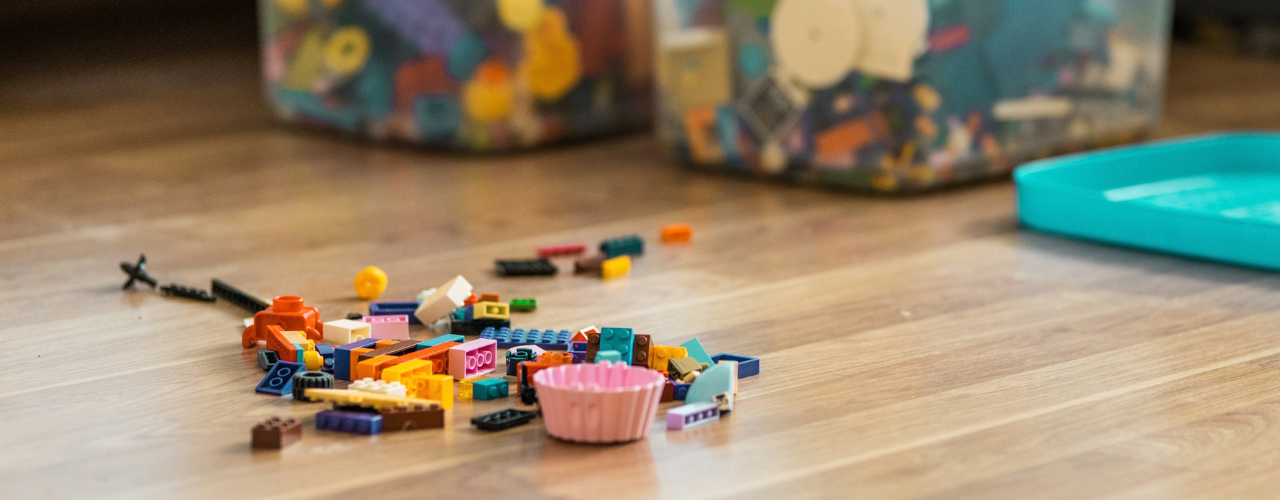
How to Store LEGOs: All the Fun, None of the Clutter
How to store LEGOs largely comes down to how your household uses them. If the bricks are part of everyday play, you need a setup that keeps them within easy reach and makes cleanup quick (for your feet’s sake, at least). Toy storage(opens in new tab) such as simple bins, playmats or containers that children can put away themselves may be enough. Larger or more serious collections usually need more organization, such as labelled drawers for loose pieces, trays for unfinished builds, shelves for completed models and separate storage for retired sets.

Cardboard Costume Guide: Tips and Ideas for a DIY Halloween
Whether for kids or adults, cardboard costume ideas often make the biggest splash once materialized, and that’s for a simple reason: doing a lot with a little is a universally impressive feat (especially in this economy). If you don’t have enough boxes you could temporarily repurpose, don’t worry! There are many places where you can find free moving boxes(opens in new tab), from stores and supermarkets to online groups and recycling drop-off spots. On the run? Try your luck at a self storage(opens in new tab) facility that sells moving supplies, often for cheap. This way, you can choose moving boxes of different shapes and sizes(opens in new tab), so you can make your costumes as complex as you want.

How to Celebrate Halloween: 9 Non-Spooky Ways To Enjoy It
As soon as October starts, it’s the official Halloween month. And while for many people it means it’s open season to get the scare of a lifetime, others, especially families with small children, might prefer to celebrate in a tamer way that’s both kid- and adult-friendly. While you’re likely to find more events where the spook factor is high, here’s how to celebrate Halloween in a not-so-scary way: