

Kitchen design can incorporate many differing perspectives, and ultimately it comes down to personal preference. That said, when it comes to the functionality of the space, it can help to consider some tried-and-tested theories to create the ideal layout — which is where the kitchen work triangle theory comes in.
What is the kitchen work triangle theory?
The kitchen work triangle is a design theory that suggests that the three primary work spaces of any kitchen should be laid out in the form of a triangle and distanced apart for optimal efficiency of use. The three main work areas are considered to be the refrigerator, the stove/oven, and the sink.
The history of the kitchen work triangle theory
After the second world war, the world began to recover from years of doom and gloom, and came to life, with many creations and inventions promising to improve daily life. Back then, the kitchen was considered to be a workplace primarily used by women to provide meals for the home. Men and children rarely even entered the kitchen. Kitchens were designed to be functional workshop-like spaces. Initially, an L-shaped layout was developed to improve upon efficiency of movement. From there, designers from the School of Architecture at the University of Illinois came up with the first work triangle-based kitchen layout in the 1940s.
How does the kitchen work triangle work?
The theory works upon the premise that many trips back and forth between the stove, sink and fridge when cooking warrant a design that optimally positions them in relation to each other. The design rules within the theory are:
- The three main elements, being the fridge, sink and cooktop, should be laid out in an imaginary triangular shape, and each element should be a minimum of 4 feet and a maximum of 9 feet apart.
- When positioned in this way, each side of the triangle should be a minimum of 13 feet and a maximum of 26 feet in length. This measurement depends upon the overall size and design of the space.
- There should be no interrupting items or obstacles protruding into the triangle space — no cabinets, doors, islands, etc.
- There should be no full-length cabinetry or other tall/floor-to-ceiling obstacles within the triangle.
- Ideally, the kitchen should be designed in such a way that the work triangle is not interrupted by any thoroughfares.
Is the work triangle theory still relevant to kitchen design today?
The way we use kitchens has certainly changed significantly in the last 50 years or so, but the fundamental premise that kitchen design must factor in efficient use of space and be task-oriented has never been more important.
And Sydney-based renovation specialists, Houseace, couldn’t agree more. “Modern kitchens are now used for many more activities than they used to be. Couples and families cook together, people work and socialize in them, children do their homework in them — the list is endless. So, naturally the design of a modern kitchen must be up to the challenge of optimizing the use of space like never before,” they said.
Essentially, the basic rules of the kitchen triangle design are still highly relevant and widely used today. The three primary elements remain the same, and many kitchen spaces still lend themselves perfectly to the design principles. Some, however, are much larger or differently shaped, requiring the work triangle rules to be used a little more loosely with some artistic license. Nevertheless, anyone cooking in a kitchen will still want their fridge, stovetop and sink to be in comfortable proximity to each other.
These days, designers have simply expanded upon the theory’s core premise and taken the importance of designing kitchens according to task one step further. By considering how a household will use the space uniquely, a designer can plan out zones of use to optimize the efficient use of the space, as well as improving the functional user experience once completed.
Kitchens can be zoned by uses and tasks such as baking, food storage and preparation, homework/children’s play, socializing/entertaining, beverage making, coffee stations — you name it! The specific needs of the end-users can be taken into account to design a uniquely efficient space.
Final thoughts
Even though the kitchen work triangle theory came about in very different times, it is still very relevant to kitchen design today. Designing with optimal functionality in mind is key, and all the more important now that we use our kitchens for so much more.
If you are considering renovating or newly designing a kitchen, be sure to consider all aspects of how you intend to use the space, and factor in these considerations as you design your layout. Self storage can help out at this time, being a place to store all your kitchen furniture and utensils while renovation is going on.
Depending upon the space you are working with, it can be difficult to adhere to every rule of the triangle theory, but it is best to work as closely to it as you can. By additionally zoning further in your design stage, you can create a kitchen that makes every task and activity feel easier and more relaxing. If you’re thinking of getting a new kitchen, and you’ve always had one that was a bit too cramped for comfort, consider the kitchen triangle theory.


Suburban Giants and Urban Risers: Where America’s 100 Largest Metros Fall on the Self Storage Map
Self storage has long been a suburban story. Across America largest 100 metros, 59% of the inventory built over the past decade sits outside city cores, largely preserving the ratio of the total existing inventory.
Sweatshirt Storage Ideas Worth Keeping Up Your Sleeve
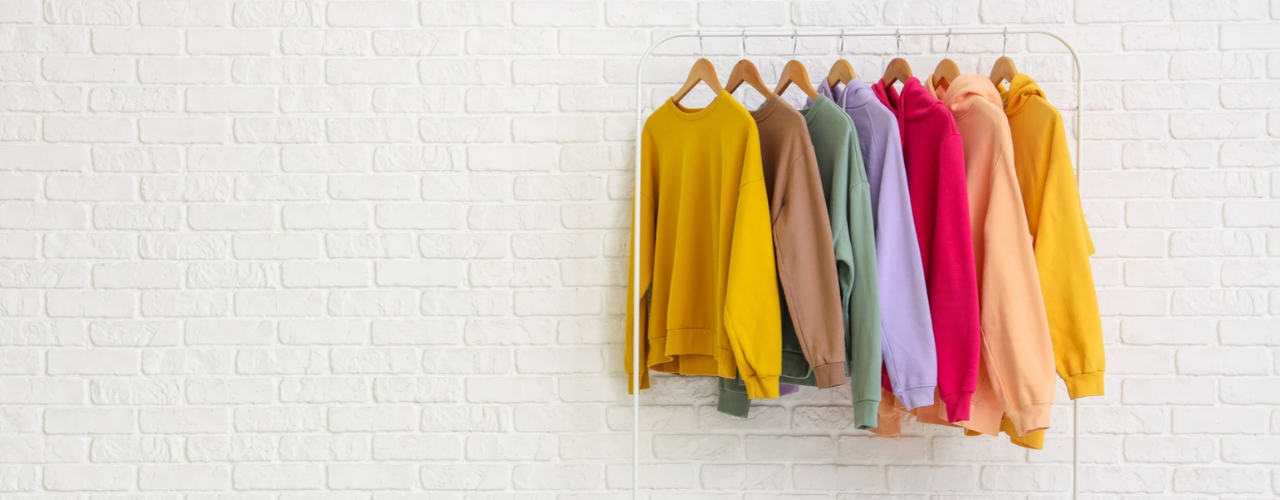
Sweatshirts are great until you realize how much room they take up. A few thick hoodies can fill a drawer fast, with lighter crewnecks getting squashed underneath or pushed somewhere you forget about. Good sweatshirt storage can make that pile much easier to manage without requiring a bigger closet.
Living Room Storage Ideas: 28 Ways to Reclaim Your Hosting Space
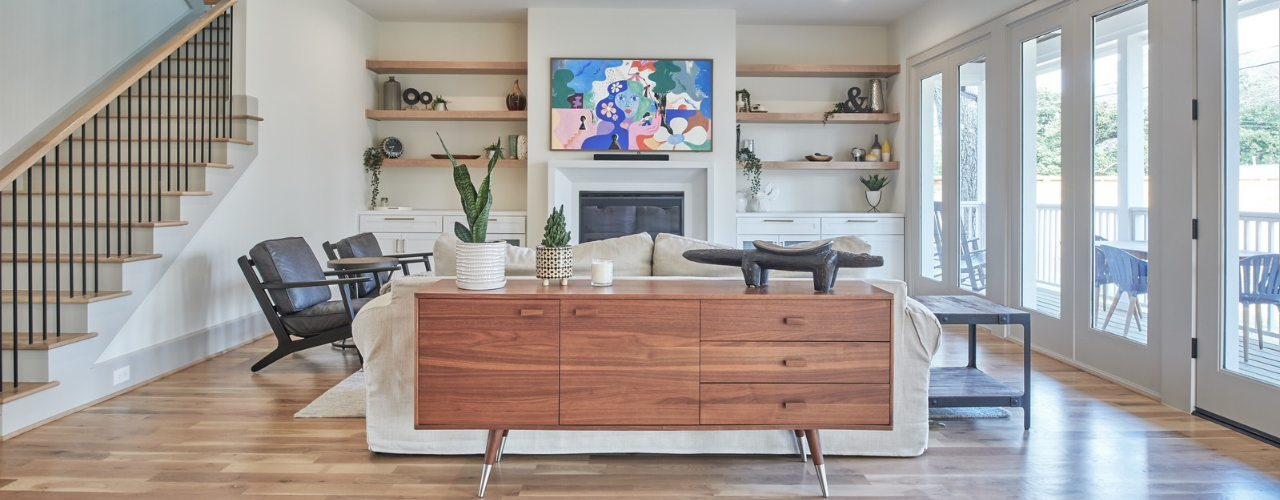
If a living room is where most of a household’s living happens, good storage should be the top priority for setting up or revamping the place. After all, think of how easier it would be to have people over when tidying up the place is just a matter of putting things in their right place (in a time when fewer and fewer people are entertaining friends at home(opens in new tab)). The trick is making room for all those wayward clothes, blankets, chargers and other small things that end up on (or, inexplicably, in) the sofa. Here are 28 living room storage ideas to get you started and make tidying up a quick affair.
25 Mudroom Storage Ideas (And Mistakes to Avoid)
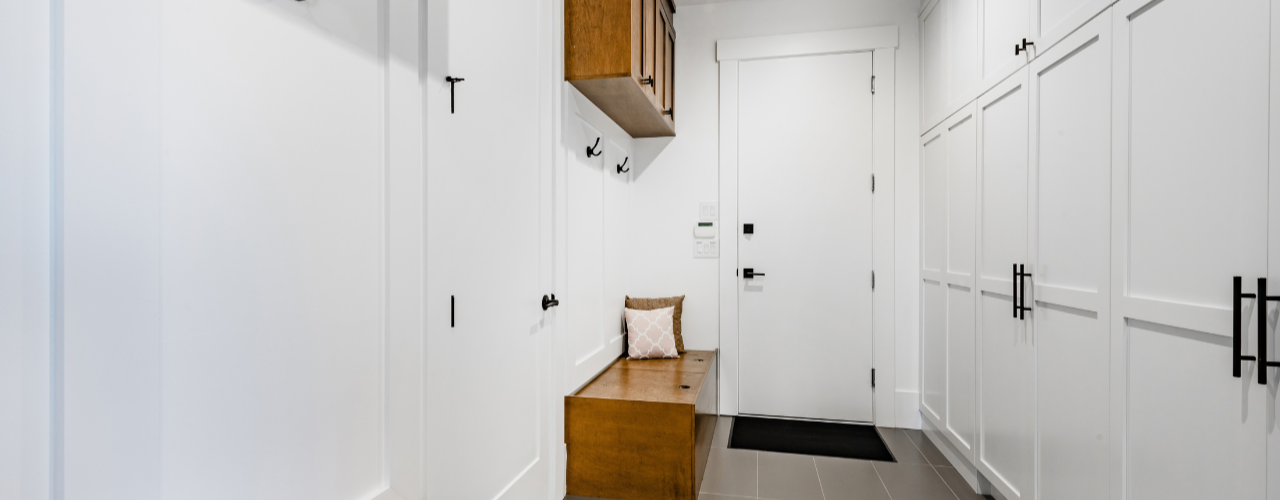
When you come home with muddy boots, an armful of bags and a coat you can’t wait to take off, it’s nice to have somewhere to put it all. With a mudroom, you can leave the outdoor mess at the door instead of carrying it through the house. Traditionally, you’d set aside a separate room, but you can just as easily use a hallway, an entryway closet, a laundry-room corner or a stretch of wall near the entrance.
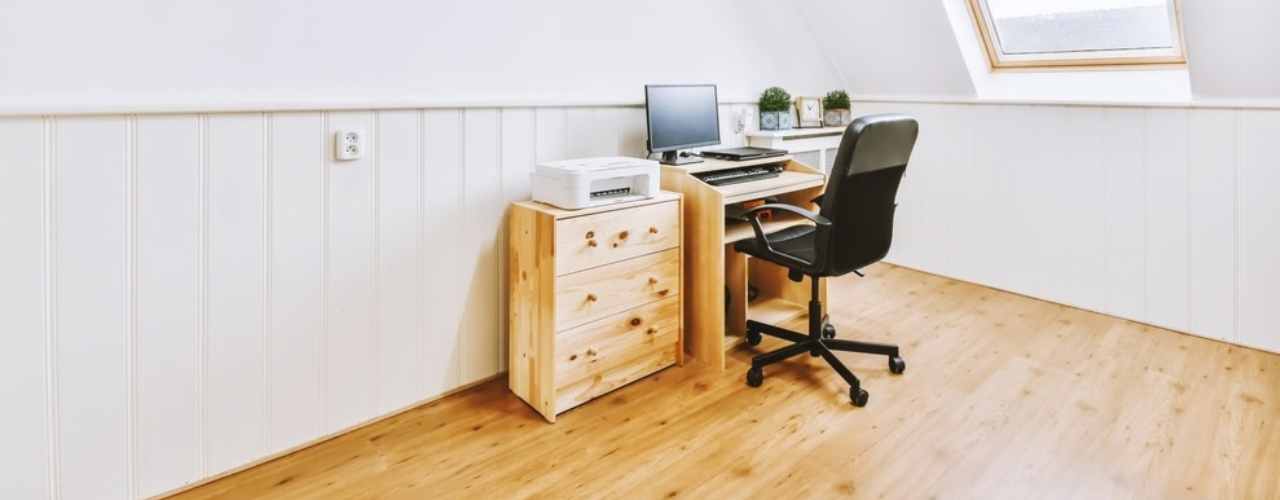
Is Your Home Office Worth the Rent? What Coworking and Self Storage Could Save You
Every square foot of your apartment comes with a price tag, and a home office claims more of them than most renters expect. It starts with a desk. Then come the second monitor, the printer, the filing cabinet and the overflow boxes. Before long, the corner you set aside for work has turned into a small room you are paying for every month.

Best U.S. Cities to Live Uncluttered: Plano, TX, Offers the Most Room to Breathe
Clutter is in our homes as much as in our heads. Both are shaped by where we live.

America’s Top Snowbird Destinations for 2026–2027: Florida Leads in Numbers, Texas Wins on Value
For Americans living in colder states, the approach of winter is reason enough to start looking south. Cold weather carries costs that go beyond the heating bill and shoveling snow. Seasonal affective disorder(opens in new tab) is far more prevalent in northern states, so a temporary move south isn’t simply an escape from the cold, but a chance to spend the hardest stretch of winter outdoors and in the sun.

How Much Does Halloween Really Cost in 2026? Plan Wisely to Avoid the Scare of Hidden Costs
Americans’ love for Halloween is almost frightening — this year alone, we are on our way to spending $13.5 billion, according to data from the National Retail Federation(opens in new tab). That breaks down to about $115 Halloween costs per person, a whopping 49% more than 10 years ago.
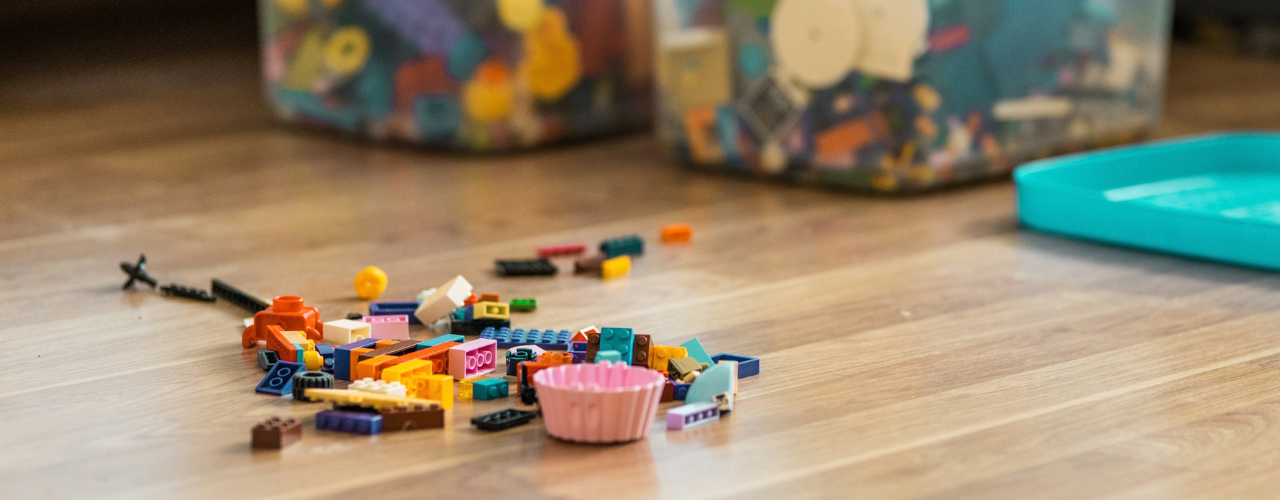
How to Store LEGOs: All the Fun, None of the Clutter
How to store LEGOs largely comes down to how your household uses them. If the bricks are part of everyday play, you need a setup that keeps them within easy reach and makes cleanup quick (for your feet’s sake, at least). Toy storage(opens in new tab) such as simple bins, playmats or containers that children can put away themselves may be enough. Larger or more serious collections usually need more organization, such as labelled drawers for loose pieces, trays for unfinished builds, shelves for completed models and separate storage for retired sets.