

The NBA season is now underway and there’s a lot in store for basketball fans during the 82-game regular season. There are plenty of reasons to tune in, night in and night out, before the post-season kicks off. The fans are back in the arenas, this year’s rookie class looks promising and there seem to be more title contenders than in previous years. The usual suspects will probably make it to the play-offs without major difficulties (Bucks, Nets, Clippers, Lakers, Nuggets, Jazz), but plenty of underdogs (such as the Knicks, Heat, Warriors, Bulls, Wizards) have not looked this strong in several years, after successful off-season moves.
So, whether you’re proudly wearing your jersey to your team’s home games, keeping it displayed neatly somewhere in the house or safely put away in storage, it’s important to know the ins and outs of storing basketball jerseys. You might own a jersey with your favorite player’s name on it, you might have a couple of throwback uniforms, or you might even be a collector, constantly on the lookout for the most iconic jerseys out there. Whatever the category that you find yourself in, these tips are for you.
The basics of jersey care and what to avoid

To start off, it is important to differentiate between apparel you use for actually shooting hoops and uniforms that only wear to the arena or to your NBA watch party. However, preserving sports jerseys takes a lot of care and attention, either way – especially if you’re collecting sports memorabilia and want to display it proudly.
While basketball jerseys can be super valuable – emotional value or actual financial value – they are also surprisingly easy to damage. Ultimately, preserving specific jerseys should not be essentially different from taking care of any other clothing item, as it ultimately boils down to maintaining the textile quality.
Thus, it is important to safeguard your jerseys against direct sunlight, humidity and heat. These make the material fade in color, degrade in quality and decrease in value. Mold, rot and frayed stitching are other concerns, should you choose a poor storing space for your uniform.
Storage options, issues and needs
Rolling jerseys (and clothes in general) is tempting, as it allows for easier and more compact storage. However, if you are not sure about the quality of the environment (UV light, heat, humidity), rolling your basketball jerseys might not end up well. In the case of long-term storage, it would be best to have control over the characteristics of the space, maybe making it okay to roll your uniforms. While plastic bags are used quite frequently in this context and while they do keep out UV light, you have no way of controlling heat or humidity.
Since even repeatedly folding a clothing item can reduce its textile quality and its value, the best way to keep basketball jerseys is unfolded and flat. Display cases made specifically for sports apparel can allow for a safe and visually appealing storage and display method. Large and lockable display cases go for around $80 on Amazon, for instance, and they are generally regarded as good investments. Most cases also provide some level of UV protection, along with keeping dust, moths, chemicals and other harmful stuff off your precious memorabilia.
Storing a jersey for decades

Choosing the right storage method can make the difference between a worn-out unappealing jersey and a crisp uniform that still looks brand new after 20 years. In case you do want to preserve your jersey for more than a few months, you might not want to cheap out. Plastic and more inexpensive storage options in general have the tendency to erode fabric and also leave unpleasant smells after longer storage periods. Look into acrylic display cases for jerseys, as they are affordable and offer protection at the same time.
For a lot of people, basketball jerseys have personal significance, while for others, there is also some material value. Taking care of your sports apparel essentially requires plenty of attention when it comes to storage. Don’t forget that climate-controlled self storage can also represent a good option and StorageCafe can help you with that. Ultimately, you know what’s best for you, so the ball is in your court.


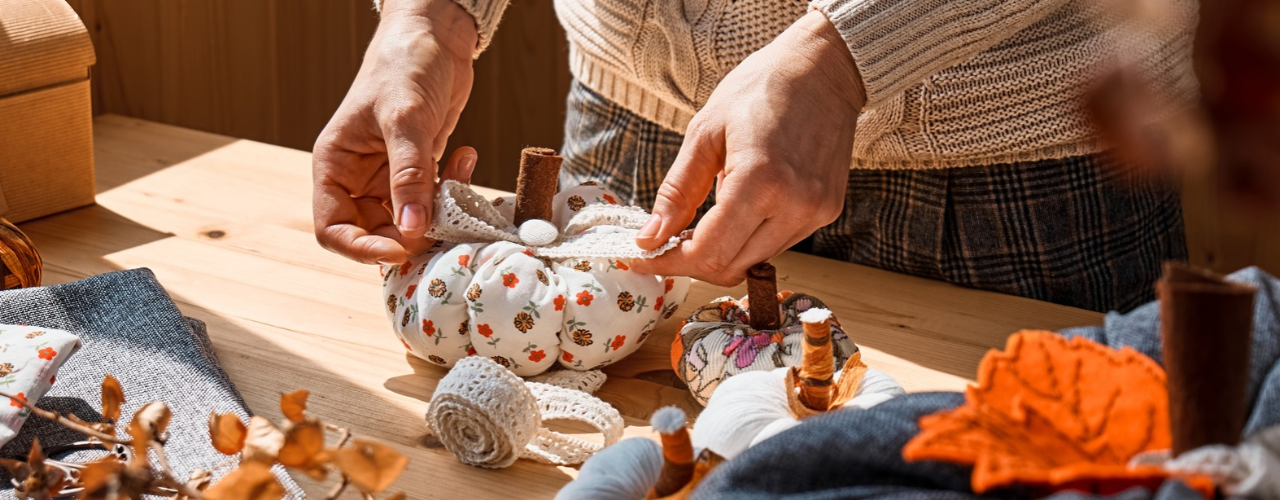
Scary Good DIY Halloween Decorations That Won’t Haunt Your Wallet
A few floating candles in the hallway, a family of ghosts by the front door and a suspicious number of bats climbing up the bedroom wall can make October feel a whole lot spookier. While Halloween stores are full of tempting finds, some of the best DIY Halloween decorations can come from things you already have tucked away in drawers, closets or the recycling bin.

Suburban Giants and Urban Risers: Where America’s 100 Largest Metros Fall on the Self Storage Map
Self storage has long been a suburban story. Across America largest 100 metros, 59% of the inventory built over the past decade sits outside city cores, largely preserving the ratio of the total existing inventory.
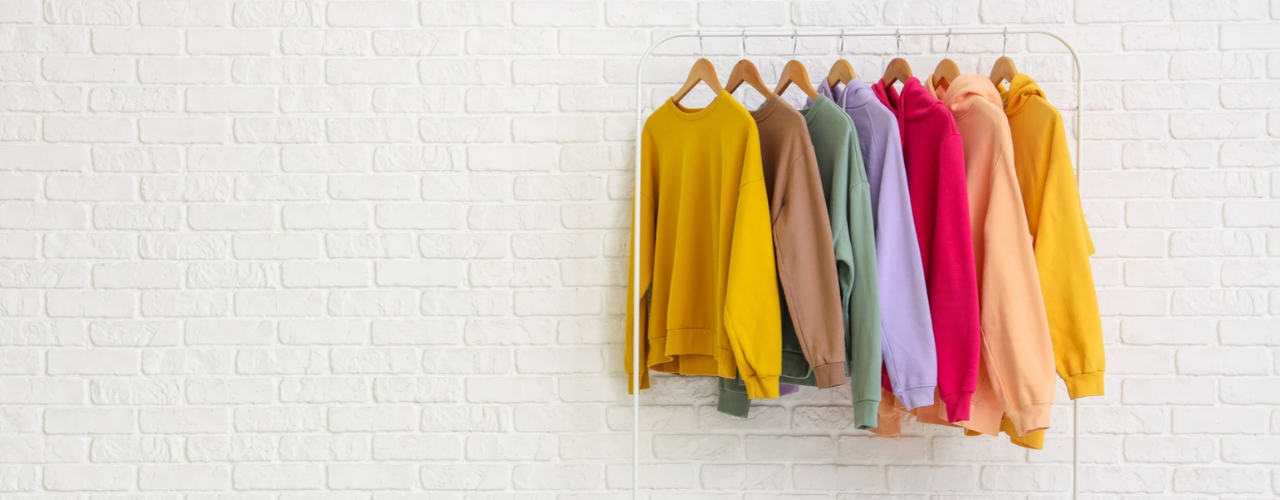
Sweatshirt Storage Ideas Worth Keeping Up Your Sleeve
Sweatshirts are great until you realize how much room they take up. A few thick hoodies can fill a drawer fast, with lighter crewnecks getting squashed underneath or pushed somewhere you forget about. Good sweatshirt storage can make that pile much easier to manage without requiring a bigger closet.

Living Room Storage Ideas: 28 Ways to Reclaim Your Hosting Space
If a living room is where most of a household’s living happens, good storage should be the top priority for setting up or revamping the place. After all, think of how easier it would be to have people over when tidying up the place is just a matter of putting things in their right place (in a time when fewer and fewer people are entertaining friends at home(opens in new tab)). The trick is making room for all those wayward clothes, blankets, chargers and other small things that end up on (or, inexplicably, in) the sofa. Here are 28 living room storage ideas to get you started and make tidying up a quick affair.

25 Mudroom Storage Ideas (And Mistakes to Avoid)
When you come home with muddy boots, an armful of bags and a coat you can’t wait to take off, it’s nice to have somewhere to put it all. With a mudroom, you can leave the outdoor mess at the door instead of carrying it through the house. Traditionally, you’d set aside a separate room, but you can just as easily use a hallway, an entryway closet, a laundry-room corner or a stretch of wall near the entrance.

Is Your Home Office Worth the Rent? What Coworking and Self Storage Could Save You
Every square foot of your apartment comes with a price tag, and a home office claims more of them than most renters expect. It starts with a desk. Then come the second monitor, the printer, the filing cabinet and the overflow boxes. Before long, the corner you set aside for work has turned into a small room you are paying for every month.

Best U.S. Cities to Live Uncluttered: Plano, TX, Offers the Most Room to Breathe
Clutter is in our homes as much as in our heads. Both are shaped by where we live.

America’s Top Snowbird Destinations for 2026–2027: Florida Leads in Numbers, Texas Wins on Value
For Americans living in colder states, the approach of winter is reason enough to start looking south. Cold weather carries costs that go beyond the heating bill and shoveling snow. Seasonal affective disorder(opens in new tab) is far more prevalent in northern states, so a temporary move south isn’t simply an escape from the cold, but a chance to spend the hardest stretch of winter outdoors and in the sun.

How Much Does Halloween Really Cost in 2026? Plan Wisely to Avoid the Scare of Hidden Costs
Americans’ love for Halloween is almost frightening — this year alone, we are on our way to spending $13.5 billion, according to data from the National Retail Federation(opens in new tab). That breaks down to about $115 Halloween costs per person, a whopping 49% more than 10 years ago.