
Most Americans Are Happy With Their Neighbors, With Indy, Columbus And Houston Heading Our Neighborly Nation

Key takeaways:
- Indianapolis, IN, is the most neighborly city in 2021 based on a composite score that looks at neighbor satisfaction, sense of community, community involvement and how well recommended a city is
- Looking at individual metrics, people are the happiest with their neighbors in Columbus, OH; Houston, TX, and Nashville, TN, have the strongest sense of community; Philadelphia, PA, comes first for the locals’ involvement in community activities; Nashville, TN communities get the most votes of confidence as locals are most likely to recommend them as good places to live
- About 33% of Americans are unhappy with their neighbors
- 67% of respondents reported intent to move away from their neighborhood, with cost of living as the main reason behind a potential relocation
Aside from location, space and affordability, community friendliness can be a deal-breaker when deciding where to live. Now, after almost two years of going through a pandemic, we have a renewed sense of appreciation for human connection. Having good neighbors can make our living experience more pleasant. They can create a sense of individual comfort as well as fostering bonds among the entire community. Whether through volunteering, throwing a block party, hanging out at the community center or engaging in conversations while at the local playground, living in a tight-knit neighborhood is associated with overall increased well-being.
Naturally, community friendliness differs, and some places do much better than others in cultivating strong neighborly connections. What are the cities that best embody the neighborly spirit? We surveyed close to 11,000 people from across the US to find out. Overall, most Americans are happy with the people next door, as 67% of responses indicated that they appreciate their neighbors. Furthermore, by analyzing the responses, we’ve also been able to create a ranking of the most neighborly cities that takes the following into account:
- satisfaction with neighbors
- sense of community
- involvement in community activities
- willingness to recommend the neighborhood to others
Generally, big cities are regarded as less neighborly, as urban life is much more hectic and fast-paced than in smaller towns. But is this the case everywhere? We’ve looked at 30 mid-sized and big cities with populations over 280,000 to see where they stand in terms of neighbor friendliness. As it turns out, Indianapolis, Houston and Columbus top community neighborliness, with people more likely to live in friendly communities than in most other big cities.
Most Americans live in friendly communities, but the cost of living and the need to upgrade their home pushes them to move
According to our survey, most people are happy with their neighbors (67%). The Silent Generation & Gen Zers report a slightly higher satisfaction with their neighbors than the other age groups.
33% of respondents, however, report being dissatisfied with their neighbors. Millennials make up the largest chunk of those who aren’t happy with the people next door.
About 45% of people think there’s a strong sense of community in their neighborhood, while 30% are neutral on the subject. Of those who answered positively to getting involved in the community, Gen Zers are the most eager to take part in community activities. Having grown up exposed to current social issues, they’re more inclined to want to make a difference in the world. As it turns out, donating to organizations and supporting various causes comes naturally to Gen Zers.
Additionally, most people (56%) would recommend the neighborhood they live in. Baby Boomers (61%) are among the most enthusiastic about vouching for their neighborhood.
Even though they generally appreciate the communities they live in, most Americans (67%) say they plan to move away from their current neighborhood, citing cost of living as the main reason why. In fact, the cost of living has increased across the country in recent times. In Atlanta, GA, for example, where relocations are primarily driven by cost of living, it went up 7.9% year-over-year in November 2021, more than the national average (6.8%). Similarly, Dallas, TX, also experienced a 7.5% annual increase in the cost of living in November. In San Diego, CA, the cost of living increased by 6.6%.
The need to upgrade their home is the second reason pushing people to seek a new home elsewhere, followed by changes in family composition. Pursuing a new job and downsizing are also behind many people’s intention to relocate.
Location is the most sought-after neighborhood feature, while noise is the worst offender
Location, location, location. Real estate agents have been playing this on repeat for ages and it’s still key to assessing current housing choices. For survey respondents, location wins hands down as the thing they most love about their neighborhood. Gen Xers indicate a slightly stronger appreciation of their neighborhood’s position than other age groups.
A quiet environment comes second after location on the list of best neighborhood features, followed by parks and recreation areas, infrastructure and schools.
On the other hand, noise is what bugs people about their neighborhood across the board. Millennials declare themselves to be the most bothered by noise, followed by Gen Xers.
Indianapolis, IN, is the best place where neighbors are likely to hit it off
Most people desire neighborly communities. But how easy is it to find one that nurtures our need to feel connected? We’ve asked respondents to share their perception of friendliness in the communities they live in based on criteria such as satisfaction with their neighbors, their feel of the local sense of community, participation in community activities and their willingness to recommend their neighborhoods to others.

As it turns out, Indianapolis is the most neighborly place in the U.S. and there are a lot of reasons for that. Nearly three out of four residents - roughly 74% of locals - are happy with their neighbors. Additionally, Indy boasts a strong sense of community, with 58% of locals feeling satisfied with what their neighborhood has to offer. The city's spirit of civic engagement is also high, with 65% of people choosing to volunteer, donate to charity or clean up public spaces. More than half of Indy residents would recommend their neighborhood to other people too.
Among locals planning to change residence, changes in family composition are the main driver for moving. This varies by age group, however, as members of the Silent Generation are more eager to move, citing downsizing as the main reason behind this decision.
Following closely behind, Columbus, OH, comes off as a particularly neighborly US city. This is based on a combination of factors including neighbor satisfaction, sense of community, community involvement and how well recommended a city is.

Gardens in the German Village area of Columbus, Ohio
Looking specifically at neighbor satisfaction, Columbus locals are the happiest, based on their self-reporting. Additionally, local neighborhoods seem to be united by a local desire to be involved and help out others in need, as 54% of Columbus residents claim they enjoy a strong sense of community. A great majority of Columbus residents report being involved in the neighborly act of giving, whether they volunteer or donate to charity.
People in Columbus take pride in their communities and wholeheartedly recommend living in their city – further proof of the Midwestern-nice atmosphere that’s prevalent here.
Of the Columbus respondents that declared they wish to move, Baby Boomers make up the largest chunk of potential movers. They cite the changes in family composition or downsizing as the main reasons for moving.
Houston is a place Mr. Rogers would happily call home thanks to the high reported rates of friendly neighbors. Overall, it ranks third among the 30 cities for community neighborliness. Locals are especially happy with those living next to them and take being neighborly seriously.

A row of houses in the historic Houston Heights
In fact, based on the responses to our survey, Houston boasts the strongest sense of community of any big city in the country. If you live in Houston, you’re likely to have neighbors who look out for you, whether they do you a favor now and again or they volunteer in the community.
Even though Houston is a happy place to live, not everybody wants to stay there. In fact, about three quarters of Houston residents expressed the intention to move elsewhere, whether to another neighborhood or to a new city. Gen Zers and Baby Boomers are the most intent on relocating, with the cost of living and a change of employment being the main reasons for wanting a new place to live.
In Nashville, TN, about 72% of people report being happy with their neighbors. And that’s no small feat. Perhaps they owe some of that high satisfaction with their friends across the fence to the great community bond the city boasts. In fact, Nashville shares the same spot with Houston on the podium for the strongest sense of community. With over 61% of locals claiming there’s a strong sense of community where they live, it’s no wonder Nashville has the largest share of residents (71%) recommending their neighborhood to other people. Perhaps Nashville should add “Please move here, we’re nice!” under their city welcome sign.

Row houses in the Germantown neighborhood of Nashville, Tennessee.
At the other end of the spectrum, Jacksonville, FL, scores way lower on neighborliness than other big cities in the U.S. It comes last among the 30 urban hubs we looked at in terms of how locals perceive the community atmosphere.
Many feel the sense of community as lacking in Jax and do little in terms of volunteering, donating to charity or simply helping out the community. A lot of Jacksonville residents plan to change their places of residence, citing changes in family composition as the primary reason to do so.
Los Angeles is also among the least neighborly cities in the U.S. Locals believe there isn’t a strong sense of community and over half of them don’t participate in community activities. Consequently, close to half of Angelenos wouldn’t recommend their neighborhood to others. Cost of living is the main reason most people in the City of Angels want to leave their current neighborhood.
Self storage aids with relocation as people seek out neighborly communities
Living in a neighborly community is something that most people want to have. Moving to another neighborhood or another city whether they're looking for better housing, job opportunities or friendly neighbors is a time of transition that can be challenging. Therefore, self storage is a service that can make this time a little more manageable. People can put their belongings in a storage unit while they're in-between homes. Additionally, when moving to another city altogether, they can send their household items ahead of their moving day and have them put in a storage unit to make moving a little easier. See below how the most neighborly cities fare when it comes to self storage rates:
Self Storage Rates and Availability
| City | Self Storage per Capita (sq.ft.) | Self Storage Street Rate(10'x10' NNC) |
|---|---|---|
| Indianapolis, IN | 8.5 | $88 |
| Columbus, OH | 5.7 | $91 |
| Houston, TX | 11.3 | $97 |
| Minneapolis, MN | 4.3 | $112 |
| Raleigh, NC | 10.1 | $96 |
| Nashville, TN | 5.6 | $120 |
| Miami, FL | 18.3 | $185 |
| San Francisco, CA | 2.5 | $274 |
| Orlando, FL | 27.8 | $118 |
| Charlotte, NC | 8.2 | $102 |
| Austin, TX | 10.3 | $122 |
| Phoenix, AZ | 6.2 | $128 |
| New York City, NY | 2.6 | $392 |
| Tucson, AZ | 11.2 | $120 |
| Philadelphia, PA | 3.5 | $158 |
| Atlanta, GA | 10.7 | $150 |
| Cincinnati, OH | 11.7 | $100 |
| Tampa, FL | 17.1 | $119 |
| Dallas, TX | 7.4 | $104 |
| Seattle, WA | 5.0 | $195 |
| Washington, DC | 2.7 | $165 |
| Las Vegas, NV | 20.5 | $131 |
| San Antonio, TX | 10.6 | $112 |
| Portland, OR | 7.0 | $152 |
| San Diego, CA | 4.3 | $182 |
| Denver, CO | 7.0 | $132 |
| Sacramento, CA | 11.8 | $156 |
| Chicago, IL | 4.2 | $133 |
| Los Angeles, CA | 1.6 | $258 |
| Jacksonville, FL | 10.2 | $122 |
You can check out the full list of the 30 cities we analyzed and check out how they compare in terms of neighborliness below:
Featured expert opinion
To gain an in-depth perspective on neighborliness and its impact on community life, we've talked to Dr. Joseph Ferrari from DePaul University.
Dr. Joseph Ferrari, Ph.D., Vincent de Paul Professor of Community Psychology, DePaul University, College of Science and Health 
- In which ways does being neighborly shape a community?
Creating livable spaces where people can gather seems to increase people's satisfaction and the overall likeability and neighborliness of a community. Besides residential buildings, parks, sidewalks and community centers are the kinds of settings that help to foster neighborliness. Additionally, past research on cul-de-sacs found that they create a greater sense of neighborliness than regular straight blocks do. People got to know each other, but they felt a little more isolated than the other people on the other side of a cul-de-sac or perhaps down the street. However, walkable spaces where people can gather make neighborhoods and cities more likable and people more neighborly.
- How can being friendly with neighbors influence individual well-being?
Because people are social by nature, they need each other. Being in a setting where people can get to know each other, such as a neighborhood, can create a system of mutual support. Having this support increases life satisfaction, agreeableness, a sense of a feeling at home and a sense of community. Having the support of the community can make the individual feel at home. Each of these invariably has a positive impact on personal well-being.
- Has being neighborly changed in the aftermath of COVID-19?
Since no research has emerged yet on the topic, there is room to hypothesize. If neighbors used to interact before COVID, they will probably continue to do so. The pandemic might have made people sad because they couldn't communicate in person anymore, but they still shared that bond. That only made people reach out to each other in another way while social distancing. The term is inaccurate, as we were, in fact, asked to physically distance. This has created an opportunity to socialize differently. For instance, at Halloween this year, people created tubes they could slide candy down and into waiting buckets of excited trick-or-treaters.
If, on the other hand, people just moved into a neighborhood during those last two years and they never got to meet their neighbors, the situation is different. This might have made it difficult for them to be neighborly as they didn’t have a chance to frequently interact with their neighbors.
Methodology
This analysis was done by StorageCafe, an online platform that provides storage unit listings across the nation.
Our findings are based on a survey that ran on online real estate platforms rentcafe.com and propertyshark.com for a period of one month, among 10,987 respondents in the U.S.
To come up with the list of best neighborly cities, we first created individual rankings based on the questions in our survey that measure satisfaction with neighbors, sense of community, involvement in community activities and willingness to recommend the neighborhood to others. Then we created an overall ranking as an average of the individual rankings for the criteria mentioned previously.
Fair use and distribution
This study serves as a resource for the general public on issues of common interest and should not be regarded as investment advice. The data is true to the best of our knowledge but may change if amendments to it are made. We agree to the distribution of this content but we do require a mention in return for attribution purposes.


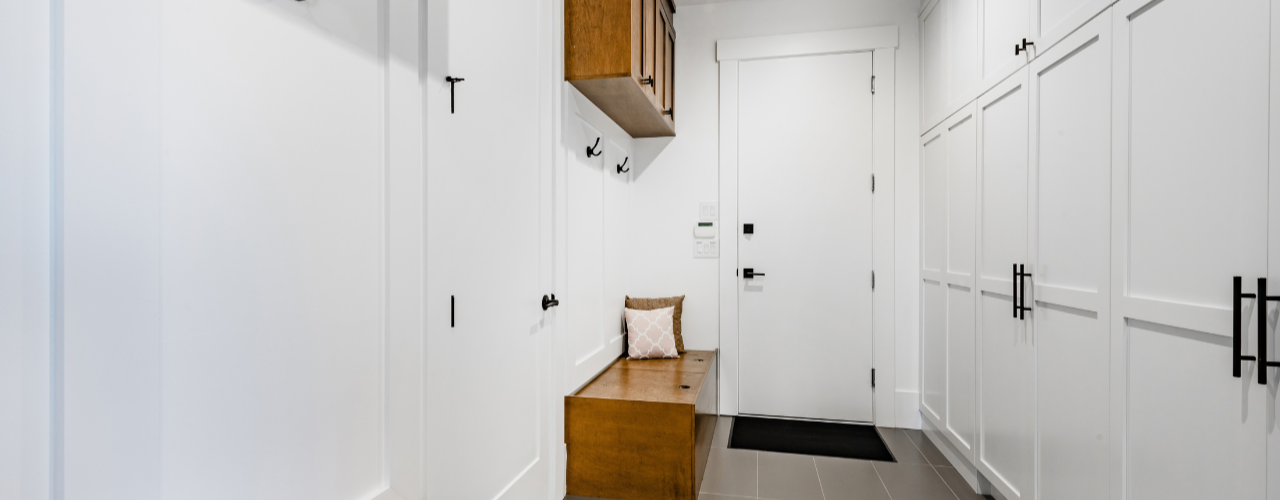
25 Mudroom Storage Ideas (And Mistakes to Avoid)
When you come home with muddy boots, an armful of bags and a coat you can’t wait to take off, it’s nice to have somewhere to put it all. With a mudroom, you can leave the outdoor mess at the door instead of carrying it through the house. Traditionally, you’d set aside a separate room, but you can just as easily use a hallway, an entryway closet, a laundry-room corner or a stretch of wall near the entrance.
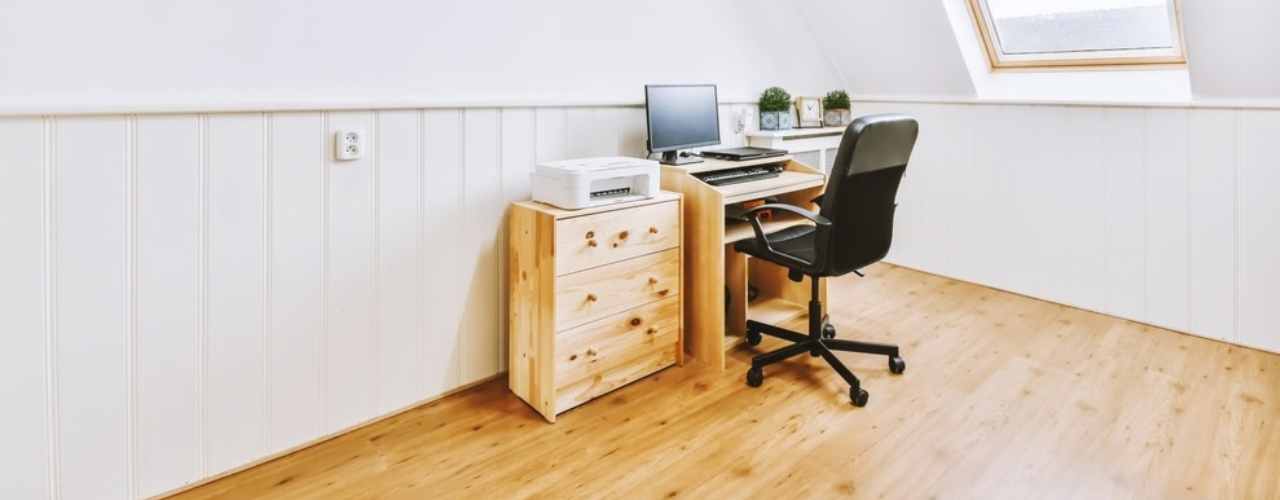
Is Your Home Office Worth the Rent? What Coworking and Self Storage Could Save You
Every square foot of your apartment comes with a price tag, and a home office claims more of them than most renters expect. It starts with a desk. Then come the second monitor, the printer, the filing cabinet and the overflow boxes. Before long, the corner you set aside for work has turned into a small room you are paying for every month.

America’s Top Snowbird Destinations for 2026–2027: Florida Leads in Numbers, Texas Wins on Value
For Americans living in colder states, the approach of winter is reason enough to start looking south. Cold weather carries costs that go beyond the heating bill and shoveling snow. Seasonal affective disorder(opens in new tab) is far more prevalent in northern states, so a temporary move south isn’t simply an escape from the cold, but a chance to spend the hardest stretch of winter outdoors and in the sun.

How Much Does Halloween Really Cost in 2026? Plan Wisely to Avoid the Scare of Hidden Costs
Americans’ love for Halloween is almost frightening — this year alone, we are on our way to spending $13.5 billion, according to data from the National Retail Federation(opens in new tab). That breaks down to about $115 Halloween costs per person, a whopping 49% more than 10 years ago.
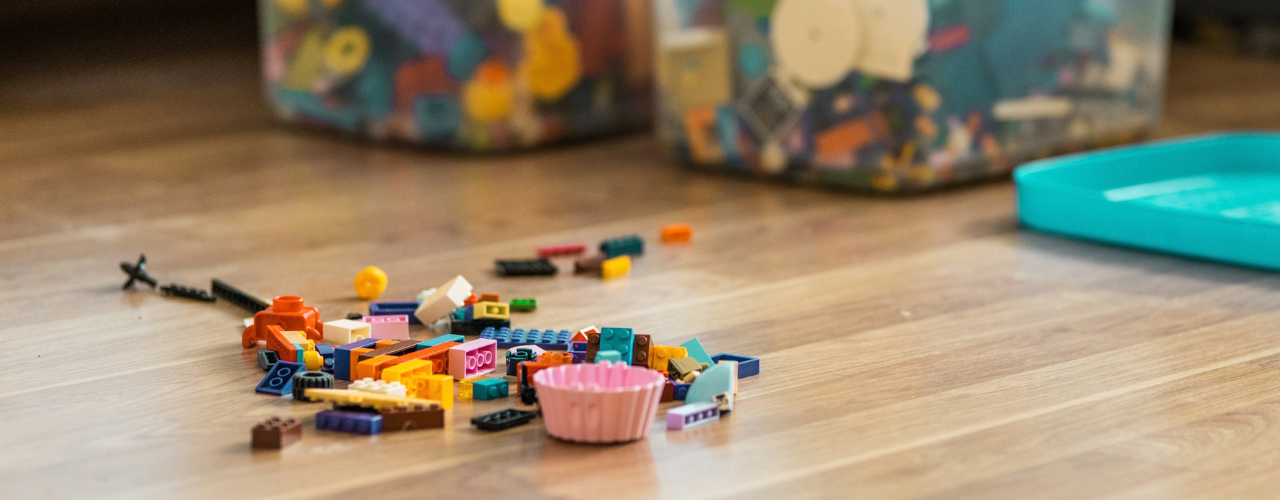
How to Store LEGOs: All the Fun, None of the Clutter
How to store LEGOs largely comes down to how your household uses them. If the bricks are part of everyday play, you need a setup that keeps them within easy reach and makes cleanup quick (for your feet’s sake, at least). Toy storage(opens in new tab) such as simple bins, playmats or containers that children can put away themselves may be enough. Larger or more serious collections usually need more organization, such as labelled drawers for loose pieces, trays for unfinished builds, shelves for completed models and separate storage for retired sets.
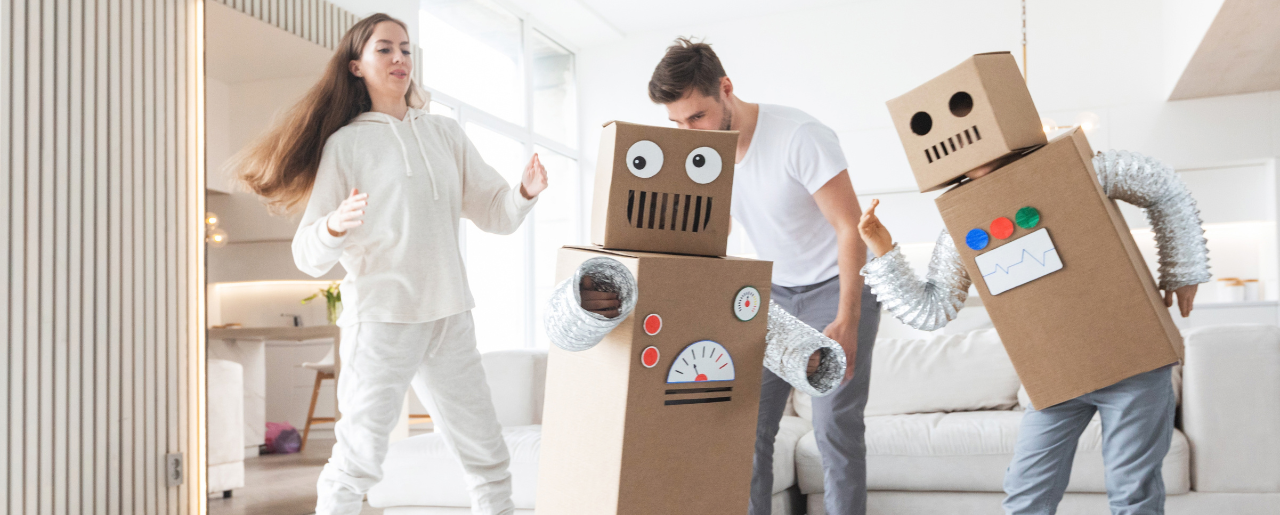
Cardboard Costume Guide: Tips and Ideas for a DIY Halloween
Whether for kids or adults, cardboard costume ideas often make the biggest splash once materialized, and that’s for a simple reason: doing a lot with a little is a universally impressive feat (especially in this economy). If you don’t have enough boxes you could temporarily repurpose, don’t worry! There are many places where you can find free moving boxes(opens in new tab), from stores and supermarkets to online groups and recycling drop-off spots. On the run? Try your luck at a self storage(opens in new tab) facility that sells moving supplies, often for cheap. This way, you can choose moving boxes of different shapes and sizes(opens in new tab), so you can make your costumes as complex as you want.

How to Celebrate Halloween: 9 Non-Spooky Ways To Enjoy It
As soon as October starts, it’s the official Halloween month. And while for many people it means it’s open season to get the scare of a lifetime, others, especially families with small children, might prefer to celebrate in a tamer way that’s both kid- and adult-friendly. While you’re likely to find more events where the spook factor is high, here’s how to celebrate Halloween in a not-so-scary way:

Motorcycle Storage Guide: How to Store Your Bike Safely
Motorcycles may be born to be wild, but eventually even the wild ones need somewhere to park. Whether riding season is winding down or your current living situation comes with plenty of square footage for you and less for your bike, motorcycle storage is one of those parts of ownership that doesn’t get as much airtime as the open road.

Halloween Decorating on a Budget (And Cheap Ideas for Everything Elsee)
Halloween has crept a long way from its eerie origins. While All Hallows’ Eve has transformed through the centuries, it wasn’t until the 1930s that trick-or-treating became a tradition in the U.S. and businesses began conjuring up mass-produced Halloween costumes. Now, Halloween is a monster-sized, billion-dollar industry, with a cauldron full of costumes and decorations ranging from the mainstream to the macabre. But is it all really worth your wallet? Maybe, but we’ll let you in on a little secret: You can keep your Halloween decorating on a budget and save on everything else, too. Take this plan and see it through!