

Most people have old electronics and small gadgets lying around the house, cluttering their living space. Whether we’re talking about old kitchen appliances stored in the basement or even bulkier items such as obsolete TVs stuffed in all sorts of places around the house, we’re all reluctant to get rid of these things. Maybe they foster a deep emotional value, such as your first PlayStation, or you’re just thinking that it would be a waste to throw them out. And you’re right! Moreover, e-waste is a worryingly growing problem at the global level at the moment.
If you’ve got old electronics around the house and you’re looking to get rid of them, we’ve got you covered. Here are 5 ways to reuse and repurpose them so they don’t go to waste.
1. Sell electronics or trade them in for credit
This might be the most obvious idea, so let’s get it out of the way. Just because you’re not using your old speakers or an outdated phone, it doesn’t mean that somebody else won’t need it. This is especially the case for gadgets that gain a financial value as they get older, as they are considered valuable vintage items. At the same time, buyback services like Decluttr, Gazelle or ItsWorthMore are gaining momentum, and they can help you get rid of your old, unwanted tech.
Alternatively, more and more companies receive such items in exchange for store credit. That way, it will be much easier for you to replace older items in your home with newer ones. Amazon, Apple, BestBuy, Target and Walmart are only a few examples of companies with trade-in services, taking back used electronics and rewarding you for your effort. At the same time, companies like TerraCycle and Earth911 offer mail-in boxes for your e-waste, while Recycle Nation helps you find drop-off locations near you.

2. Donating used electronics
In case your used devices still work, they can have a precious second life in somebody else’s hands. Arguably the most socially beneficial method of recycling old tech, taking your usable devices to donation centers, such as Goodwill and the Salvation Army, is a common way to get rid of used electronics while doing a good deed at the same time. These donation centers even carry out pick-ups from your house if you have a large donation.
Local schools, community centers, youth programs and refugee organizations are a few other places and groups that could greatly benefit from receiving your gadgets. For instance, your old computer, which you consider outdated, could be of great use and joy to an individual in need. The National Cristina Foundation is a case in point, as it donates old laptops to people that need the technology but cannot afford it.
3. Inventive and original repurposing of electronics
CPU keychains and iMac fish tanks are, among many other examples, creative ideas that can come out of used tech. DIY enthusiasts can work wonders with obsolete gadgets and the sky is the limit when it comes to repurposing computers, tablets, toasters and scanners. Since cats are so cozy and comfy around computers, why not turn your vintage computer monitor into a cat bed? Moreover, people have been turning VHS players into toasters, computer fans into desk fans and much more. Take a look at these original ideas; you might find one that appeals to you!
Likewise, old blenders can be turned into fun-looking lamps, bulky retro computers can become jukeboxes or aquariums, while webcams that you’re not using anymore can easily be repurposed as home security systems. If you’re feeling especially artsy, you can join the trend of people turning their old CD collections into eye-catching pieces of art. Feel free to look through further innovative ideas to give your place a unique charm and creative vibe, while considerably reducing e-waste at the same time.

4. Self storage is a great place for electronics
Home appliances represent the third-most frequently stored item found in self storage units, just after furniture and clothing. Whether people are looking to downsize, carry out home renovation projects or simply don’t have enough room for their stuff at home, storing old tech in self storage is a common solution among Americans. Why would you choose to keep your electronics in a storage space? Well, the answer is two-fold. First of all, the value of certain items may increase over time, turning them into collectors’ items and making them remarkably valuable and financially rewarding. Secondly, if you’re unsure of what to do with them and suspect they might serve another purpose in the future, this is the way to go.
Self storage units can ensure your items are kept in top condition, especially if you choose to rent a climate-controlled space. It is recommended that you properly store your electronics, in order to avoid any damage deriving from long-term storage. Furthermore, besides the fact that self storage as an industry has been booming recently, the space that it offers is significantly inexpensive, especially when compared to the cost of residential space. At the moment, the national monthly average for a standard 10’x10’ unit stands at only $128.
5. Save money by repairing and reusing old devices
Buying new tech is always attractive, but it’s hard to keep up with everything that’s on the market. It’s also very expensive. A good way to save money and refrain from continuously buying the latest and newest device is to take it upon yourself to repair your old tech and reuse it on a daily basis. While outdated-looking computers, tablets and phones might not have the appeal of newer models, they can still be used properly with minor tweaks and repairs.

Essentially, when electronics break, it’s actually just one component that’s broken and needs to be fixed or replaced. You can find out everything you need to know about fixing these smaller components online, or you can alternatively take them to a specialist who can professionally identify the broken piece and help you get your gadget running again. If you’re willing to take the DIY route and give it a try yourself, start by browsing IFIXIT, a wide range of repair guides for electronic gear. With the infinite wisdom of the internet and like-minded people at hand, you can now make a much more informed decision when it comes to fixing or junking your device.
Finally, let’s not forget about being environmentally friendly. Nowadays, recycling old and unwanted electronics is easier than ever. With just a bit of effort, people can work together in order to protect the planet and create a livable environment.



Scary Good DIY Halloween Decorations That Won’t Haunt Your Wallet
A few floating candles in the hallway, a family of ghosts by the front door and a suspicious number of bats climbing up the bedroom wall can make October feel a whole lot spookier. While Halloween stores are full of tempting finds, some of the best DIY Halloween decorations can come from things you already have tucked away in drawers, closets or the recycling bin.

Suburban Giants and Urban Risers: Where America’s 100 Largest Metros Fall on the Self Storage Map
Self storage has long been a suburban story. Across America largest 100 metros, 59% of the inventory built over the past decade sits outside city cores, largely preserving the ratio of the total existing inventory.

Sweatshirt Storage Ideas Worth Keeping Up Your Sleeve
Sweatshirts are great until you realize how much room they take up. A few thick hoodies can fill a drawer fast, with lighter crewnecks getting squashed underneath or pushed somewhere you forget about. Good sweatshirt storage can make that pile much easier to manage without requiring a bigger closet.

Living Room Storage Ideas: 28 Ways to Reclaim Your Hosting Space
If a living room is where most of a household’s living happens, good storage should be the top priority for setting up or revamping the place. After all, think of how easier it would be to have people over when tidying up the place is just a matter of putting things in their right place (in a time when fewer and fewer people are entertaining friends at home(opens in new tab)). The trick is making room for all those wayward clothes, blankets, chargers and other small things that end up on (or, inexplicably, in) the sofa. Here are 28 living room storage ideas to get you started and make tidying up a quick affair.
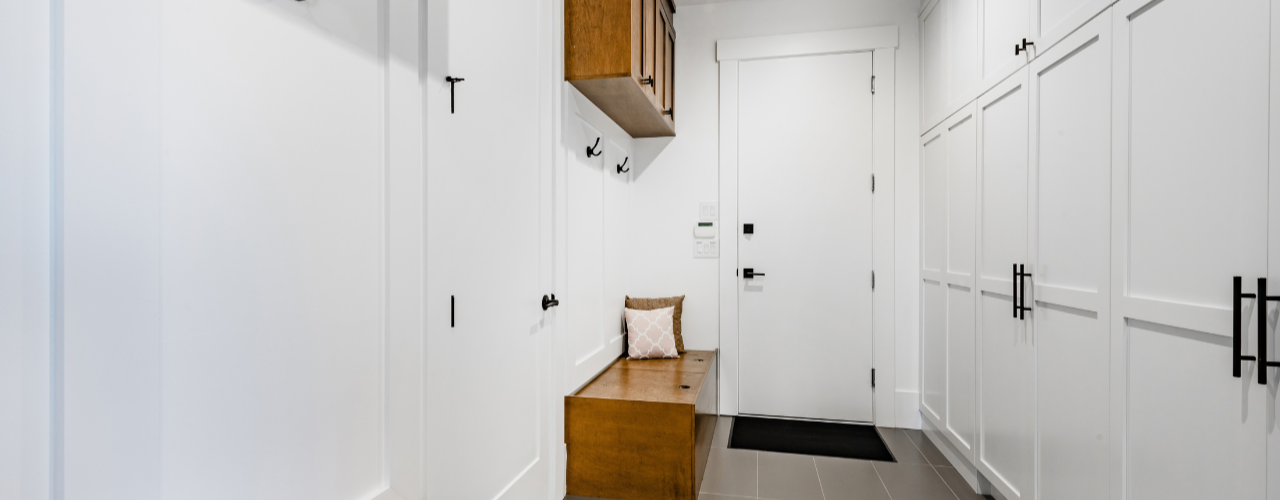
25 Mudroom Storage Ideas (And Mistakes to Avoid)
When you come home with muddy boots, an armful of bags and a coat you can’t wait to take off, it’s nice to have somewhere to put it all. With a mudroom, you can leave the outdoor mess at the door instead of carrying it through the house. Traditionally, you’d set aside a separate room, but you can just as easily use a hallway, an entryway closet, a laundry-room corner or a stretch of wall near the entrance.

Is Your Home Office Worth the Rent? What Coworking and Self Storage Could Save You
Every square foot of your apartment comes with a price tag, and a home office claims more of them than most renters expect. It starts with a desk. Then come the second monitor, the printer, the filing cabinet and the overflow boxes. Before long, the corner you set aside for work has turned into a small room you are paying for every month.

Best U.S. Cities to Live Uncluttered: Plano, TX, Offers the Most Room to Breathe
Clutter is in our homes as much as in our heads. Both are shaped by where we live.

America’s Top Snowbird Destinations for 2026–2027: Florida Leads in Numbers, Texas Wins on Value
For Americans living in colder states, the approach of winter is reason enough to start looking south. Cold weather carries costs that go beyond the heating bill and shoveling snow. Seasonal affective disorder(opens in new tab) is far more prevalent in northern states, so a temporary move south isn’t simply an escape from the cold, but a chance to spend the hardest stretch of winter outdoors and in the sun.

How Much Does Halloween Really Cost in 2026? Plan Wisely to Avoid the Scare of Hidden Costs
Americans’ love for Halloween is almost frightening — this year alone, we are on our way to spending $13.5 billion, according to data from the National Retail Federation(opens in new tab). That breaks down to about $115 Halloween costs per person, a whopping 49% more than 10 years ago.