

As a mechanic, you should pride yourself on the upkeep of your car. You have all the skills and experience necessary for top-end maintenance and can get great deals on tires, rims, exhausts, and engine upgrades.
However, unless you want to blur the line between work and play, you must complete most of your personal car servicing and upgrades from home.
Working from home can also help you start a lucrative side hustle. Investing in a home garage can allow you to renovate classic cars in your free time and help you make more money from your passion.
Garage maintenance
Before bringing any cars in for upgrades, you need to ensure that your garage is well-maintained and safe enough to work in. You can’t afford things like water damage to cars, or other such risks, when working from home.
Once you’ve effectively decluttered your garage, take steps to prevent extreme weather events from damaging cars on your property. You can prepare your garage for a flood by adding flood doors to barriers around your garage and installing anti-flood air bricks where appropriate. If a storm is rolling in, act quickly with sandbags and find alternate storage for cars in your garage.
Your workplace workshop floor might get dirty during peak season, but you cannot afford to let standards slip when working from home. Instead, utilize home garage storage ideas like:
- Wall-mounted shelving;
- Sliding shelves;
- Add wall organizers;
- Befriend overhead storage;
- Keep some equipment in a secured shed.
These storage tips maximize your available space and ensure you have room for all the essential equipment you’ll need in your home workspace.
Essential equipment
As a mechanic, you know your requirements better than anyone else. However, before you can start working from your garage, you’ll need to pick up essential garage equipment like:
- Floor jacks and jack stands;
- Air compressor;
- Car lift;
- Suitable lighting;
Beyond these basics, you know better what spec of impact wrench and engine crane you’ll need for the cars you’re servicing. Just be sure to find gear that will fit in your workshop and will not blow your insurance premiums out of the water. Instead, grow slowly and focus on making upgrades that meaningfully improve your profitability.
Basics of the car renovation business

As a mechanic, you have an intimate knowledge of timing belts, fuel injectors, spark plugs, and tires. However, that doesn’t mean you’re ready to succeed in the car renovation business. Rather than rushing into the industry, take your time to research trends, laws, and costs associated with running a garage from home.
Start by researching the laws surrounding flipping cars in your state. Reselling cars can be a profitable side hustle. However, some states limit the number of cars you can resell in a year before you have to apply for a dealership license. For example, Connecticut and Kentucky, won’t let you sell any cars without a license while will let you sell 11 cars per year. So, before you get ahead of yourself, check the law in your area to ensure you remain compliant.
When you get into the renovation business, consider renting some offsite storage. You’ll need the extra space when you have client cars in your garage and won’t have room to store large equipment like engine hoists and welding machinery at home. Leveraging offsite storage can help you declutter your garage and create distinct “zones” so that everything has its place just like a professional shop. This can improve your workflow and ensures you don’t lose time searching for missing wrenches and odd screws.
If you want to last in the renovation business, you’ll need to make some savvy business moves. Read the listings carefully when looking for used cars and try to opt for low-mileage models where possible. Don’t be tempted to offer for a vehicle that is already at or near its market value and scour the web for undervalued cars. Just be sure the car you’re buying has the appropriate paperwork, and never buy a vehicle that doesn’t have a title.
Office space
When working from home, you’ll need a place to keep your paperwork and should try to avoid working from your kitchen table or countertops. Instead, create a dedicated office space to support your productivity and ensure that you’re properly handling the logistics.
A home office doesn’t need to break the bank, either. Instead, try to find a quiet, well-lit, and warm space in your home. Convert your spare room into an office by opting for modular furniture that makes the most of the room’s space.
Do your best to keep your work environment separate from your home space. Separating your work from your home ensures that you won’t leave paperwork lying around and can help you rest and recover after a busy day in the shop. A home office can also boost your motivation to flip cars, as you’ll have a dedicated workstation to help guide your search for used vehicles.
In conclusion, focus on revving your garage and optimizing your home workspace, then make sure you do proper maintenance. This will prevent most accidents and minimize the risk of costly flood or fire damage. Once your space is properly organized, make the most of it by bringing in essential equipment that will serve you well for years. Your garage should include a dedicated home office space, which can help you find great deals on used cars ready for repairs.


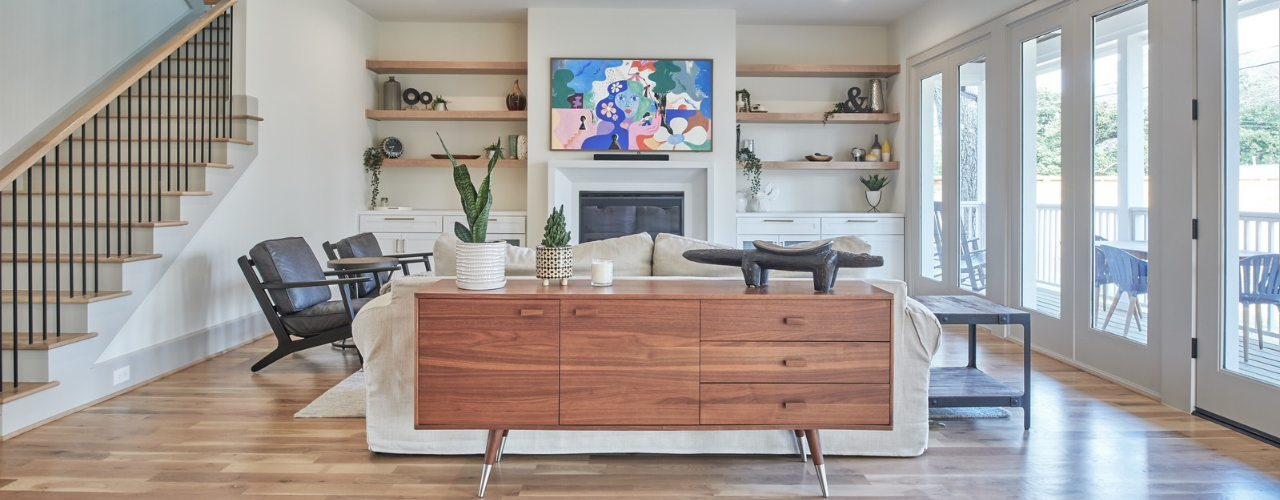
Living Room Storage Ideas: 28 Ways to Reclaim Your Hosting Space
If a living room is where most of a household’s living happens, good storage should be the top priority for setting up or revamping the place. After all, think of how easier it would be to have people over when tidying up the place is just a matter of putting things in their right place (in a time when fewer and fewer people are entertaining friends at home(opens in new tab)). The trick is making room for all those wayward clothes, blankets, chargers and other small things that end up on (or, inexplicably, in) the sofa. Here are 28 living room storage ideas to get you started and make tidying up a quick affair.
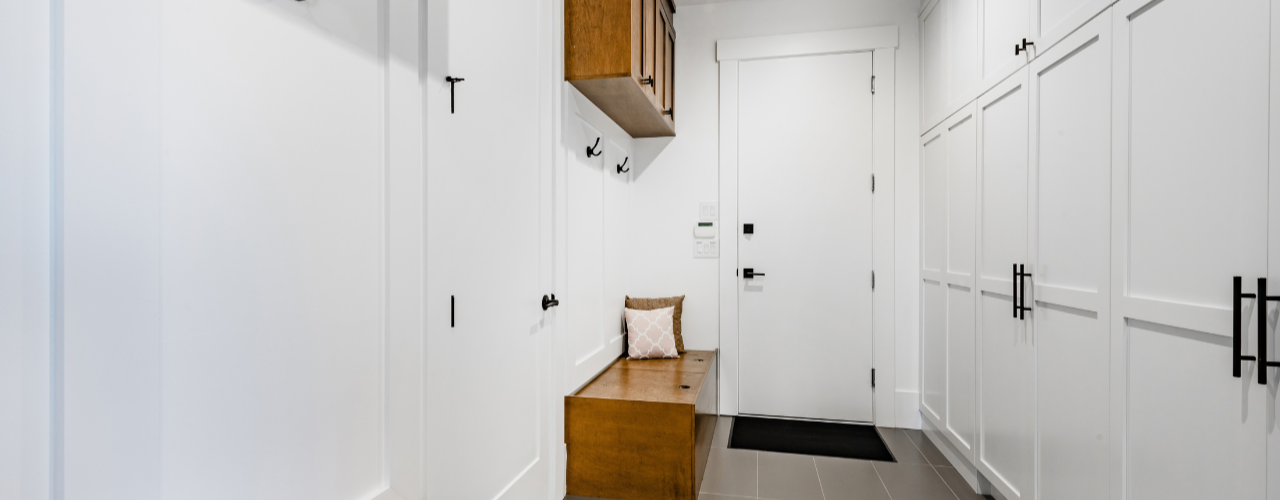
25 Mudroom Storage Ideas (And Mistakes to Avoid)
When you come home with muddy boots, an armful of bags and a coat you can’t wait to take off, it’s nice to have somewhere to put it all. With a mudroom, you can leave the outdoor mess at the door instead of carrying it through the house. Traditionally, you’d set aside a separate room, but you can just as easily use a hallway, an entryway closet, a laundry-room corner or a stretch of wall near the entrance.
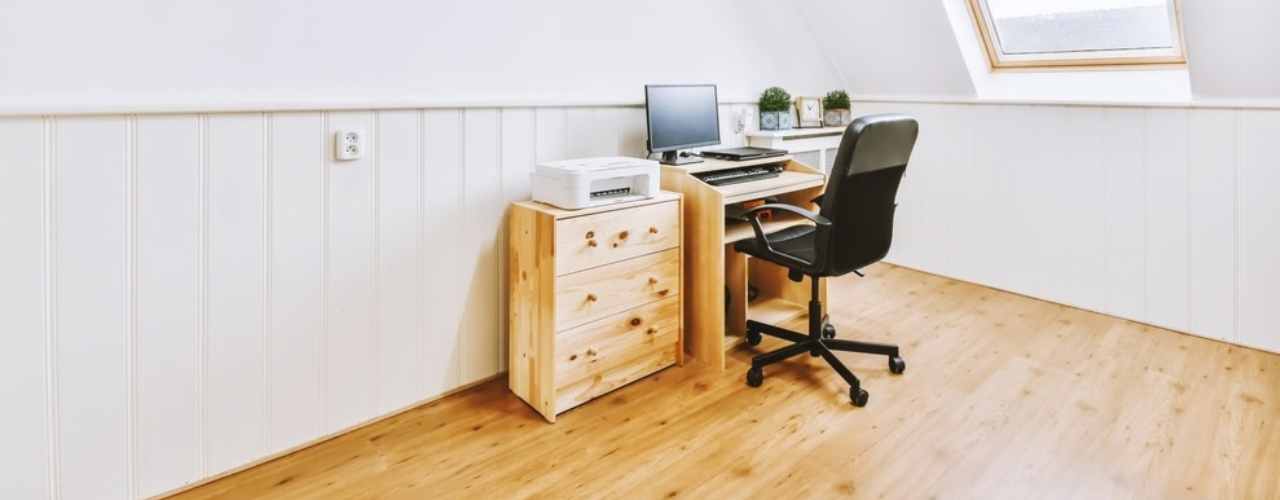
Is Your Home Office Worth the Rent? What Coworking and Self Storage Could Save You
Every square foot of your apartment comes with a price tag, and a home office claims more of them than most renters expect. It starts with a desk. Then come the second monitor, the printer, the filing cabinet and the overflow boxes. Before long, the corner you set aside for work has turned into a small room you are paying for every month.

Best U.S. Cities to Live Uncluttered: Plano, TX, Offers the Most Room to Breathe
Clutter is in our homes as much as in our heads. Both are shaped by where we live.

America’s Top Snowbird Destinations for 2026–2027: Florida Leads in Numbers, Texas Wins on Value
For Americans living in colder states, the approach of winter is reason enough to start looking south. Cold weather carries costs that go beyond the heating bill and shoveling snow. Seasonal affective disorder(opens in new tab) is far more prevalent in northern states, so a temporary move south isn’t simply an escape from the cold, but a chance to spend the hardest stretch of winter outdoors and in the sun.

How Much Does Halloween Really Cost in 2026? Plan Wisely to Avoid the Scare of Hidden Costs
Americans’ love for Halloween is almost frightening — this year alone, we are on our way to spending $13.5 billion, according to data from the National Retail Federation(opens in new tab). That breaks down to about $115 Halloween costs per person, a whopping 49% more than 10 years ago.

How to Store LEGOs: All the Fun, None of the Clutter
How to store LEGOs largely comes down to how your household uses them. If the bricks are part of everyday play, you need a setup that keeps them within easy reach and makes cleanup quick (for your feet’s sake, at least). Toy storage(opens in new tab) such as simple bins, playmats or containers that children can put away themselves may be enough. Larger or more serious collections usually need more organization, such as labelled drawers for loose pieces, trays for unfinished builds, shelves for completed models and separate storage for retired sets.

Cardboard Costume Guide: Tips and Ideas for a DIY Halloween
Whether for kids or adults, cardboard costume ideas often make the biggest splash once materialized, and that’s for a simple reason: doing a lot with a little is a universally impressive feat (especially in this economy). If you don’t have enough boxes you could temporarily repurpose, don’t worry! There are many places where you can find free moving boxes(opens in new tab), from stores and supermarkets to online groups and recycling drop-off spots. On the run? Try your luck at a self storage(opens in new tab) facility that sells moving supplies, often for cheap. This way, you can choose moving boxes of different shapes and sizes(opens in new tab), so you can make your costumes as complex as you want.

How to Celebrate Halloween: 9 Non-Spooky Ways To Enjoy It
As soon as October starts, it’s the official Halloween month. And while for many people it means it’s open season to get the scare of a lifetime, others, especially families with small children, might prefer to celebrate in a tamer way that’s both kid- and adult-friendly. While you’re likely to find more events where the spook factor is high, here’s how to celebrate Halloween in a not-so-scary way: