

Garage decluttering can quickly turn into a challenge, especially since the space often becomes a catch-all for items that don’t fit anywhere else. From rarely used toys and spare hardware to holiday decorations and extra appliances, it’s easy for things to pile up and take over. If your garage has turned into a storage overflow zone, it’s time to tackle the clutter and bring some order back with a few practical steps. Here’s how to declutter your garage in three simple steps.
1. Organize your garage into zones
First and foremost, in order to steer clear of confusion and time wasting, you have to come up with a plan. Take a good look at the space on your hands and figure out how many different zones you want to divide it up into. The best way to start this process is to take every single thing out of the garage, laying them out on the driveway, and then take a look at it empty. Once you have the space cleaned up (because, let’s face it, you probably haven’t mopped the floor behind those bicycles in a long time) you can proceed with creating a system.
Also, if your garage is so packed you can’t empty it all at once, just work on one corner or shelf at a time. It’s way less overwhelming, and you’re more likely to actually finish the job instead of giving up halfway through.
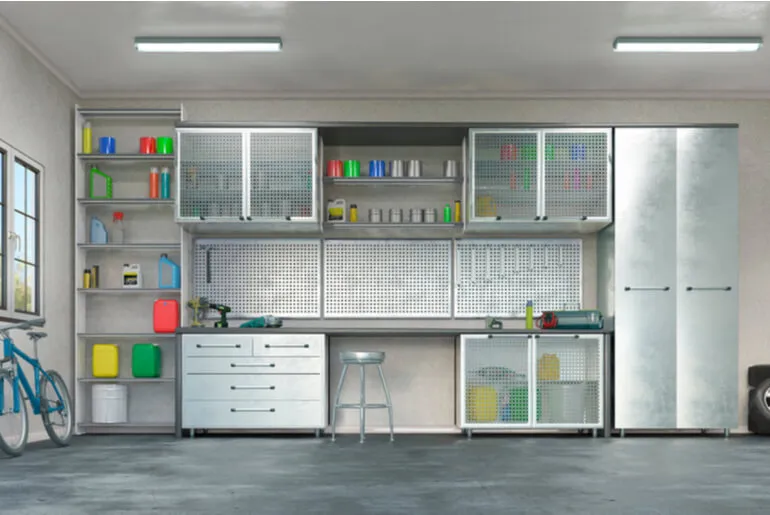
The most common items stored in a garage include garden equipment, sports equipment, tools and car supplies. You can divide your space into four basic zones (or more if needed), kind of like how a department store is laid out. Once you have this sorted, think how much space you need for each set of items and begin putting them back in your garage accordingly.
Another good idea is to set a limit on how many bins you’ll use for each zone. Grab some clear plastic bins and decide upfront: maybe three bins for sports gear, two for tools, and so on. This keeps you honest about what you actually need and stops the clutter from taking over again. And here’s a tip: always get bins with lids for garage storage, as they’ll keep dust and moisture out.
2. Keep, donate, discard
Chances are you’ve accumulated much more than just tools and equipment in your garage since it’s been last organized, so, as you take a look at your belongings, you’ll surely notice plenty of things you don’t need or want anymore. The most efficient solution is to go through absolutely all the items you own and sort them into the four well-known piles: keep, donate, sell and throw away.
You might find yourself wanting to keep more items than necessary, so, throughout the cleansing procedure, you should constantly ask yourself: Have I used this in the past year? If the answer is no, definitely don’t put it in the keep pile. Even if you are emotionally attached to some objects, as we all are, there comes a time when you have to think objectively and efficiently, and to realize that you’d rather use the space for something more useful than keeping an item just because they have memories attached to them (important family heirlooms or old pictures are certainly an exception).
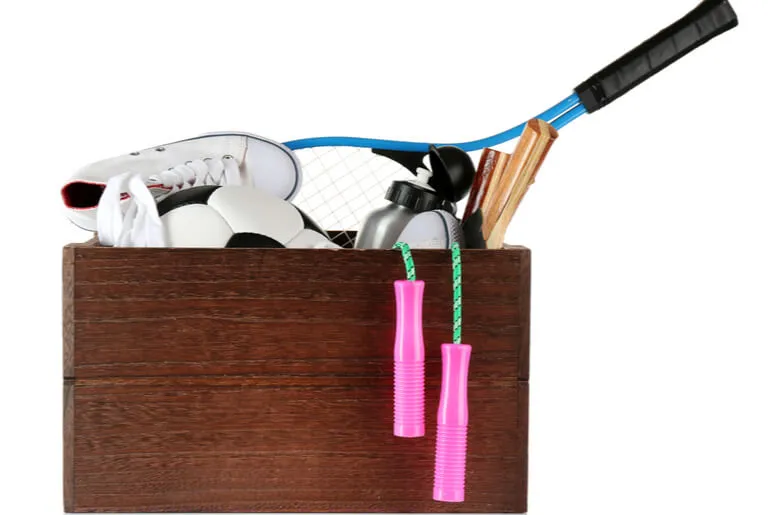
Here’s a trick that makes this easier: tackle trash first, then clutter, then donations. For stuff you can’t decide on? Toss it in a quarantine bin and write a date three months from now on it with a marker. If you haven’t touched anything in that bin by then, donate the whole thing. You’ll also probably find you own about 10 screwdrivers or multiple tape measures (don’t worry; everyone does this). Get rid of the duplicates right away.
Now, here’s where people get stuck: what about the things you actually want to keep but just don’t have room for? Maybe it’s seasonal gear like camping equipment you only use twice a year, your kids’ sports trophies and memorabilia, or tools for hobbies you’re not ready to give up. If you’re decluttering to reclaim your garage for parking or a workshop, but you’re not ready to part with items that still matter, renting a storage unit nearby can be the missing piece of the puzzle. It gives you a dedicated spot for things you genuinely need but don’t need daily access to, without turning your garage back into a dumping ground. With climate-controlled options and flexible sizes, you can keep what’s important while actually being able to walk through your garage again. Get an idea of how big your unit should be with our storage unit size guide and our storage size calculator.
There are so many possibilities, and with a little bit (or maybe a lot of) patience and organizational skills, you can easily reach your goal to have a neat, airy and uncluttered garage.
3. Keep it tidy
Once you’re done decluttering and you’ve organized your remaining items into separate zones, you’ll certainly feel a well-deserved sense of accomplishment. However, if you’re not careful, after a short while, you might fall back into the old habits. To keep that from happening, you have to do a quick sweep as often as it is required, whether you think that should be every season, monthly or even weekly. Because the garage is used most days, unlike a separate storage unit, the more often you declutter and organize the space, the less time it takes.
The two key points that you should keep in mind when thinking about maintaining any space clean are these: keep the floor space as free as possible and store your things on shelving units so that your frequently used items are within easy reach. After that all, that’s left to do is having fun with some garage organization ideas.
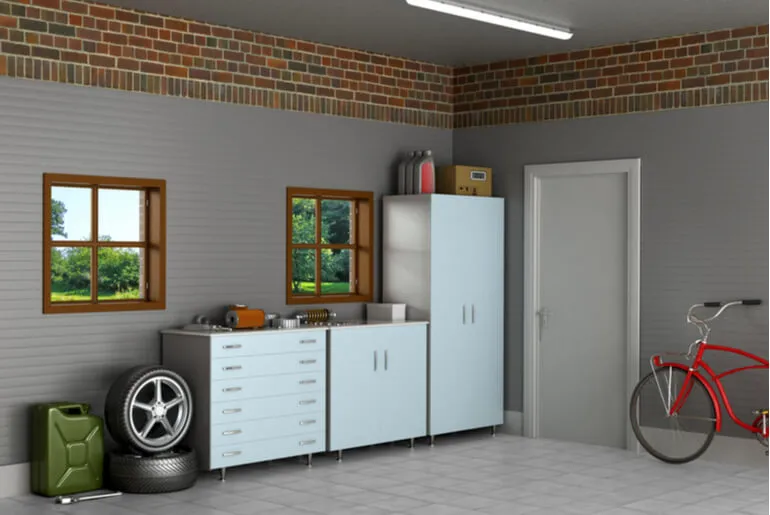
All in all, decluttering doesn’t have to be an overwhelming chore. By following the tips above and applying them to your own way of living, you can turn your garage from a catch-all storage closet into a neat, tidy space within a couple of hours. For more tips on how to keep the space tidy, have a look at our guide to garage organizing!



Living Room Storage Ideas: 28 Ways to Reclaim Your Hosting Space
If a living room is where most of a household’s living happens, good storage should be the top priority for setting up or revamping the place. After all, think of how easier it would be to have people over when tidying up the place is just a matter of putting things in their right place (in a time when fewer and fewer people are entertaining friends at home(opens in new tab)). The trick is making room for all those wayward clothes, blankets, chargers and other small things that end up on (or, inexplicably, in) the sofa. Here are 28 living room storage ideas to get you started and make tidying up a quick affair.
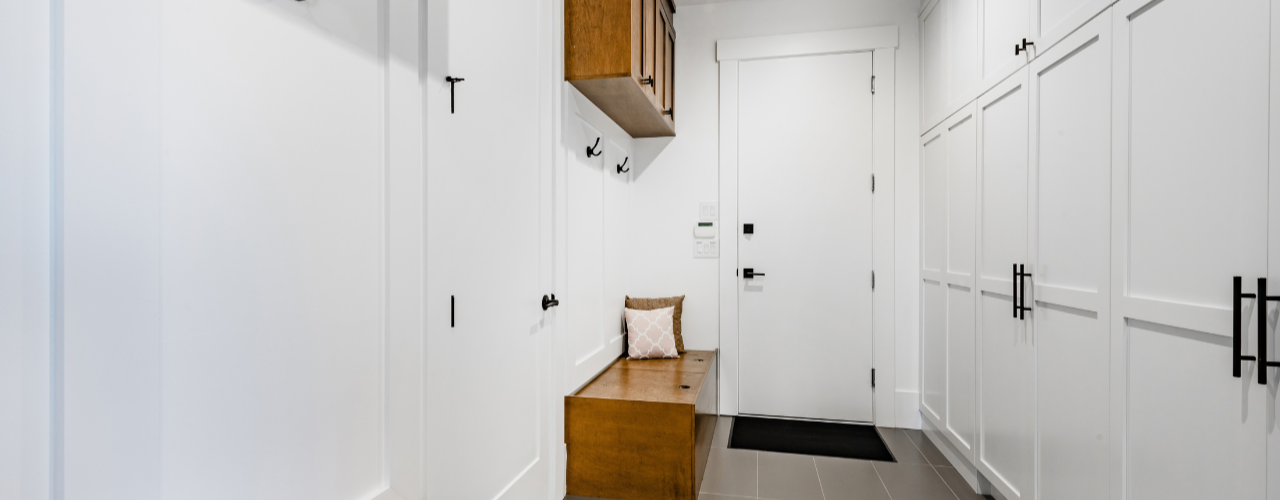
25 Mudroom Storage Ideas (And Mistakes to Avoid)
When you come home with muddy boots, an armful of bags and a coat you can’t wait to take off, it’s nice to have somewhere to put it all. With a mudroom, you can leave the outdoor mess at the door instead of carrying it through the house. Traditionally, you’d set aside a separate room, but you can just as easily use a hallway, an entryway closet, a laundry-room corner or a stretch of wall near the entrance.
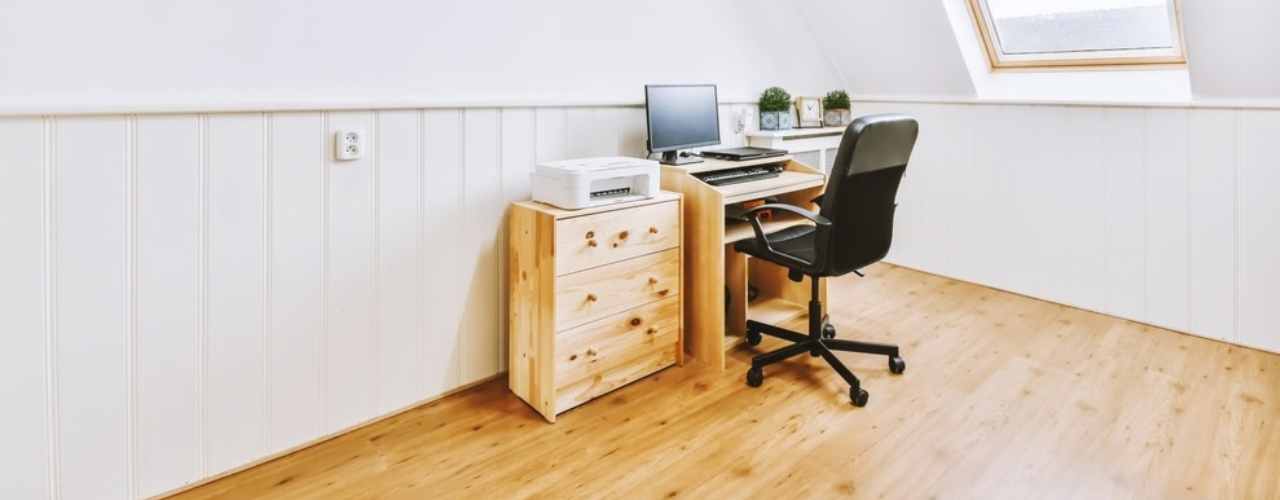
Is Your Home Office Worth the Rent? What Coworking and Self Storage Could Save You
Every square foot of your apartment comes with a price tag, and a home office claims more of them than most renters expect. It starts with a desk. Then come the second monitor, the printer, the filing cabinet and the overflow boxes. Before long, the corner you set aside for work has turned into a small room you are paying for every month.

Best U.S. Cities to Live Uncluttered: Plano, TX, Offers the Most Room to Breathe
Clutter is in our homes as much as in our heads. Both are shaped by where we live.

America’s Top Snowbird Destinations for 2026–2027: Florida Leads in Numbers, Texas Wins on Value
For Americans living in colder states, the approach of winter is reason enough to start looking south. Cold weather carries costs that go beyond the heating bill and shoveling snow. Seasonal affective disorder(opens in new tab) is far more prevalent in northern states, so a temporary move south isn’t simply an escape from the cold, but a chance to spend the hardest stretch of winter outdoors and in the sun.

How Much Does Halloween Really Cost in 2026? Plan Wisely to Avoid the Scare of Hidden Costs
Americans’ love for Halloween is almost frightening — this year alone, we are on our way to spending $13.5 billion, according to data from the National Retail Federation(opens in new tab). That breaks down to about $115 Halloween costs per person, a whopping 49% more than 10 years ago.
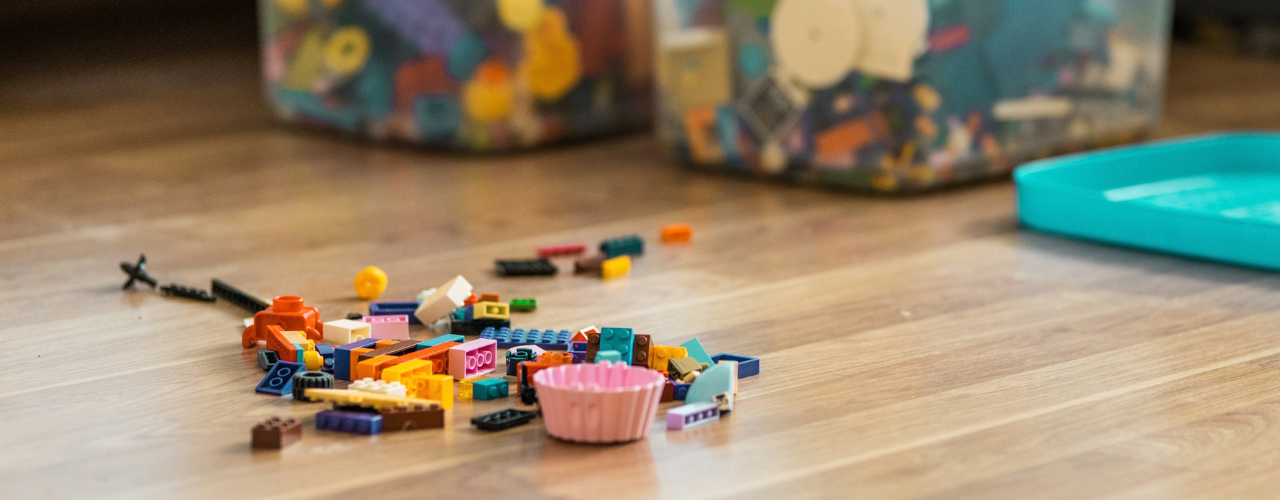
How to Store LEGOs: All the Fun, None of the Clutter
How to store LEGOs largely comes down to how your household uses them. If the bricks are part of everyday play, you need a setup that keeps them within easy reach and makes cleanup quick (for your feet’s sake, at least). Toy storage(opens in new tab) such as simple bins, playmats or containers that children can put away themselves may be enough. Larger or more serious collections usually need more organization, such as labelled drawers for loose pieces, trays for unfinished builds, shelves for completed models and separate storage for retired sets.

Cardboard Costume Guide: Tips and Ideas for a DIY Halloween
Whether for kids or adults, cardboard costume ideas often make the biggest splash once materialized, and that’s for a simple reason: doing a lot with a little is a universally impressive feat (especially in this economy). If you don’t have enough boxes you could temporarily repurpose, don’t worry! There are many places where you can find free moving boxes(opens in new tab), from stores and supermarkets to online groups and recycling drop-off spots. On the run? Try your luck at a self storage(opens in new tab) facility that sells moving supplies, often for cheap. This way, you can choose moving boxes of different shapes and sizes(opens in new tab), so you can make your costumes as complex as you want.

How to Celebrate Halloween: 9 Non-Spooky Ways To Enjoy It
As soon as October starts, it’s the official Halloween month. And while for many people it means it’s open season to get the scare of a lifetime, others, especially families with small children, might prefer to celebrate in a tamer way that’s both kid- and adult-friendly. While you’re likely to find more events where the spook factor is high, here’s how to celebrate Halloween in a not-so-scary way: