
New To D.C. And A Cyclist? Find Your Happy Place Among 10 Of The Best Bike-Friendly Neighborhoods

As the country’s capital, Washington, DC shines not only through its political weight but the city also offers various employment and entertainment opportunities catering to different types of interests, whether you’re a history buff or an outdoor enthusiast. DC is especially friendly to cyclists, as the city’s infrastructure includes both designated bike lanes as well as biking trails and biking spots in the city’s many parks. The slogan “If you build it, they will come” holds true in the case of DC’s bike lanes, as about 4.4% of DC’s workers bike to work, according to American Census Community data. That’s a lot higher than the national average of 0.5%. If you’re looking for a bike-friendly community in the city, here are some of the best DC communities for you:
1. Adams Morgan
Located south of Rock Creek Park and north of DuPont Circle, Adams Morgan is one of the most in-demand areas of DC. With its unique blend of cultures and arts, Adams Morgan is the ideal neighborhood if you enjoy living in a lively area. While living here doesn’t come cheap — with an average rent of $2,056/month per RENTCafé data — it’s worth it to call it home. Adams Morgan boasts plenty of restaurants, cafes and other entertainment venues, most of them lining up Columbia Road NW and two full blocks of 18th Street NW. Residents can have their pick of Middle Eastern, Thai, Mexican or even Ethiopian cuisines. A lot of these businesses host co-ops, mid-rise apartments and Victorian homes on the upper levels.
Even though Adams Morgan is a small neighborhood, the area features a community garden and a lot of parks, including the Walter Pierce Park, named after the child that lobbied for a park and eventually got his way. Not unlike DC itself, Adams Morgan is a walkable and bike-friendly neighborhood. You can easily spot a lot of pedestrians and cyclists thanks to the existing bike lane infrastructure. Commuting in the city is fairly easy, as you can ride the Metro Red Line if you choose to use public transportation.
 2. Downtown
If you want to be middle of the action, downtown is the heart of DC. While it might be a little expensive to live here ($2,268/month), the tradeoff might be worth it. The area is typically bustling with tourists (or will be once we are back to normal) and workers, but you have easy access to all the major spots in DC. Downtown is sort of a hub for everything you might want to see or visit.
You can take the Metro to most nearby neighborhoods if you want. Did we mention that your mountain bike won’t get rusty here? Get ready to put those bike lanes to good use until your next outdoor adventure, especially since the downtown area claims the largest number of cyclists biking to work in DC.
3. Dupont Circle
The Dupont Circle neighborhood draws its name from the famous traffic circle bearing the same name that lies in the middle of the area. Living here will cost you about $2,158/month. The neighborhood is also famous for its parks and the nail-biting games of chess held here on stone chess tables that have seen a slew of talented players. Dupont Circle is also home to hundreds of international embassies and missions located on Massachusetts Avenue.
 The neighborhood is rich in dining options. If you have a taste for Afghan or Turkish dishes or you can visit Sushi Taro, a one-star Michelin restaurant that offers an exquisite dining experience.
If biking is your passion, you’re in luck: Dupont Circle is one of the best DC neighborhoods for this sport. Dedicated biking spots include the center roundabout, the Philips Collections and also the Rock Creek.
4. Logan Circle
Not unlike Dupont Circle, Logan Circle is the name of a neighborhood and a traffic circle. Just a 5-minute bus ride from downtown, the neighborhood is very popular with young professionals. If you walk down 14th Street, a row of charming Victorian homes and multicolored storefronts welcome you, adding a dash of historical charm to the area. As for renting here, you’ll pay an average of $2,259/month.
While living here doesn’t come cheap, there is a lot that Logan Circle has in store for you, including easy access to downtown DC. The dining scene is quite varied and includes exquisite Spanish restaurants and amazing street food hailing from Peru, Denmark, Malaysia and other places too.
Logan Circle was home to one of the greatest jazz composers of all time, Duke Ellington, which is unsurprising given the relaxed and peaceful atmosphere of the place. Locals relish going out for picnics and enjoying the circle area named after the Civil War general John Logan. The neighborhood scores high for cycling, with a wide array of bike lanes and biking spots. Also, running most errands doesn’t require a car in Logan Circle, which is a plus for those who prefer walking.
5. Capitol Hill
Capitol Hill basically spells Washington, as it’s an old neighborhood located at the center of the nation’s capital. It is one of the most popular DC neighborhoods, which means you might pay more to be in the middle of the action ($2,273/month). Living here means you’re surrounded by government buildings, including the Supreme Court and the Capitol Building on Pennsylvania Avenue and a flurry of historical monuments — very impressive when seen at night.
 But don’t make the mistake of thinking that Capitol Hill is all about politics! You might rub elbows with your local representative while grocery shopping, but you also have access to many restaurants and charming storefronts. Take a walk down to Union Station to visit these shops. Stop by Eastern Market to find plenty of different foods, arts and other attractions. Additionally, living here is as close as you can get to cyclist heaven. The neighborhood abounds with bicycle lanes running both north/south and east/west.
6. Navy Yard
The Navy Yard has deep historical roots thanks to its former role as a shipyard. Nowadays, the neighborhood houses the Naval Historical Center and serves as an administrative center of the U.S. Navy. Projects such as the Frederick Douglas Memorial Bridge have improved the visual appeal of the neighborhood.
Locals get to enjoy Yards Park, a section of the Anacostia Riverwalk which includes an outdoor recreation space and a dancing fountain that’s illuminated at night. The boardwalk along the Potomac river allows residents to run, kayak or canoe. Cycling enthusiasts can enjoy a day out on their bikes along the Anacostia Riverwalk Trail, a hidden gem that can give you the nature escape you’ve been looking for. You can simply take a breather from city life by bringing your folding chair, enjoying a fresh breeze and listening to relaxing jazz from May to September.
7. Foggy Bottom
Foggy Bottom draws its name from the permanent eerie fog in the area. Just a short walk away from downtown, Foggy Bottom is a neighborhood full of life and safety. Choosing Foggy Bottom as your residence means you might have to dig deeper into your wallets for rent as it’s one of the pricey DC neighborhoods ($2,442/month). It is home to many DC artists that gravitate around the JFK Center for Performing Arts, which has become DC’s main art center.
With such a great location, you have easy access to restaurants, stores, historical landmarks and museums. Foggy Bottom is the proud home to Founding Fathers, the farm-to-table restaurant featured on the TV show Bones. Sample international dishes at the Roof Terrace restaurant that also offers diners a spectacular view.
Did we mention Foggy Bottom is pedal-, pedestrian- and pet-friendly? You can see bikers, walkers and joggers along the streets and welcoming sidewalks. Still not sure where you can find all this outdoorsy activity in Foggy Bottom? Head over to Rock Creek Park, which is over a century old. You can find hiking trails, horseback riding lessons and biking trails, among other outdoor activities.
 8. Mount Pleasant
Located north of Adams Morgan and west of Columbia Heights, Mount Pleasant is yet another DC neighborhood that charms with its old-timey architecture and Hispanic touch. Renting here would cost you $2,006/month. Built on former farmland at the turn of the 20th century, Mount Pleasant now exhibits vintage storefronts and rows of charming townhouses. With its large Latino population, tacos are on the local menu and international cuisine is well-represented here.
Bordering Rock Creek Park, Mount Pleasant is another neighborhood that caters to those seeking an active lifestyle. It is easy to get to the park that has it all, but Mount Pleasant also has its own bike lane system that allows you to get to work or to run an errand by bike when living here.
9. Kingman Park
East of Capitol Hill, Kingman Park is another historic neighborhood, a recently earned designation that prioritizes the preservation of historic architecture. The area features beautiful brick homes, many of which are in the federal style. Although, it’s not unusual to see one or two contemporary-design homes too. Living here costs, on average, $2,161/month. What makes Kingman Park so attractive? The first thing that springs to mind is the RFK Stadium that plays host to music festivals and soccer games. A skate park is also available in the same location.
Nature enthusiasts can find something to their liking, too: Kingman and Heritage Islands along the Anacostia river can provide a much-needed nature escape. Hiking, picnicking and boating are just some of the outdoor activities that you can put down on your to-do list here. You can even get here by bike if you travel south on Anacostia Riverwalk Trail for about 0.1 miles from Benning Rd. You can bike here on the main trail, but you can also access the boardwalk trail if you keep going. Cycling as a means of transportation is also encouraged in Kingman Park. Because the neighborhood comes with bike lanes, getting around town this way is quite easy.
 10. Mount Vernon Square
In the heart of DC’s downtown is Mount Vernon Square. Its exact location is close to the intersection of Massachusetts Avenue and New York Avenue, and it borders M Street and 7th Street. With its prime location, it’s no surprise that the neighborhood is home to the Walter E. Washington Convention Center, an international assembly that helped populate the area with various stores and restaurants since 2003. Just hop on the Green or Yellow Line and get off at the Mount Vernon Square Metro stop to get you to the convention center.
While much of the area’s political and economic buzz is close to the triangle at its center, Mount Vernon has plenty of recreational opportunities. Fine restaurants await. And once you have a bite to eat, you can visit the historic Carnegie Library, founded by the industrialist Andrew Carnegie. Cycling enthusiasts can also find their happy place here: You can use the designated bike lanes or go on the Mount Vernon Trail, which you can take all the way to Alexandria in about an hour. Mount Vernon Square is shaping up to be another cyclists’ heaven in DC, don’t you think?
While enjoying biking in and around DC, make sure to think about storing your bike and your biking gear. Self storage can help when you don’t have the right space to store these items. Rent a self storage unit in Washington, DC to drop off your bike and cycling equipment at the end of your day. A 5×5 unit will suffice for these types of items, but if your storage needs extend to other items, a 10×10 unit will come in handy.



Sweatshirt Storage Ideas Worth Keeping Up Your Sleeve
Sweatshirts are great until you realize how much room they take up. A few thick hoodies can fill a drawer fast, with lighter crewnecks getting squashed underneath or pushed somewhere you forget about. Good sweatshirt storage can make that pile much easier to manage without requiring a bigger closet.
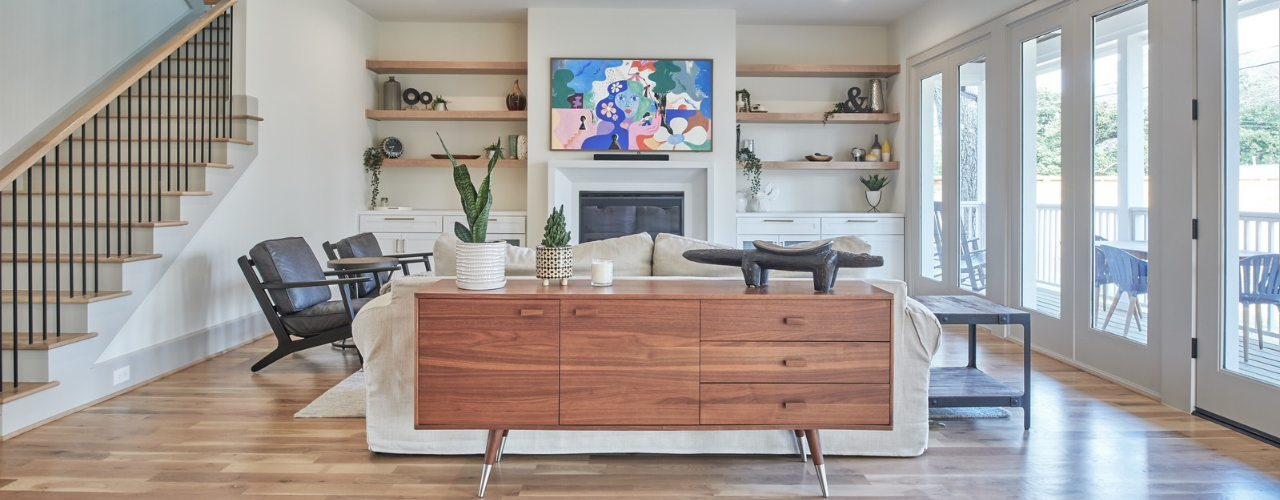
Living Room Storage Ideas: 28 Ways to Reclaim Your Hosting Space
If a living room is where most of a household’s living happens, good storage should be the top priority for setting up or revamping the place. After all, think of how easier it would be to have people over when tidying up the place is just a matter of putting things in their right place (in a time when fewer and fewer people are entertaining friends at home(opens in new tab)). The trick is making room for all those wayward clothes, blankets, chargers and other small things that end up on (or, inexplicably, in) the sofa. Here are 28 living room storage ideas to get you started and make tidying up a quick affair.
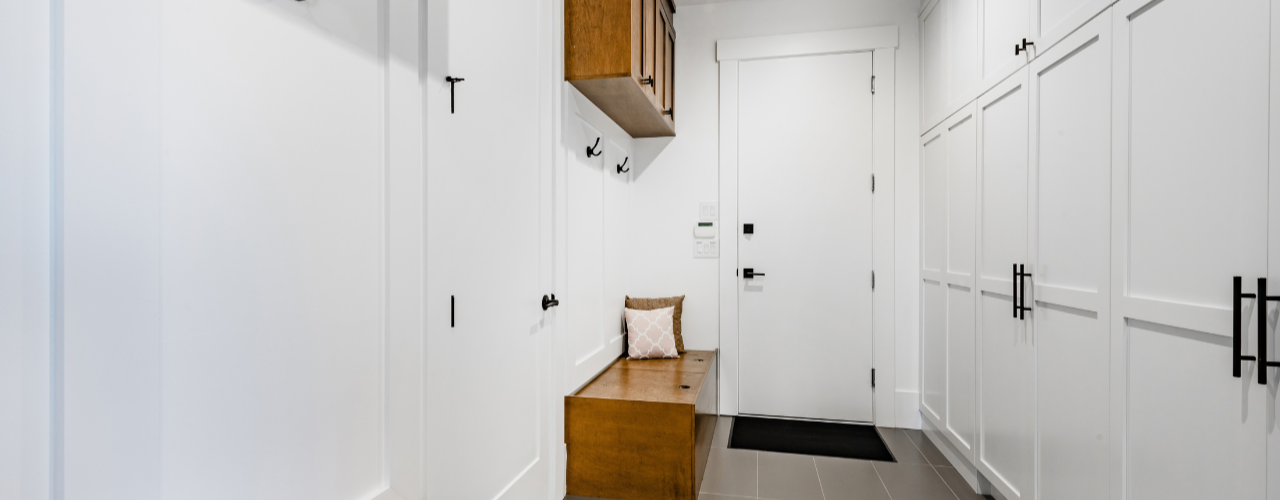
25 Mudroom Storage Ideas (And Mistakes to Avoid)
When you come home with muddy boots, an armful of bags and a coat you can’t wait to take off, it’s nice to have somewhere to put it all. With a mudroom, you can leave the outdoor mess at the door instead of carrying it through the house. Traditionally, you’d set aside a separate room, but you can just as easily use a hallway, an entryway closet, a laundry-room corner or a stretch of wall near the entrance.
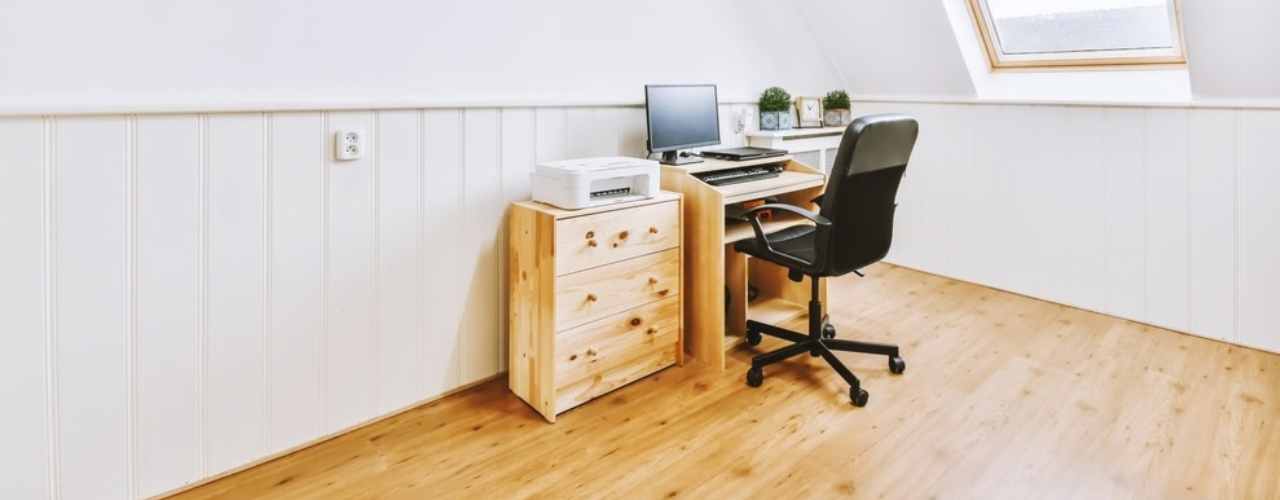
Is Your Home Office Worth the Rent? What Coworking and Self Storage Could Save You
Every square foot of your apartment comes with a price tag, and a home office claims more of them than most renters expect. It starts with a desk. Then come the second monitor, the printer, the filing cabinet and the overflow boxes. Before long, the corner you set aside for work has turned into a small room you are paying for every month.

Best U.S. Cities to Live Uncluttered: Plano, TX, Offers the Most Room to Breathe
Clutter is in our homes as much as in our heads. Both are shaped by where we live.
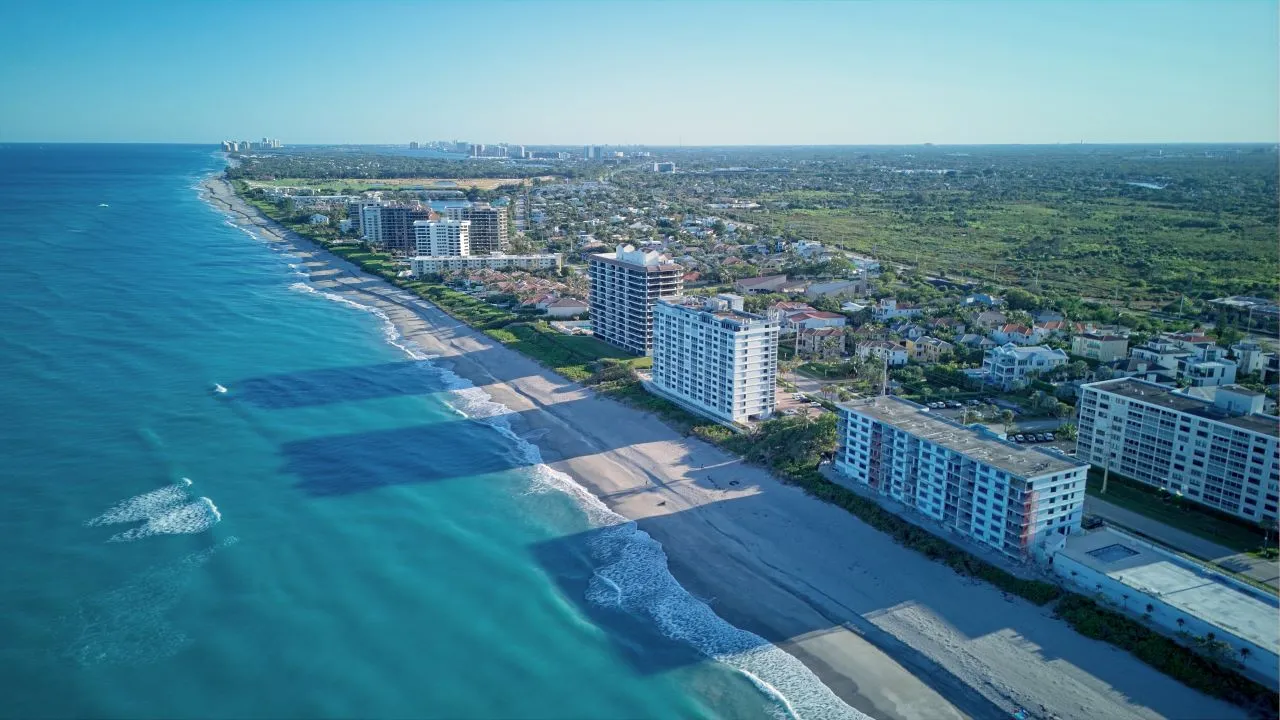
America’s Top Snowbird Destinations for 2026–2027: Florida Leads in Numbers, Texas Wins on Value
For Americans living in colder states, the approach of winter is reason enough to start looking south. Cold weather carries costs that go beyond the heating bill and shoveling snow. Seasonal affective disorder(opens in new tab) is far more prevalent in northern states, so a temporary move south isn’t simply an escape from the cold, but a chance to spend the hardest stretch of winter outdoors and in the sun.

How Much Does Halloween Really Cost in 2026? Plan Wisely to Avoid the Scare of Hidden Costs
Americans’ love for Halloween is almost frightening — this year alone, we are on our way to spending $13.5 billion, according to data from the National Retail Federation(opens in new tab). That breaks down to about $115 Halloween costs per person, a whopping 49% more than 10 years ago.

How to Store LEGOs: All the Fun, None of the Clutter
How to store LEGOs largely comes down to how your household uses them. If the bricks are part of everyday play, you need a setup that keeps them within easy reach and makes cleanup quick (for your feet’s sake, at least). Toy storage(opens in new tab) such as simple bins, playmats or containers that children can put away themselves may be enough. Larger or more serious collections usually need more organization, such as labelled drawers for loose pieces, trays for unfinished builds, shelves for completed models and separate storage for retired sets.

Cardboard Costume Guide: Tips and Ideas for a DIY Halloween
Whether for kids or adults, cardboard costume ideas often make the biggest splash once materialized, and that’s for a simple reason: doing a lot with a little is a universally impressive feat (especially in this economy). If you don’t have enough boxes you could temporarily repurpose, don’t worry! There are many places where you can find free moving boxes(opens in new tab), from stores and supermarkets to online groups and recycling drop-off spots. On the run? Try your luck at a self storage(opens in new tab) facility that sells moving supplies, often for cheap. This way, you can choose moving boxes of different shapes and sizes(opens in new tab), so you can make your costumes as complex as you want.