

Key Takeaways
- Store tapes upright in their cases, like books on a shelf, to prevent warping and misalignment of internal reels.
- Keep tapes in cool, dry, and stable conditions (50–70°F, 30–45% humidity) to protect sound quality and physical integrity.
- Avoid magnets, speakers, sunlight, and heavy pressure, as these can damage magnetic patterns, fade artwork, or warp shells.
- Use climate-controlled self storage for large collections, so you maintain steady temperature and humidity and prevent environmental stress.
The cassette tape revival was always bound to happen: They sound good, they look good and they demand a little care. Yet if you’re thinking long-term, then you should learn how to store cassette tapes. That’s what decides whether your tapes stay playable or slowly fall apart. But don’t worry. A few smart storage choices protect sound quality, physical condition and long-term value, whether your collection fits on one shelf or fills a room.
Why cassette tapes need thoughtful storage
Here’s the thing: Every cassette contains thin magnetic tape housed inside a plastic shell. That tape holds music through precise magnetic patterns and those patterns respond directly to their environment. Heat, moisture, pressure and dust all influence how well your tapes perform over time.
When storage stays consistent, tapes keep their clarity and mechanical stability. When conditions swing, shells shift shape, tape tension changes and sound quality suffers. Collectors pay attention to this because condition always affects value, especially for limited editions or early releases. If you care about how your tapes sound or what they might be worth later, storage becomes part of ownership rather than an afterthought.
The right environment for cassette tape storage
Start with the space where your tapes live. Cassettes prefer the same conditions you find comfortable. Aim for cool, dry and steady: Roughly mid40s to upper60s°F and around 30–50% humidity, without big daily swings. What matters most comes from consistency. Steady conditions protect materials better than spaces that swing between extremes.
Where cassette tapes store best at home
If you store tapes at home, choose interior spaces that stay stable throughout the year. Shelves inside closets, offices or bedrooms usually work well. These areas avoid temperature spikes and air changes that stress tape materials. Also and this is for the punk rockers: Make sure you keep tapes off the floor. Floors collect dust and moisture, even in clean rooms. Avoid placing tapes near windows, too. Sunlight raises shell temperature and fades artwork over time. Light exposure also heats tape unevenly, which affects long-term stability.
When self storage makes sense
As your collection grows, space often becomes the issue rather than knowledge. Large libraries take up room and indoor shelf space runs out fast. Self storage works well when you want protection without clutter. If you’re in a hot or humid region, go for climate controlled storage: These units maintain steady temperature and humidity levels similar to a well-kept room. Good facilities aim for steady temperatures around 60–70°F and relative humidity near 40 percent, with continuous monitoring rather than seasonal adjustment. That consistency protects cassette shells, tape binders and artwork from slow environmental stress.
What you should keep away from your cassette collection
Certain hazards affect cassette tapes faster than most people expect. Speakers, amplifiers, motors and electrical equipment create magnetic fields that affect recorded sound patterns. Even moderate exposure over time alters playback quality.
Heavy weight causes problems too. Boxes stacked too tightly or shelves packed too full place uneven pressure on shells. Over time, that pressure shows up as warping and alignment issues.
This is the bottom line: Distance from magnets, sunlight, moisture and weight protects both sound and appearance.
Vertical vs flat storage: One rule you should always follow
If you remember only one physical storage rule, make it this one. Store cassette tapes upright in their cases, like books on a shelf. Preservation and tape-care guides consistently recommend vertical storage because it keeps pressure even across the shell and internal reels. When tapes sit flat in stacks, weight settles unevenly over time. That slow pressure leads to warped shells, misaligned reels and playback issues that feel sudden but start quietly.
Cassette storage and long-term value
Cassettes occupy a unique position in today’s music market. Limited editions, indie releases and well-preserved originals already attract collectors. And as all serious collectors will tell you, condition always drives value.
If you want the essentials without rereading everything, this covers the core of proper cassette tape storage. Here are some quick rules to follow:
- Cool, dry, stable conditions, ideally around 50–70°F and 30–45% relative humidity
- Store upright in rigid plastic cases, never stacked flat
- Keep distance from magnets, speakers, motors and sunlight
- Leave space on shelves, avoid tight packing and heavy pressure
- Remove tapes from decks after use, let them rest before storage


Scary Good DIY Halloween Decorations That Won’t Haunt Your Wallet
A few floating candles in the hallway, a family of ghosts by the front door and a suspicious number of bats climbing up the bedroom wall can make October feel a whole lot spookier. While Halloween stores are full of tempting finds, some of the best DIY Halloween decorations can come from things you already have tucked away in drawers, closets or the recycling bin.
Suburban Giants and Urban Risers: Where America’s 100 Largest Metros Fall on the Self Storage Map
Self storage has long been a suburban story. Across America largest 100 metros, 59% of the inventory built over the past decade sits outside city cores, largely preserving the ratio of the total existing inventory.
Sweatshirt Storage Ideas Worth Keeping Up Your Sleeve
Sweatshirts are great until you realize how much room they take up. A few thick hoodies can fill a drawer fast, with lighter crewnecks getting squashed underneath or pushed somewhere you forget about. Good sweatshirt storage can make that pile much easier to manage without requiring a bigger closet.
Living Room Storage Ideas: 28 Ways to Reclaim Your Hosting Space
If a living room is where most of a household’s living happens, good storage should be the top priority for setting up or revamping the place. After all, think of how easier it would be to have people over when tidying up the place is just a matter of putting things in their right place (in a time when fewer and fewer people are entertaining friends at home(opens in new tab)). The trick is making room for all those wayward clothes, blankets, chargers and other small things that end up on (or, inexplicably, in) the sofa. Here are 28 living room storage ideas to get you started and make tidying up a quick affair.
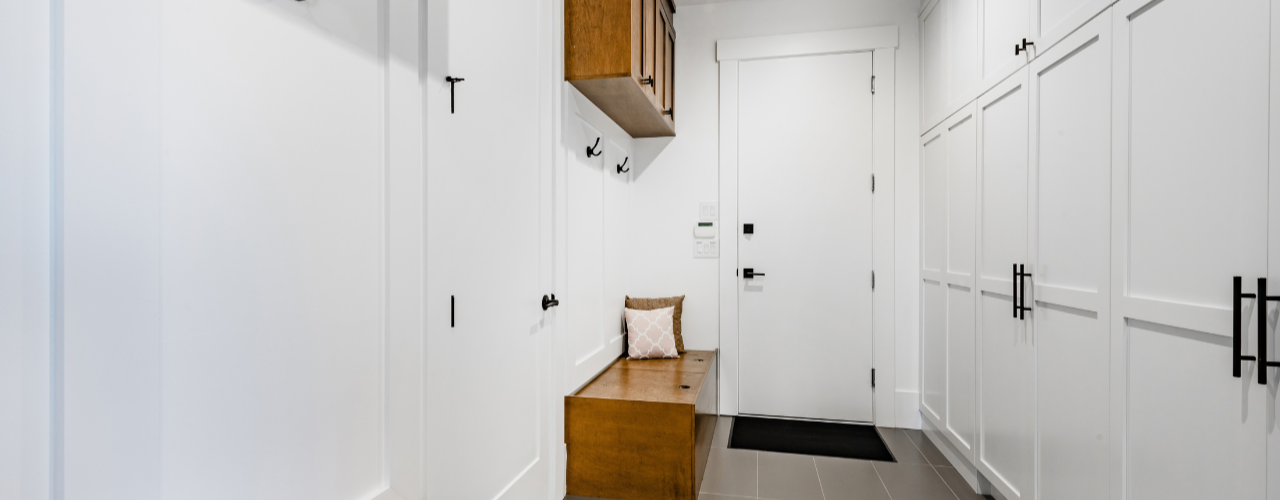
25 Mudroom Storage Ideas (And Mistakes to Avoid)
When you come home with muddy boots, an armful of bags and a coat you can’t wait to take off, it’s nice to have somewhere to put it all. With a mudroom, you can leave the outdoor mess at the door instead of carrying it through the house. Traditionally, you’d set aside a separate room, but you can just as easily use a hallway, an entryway closet, a laundry-room corner or a stretch of wall near the entrance.
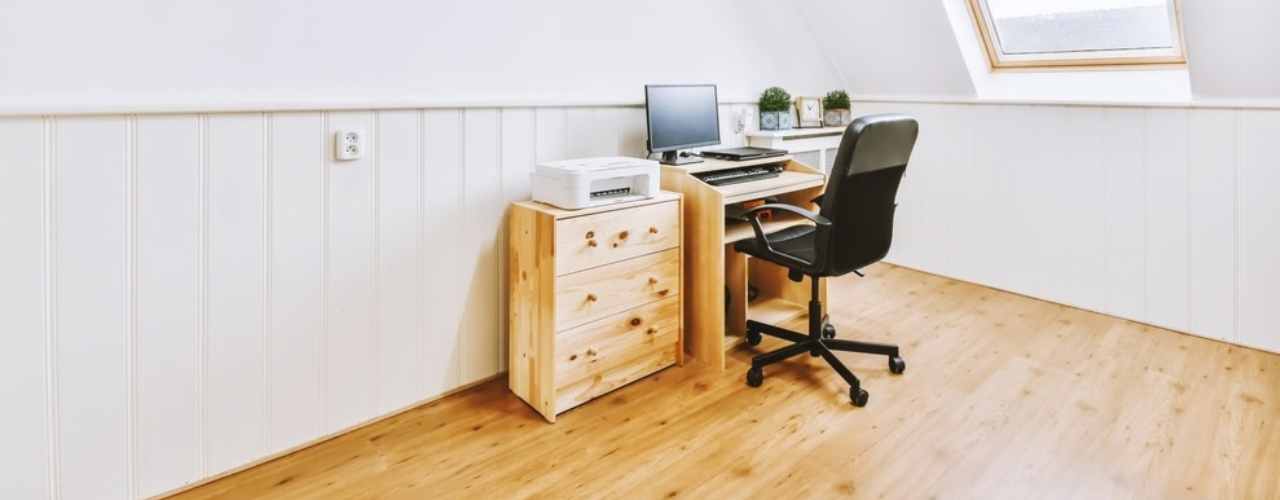
Is Your Home Office Worth the Rent? What Coworking and Self Storage Could Save You
Every square foot of your apartment comes with a price tag, and a home office claims more of them than most renters expect. It starts with a desk. Then come the second monitor, the printer, the filing cabinet and the overflow boxes. Before long, the corner you set aside for work has turned into a small room you are paying for every month.

Best U.S. Cities to Live Uncluttered: Plano, TX, Offers the Most Room to Breathe
Clutter is in our homes as much as in our heads. Both are shaped by where we live.

America’s Top Snowbird Destinations for 2026–2027: Florida Leads in Numbers, Texas Wins on Value
For Americans living in colder states, the approach of winter is reason enough to start looking south. Cold weather carries costs that go beyond the heating bill and shoveling snow. Seasonal affective disorder(opens in new tab) is far more prevalent in northern states, so a temporary move south isn’t simply an escape from the cold, but a chance to spend the hardest stretch of winter outdoors and in the sun.
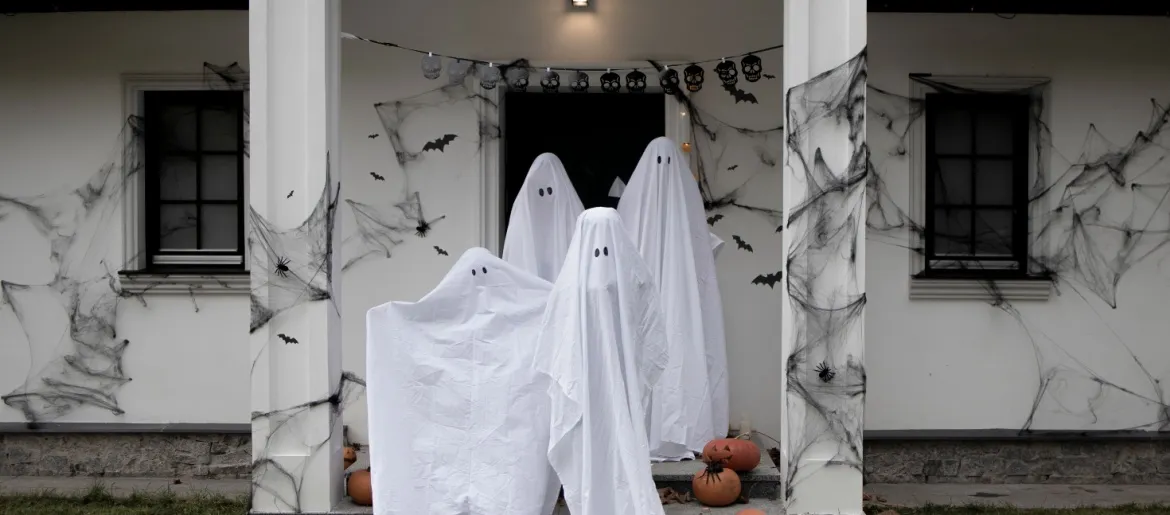
How Much Does Halloween Really Cost in 2026? Plan Wisely to Avoid the Scare of Hidden Costs
Americans’ love for Halloween is almost frightening — this year alone, we are on our way to spending $13.5 billion, according to data from the National Retail Federation(opens in new tab). That breaks down to about $115 Halloween costs per person, a whopping 49% more than 10 years ago.