

Decluttering strategies are simply the different methods people use to decide what stays and what goes. Some focus on categories, like the KonMari method; others focus on rules or time limits. This article walks you through a simple 4‑box decluttering strategy that works especially well if you are busy, overwhelmed, and not sure what to sell, donate, store, or toss.
Make a little money
Decluttering is inherently a money-losing proposition; chances are you already paid for what you have, so selling, donating, or tossing it is most probably going to bring in less money than you spent in the first place. However, you can make some money back by selling things that you no longer want but someone else could put to good use.
Books you’ve already read, clothes you no longer wear, and furniture your kids have outgrown can all be turned into cash. You can sell those old GI Joe toys and your old Barbie dolls to gain space and cash.
Help somebody else
When it’s time to declutter, you’ll need some containers. But first, if you’re working through clothes, for example, you’re going to put quite a bit back in the closet. Then, a black trash bag will work for what you need to discard, a white trash bag can be used for things to be donated, and a box will serve for whatever you want to sell. Another container can be used for any items you don’t want to lost but don’t need in the house — these can be put into a self storage unit.
Lay a blanket or sheet in the middle of the floor. This is for the stuff you want to keep. Open up the closets and all the drawers and start pulling things out. If something is basically in good shape but it no longer fits, put it in the white bag. If it’s stained or worn, it goes in the black bag. If it’s a high-end or labeled piece but it’s no longer something you want, put it in the box. When you fill up one container, get a fresh one and act on selling the items in the full one so you don’t end up revisiting it and wasting time.
You can sell clothing in good shape on Poshmark or ThredUp. If you’re selling on Poshmark, be aware that you’ll make more, but you have to maintain the inventory. ThredUp will send you a cleanout kit, but you end up making less on each item. Your schedule will determine the best method. There are many other sales platforms out there as well.
Safely discard of the unnecessary
Don’t put worn or stained items in the donation bag. Additionally, check with your local thrift stores to see if bigger items can also be safely donated. A couch can be a great thing to pass on to somebody who can’t afford to buy new, but if you leave it behind your local Goodwill branch before a rainstorm, you’ve just added to their cost and labor.
If the cushions are shot but the frame is in good shape, consider donating it locally. Put it on Craigslist as “free for the hauling” and when you have a contact, set it out for them to pick up within a certain time window. Try to avoid personal contact at this time.
Gain full value from what’s left
Once you have gotten everything that you don’t want out of your space, you’ll have the peace of mind to make good use of what’s left. For example, you could build a capsule wardrobe that features a black pair of leggings, slacks, or a skirt. With black on the bottom, you can start to swap out different tops and jackets that will be great for work or play.
The trick with a decluttered or minimalist wardrobe doesn’t have to be to get down to just a few possessions. The goal is to make sure that every new piece you rediscover in your closet goes with at least two other things. For example, you might keep a black skirt and black leggings. Your newly unearthed pink sweater could then make two new outfits, and if you have jeans, it makes for casual weekend clothes as well. Add a scarf and you’ve got six outfits out of just four pieces.
It’s entirely possible to live better with less, make a bit of cash, help out someone who’s really struggling, and get rid of excess baggage and rubbish. Freeing yourself from your load of accumulated stuff won’t be easy. But get focused, play some great tunes in the background, and time yourself, and you can put in a couple of hard hours of decluttering and free up a lot of space in both your mind and your home.


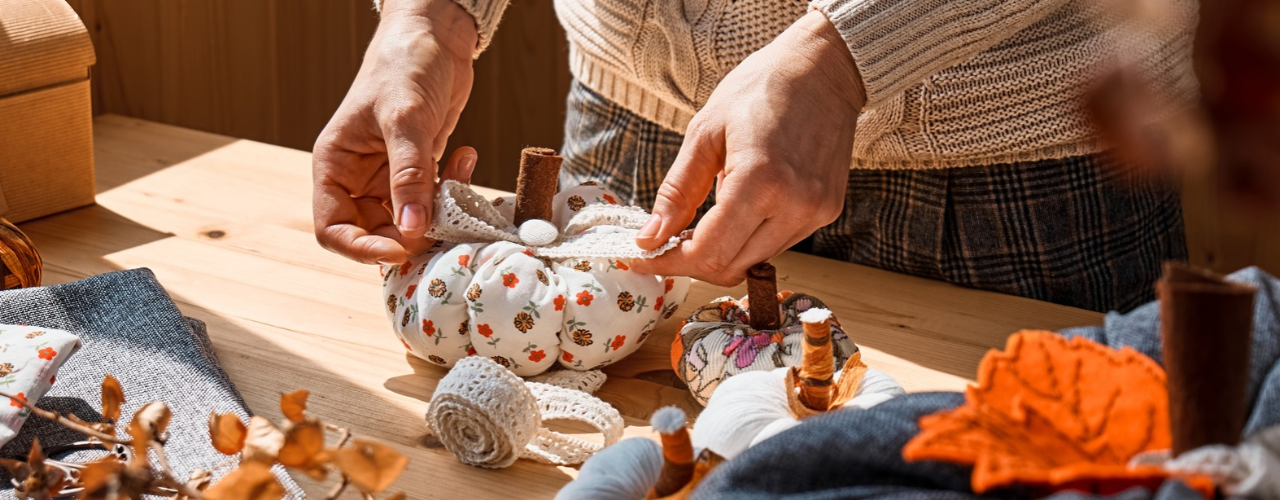
Scary Good DIY Halloween Decorations That Won’t Haunt Your Wallet
A few floating candles in the hallway, a family of ghosts by the front door and a suspicious number of bats climbing up the bedroom wall can make October feel a whole lot spookier. While Halloween stores are full of tempting finds, some of the best DIY Halloween decorations can come from things you already have tucked away in drawers, closets or the recycling bin.
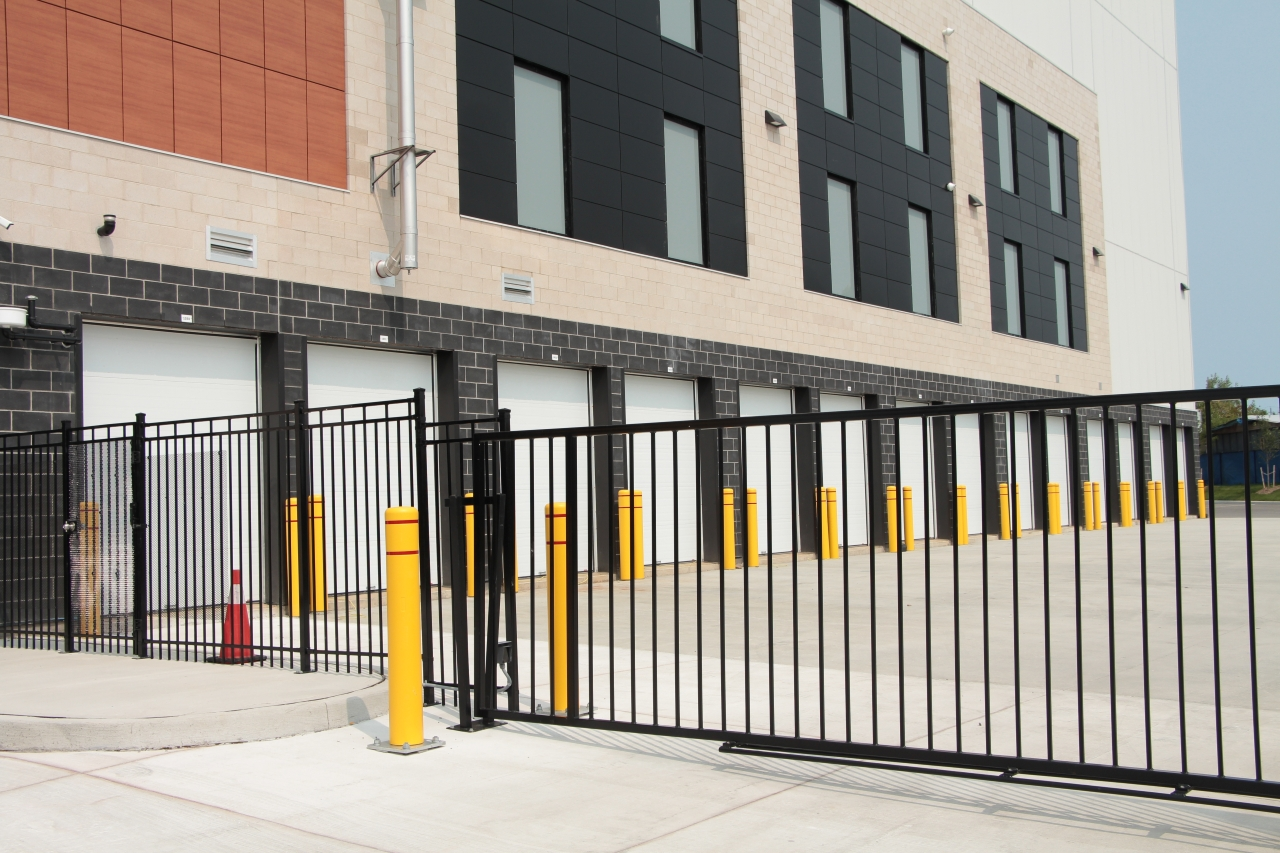
Suburban Giants and Urban Risers: Where America’s 100 Largest Metros Fall on the Self Storage Map
Self storage has long been a suburban story. Across America largest 100 metros, 59% of the inventory built over the past decade sits outside city cores, largely preserving the ratio of the total existing inventory.
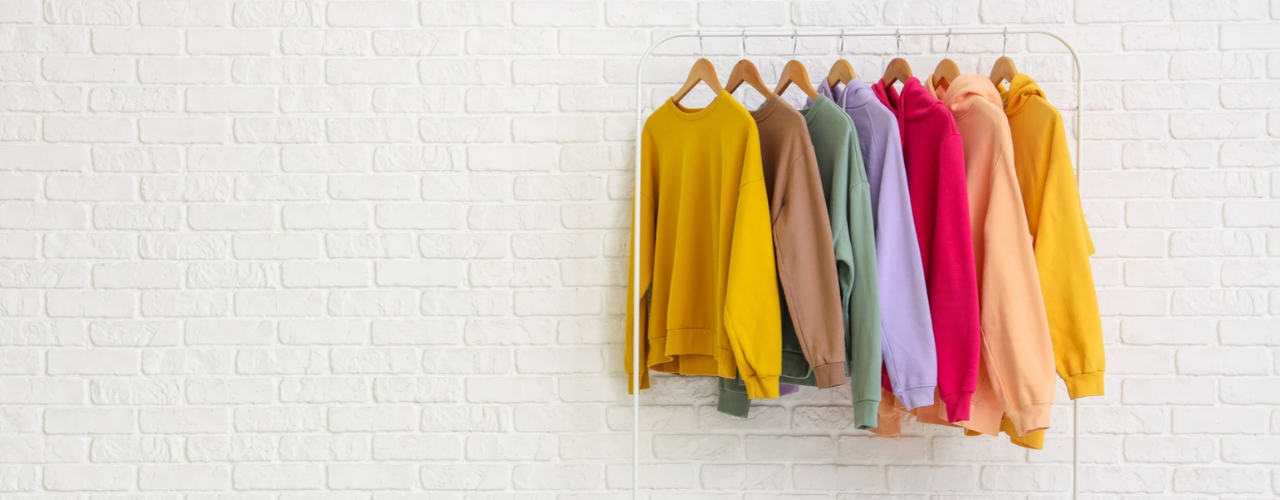
Sweatshirt Storage Ideas Worth Keeping Up Your Sleeve
Sweatshirts are great until you realize how much room they take up. A few thick hoodies can fill a drawer fast, with lighter crewnecks getting squashed underneath or pushed somewhere you forget about. Good sweatshirt storage can make that pile much easier to manage without requiring a bigger closet.

Living Room Storage Ideas: 28 Ways to Reclaim Your Hosting Space
If a living room is where most of a household’s living happens, good storage should be the top priority for setting up or revamping the place. After all, think of how easier it would be to have people over when tidying up the place is just a matter of putting things in their right place (in a time when fewer and fewer people are entertaining friends at home(opens in new tab)). The trick is making room for all those wayward clothes, blankets, chargers and other small things that end up on (or, inexplicably, in) the sofa. Here are 28 living room storage ideas to get you started and make tidying up a quick affair.
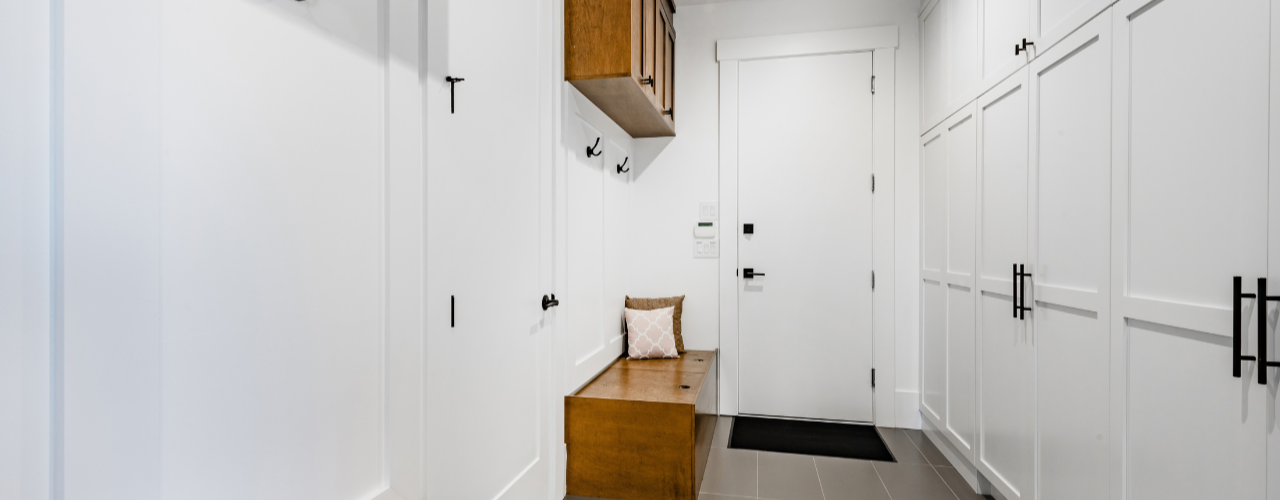
25 Mudroom Storage Ideas (And Mistakes to Avoid)
When you come home with muddy boots, an armful of bags and a coat you can’t wait to take off, it’s nice to have somewhere to put it all. With a mudroom, you can leave the outdoor mess at the door instead of carrying it through the house. Traditionally, you’d set aside a separate room, but you can just as easily use a hallway, an entryway closet, a laundry-room corner or a stretch of wall near the entrance.
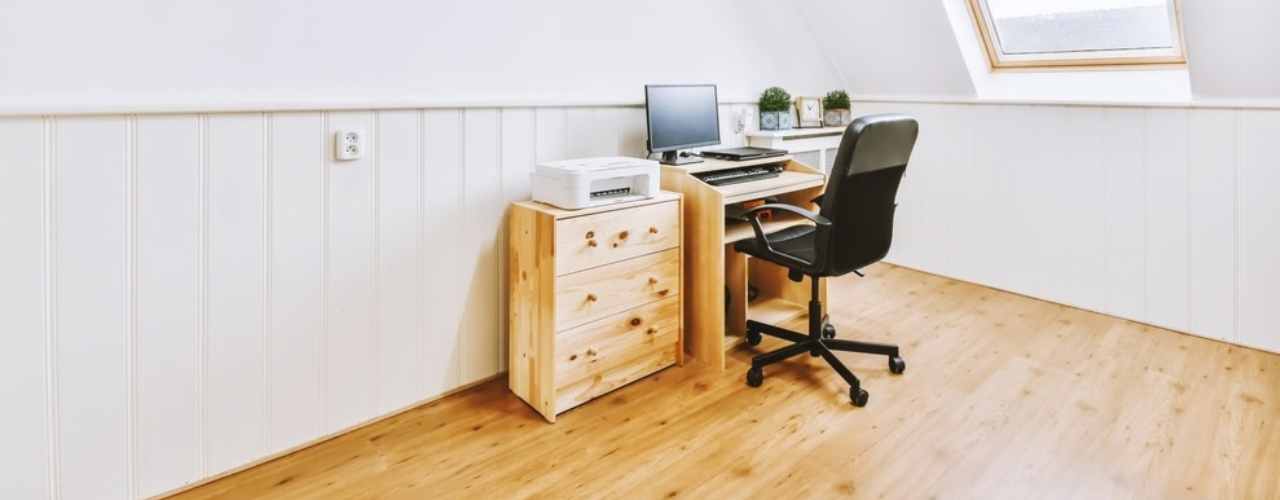
Is Your Home Office Worth the Rent? What Coworking and Self Storage Could Save You
Every square foot of your apartment comes with a price tag, and a home office claims more of them than most renters expect. It starts with a desk. Then come the second monitor, the printer, the filing cabinet and the overflow boxes. Before long, the corner you set aside for work has turned into a small room you are paying for every month.

Best U.S. Cities to Live Uncluttered: Plano, TX, Offers the Most Room to Breathe
Clutter is in our homes as much as in our heads. Both are shaped by where we live.

America’s Top Snowbird Destinations for 2026–2027: Florida Leads in Numbers, Texas Wins on Value
For Americans living in colder states, the approach of winter is reason enough to start looking south. Cold weather carries costs that go beyond the heating bill and shoveling snow. Seasonal affective disorder(opens in new tab) is far more prevalent in northern states, so a temporary move south isn’t simply an escape from the cold, but a chance to spend the hardest stretch of winter outdoors and in the sun.
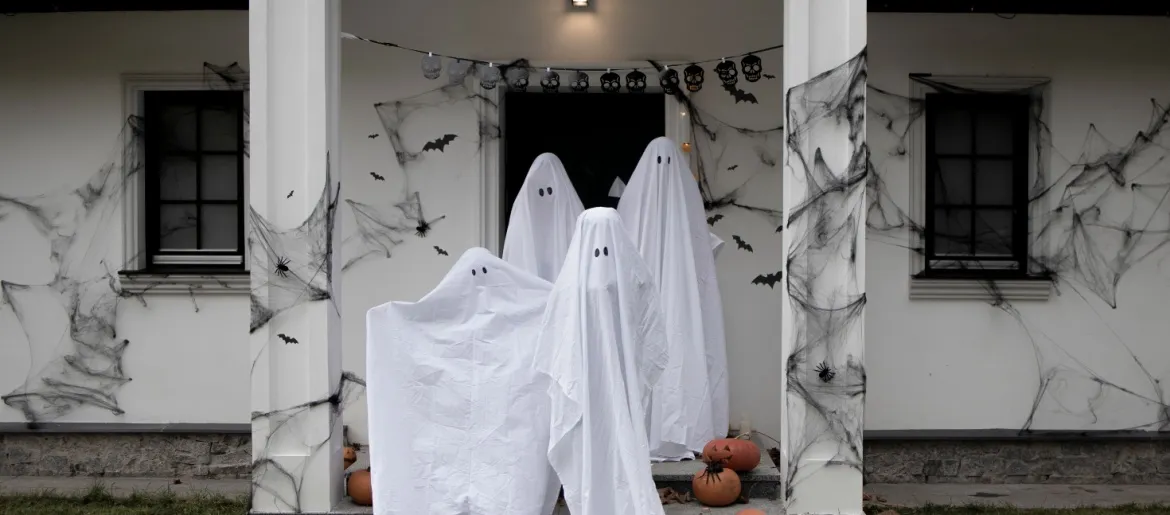
How Much Does Halloween Really Cost in 2026? Plan Wisely to Avoid the Scare of Hidden Costs
Americans’ love for Halloween is almost frightening — this year alone, we are on our way to spending $13.5 billion, according to data from the National Retail Federation(opens in new tab). That breaks down to about $115 Halloween costs per person, a whopping 49% more than 10 years ago.