




Wondering how to build a pool? You’re not alone. For many homeowners, the idea starts as a passing thought — something along the lines of “Wouldn’t it be nice to have a pool back here?” Fast forward a few Google searches and a quick look at your backyard, and suddenly that daydream starts to feel possible.
Of course, turning that idea into reality takes more than wishful thinking. A pool is a big investment, and it’s one that comes with a lot of decisions — space, design, budget, and yes, permits. But don’t let that overwhelm you. The process can be straightforward (and even enjoyable!) when you know what to expect and have the right team helping you along the way.
Luckily, we had the chance to consult with Trevor Sawatzky — and we’re all the better for it.
How to build a pool: Q&A with Trevor Sawatzky, expert in pool construction
As the Las Vegas GM of Anthony & Sylvan Pools, a national leader in residential pool construction, Trevor brought both expertise and creativity to the table. He’s also eager to support similar future endeavors. We caught up for a quick Q&A, where he shared his pool-building know-how and some great advice for enthusiasts.
Q: I’ve just started thinking about building a pool. Where should I even begin?
A: When you’re starting to think about building a pool, there are three key things to consider:
- Space – Do you have the physical space to accommodate a pool? Think about how it will fit on your property and how it might impact how you use your yard.
- Purpose – What functional need are you looking to fulfill? Is it for family fun, exercise, relaxation, or as a landscape feature?
- Budget – What can you afford, and how will you pay for it? Consider your financing options, whether it’s savings or a loan, and factor in the long-term costs of pool ownership — such as maintenance, cleaning, and water expenses.
Q: What are the main types of pools, and how do I know which one is right for me?
A: Pools typically come in two main design styles:
- Geometric – clean lines and a structured look
- Lagoon – organic shapes for a more natural feel
Choosing the right one comes down to your personal style and how the pool fits into your overall vision for the space. Think about how the design will meet your needs and complement your lifestyle.

Q: How much should I expect to spend?
A: In the Las Vegas market, pools generally start around $50,000 for a standard design. If you add a spa, expect the package to run upwards of $80,000. On average, most pools in the area come in around $87,000.
Q: What’s the typical timeline from planning to swimming?
A: The design process can take anywhere from a few days to a few weeks as you shape the vision for your project. Once the contract is signed, allow 4 to 6 weeks for designs, permits, and HOA approvals. After that, construction typically takes 8 to 10 weeks, depending on the complexity of the pool.

Q: Do I need a permit to build a pool? How does that work?
A: Yes, permits and inspections are required for pool construction in Nevada. The good news is that Anthony & Sylvan handles the entire process, including design, engineering, permits, and inspections. We make sure everything is done according to code, so you don’t have to worry about the paperwork.
Q: What do people often overlook when planning a pool?
A: Many homeowners underestimate the timeline. Often, they wait until the weather warms up to start the process, which can mean missing out on the current pool season. The best advice? Start early! Building in the summer allows for landscaping in the cooler months, while building
Q: What kind of upkeep does a pool require?
A: Pools need regular care. Water chemistry is key — it protects your plaster finish and equipment. A professional service typically starts around $250 or more per month for weekly maintenance. If you choose to DIY, expect to spend about $600 annually on chemicals and supplies.
Q: Any advice for choosing a pool contractor?
A: Choosing the right contractor is critical. Look for a builder with local experience and a strong track record — someone who knows the market and has a history of successful projects. Don’t make your decision based solely on price; cheaper equipment and materials can lead to costly repairs down the line. A reputable builder should also offer a lifetime warranty on the pool shell for as long as you own your home.
Q: Can every backyard accommodate a pool?
A: You’d be surprised how much can be done in small spaces! In Las Vegas, pools need to meet setback requirements: 3 feet from property walls and 5 feet from the home (without window modifications). Within those guidelines, we can design a beautiful, functional pool — even in compact yards.
Q: Anything else you’d like to share?
A: Owning a pool is an investment in your home and in building a lifetime of memories with your family. With the right pool company guiding you, the process can be smooth, exciting, and incredibly rewarding.
Other things to consider: Safety and storage
When you’re planning a pool, it’s easy to focus on the fun part — imagining the finished product — but it’s just as important to think about what happens in the middle of the process. During construction, your backyard becomes an active job site. That means noise, equipment, mess — and serious safety concerns if you’re not prepared.
One of the biggest risks? The pool hole itself. Once excavation begins, that hole is deep, hard to see in the dark, and potentially dangerous to pets, kids, or anyone who isn’t paying attention. Temporary safety fencing around the dig site is a must. If you have children or pets, consider additional barriers like locking gates or even indoor-only time during the most active phases of construction.
Then there’s the clutter factor. A messy backyard with furniture, garden tools, or toys lying around just increases the chances of tripping or getting hurt. That’s where self storage comes in. Renting a small, short-term unit lets you clear the space quickly and securely. It keeps your belongings protected from dust and damage while also reducing hazards in a busy work zone.
A clean site is a safer site. With the yard cleared and fencing in place, everyone — your family, your contractor, even your curious neighbor — can stay protected.
Conclusion
Building a pool isn’t just about adding water to your backyard — it’s about creating a space where your family can relax, recharge, and make memories for years to come. And while there’s definitely some planning involved, the right pool builder will walk you through every step, from permits to plaster.
And if you want to add even more of an aquatic edge to your outdoor space, check out our guide on backyard water features!

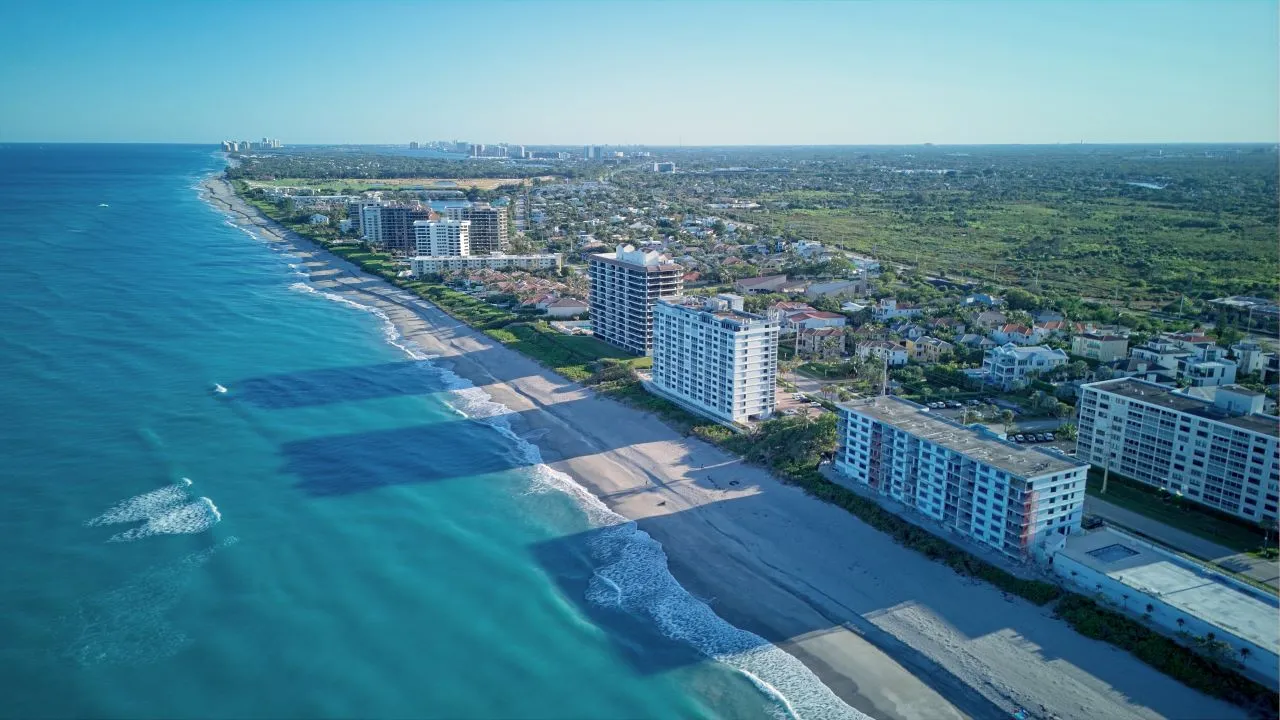
America’s Top Snowbird Destinations for 2026–2027: Florida Leads in Numbers, Texas Wins on Value
For Americans living in colder states, the approach of winter is reason enough to start looking south. Cold weather carries costs that go beyond the heating bill and shoveling snow. Seasonal affective disorder(opens in new tab) is far more prevalent in northern states, so a temporary move south isn’t simply an escape from the cold, but a chance to spend the hardest stretch of winter outdoors and in the sun.
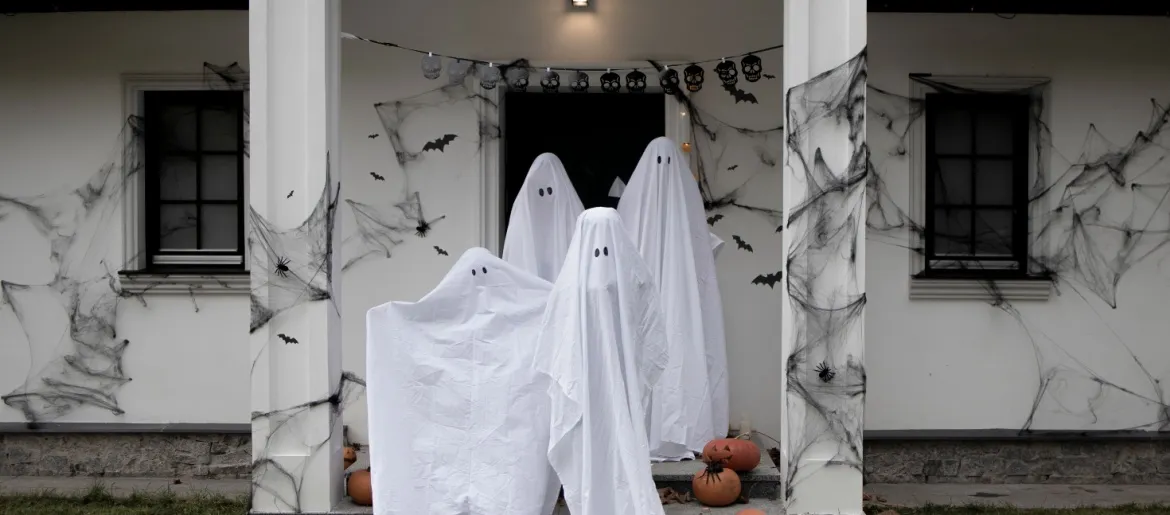
How much does Halloween really cost in 2026? Plan wisely to avoid the scare of hidden costs
Americans’ love for Halloween is almost frightening — this year alone, we are on our way to spending $13.5 billion, according to data from the National Retail Federation(opens in new tab). That breaks down to about $115 Halloween costs per person, a whopping 49% more than 10 years ago.
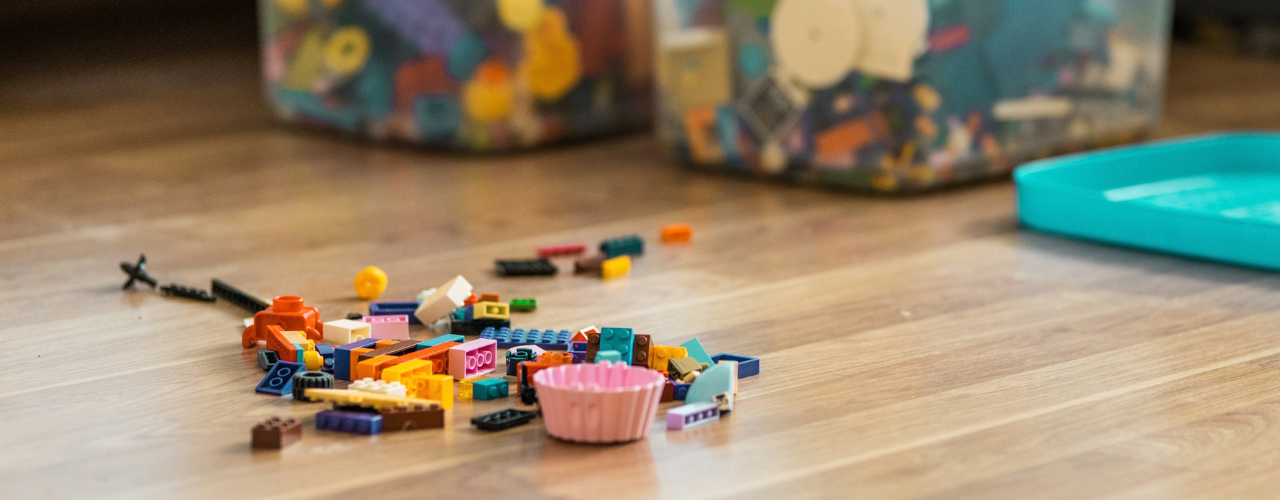
How to Store LEGOs: All the Fun, None of the Clutter
How to store LEGOs largely comes down to how your household uses them. If the bricks are part of everyday play, you need a setup that keeps them within easy reach and makes cleanup quick (for your feet’s sake, at least). Toy storage(opens in new tab) such as simple bins, playmats or containers that children can put away themselves may be enough. Larger or more serious collections usually need more organization, such as labelled drawers for loose pieces, trays for unfinished builds, shelves for completed models and separate storage for retired sets.

Cardboard Costume Guide: Tips and Ideas for a DIY Halloween
Whether for kids or adults, cardboard costume ideas often make the biggest splash once materialized, and that’s for a simple reason: doing a lot with a little is a universally impressive feat (especially in this economy). If you don’t have enough boxes you could temporarily repurpose, don’t worry! There are many places where you can find free moving boxes(opens in new tab), from stores and supermarkets to online groups and recycling drop-off spots. On the run? Try your luck at a self storage(opens in new tab) facility that sells moving supplies, often for cheap. This way, you can choose moving boxes of different shapes and sizes(opens in new tab), so you can make your costumes as complex as you want.

How to Celebrate Halloween: 9 Non-Spooky Ways To Enjoy It
As soon as October starts, it’s the official Halloween month. And while for many people it means it’s open season to get the scare of a lifetime, others, especially families with small children, might prefer to celebrate in a tamer way that’s both kid- and adult-friendly. While you’re likely to find more events where the spook factor is high, here’s how to celebrate Halloween in a not-so-scary way:

Motorcycle Storage Guide: How to Store Your Bike Safely
Motorcycles may be born to be wild, but eventually even the wild ones need somewhere to park. Whether riding season is winding down or your current living situation comes with plenty of square footage for you and less for your bike, motorcycle storage is one of those parts of ownership that doesn’t get as much airtime as the open road.

Halloween Decorating on a Budget (And Cheap Ideas for Everything Elsee)
Halloween has crept a long way from its eerie origins. While All Hallows’ Eve has transformed through the centuries, it wasn’t until the 1930s that trick-or-treating became a tradition in the U.S. and businesses began conjuring up mass-produced Halloween costumes. Now, Halloween is a monster-sized, billion-dollar industry, with a cauldron full of costumes and decorations ranging from the mainstream to the macabre. But is it all really worth your wallet? Maybe, but we’ll let you in on a little secret: You can keep your Halloween decorating on a budget and save on everything else, too. Take this plan and see it through!

Moving From a House to an Apartment: What to Expect, How to Downsize & How Self Storage Helps
For some, moving from a house to an apartment is a financial decision. For others, it’s about simplifying life. Maybe the kids have moved out and half the house sits empty, or you’re approaching retirement and no longer want to spend weekends on repairs. Or perhaps you’ve been weighing the cost of buying a home and wondering whether renting simply makes more sense right now.
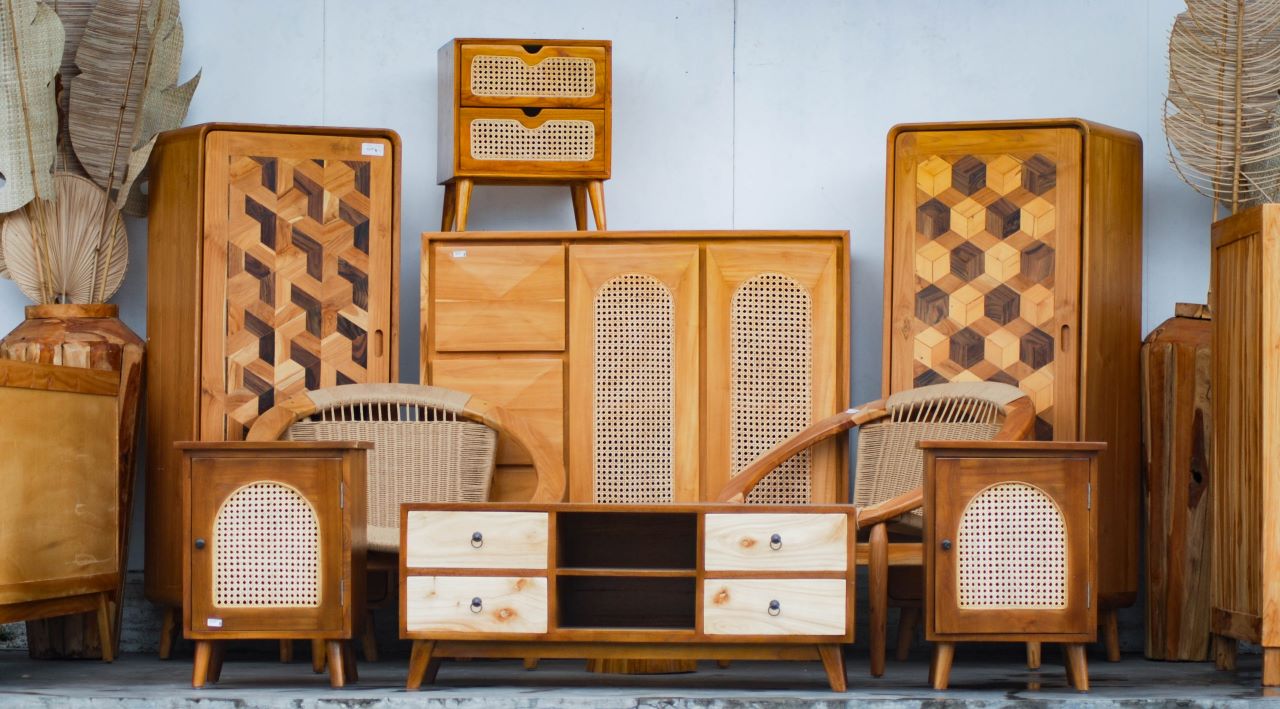
Family Heirlooms Overload: How to Handle Family Inheritance Without Regret
Handling family heirlooms after a loss requires managing legal authority, emotional pressure and practical logistics at the same time, and the order you take them on matters more than most people expect.