

Millions of Americans are still working from home, either full-time or part-time, and chances are that remote work is here to stay. Even with the recent back and forth from companies trying to find the right balance between remote work and office days, many people will probably continue working from their home offices at least a few days per week for the foreseeable future.
Work from home policies come with many perks, among which skipping the commute is probably the most enticing for many people. However, it does have its challenges as well – and having to make do with a small home office is one of them. This is why we came up with some easy-to-follow, space-saving small home office ideas – here’s what you should do to enjoy a comfortable, practical remote work setup even when space is limited.
Embrace a minimalistic approach
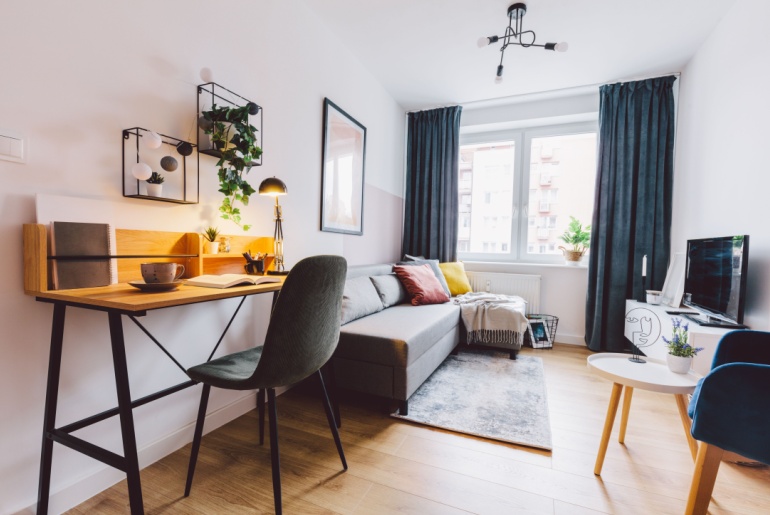
When space is a hot commodity, the best strategy is to limit the items you are putting in that space. Embrace a minimalistic approach regarding your workspace, which can really help boost your productivity and keep stress levels down by giving you a clean, distraction-free workspace. Here are some small home office ideas that will help you make the most of your existing space:
- Pick the perfect spot
Look for a quiet corner or nook in your home where you can work without too many interruptions. Make sure it’s a place with good natural light – it’ll make a big difference in keeping you alert and reducing eye strain.
- Choose the right furniture
Go for a small, multi-functional desk that fits your space. A wall-mounted desk or a foldable table can be great choices. Pair it with a comfortable, ergonomic chair – you’ll be sitting there for hours, so comfort is key! You could also pick a standing desk that allows you to alternate between sitting and standing – that’s a good long-term investment in your health.
However, you should also pay attention to the aesthetic appeal of your office, as it can have a major impact on your productivity and general wellbeing. “Keep the area visually open by opting for light colors and minimalist decor, which can make the space feel larger and more inviting”, suggests Ana Coddington, lead interior designer with Archival Designs. She also advises to select appropriately sized furniture that fits the dimension of the space – otherwise, your room will feel cramped and cluttered.
- Declutter the area
Speaking of clutter, you should definitely clear out any unnecessary items from your chosen spot. Keep only the essentials: your laptop, a notepad, a couple of pens. Use cable organizers to tame those pesky wires and keep things looking neat. Avoid having items you don’t actually use in your workspace.
“The biggest pitfall people make when trying to make the most of a small home office is over organizing with items they don’t need”, explains Veronica Hanson, a minimalist coach who works remotely. “Common examples are staplers, tape dispensers, paper clips, highlighters, and post-its. These items are seen as core office supplies and therefore by default people try to store them very close to their workspace, even on top of their desk. In reality, those same people report only needing some of those items once every few months. There is a drastic difference between what you perceive you need and what you actually need on a daily basis,” she concluded.
In other words, keeping things at a minimum helps you maintain your focus throughout the day. A cluttered, chaotic space oftentimes translates into mental overload and feeling overwhelmed. Noise is another often-overlooked form of clutter. In a small home office, uncontrolled sound can be just as distracting as visual mess, which is why many remote workers use acoustic panels to absorb echoes and background noise, creating a calmer and more focused workspace. You can choose between a variety of acoustic office panels and acoustic wall panels that not only help reduce noise but also add a sleek, professional look to your workspace.
- Think vertically
Drawing from her experience in designing efficient and sustainable tiny homes, Pam Hutter of Hutter Architects states that vertical solutions define success. Specifically, vertical storage and multi-functional furniture are critical. “For example, installing tall shelving that reaches the ceiling, or utilizing a desk that folds into a wall unit can drastically increase your usable space without encroaching on the footprint of your room”, she details. Pairing that with a vertical filing system that hangs over the desk puts most of your essential at arm’s reach without clutter.
- Add personal touches
Make your space feel like yours without going overboard. “Functionality shouldn’t come at the sole cost of character – a plant or photograph lifts spirits”, says Crystal Olenbush, a real estate expert at AustinRealEstate.com. “Sparing a few extra inches isn’t worth long-term strain either. I like for clients to select furnishings and storage able to adapt alongside changing needs over time. Overall comfort and enjoying the area matter as much as just pure practicality”, she added.
Small home office furniture checklist
Still not sure what furniture to get for your small home office? Here’s a list of some very practical and affordable items that will help you put together your remote workspace in no time!
- Get a foldable desk so you can easily fold it when you need more floor space at home.
- Room divider shelving units provide plenty of storage space while also allowing you to carve up a work nook in your living room.
- Get a compact office chair that can be tucked under your desk to save precious space while not working.
- Corner desks are an excellent choice for small spaces, particularly if they also come with some storage space included.
- An office caddy on wheels can be particularly practical when working from home, especially if you like to change scenery during the day and work in a different room, or even on your patio or balcony.
- If video calls are a regular part of your workday, a Neat Bar is a neat (pun intended) way to keep things simple. It’s a slim video meeting bar that mounts above or below your screen, giving you clear audio, smart framing, and less clutter around your desk.
Use self storage to create more space at home
If you’re wondering how to carve out space to set up a home office in your home, you can start by sorting through your belongings and moving those that you are not using on daily basis into a storage unit.
We all own things that we need only occasionally, such as sport equipment, tools, holiday decorations, small furniture, appliances, or electronics. By packing them up and putting them in storage we are creating precious, additional space at home. You might not have an entire room to dedicate to your home office. But, by putting some of your items in self storage, and by reshuffling the rest of your belongings, you can actually create the space that you need for a great home office setup.
The cost for renting a self storage unit depends on the unit size that you plan to get, but also on where you live. A 10’x10’ self storage unit in Phoenix, Arizona, for example, hovers around $113 per month, and allows you to store a variety of items, including bulky ones like pieces of furniture, tools, or appliances. If you need less storage space, you could rent a smaller one – a 5’x10’ unit costs $64 per month in Phoenix. If you’re living in NYC, you’ll pay a bit more on self storage. A 10’x10’ unit in the Big Apple will set you back almost $250 per month, while a smaller, 5’x10’ storage unit in New York City rents for around $150. However, in the vast majority of the situations, regardless of where you live, it’s significantly less expensive to rent extra storage than it is to move to a larger home or apartment. This makes self storage an affordable and flexible tool for remote workers, allowing them to work and live comfortably in their homes or apartments.
Your home office doesn’t have to be boring – create flexible work zones
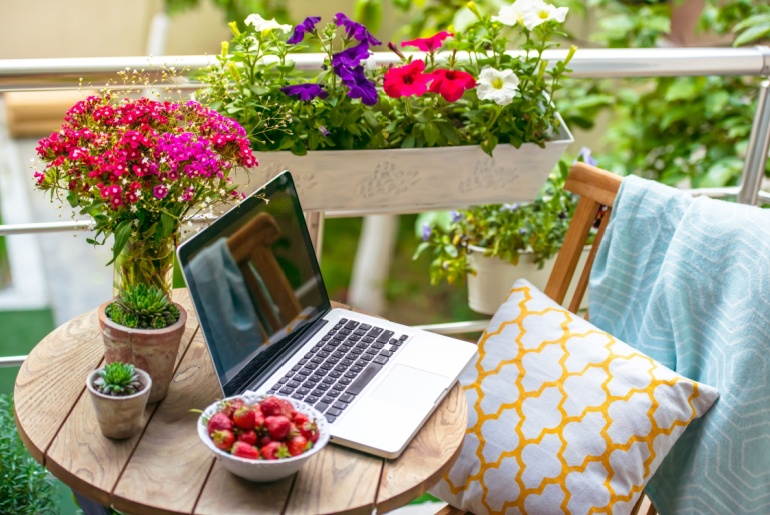
Having separate areas for different types of tasks brings some excitement to your workday and improves your productivity. Set up your workstation in a quiet corner or alcove for focused work tasks. However, for virtual meetings, or for brainstorming sessions, you might want to switch things around a bit a choose a different place, like your favorite spot on your sofa, or even your balcony or garden.
If you are planning to take a break, make it a real break. Instead of scrolling through your social media at your desk during your breaks from work, stand up, take a few steps through your home or backyard, open a window to take a breath of fresh air, water your plants, or play with your pets.
These strategies help you maintain a sense of balance and productivity throughout the day, even if you’re pretty much cooped up in a relatively small space.
Make the most of natural (and artificial) light
Natural light is an excellent mood and productivity booster, so try to get as much of it as possible. Natural light can also make small spaces appear airy and less confining. In general, when it comes to small home office design ideas, it’s best to have the windows in front of or next to your desk, and not behind it. This way, you avoid annoying screen glares, while still enjoying the benefic effects of natural light. To control the varying levels of brightness during the day, get some basic, white shades that filter some of the sunlight but don’t darken your office space.
Apart from the natural light, the artificial light sources you use in your home office are important as well. Try to avoid harsh, overhead lights that create a lot of shadows and glare. Instead, use a combination of LED panels and upward-shining floor lamps that diffuse the light throughout the room. If you need some extra light on your keyboard, you could use an adjustable desk lamp that allows you direct it exactly where it’s needed.
Establish boundaries between your professional and personal life

If you have limited space at your disposal, this might mean that you need to set up a home office area in your living room or in your bedroom. This might cause some overlapping between your personal and professional life, both from a practical perspective and from a mental one. Establishing proper boundaries will help you manage both your workload and personal life better.
Actual, physical “boundaries” are efficient. Even if your small home office is located in a room with a different purpose, installing some sleek room dividers or some open shelving units that separate the workspace from the surrounding area will help you maintain your focus throughout the day. If you usually have other family members or roommates at home while you work, investing in a good pair of headphones will make all the difference.
Mental barriers between work and personal time are also important. Even if working from home allows a bit of flexibility on how you organize your day, it’s important that you follow a schedule. Setting specific work hours and adhering to them helps you set out when work begins and ends, allowing time for personal activities and relaxation outside of work hours. Communicating boundaries with family members or housemates can minimize interruptions during work hours and foster understanding of the need for focused work time.
Optimize your home office space – but on a budget
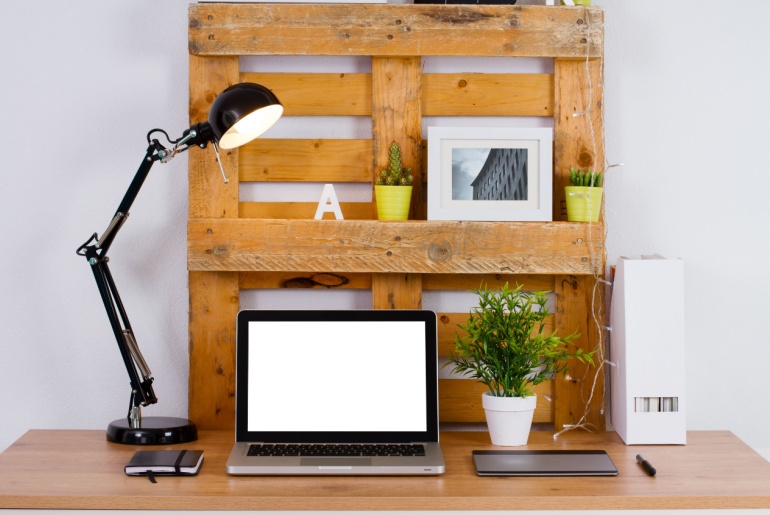
Setting up a home office doesn’t have to cost an arm and a leg. With a little creativity and some smart planning, you can create a functional and stylish workspace without spending a fortune. Here are some budget-friendly tips and DIY options to help you make the most of your home office space:
- Repurpose furniture: Take a look around your home – you might already have furniture that can double as office equipment. An old dining table can become a roomy desk, and a bookshelf can store all your office supplies.
- Cheap organizers: Check out dollar stores or discount retailers for affordable organizers. You can find plastic bins, drawer dividers, and desk trays that will help keep your office neat and tidy.
- Thrift store treasures: Thrift stores and garage sales can be gold mines for budget-friendly furniture and storage solutions. You might find some great pieces that just need a bit of a makeover to become perfect office items.
- Build your own desk: DIYing a desk can be a fun and inexpensive project. Use two filing cabinets as the base and add a wooden or laminate board on top. You can paint or stain the wood to match your home decor.
- Decorative storage boxes: Give plain cardboard boxes a stylish upgrade by covering them with fabric or decorative paper. They’re great for storing documents, supplies, or personal items while adding a pop of color to your office.
- Shop sales and clearance: Keep an eye out for sales, clearance items, and coupons at your favorite home goods and office supply stores. A little patience can lead to big savings.
Frequently Asked Questions About Maximizing Home Office Space
Working from home is great, but it can be a bit tricky if you’re short on space. No worries, though – here are some of the most frequently questions about optimizing your home office space answered.
- How can I maximize my small home office?
Maximizing a small home office is all about making the most of every inch. Start by going vertical – use wall-mounted shelves to store books, supplies, and decorative items without taking up precious floor space. Choose a compact desk that fits the space you have – you could also opt for a foldable or wall-mounted desk that you can tuck away when not in use.
Keep the space clutter-free by being selective about the things you keep in your workspace – make sure it’s stuff that you actually need. Also, organize your supplies with drawer dividers, desk organizers, and storage bins. Don’t forget to let in some natural light – it’ll make the space feel bigger and boost your mood!
- How to design a small office at home?
Designing a small office at home starts with choosing the right spot. If you don’t have a room to dedicate to your home office, identify a quiet corner or nook in your home. If you have a large family, or if you live with roommates, your best bet is probably your bedroom, as it allows you to isolate from the activities normally associated with the living room or the kitchen.
Once you’ve found your spot, think about your needs and how you can meet them with minimal furniture. A compact desk and a comfy chair are must-haves – and you could also explore the idea of a compact corner desk, as it maximizes the work area without taking up a lot of floor space.
Get creative with storage solutions. Floating shelves, pegboards, and under-desk drawers can keep your essentials organized without taking up much space. Add a splash of personality with a few carefully chosen decor items – think a small plant or some inspiring wall art. Keep it simple, and make sure everything has its place to avoid clutter.
- How to make a home office with no space?
If you feel like you have no space for a home office, think again! You can carve out a workspace in unexpected places. Use a corner of your living room, bedroom, the space under the stairs, or even a closet. A foldable desk or a wall-mounted drop-down desk can create an instant office without taking up much room. You can also repurpose furniture – a console table or a small dining table can double as a desk. Keep your work essentials in a rolling cart that you can move around and store away when you’re done. The key is to be flexible and think outside the box!
- How can I set up a cheap home office?
Setting up a cheap home office is totally doable with a bit of thrifting and DIY spirit. Start by checking out thrift stores, garage sales, or online marketplaces for affordable furniture. You can often find great desks and chairs that just need a little TLC. Get creative with storage by using inexpensive items like plastic bins, drawer dividers, and wall-mounted shelves from discount stores. DIY projects can also save you money – build your own desk using two filing cabinets and a wooden board. Keep decor simple and personal by framing pictures or adding a few small plants. With a little ingenuity, you can create a cozy and functional home office on a budget.
When it comes to maximizing your space while working from home, the key is to adapt strategies to suit the layout and constraints of your home while prioritizing comfort, productivity, and well-being in your work environment. A little bit of planning and attention to details allows you to create a home office space that enhances your workflow, fosters creativity, and supports your professional endeavors, even if space at home is limited.


How to Store LEGOs: All the Fun, None of the Clutter
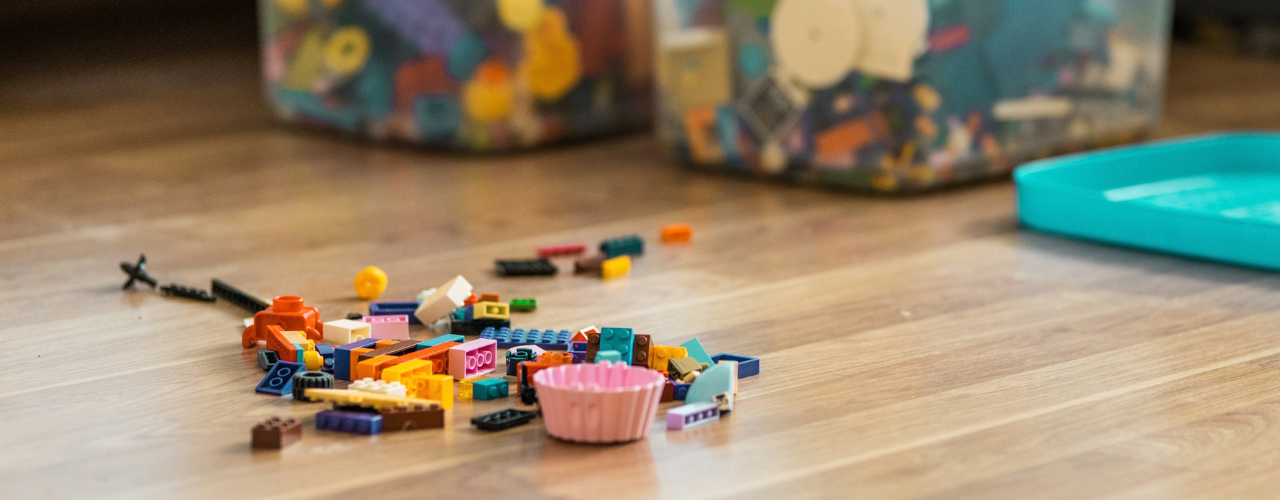
How to store LEGOs largely comes down to how your household uses them. If the bricks are part of everyday play, you need a setup that keeps them within easy reach and makes cleanup quick (for your feet’s sake, at least). Toy storage(opens in new tab) such as simple bins, playmats or containers that children can put away themselves may be enough. Larger or more serious collections usually need more organization, such as labelled drawers for loose pieces, trays for unfinished builds, shelves for completed models and separate storage for retired sets.

Cardboard Costume Guide: Tips and Ideas for a DIY Halloween
Whether for kids or adults, cardboard costume ideas often make the biggest splash once materialized, and that’s for a simple reason: doing a lot with a little is a universally impressive feat (especially in this economy). If you don’t have enough boxes you could temporarily repurpose, don’t worry! There are many places where you can find free moving boxes(opens in new tab), from stores and supermarkets to online groups and recycling drop-off spots. On the run? Try your luck at a self storage(opens in new tab) facility that sells moving supplies, often for cheap. This way, you can choose moving boxes of different shapes and sizes(opens in new tab), so you can make your costumes as complex as you want.

How to Celebrate Halloween: 9 Non-Spooky Ways To Enjoy It
As soon as October starts, it’s the official Halloween month. And while for many people it means it’s open season to get the scare of a lifetime, others, especially families with small children, might prefer to celebrate in a tamer way that’s both kid- and adult-friendly. While you’re likely to find more events where the spook factor is high, here’s how to celebrate Halloween in a not-so-scary way:

Motorcycle Storage Guide: How to Store Your Bike Safely
Motorcycles may be born to be wild, but eventually even the wild ones need somewhere to park. Whether riding season is winding down or your current living situation comes with plenty of square footage for you and less for your bike, motorcycle storage is one of those parts of ownership that doesn’t get as much airtime as the open road.

Halloween Decorating on a Budget (And Cheap Ideas for Everything Elsee)
Halloween has crept a long way from its eerie origins. While All Hallows’ Eve has transformed through the centuries, it wasn’t until the 1930s that trick-or-treating became a tradition in the U.S. and businesses began conjuring up mass-produced Halloween costumes. Now, Halloween is a monster-sized, billion-dollar industry, with a cauldron full of costumes and decorations ranging from the mainstream to the macabre. But is it all really worth your wallet? Maybe, but we’ll let you in on a little secret: You can keep your Halloween decorating on a budget and save on everything else, too. Take this plan and see it through!
Moving From a House to an Apartment: What to Expect, How to Downsize & How Self Storage Helps
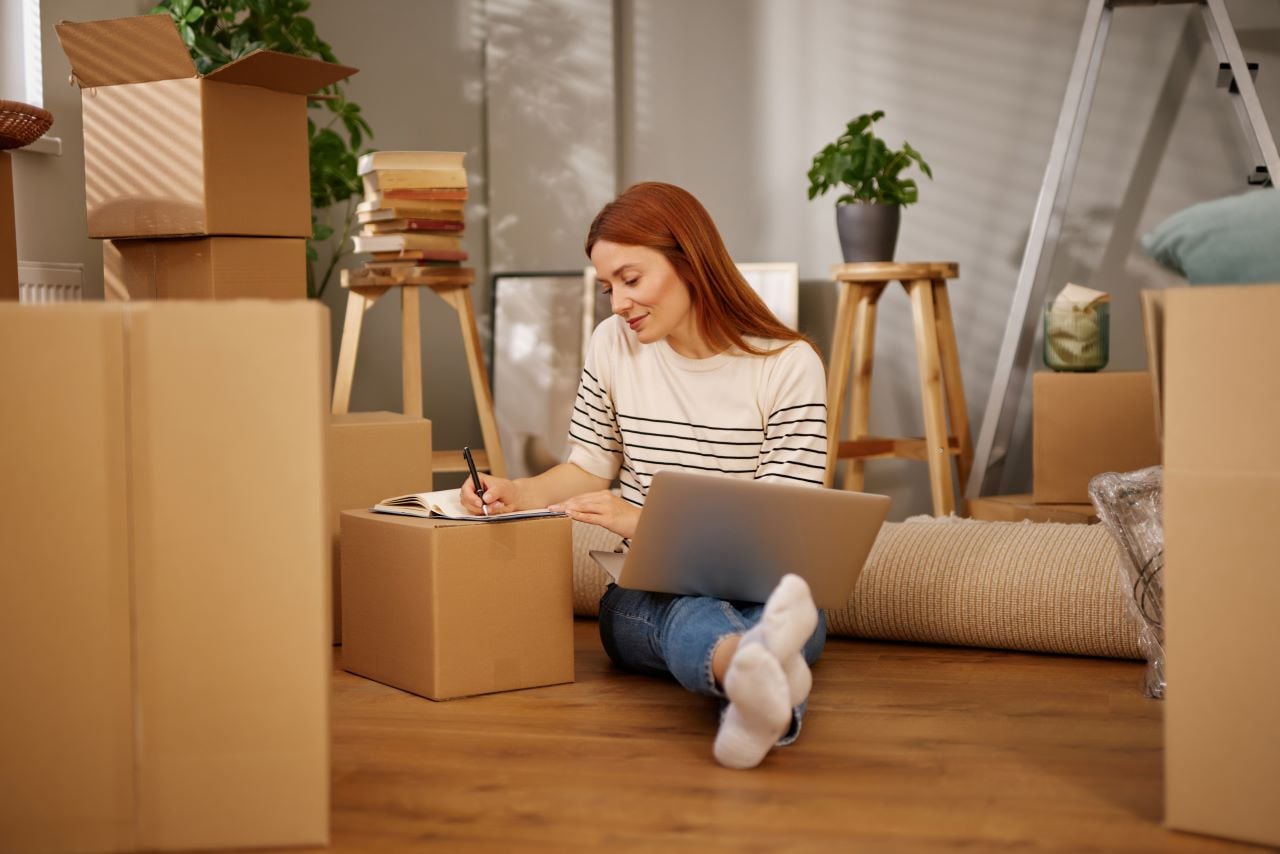
For some, moving from a house to an apartment is a financial decision. For others, it’s about simplifying life. Maybe the kids have moved out and half the house sits empty, or you’re approaching retirement and no longer want to spend weekends on repairs. Or perhaps you’ve been weighing the cost of buying a home and wondering whether renting simply makes more sense right now.
Family Heirlooms Overload: How to Handle Family Inheritance Without Regret
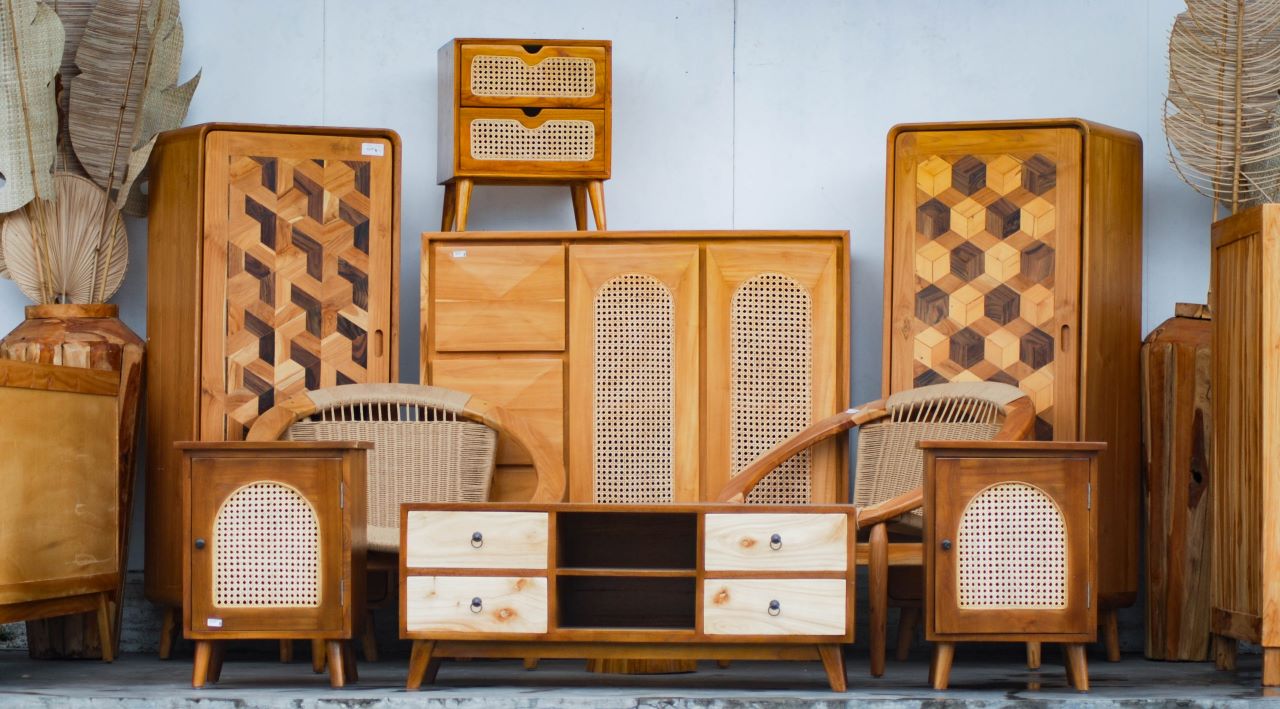
Handling family heirlooms after a loss requires managing legal authority, emotional pressure and practical logistics at the same time, and the order you take them on matters more than most people expect.
Blanket Storage: The Right Method for Every Space and Season
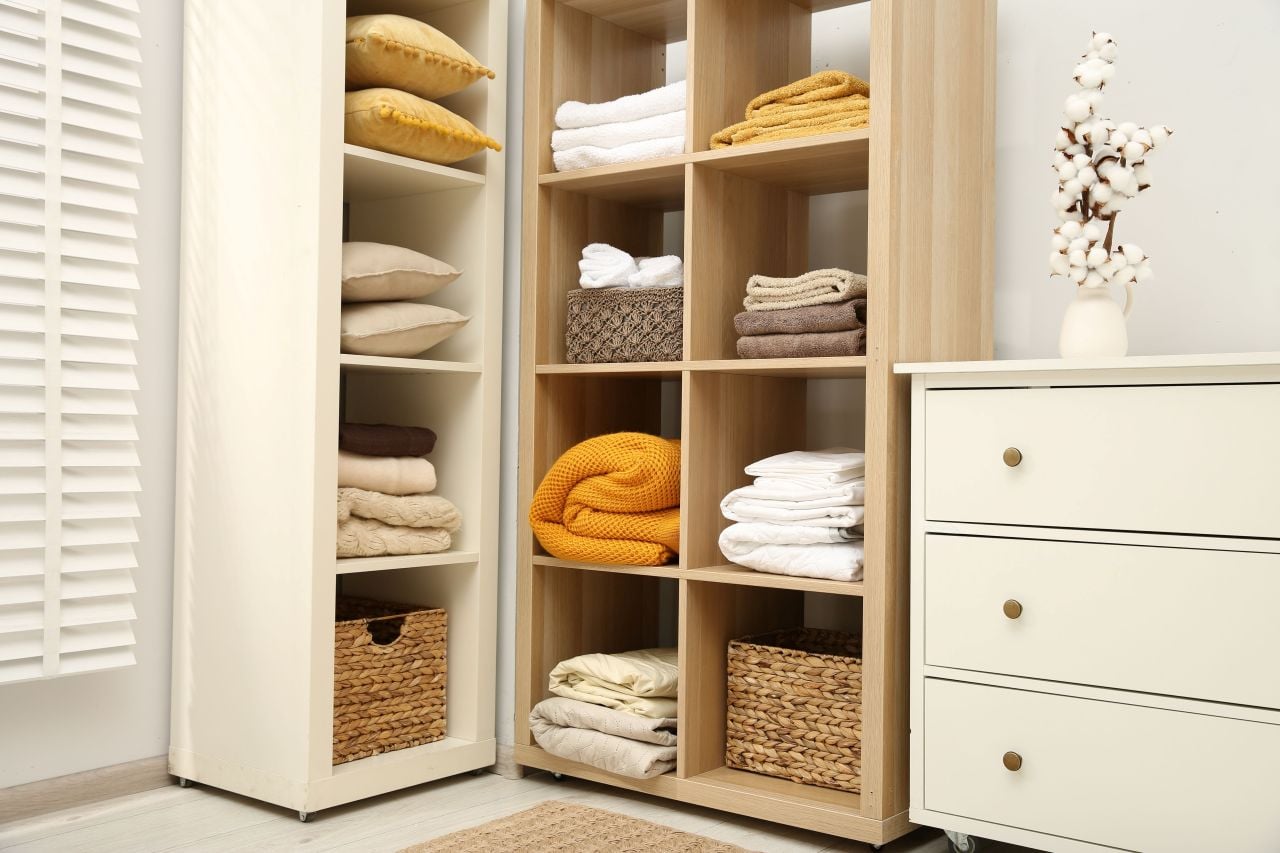
Blankets make our lives cozier, and storing them well is what keeps them soft and comfortable in the long run. Knowing how to store a blanket properly means your favorites come out of storage smelling fresh, feeling the same as when they went in, and lasting years longer than they otherwise would.

Board Game Storage Ideas That Keep Your Collection in Fighting Shape
Nobody warns you that getting into board games usually unlocks a second hobby, the much dreaded one that includes figuring out where on earth to put them. One game becomes a few, expansions start spawning beside their base boxes and before long, board game storage requires as much strategy as whatever is waiting on the other side of those lids.